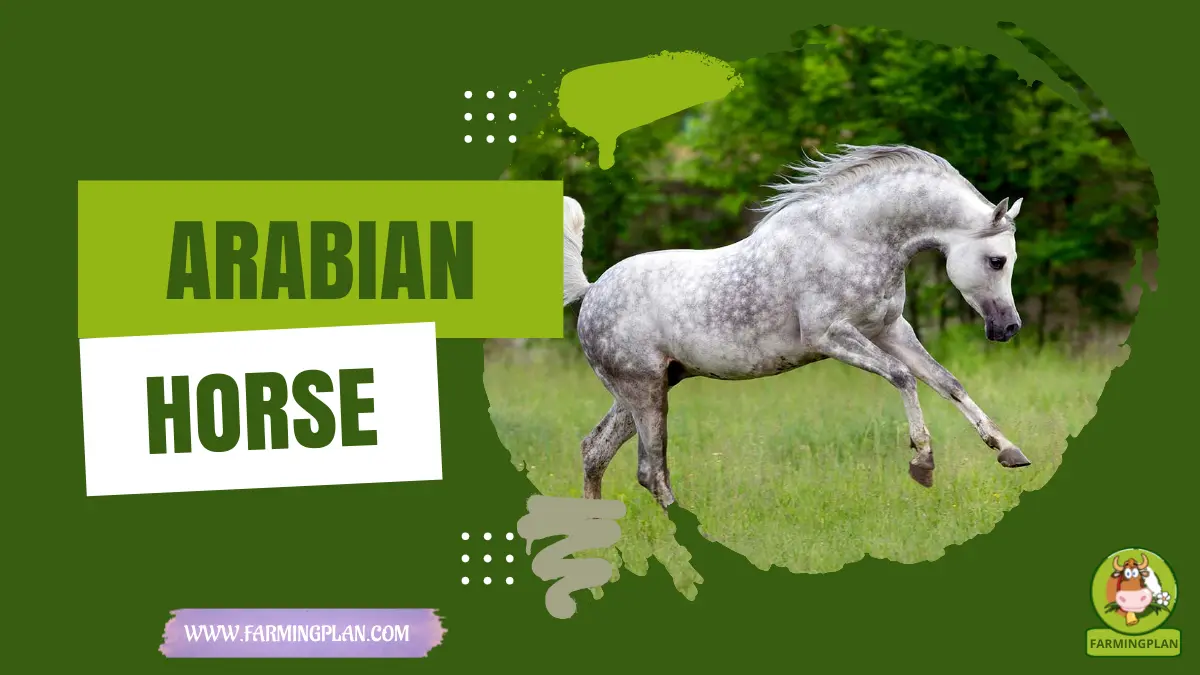
Welcome to my farm journal! The Arabian horse stands out as one of the most magnificent and intelligent equine breeds in the world. As a dedicated livestock specialist, I have worked with hundreds of horses over my lifetime, but nothing quite compares to the spirit of an Arab stallion or mare. These animals bring incredible beauty, historical pride, and unmatched stamina to any stable.
Whether you want a competitive endurance Arabian horse or a loving companion, this legendary breed will capture your heart immediately. In this complete guide, I share my hands-on personal knowledge to help you understand, purchase, and raise these noble creatures with absolute confidence. Discover the Arabian horse breed!
History and Origin of Arabian Horse
The historical journey of these animals began thousands of years ago in the harsh deserts of the Arabian peninsula. Nomadic Bedouin tribes created this unique breed through strict, careful selection. They needed a swift, hardy companion that could survive tough desert travels and sudden battles. Bedouin legends even tell a story where God took a handful of south wind to craft this noble animal! These nomadic families held their horses in high esteem, often bringing precious mares right inside their family tents to protect them from extreme weather and theft.
Global Expansion Across Europe
Over time, international conflicts and trade routes spread these desert horses across the globe. Crusaders, Russian nobles like Catherine the Great, and French commanders like Napoleon Bonaparte all fell in love with their elegance and power. European leaders imported key studs to improve local military stock. During the nineteenth century, Wilfrid and Lady Anne Blunt established the famous Crabbet Park Stud in England, securing pure Arabian bloodlines for future generations. This strategic breeding program preserved foundational strains like the Darley Arabian, which later helped build the modern Thoroughbred racehorse.
Read More: Wyandotte Chicken: Essential Guide to This Amazing Bird
Characteristics of Arabian Horse
When you look at this breed, you instantly notice its distinctive head and dished facial profile. Their large, wide-set eyes and broad forehead give them a warm, intelligent expression. Their flared nostrils allow maximum air intake, which fuels their incredible desert athletic performance. Interestingly, these horses have a unique skeleton analysis compared to other light horse breeds. Most horses carry eighteen ribs and six lumbar vertebrae, but many desert lines feature seventeen ribs and five lumbar vertebrae. This shorter back gives them exceptional strength and a high, proud tail carriage.
Coat Color Variations and Patterns
Their coats come in a rich array of striking shades that turn heads in any arena. You will frequently see deep bays, radiant chestnuts, solid blacks, and shimmering grays. While many people search for an Arabian horse white coat, true white coats do not actually exist in this breed; those magnificent white-looking animals are genetically gray horses whose hair turns lighter as they mature! You will also notice distinctive Sabino markings, featuring bright white socks and delicate facial blazes that make each animal unique.
High Spirit and Deep Emotional Bond of Arabian Horse
People often assume these hot-blooded animals are wild or difficult to manage, but that simply is not true in my experience. Their high intelligence stems from centuries of close living with Bedouin families inside desert tents. They bond deeply with human handlers and crave real affection. If you treat a young gelding or stallion with respect, he will willingly cross fire for you. However, their sharp minds remember harsh treatment instantly, so you must always use calm, clear signals during training sessions.
Perfect Match for Dedicated Owners
Because of their energetic spirit and quick learning ability, these horses suit proactive owners who appreciate interactive relationships. They thrive when given consistent jobs, regular exercise, and affectionate daily care. Beginners can certainly manage them, provided they receive guidance from an experienced farm manager or horse trainer. Their natural desire to please makes them wonderful family companions, sensitive riding partners, and affectionate show ring performers when raised in a gentle, firm environment.
Optimal Feeding Guidelines and Diet of Arabian Horse
Feeding your horse a balanced diet requires understanding their energetic metabolism. Good quality forage forms the foundational core of their daily meal plan. I feed my herd high-grade grass hay, such as Timothy or orchard grass, mixed with moderate amounts of alfalfa for protein. A healthy adult horse eats roughly one and a half to two percent of its total body weight in clean roughage every single day. Always inspect your hay for dust or mold to protect their delicate lungs and stomach.
Concentrates and Essential Hydration
Active show animals and endurance runners often need supplemental grain mixtures to satisfy high caloric needs. Offer balanced pellets containing high fats and easy-to-digest fibers rather than heavy starch grains. Always ensure your horse enjoys free access to fresh, clean water around the clock. An adult equine drinks up to fifteen gallons of fresh water daily! Keep pure salt blocks in their stalls to replenish vital electrolytes lost through sweat, especially during warmer summer months.
Farm Tip: Always double-check your feeding schedule to ensure your horses get high-grade hay first before any grains. High forage keeps their digestive tracts moving smoothly!
Usage and Versatile Disciplines of Arabian Horse
No other breed can match this animal when it comes to long-distance athletic endurance riding! Their light frame, efficient muscle fibers, and massive lung capacity make them dominant champions in grueling long-distance races like the famous Tevis Cup. Their efficient gait allows them to cover miles of rocky trail terrain without tiring easily. If you enjoy long weekend trail rides through mountain paths, this breed will serve as your absolute most reliable partner.
Show Ring Excellence and Work
Beyond trail riding, these adaptable horses shine brightly in diverse show ring events across the nation. They command attention in halter classes, where judges evaluate their ideal breed conformation and floating movement. They also excel in saddle seat, western pleasure, hunter pleasure, reining, and show jumping. Breeders around the world also use pure bloodlines to refine other popular breeds, creating top-tier crosses like the Anglo-Arabian or American Quarter Horse mixes.
Special Features of Arabian Horse
One of the most mind-blowing special features of this breed is its incredible cardiovascular system. Their broad foreheads house enlarged sinus cavities, while their extra-large trachea allows immense air volumes to reach their lungs instantly. This physical design gives them lower heart rates during intense workouts and allows rapid recovery times at endurance vet checkpoints. They process oxygen with exceptional efficiency compared to other domestic equine breeds.
Architectural Beauty and Presence
Their regal stance is entirely unique in the horse world. When excited, an Arab raises its tail high over its back like a fiery banner and arches its crested neck with dramatic grace. Their light, airy trot makes them appear as if they are floating across the ground without touching the dirt. Their fine skin, thin coats, and prominent veins highlight their sculpted muscular beauty, making them living works of art in any pasture.
Health Issues and Preventive of Arabian Horse
While generally hardy, purebred lines can carry specific hereditary health conditions that every owner must understand. Lavender Foal Syndrome, Severe Combined Immunodeficiency (SCID), Cerebellar Abiotrophy, and Occipitoatlantoaxial Malformation represent well-documented genetic disorders. Fortunately, modern science makes screening easy! You can order a DNA test from the UC Davis Veterinary Genetics Laboratory or Animal Genetics Incorporated before purchasing breeding stock to ensure your foals remain completely healthy and free from genetic defects.
Everyday Metabolic and Physical Care
Like many light breeds, these horses can develop equine metabolic syndrome, laminitis, or painful gut issues known as colic. To prevent these conditions, monitor their daily pasture grazing time on lush green spring grasses. Schedule regular farrier visits every six weeks to trim their hooves accurately. Work with your veterinarian to establish strict vaccination protocols, parasite deworming routines, and routine dental floating to keep their teeth in prime chewing condition.
“A True Arabian Horse Is Not Just A Magnificent Breed, But A Living Spirit Crafted From The Desert Winds.”
Step-by-Step Care Guide of Arabian Horse
Mastering daily care requires dedication, patience, and proper routine management. Follow my comprehensive step-by-step framework below to provide your equine companions with the finest care possible from day one.
Step 1: Secure Safe Housing and Stall Setup
Setting up safe housing forms the baseline of proper equine care. Build sturdy three-sided run-in sheds or spacious twelve-by-twelve foot wooden stalls with good ventilation. Line stall floors with thick rubber mats covered by clean, dust-free wood shavings to cushion their hooves and joints. Check every fence line thoroughly; avoid loose barbed wire and use smooth wooden boards, no-climb wire, or safe vinyl fencing instead. Ensure turnout pastures offer shade trees, dry footing, and secure latching gates to prevent accidental escapes.
Step 2: Establish Daily Feeding Routines
Create a strict, predictable feeding schedule because horses thrive on reliable daily routines. Feed your animals twice or thrice daily at the exact same hours, offering quality grass hay alongside tailored feed concentrates. Clean out water buckets daily using stiff scrub brushes to stop algae growth. Hang high-quality salt blocks near water sources so your horse can regulate its mineral intake freely. If you adjust their diet, transition to new feeds gradually over ten to fourteen days to prevent dangerous stomach upsets.
Step 3: Implement Proper Grooming Protocols
Consistent daily grooming keeps your horse’s coat radiant while helping you build a deep, trusting bond. Start by using a soft rubber curry comb in circular motions to loosen dirt, dried mud, and shed hair. Follow up with a stiff dandy brush across the body, and finish with a soft-bristled brush on their sensitive dished face. Always clean out their hooves using a sturdy hoof pick before and after every ride, checking carefully for rocks, thrush, or cracked hoof walls. Apply moisturizing hooves oil if you live in dry climates.
Step 4: Execute Tailored Exercise Schedules
Keep your energetic companion physically fit and mentally happy through structured daily workouts. Turn them out in open pastures for several hours daily so they can run, graze, and stretch their legs naturally. Incorporate round-pen lunging, ground driving, or ridden trail workouts four to five times a week to maintain strong muscle tone and lung power. Vary your training routines with ground poles, obstacle courses, or outdoor rides so your smart animal stays engaged without growing bored or restless.
Step 5: Schedule Regular Veterinary Inspections
Maintain proactive wellness schedules alongside your local equine veterinarian to stop health issues before they start. Schedule bi-annual physical checkups, routine vaccinations, and annual dental floatings to keep their mouth comfortable under the bit. Perform routine fecal egg counts to create targeted deworming programs rather than over-medicating your pasture. Work closely with a certified farrier every six to eight weeks to ensure correct hoof balance, which protects their delicate leg tendons and joints over their long lifetime.
Read More: Appenninica Sheep: Ultimate Guide to Raising Noble Italian Breeds
Expert Tips for Success of Arabian Horse
- Build Trust First: Spend quiet, unhurried time in the pasture simply standing near your horse without asking for work.
- Use Soft Hands: These sensitive animals respond to light rein pressure and subtle leg cues; avoid harsh bits or aggressive hands.
- Verify Pedigrees: Always check registration papers through recognized organizations like the Arabian Horse Association or Crabbet Stud registries.
- Invest in Quality Tack: Use saddle trees designed specifically for short-backed breeds to prevent painful pressure points on their spine.
- Prioritize Forage: Keep high-quality hay in front of them during long stall stays to keep their digestive systems moving constantly.
- Join Local Clubs: Connect with regional breed societies, such as the Arabian Horse Society of Great Britain or Australia, for peer support and fun events.
FAQs
What is the average price range for purchasing this breed?
Prices vary greatly based on bloodlines, training level, and age. Unregistered trail companions might cost a few thousand dollars, while elite show or breeding stock can range from ten thousand to over one hundred thousand dollars.
Are these high-spirited horses good for beginner riders?
Yes, they can suit beginners if the individual horse has a calm, well-trained temperament. However, novice owners should always work alongside an experienced trainer to handle their quick minds and energetic gaits smoothly.
How long does this horse breed typically live?
This breed is famous for its exceptional longevity and robust overall health. With proper nutrition, regular farrier care, and veterinary attention, many of these horses live well into their late twenties or early thirties.
Why do these horses hold their tails so high when moving?
Their high tail carriage comes from their unique spinal anatomy, which features fewer lumbar vertebrae than other breeds. This physical structure allows them to carry their tail high as a natural expression of excitement and pride.
How fast can these horses run compared to other breeds?
While Thoroughbreds beat them in short-distance sprint races, these desert horses excel at sustaining fast, steady speeds over extreme distances. They comfortably maintain a brisk, ground-covering trot or canter for miles without exhausting their energy reserves.
Conclusion
Owning a magnificent Arabian horse brings endless joy, deep companionship, and thrilling athletic adventures to your farm. Throughout my career as a specialist, I have found that no other breed matches their intense loyalty, sharp intelligence, and radiant beauty. By offering proper nutrition, loving care, and structured exercise, you will unlock a lifelong bond with one of the most remarkable animals on Earth. Are you ready to welcome one of these stunning desert legends into your own stable? Share your horse stories, leave your thoughts in the comments below, and pass this guide along to your fellow equine enthusiasts today!