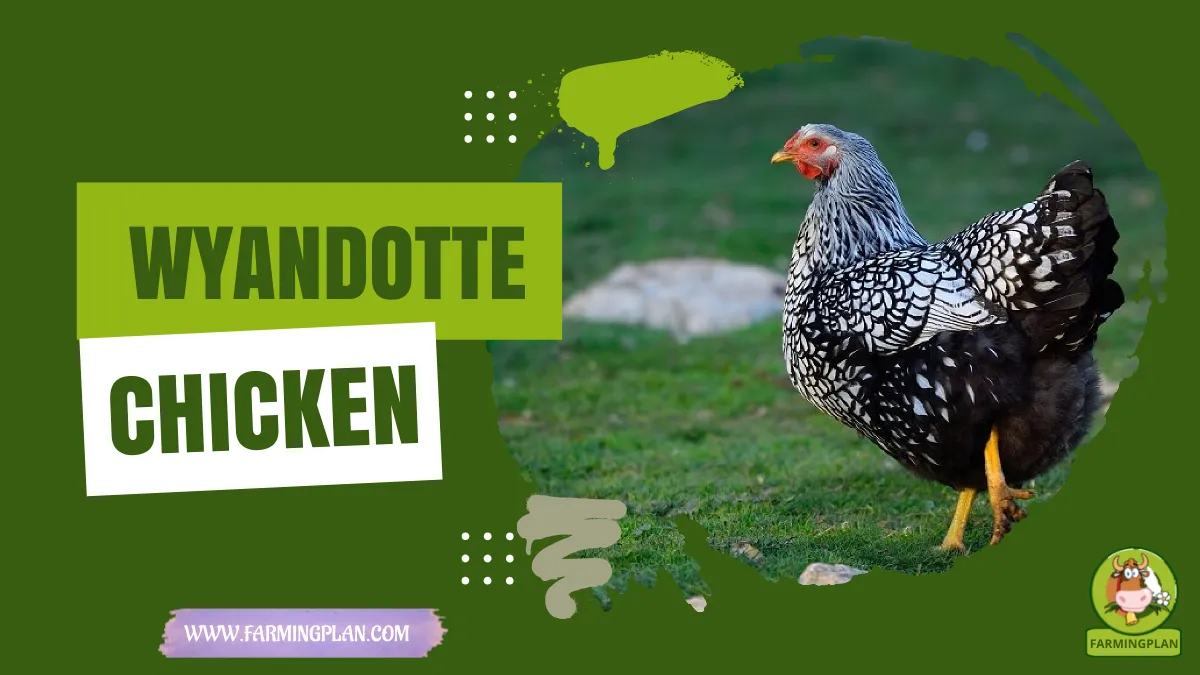
The Wyandotte chicken (pronounced WHY-un-dot) stands out as my absolute favorite breed on the homestead. As a farming specialist with years of hands-on experience, I always recommend these hardy, beautiful birds to everyone who asks me for advice. Originating in the United States, this American breed features dense feathering, a broad body, and a distinctive rose comb that protects them from harsh winter conditions. Are you ready to welcome these magnificent birds to your home?
Whether you want a reliable egg layer, a friendly backyard pet, or a striking bird for poultry shows, this dual-purpose breed delivers incredible value. They lay delicious, medium-to-large brown eggs with remarkable consistency throughout the year. Their calm personality and stunning feather patterns—ranging from the classic Silver Laced Wyandotte to the eye-catching Golden Laced Wyandotte—make them an absolute joy to raise in any backyard coop.
History & Origin of Wyandotte Chicken
Back in the late 1800s, American poultry breeders wanted to create the ultimate dual-purpose bird for cold northern climates. Four breeders in New York and Michigan worked together to cross several existing breeds, including spangled Hamburgs, Cochins, and Dark Brahmas. They focused on building a bird that could produce plenty of meat while maintaining solid winter egg production. The result was a stocky, cold-hardy bird that captured the attention of homesteaders across North America.
Naming and Official Recognition
Originally called American Sebrights or Silver Columbians, the breed received its official name from the Native American Wyandotte tribe (historically known as the Wendat). The American Poultry Association recognized the Silver-Laced variety in their first American Standard of Perfection in 1883. Shortly after, these birds made a huge splash at the World’s Fair Columbian Exposition, spreading their popularity across the Atlantic to the Poultry Club of Great Britain and beyond. Today, organizations like The Livestock Conservancy continue to celebrate these wonderful heritage birds.
Read More: Appenninica Sheep: Ultimate Guide to Raising Noble Italian Breeds
Characteristics of Wyandotte Chicken
When you look at a Wyandotte chicken, you immediately notice its heavy, rounded body shape and majestic posture. They possess broad backs, full breasts, and clean yellow legs free of feathered feet. Their tight, dense feathering provides superior insulation against freezing temperatures. One of their best anatomical features is the low-profile rose comb, accompanied by bright red ear lobes and small red wattles that rarely suffer frostbite damage during freezing winter months.
Color Varieties and Bantam Options
While the Silver Laced Wyandotte remains the classic favorite, breeders have developed numerous striking color patterns over the decades. You can find Golden Laced, Blue Laced Red, Columbian, White, Black, Buff, and Partridge varieties. Smaller bantam varieties offer all the beauty and charm of the standard size in a compact footprint. Every variation showcases clean, intricate lace patterns or bold solid colors that look stunning on any farm.
Nature & Temperament of Wyandotte Chicken
In my experience managing large poultry flocks, Wyandottes consistently display a calm, friendly, and easygoing temperament. They adjust quickly to human contact, making them ideal pets for families with young children or first-time chicken keepers. Within the flock pecking order, they usually sit right in the middle—rarely causing drama or picking fights with weaker herd mates, yet strong enough to stand their ground against bossy hens.
Adaptability to Farm Life
These birds excel in almost any farm setup. They handle confinement in a spacious chicken coop quite well, but they truly thrive when you let them free range in a pasture or garden. Their watchful nature keeps them alert to potential predators while they forage for bugs, seeds, and fresh greens. Their quiet demeanor also means your neighbors will appreciate them just as much as you do.
Food & Diet of Wyandotte Chicken
To keep your flock healthy and productive, feed them a balanced commercial poultry diet tailored to their age. Young chicks need a 20% protein starter feed for their first eight weeks to build strong bones and thick feathers. Transition your growing pullets to a grower feed, and switch laying hens to a 16% protein layer pellet or crumble once they start producing eggs.
Treats, Grit, and Water Needs
I always keep a separate trough filled with free-choice oyster shell to help hens construct strong eggshells. Coarse granite grit is essential if your birds free range or eat treats like corn, leafy greens, and mealworms. Provide clean, fresh water at all times; a single bird can drink a pint of water daily during warm weather!
Usage & Purpose of Wyandotte Chicken
Homesteaders adore Wyandottes because they serve as fantastic dual-purpose farm animals. A healthy hen lays approximately 180 to 200 medium-to-large brown eggs every single year. They continue laying right through the coldest winter months when other delicate breeds stop completely, giving you a steady breakfast supply all year long.
Meat Production and Show Quality
In addition to egg laying, their deep, broad bodies yield a respectable market weight for meat production. Rooster weights average around 8.5 pounds, while mature hens hover around 6.5 pounds. Furthermore, their symmetrical body shape, clean leg feathering, and dramatic color patterns make them top contenders in national poultry shows and county fairs across the country.
Special Features of Wyandotte Chicken
The most remarkable physical advantage of this breed is its incredible cold tolerance. Thanks to their compact rose comb, small wattles, and extra-dense body feathering, these birds handle sub-zero temperatures without suffering painful frostbite. They stay active, warm, and happy inside the coop while other single-comb breeds struggle with frozen tissues.
Broody Tendencies and Motherhood
Many hens show strong broodiness, meaning they willingly sit on clutch eggs until they hatch. They make fantastic, protective mothers that care for baby chicks with incredible devotion. Their calm nature ensures they stay patient on the nest, saving you the hassle and cost of electric incubators during hatching season.
Health Issues & Prevention of Wyandotte Chicken
While these birds possess robust immune systems, every poultry keeper must watch for common farm hazards. External parasites like northern fowl mites, poultry lice, and leg mites easily hide inside their dense plumage. Respiratory infections can also develop if coop ventilation is poor, leading to damp bedding, ammonia buildup, and excess humidity.
Preventive Care and Maintenance
Preventing health issues starts with a dry, well-ventilated chicken coop. Clean out soiled bedding weekly and spray down perches to eliminate pest hides. Provide your flock with a dust bath area containing clean sand and wood ash to naturally manage feather pests. Schedule regular flock inspections to check foot pads for bumblefoot and inspect feather shafts for pest eggs.
“Raising Wyandotte Chickens Brings Endless Happiness, Dependable Morning Eggs, And Beautiful Feather Colors To Every Homestead Backyard.”
Step-by-Step Farming Guide of Wyandotte Chicken
Building a Strong Foundation for Your Flock
Starting a new flock requires thoughtful preparation, quality equipment, and basic poultry knowledge. In this detailed guide, I walk you through every critical stage of raising these birds successfully—from day-old chick care in the brooder to managing adult layers in your backyard coop. Following these proven steps ensures your birds stay healthy, productive, and comfortable for their entire lifespan.
Step 1: Setting Up the Chick Brooder
Before your day-old chicks arrive from the hatchery, set up a secure, warm brooder box inside a dry room or garage. Line the floor with two inches of clean pine shavings, avoiding slick newspaper that causes splayed legs. Hang a safe heat lamp or radiant heat plate above one side of the brooder to create a comfortable warmth zone of 95 degrees Fahrenheit for the first week. Reduce the temperature by 5 degrees every week until the chicks fully feather out at six weeks old.
Fill a shallow chick waterer with fresh water, adding electrolyte powder to help chicks recover from shipping stress. Place a small chick feeder nearby packed with 20% protein unmedicated or medicated starter feed. Check on your young chicks several times daily to ensure they move freely between the warm zone and cool zones. Clean the waterer every morning to prevent manure buildup and keep feed clean and dry.
Step 2: Transitioning Chicks to the Coop
When your pullets reach six to eight weeks of age and possess full feathering, they are ready to move out into the permanent coop. Ensure your coop design provides at least 4 square feet of interior floor space per bird, along with 8 to 10 inches of wooden roosting bar space per chicken. Install wire mesh hardware cloth over all coop windows and vents to lock out predators like raccoons, foxes, and stray dogs.
Keep your pullets inside the enclosed coop for one full week without letting them roam outside. This locks in their homing instinct, teaching them that the coop is their safe roosting sanctuary every evening. Make sure the coop floor stays dry by spreading clean straw, wood shavings, or sand. Check that all roosting bars sit higher than the nesting boxes so birds do not sleep inside their laying spots.
Step 3: Installing Poultry Nesting Boxes
As your pullets approach 18 to 20 weeks of age, prepare the coop for egg production by opening up comfortable poultry nesting boxes. Provide one clean nesting box for every four hens in your flock, filling each box with soft wood shavings or nesting pads. Place the boxes in the darkest, quietest corner of the coop to give hens privacy while laying.
Place wooden fake eggs or golf balls inside the nest boxes to teach young pullets where to deposit their eggs. Switch their diet over to a commercial 16% protein layer pellet to provide the essential nutrients and calcium required for egg production. Collect fresh eggs daily every morning to prevent accidental egg breakage, egg eating habits, or broodiness in the nests.
Step 4: Managing Free Range Foraging and Run Space
Allow your birds access to an outdoor run or a fenced yard space every day after they finish laying their morning eggs. Provide a minimum of 10 square feet of run space per bird if they stay enclosed during daytime hours. Cover the top of your outdoor run with poultry netting to protect your flock from aerial predators like hawks and owls.
Scatter scratch grains or dried mealworms in the run space to encourage natural scratching and foraging behaviors. Provide a dry dust bath box filled with equal parts coarse sand, peat moss, and clean fireplace wood ash to help them naturally clean their feathers. Ensure shade structure is available in the run so birds escape direct afternoon sunlight during hot summer days.
Read More: Assam Hill Goat Farming Brings Proven Success
Expert Tips & Best Practices for Wyandotte Chicken
- Install low rose combs on all breeding stock to prevent winter frostbite issues completely.
- Provide clean dust bath boxes year-round to control lice and feather mites naturally.
- Keep oyster shell in a separate wall feeder so laying hens get calcium on demand.
- Hang flock block treats during winter months to prevent bored chickens from pecking each other.
- Maintain clean, deep pine shaving bedding on coop floors to absorb moisture effectively.
- Add solar-powered coop lights in winter to maintain 14 hours of light for steady egg yields.
- Clean waterers twice weekly with plain white vinegar to clear out algae and bacteria.
FAQs
What color eggs do Wyandotte chickens lay?
Wyandotte chickens lay medium-to-large brown eggs with smooth shells. Their egg color ranges from a rich, light tan to a classic medium shade of brown.
Are Wyandotte chickens cold hardy?
Yes, Wyandotte chickens are extremely cold-hardy birds that handle freezing winter weather effortlessly. Their tight body feathering and small rose combs protect them from frostbite and cold winds.
How many eggs does a Wyandotte chicken lay per year?
A healthy Wyandotte hen typically lays between 180 and 200 eggs every year. They are dependable producers that often keep laying through the cold winter months.
Are Wyandotte chickens friendly to humans?
Wyandotte chickens possess a calm, dociles, and friendly temperament, making them wonderful pets for families. They interact well with humans and fit peacefully into backyard flocks.
What is the origin of the Wyandotte chicken breed?
The Wyandotte chicken breed originated in the United States during the late 19th century. Breeders named the bird after the Native American Wyandotte tribe to celebrate American heritage.
Conclusion
The Wyandotte chicken remains an unbeatable choice for homesteaders, backyard breeders, and casual hobbyists alike. Their striking color patterns, incredible winter hardiness, and consistent production of rich brown eggs make them a true gem in any poultry yard. I have raised these peaceful, beautiful birds for years, and they never fail to deliver delight, dependable egg yields, and easy companionship. Whether you choose the iconic Silver Laced variety or the rich Golden Laced option, these birds will quickly steal your heart and transform your farm experience. Leave a comment below, share your favorite poultry photos, or subscribe to our newsletter today to join our growing community of happy chicken keepers!