Adaptaur cattle offer an incredible advantage for farmers who face harsh, hot weather and heavy parasite pressures. As a Adaptaur Cattle specialist, I have worked with many breeds across tough environments, but this composite breed always stands out in tropical and subtropical environments. CSIRO developed this cattle breed in Queensland, Australia, by crossing Hereford and Shorthorn stock at the Belmont Tropical Beef Centre.
These animals give you the perfect balance of heat stress resistance, tick resistance, and high performance. They deliver top carcass qualities, strong fertility, and excellent weaning weight without sacrificing tender meat quality. If you want a hardy animal that thrives where traditional European breeds struggle, you have found the right breed. Let us dive deep into the fascinating story, physical traits, and management practices that make these animals an absolute game-changer for modern beef operations.
History & Origin of Adaptaur Cattle
I always enjoy sharing the history of this remarkable breed because it highlights true agricultural innovation. Back in the 1950s, Australian researchers at the CSIRO National Cattle Breeding Station in Belmont, Queensland, faced a major challenge. Standard European breeds like the Hereford Shorthorn cross had wonderful meat quality, but they suffered terribly from heat stress, cattle ticks, and internal parasites in tropical areas of northern Australia.
To fix this problem, scientists launched a dedicated seedstock program. They focused heavily on selecting individual animals that showed natural parasite resistance, low vaginal temperature under extreme heat, and smooth coats. They did not rely on heavy Bos indicus infusion like Brahmans or Africanders. Instead, they built a synthetic Bos taurus line with high tick resistance gene frequency and strong heat tolerance.
From Belmont to Modern Pastures
Over decades of strict performance testing, researchers measured parasite tolerance, estrus expression, and overall cow efficiency. The selection process identified major effect genes, slick dark-red coats, and dark eye pigmentation that protect against flies and harsh sunlight. The resulting strain became known as the Adaptaur Cattle.
Today, these animals serve as a foundational tool for cattlemen. They excel in purebred herds and produce exceptional F1 Adaptaur progeny when crossed with Angus, Red Angus, or Brahman lines. Their genetic history represents a triumph of practical science, giving producers a proven biological type that lowers dipping and drenching costs while maximizing reproductive performance.
Read More: African Catfish Farming Secrets For Amazing Growth Today
Characteristics of Adaptaur Cattle
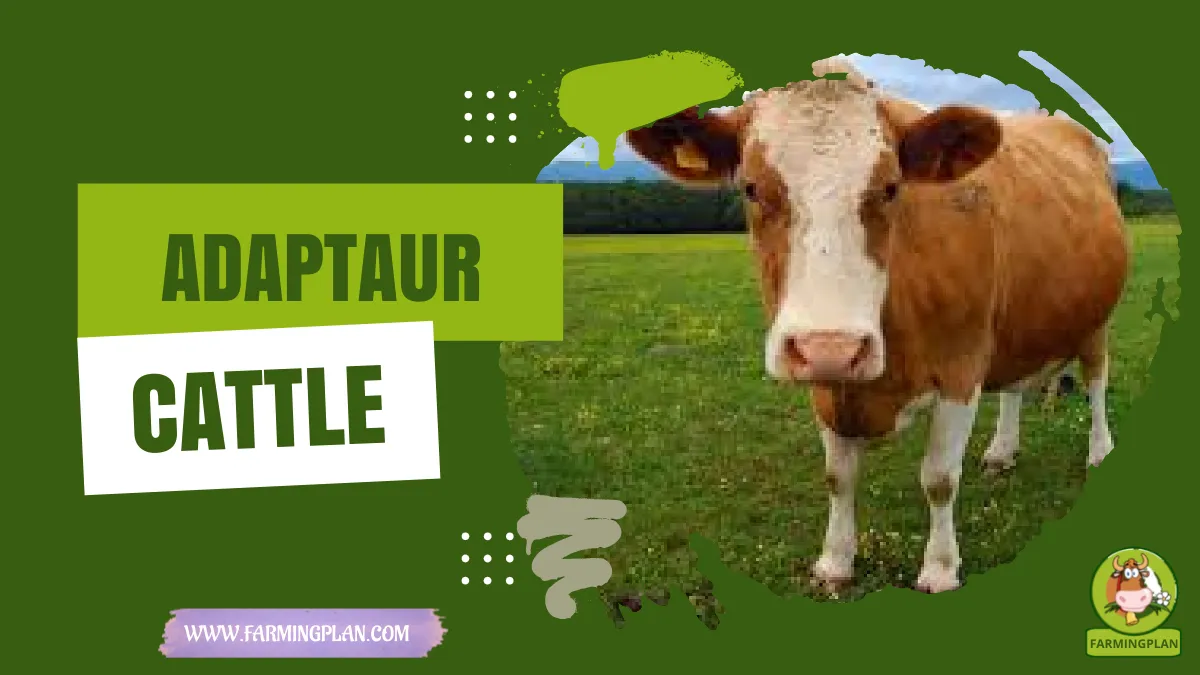
When you walk into a pasture filled with Adaptaur Cattle stock, you immediately notice their striking appearance. They display sleek, dark-red coats that reflect solar radiation with high efficiency. Their dark eye pigmentation shields them from bright glare and reduces eye diseases like pinkeye. These medium-framed cattle exhibit solid muscling without extreme heavy bone.
Their coat structure often carries the SLICK1 bovine mutation PRLR or similar tropical adaptation genes, allowing them to sweat effectively and maintain stable body temperatures during hot summers. They present a clean, functional conformation that supports long walking distances across native shortgrass prairie.
| Trait | Adaptaur Breed Standard |
| Coat Color | Slick dark-red with dark eye pigmentation |
| Species Type | Bos taurus (Adapted Composite) |
| Frame Score | Medium functional frame |
| Primary Strength | Tick resistance and heat tolerance |
| Meat Quality | Tender, high carcass merit |
Genetic Power and Carcass Merit
Genetically, this breed offers a rare package. They retain pure Bos taurus meat tenderness, fine protein marbling, and favorable carcass traits while matching the hardiness of tropical breeds. Breeders track Estimated Breeding Values to select for higher weaning weight, stronger growth rates, and superior carcass qualities.
Through marker assisted selection, modern producers monitor key markers like the Silver Gene, Myostatin Blocker gene, and genes controlling immune response and grooming behaviour. These genetic tools ensure that F1 progeny inherit hybrid vigor, low tick larvae counts, and exceptional feed conversion efficiency under tough seasonal nutrition conditions.
Nature & Temperament of Adaptaur Cattle
Handling livestock becomes much safer and more enjoyable when your herd possesses a calm temperament. I can tell you from personal experience that these Adaptaur Cattle inherit the quiet, manageable nature of their Hereford and Shorthorn ancestors. They move calmly through yards and respond well to gentle handling techniques.
Their steady temperament directly lowers animal stress levels during routine management. Low stress means better immune function, lower weight loss during transport, and improved pregnancy success during artificial insemination programs. Whether you use horseback herding, dogs, or ATV rounding, these animals adapt quickly without wild or aggressive behavior.
Suitability for Small and Large Operations
Because these animals show great patience and adaptability, they fit almost any farming scale. Commercial beef producers running thousands of acres love them because they forage peacefully without breaking fences. Smallholders and seedstock breeders appreciate their manageable size and easy handling. Their peaceful nature also extends to mothering habits. Cows show strong protective instincts toward young calves without becoming overly aggressive toward farm workers. They foster a stress-free farm environment, making daily checkups, ear tagging, and health monitoring simple and safe for everyone involved.
Food & Diet of Adaptaur Cattle
Feeding your herd properly requires an understanding of their natural grazing efficiency. These cattle excel at converting poor-quality forage into high-grade beef protein. They utilize native shortgrass prairie, tropical grasses, and dry summer pastures better than most traditional European strains.
During summer peaks, their high heat tolerance allows them to continue grazing during midday heat while other cattle hide in deep shade. This extra grazing time increases daily intake and drives higher weaning weights. They manage seasonal nutrition shifts smoothly, maintaining body condition score even when pasture quality drops during dry spells.
Nutritional Guidelines: Dos and Don’ts
- Do provide clean, fresh water sources across all pastures to support digestion and cooling.
- Do offer balanced mineral licks rich in phosphorus, salt, and trace minerals year-round.
- Do monitor pasture stocking rates to prevent overgrazing and maintain healthy root systems.
- Don’t rely on heavy grain feeding when high-quality roughage can achieve natural weight gains.
- Don’t starve pregnant cows during winter; maintain energy levels for strong calf development.
Usage & Purpose of Adaptaur Cattle
The main goal of raising these animals centers on producing top-quality beef for demanding markets. They yield excellent carcass merit with desirable muscle-to-bone ratios, tender texture, and clean fat cover. Meat processors value their consistent carcass traits and high dressing percentages. Unlike pure tropical breeds that sometimes produce tougher meat, this composite line maintains fine muscle fiber texture. Their meat appeals to premium commercial markets, butchers, and consumers who demand juicy, flavorful cuts.
Crossbreeding and Seedstock Value
Commercial producers frequently use these bulls in crossbreeding programs to introduce tropical adaptation without losing meat tenderness. Crossing them with Brahmans produces F1 progeny with immense hybrid vigor, extreme tick tolerance, and outstanding growth performance. Seedstock producers also utilize advanced reproductive management tools, including embryo transfer, fixed-time AI, and GnRH protocols. By using semen from elite strain performance animals, breeders spread valuable heat stress and parasite resistance genes rapidly across international herds.
“Wise Farmers Choose Adaptaur Cattle To Master Hot Climates And Protect Hard-Earned Beef Profits.”
Special Features of Adaptaur Cattle
One of the most remarkable features of this breed lies in its natural resistance to ticks and internal parasites. Their short, dense coat makes it hard for tick larvae to attach, while their active grooming behaviour physically removes pests. Their specialized immune response reduces pest survival rates significantly. This natural defense reduces the need for constant chemical dipping and drenching, saving you significant money on chemical treatments. It also protects your herd from tick-borne diseases, keeping your animals healthier with far less manual intervention.
Extreme Heat Tolerance and Adaptability
Heat stress can devastate Adaptaur Cattle reproduction and weight gain. These cattle maintain low vaginal temperature and stable metabolic rates even in extreme ambient temperatures. Their efficient sweating mechanism and light-reflecting coat give them a massive physical edge in tropical regions. They handle harsh weather shifts without dropping body weight or missing reproductive cycles. Whether facing humid coastal heat or dry inland sunshine, they continue to walk, graze, and nurse calves efficiently. This resilience makes them a vital genetic resource for modern warming climates.
Health Issues & Prevention of Adaptaur Cattle
While this breed shows incredible hardiness, good preventive care remains vital for long-term success. Warm climates present health risks like pinkeye, fly strike, internal parasites, and seasonal nutritional deficiencies. Monitoring your animals regularly prevents minor health issues from turning into herd-wide problems. Eye health requires careful observation, although their dark eye pigmentation provides strong natural protection against bright sunlight and dust irritation. Internal parasites can still affect young calves before their immune systems mature fully. Maintaining clean pastures and strategic health checks keeps young stock growing fast.
Preventive Care and Management Plan
- Vaccination Program: Administer essential vaccines for clostridial diseases, leptospirosis, and reproductive viruses before breeding seasons.
- Parasite Monitoring: Conduct regular fecal egg counts to target drenching only when parasite loads exceed safe thresholds.
- Pasture Management: Rotate pastures frequently to break internal parasite life cycles and prevent worm re-infestation.
- Water Sanitation: Clean stock troughs regularly to control bacteria growth and protect drinking water quality.
- Mineral Supplementation: Provide custom mineral mixes containing selenium, copper, and zinc to boost overall immune response.
Step-by-Step Farming Guide of Adaptaur Cattle
Managing a successful herd requires structured planning, proper infrastructure, and consistent daily care. I have built this comprehensive farming guide to walk you through every critical step of raising these wonderful animals, from initial pasture setup to advanced reproductive strategies. Follow these practical steps to build a profitable, low-stress beef operation.
Step 1: Farm Infrastructure and Pasture Setup
Setting up your farm properly creates the foundation for smooth operations. You need strong boundary fencing, clear internal paddocks, and robust handling yards. I recommend constructing shade structures or planting shade trees near watering points to give cattle extra comfort during peak summer days. Invest in a solid crush, head bail, and loading ramp designed for smooth cattle flow. Ensure your water system delivers clean water to every paddock with high-flow trough valves. Good lane systems make moving stock between pastures easy and stress-free for a single operator.
Step 2: Selecting and Purchasing Quality Stock
Selecting the right foundation animals decides your future farm profitability. Look for registered seedstock or high-quality commercial stock with proven Estimated Breeding Values for growth, fertility, and tick resistance. Inspect animals for slick coats, dark eye pigmentation, and good leg structure. Check the background history of the herd to confirm strong reproductive rates and clean health records. Quarantine new animals for at least thirty days before introducing them to your main herd. This practice prevents introducing unwanted pests or diseases to your established pasture groups.
Step 3: Daily Feeding and Pasture Management
Managing daily nutrition involves balancing pasture availability with supplemental feed when natural grass quality drops. Implement rotational grazing to give pastures adequate rest periods and promote deep root growth. This system increases total forage production per acre significantly. Provide high-quality free-choice mineral blocks containing salt, phosphorus, and trace elements. During dry seasons, feed high-protein supplements or hay to help rumen microbes break down tough, dry forage. Always monitor cow body condition scores to adjust feeding levels before mating seasons begin.
Step 4: Implementing Health and Pest Controls
Establishing a proactive herd health plan protects your investment against sudden disease outbreaks. Work with your local veterinarian to design a vaccination schedule tailored to your region’s specific health risks. Focus heavily on timing vaccinations before stress periods like weaning or breeding. Monitor cattle tick and fly levels weekly during warm months. Take advantage of the breed’s natural tick resistance by reducing chemical treatments, using spot treatments or dipping only when necessary. This practice preserves chemical efficacy and saves you considerable labor and money over time.
Step 5: Reproductive Management and Artificial Insemination
Maximizing reproductive rates drives farm income. Utilize structured breeding seasons lasting 60 to 90 days to keep your calf crop uniform. Combine estrus expression tracking with modern reproductive tools like CIDR insertion, GnRH, and estradiol benzoate treatments for fixed-time AI success. Collect pregnancy-associated glycoproteins or use ultrasound forty-five days after breeding to identify open cows quickly. Cull non-performing or infertile cows to maintain high cow efficiency across your herd. High pregnancy rates mean more uniform calves ready for market each year.
Step 6: Weaning, Marketing, and Record Keeping
Weaning calves at six to eight months of age gives young stock the best start while letting cows recover body condition before winter. Use low-stress yard weaning techniques, feeding high-quality hay and spending time walking quietly among calves to teach them calm behavior. Track weaning weight records, health history, and sire performance in a digital database. When marketing your cattle, highlight their high meat quality, strong yield, and heat tolerance to attract premium buyers. Accurate record keeping helps you refine selection decisions and grow farm profits year after year.
Read More: Armenian Honey Bee: Discover Exceptional Nectar Masters
Expert Tips & Best Practices of Adaptaur Cattle
Operational Excellence in the Field
- Select breeding stock based on proven Estimated Breeding Values for parasite resistance and fertility traits.
- Maintain clean, accessible water points in every pasture to maximize forage intake during hot weather.
- Implement low-stress stock handling methods to keep cattle calm and preserve high meat quality.
- Use fixed-time artificial insemination protocols to introduce elite genetics quickly into your commercial herd.
- Rotate pastures frequently to break parasite life cycles and maintain strong forage cover.
- Cull cows that show poor mothering skills or fail to rebreed within a strict 90-day window.
- Monitor body condition scores regularly, especially six weeks prior to calving and mating.
- Keep detailed digital records of all health treatments, birth dates, and weaning weights.
FAQs
What are the top 5 beef Cattle?
The top five beef cattle breeds worldwide generally include Angus, Hereford, Brahman, Simmental, and Charolais. Each breed offers distinct strengths in growth, meat quality, or heat tolerance.
What is the largest breed of cattle in Australia?
The Chianina breed is widely recognized as one of the largest cattle breeds present in Australia. These animals stand very tall and possess impressive muscular frames used mainly for crossbreeding.
Is Taurus a bull or a cow?
Bos taurus is the scientific classification for European cattle breeds, encompassing both bulls and cows. The term “Taurus” itself comes from Latin, meaning bull, but in biological terms, it refers to the entire species.
How do Adaptaur cattle resist ticks so well?
These cattle possess specialized immune responses, smooth coats, and active grooming habits that prevent tick larvae from attaching easily. This natural combination lowers overall parasite counts without heavy chemical dependency.
Can Adaptaur cattle handle cold winter weather?
Yes, these cattle adapt surprisingly well to cold temperatures despite their tropical strengths. They grow denser winter coats when moved to colder climates while retaining their superior heat tolerance for hot summers.
Conclusion
Investing in high-performing livestock represents the most reliable path toward long-term farm profitability. These remarkable animals give you the exact combination of heat tolerance, parasite resistance, and top-tier carcass quality needed to overcome tough climate challenges. By adopting this resilient breed, you lower your chemical input costs, boost pregnancy rates, and deliver tender beef that markets demand. Take the next big step in upgrading your farming operation today—connect with local seedstock breeders, explore performance genetic registries, and bring these incredible tropical beef converters onto your pastures! Discover how Adaptaur cattle boost farm performance with superior heat tolerance, tick resistance, and outstanding meat quality.