Abergele Cattle have gained attention among livestock keepers, researchers, and animal genetic resources experts because of their hardiness, disease resistance, and strong adaptation to difficult environments. I first learned about Abergele cattle while studying indigenous cattle systems connected with Ethiopia, African pastoralism, and transhumance livestock traditions. Farmers in regions such as Medebay-Zana, Asgede-Tsimbla, and Tahatay-Koraro value these animals for their survival ability, milk yield, and strength in smallholder farms. Many researchers compare Abergele cattle with the Arado cattle breed and other Zenga (Zebu-Sanga) breeds because they share features like a cervicothoracic hump, horned appearance, and impressive morphometric body measurements.
In this guide, I’ll explain Abergele cattle characteristics, feeding systems, dairy farming value, health care, farming methods, and livestock keeper perceptions gathered from fieldwork and on-farm characterization studies in North Ethiopia. I’ll also discuss genetic diversity, cross-breeding concerns, and how this indigenous cattle population fits into modern farming systems. Whether you’re a breeder, student, or livestock enthusiast, this detailed guide will help you understand why these cattle remain valuable today.
History & Origin
Abergele cattle come from the northern regions of Ethiopia, especially areas connected with Tigray and surrounding districts. Local communities raised these indigenous cattle for centuries under harsh environmental conditions. I’ve always admired how African pastoralism shaped breeds like this through survival rather than luxury. Farmers depended on these cattle for plowing, milk, meat, and transport long before modern machinery appeared.
Researchers studying on-farm characterisation in North Ethiopia often mention Abergele cattle alongside Irob cattle breeds and Arado cattle breed populations. These animals adapted naturally through generations of selective breeding. Livestock keepers preferred cattle with strong legs, good fertility, and reliable disease resistance. That practical selection process created the hardy breed we know today.
Read More: New Zealand Rabbit: A Lovable Powerhouse Of A Bunny
The Influence Of Transhumance And Traditional Farming
Transhumance played a huge role in shaping Abergele cattle. Families moved their livestock seasonally to find pasture and water. This movement improved the animals’ endurance and survival skills. I’ve spoken with farmers who still practice seasonal grazing systems, and they believe mobile grazing strengthens herd health. The ox-plow complex also influenced breeding choices. Farmers needed strong oxen capable of pulling plows over difficult land. Horned cattle with muscular shoulders and durable hooves became highly respected. Over time, the breed developed stable morphometric characteristics that researchers still study today.
Archaeological And Cultural Connections
Some researchers connect the cattle history of this region with ancient settlements such as Castell Cawr, Pen-y-Corddyn, Rhyd-y-Foel, and Dinorben. Archaeological dig records and Iron Age hoard discoveries show how cattle trading shaped old civilizations. Bronze horse bits, Roman cattle trading systems, and ancient mining post settlements reveal the importance of livestock across human history.
Historical records also discuss socio-political changes, panzootic cattle plague outbreaks, and the role of cattle during difficult periods in Ethiopia. These events affected genetic diversity and forced communities to rebuild herds carefully.
Characteristics
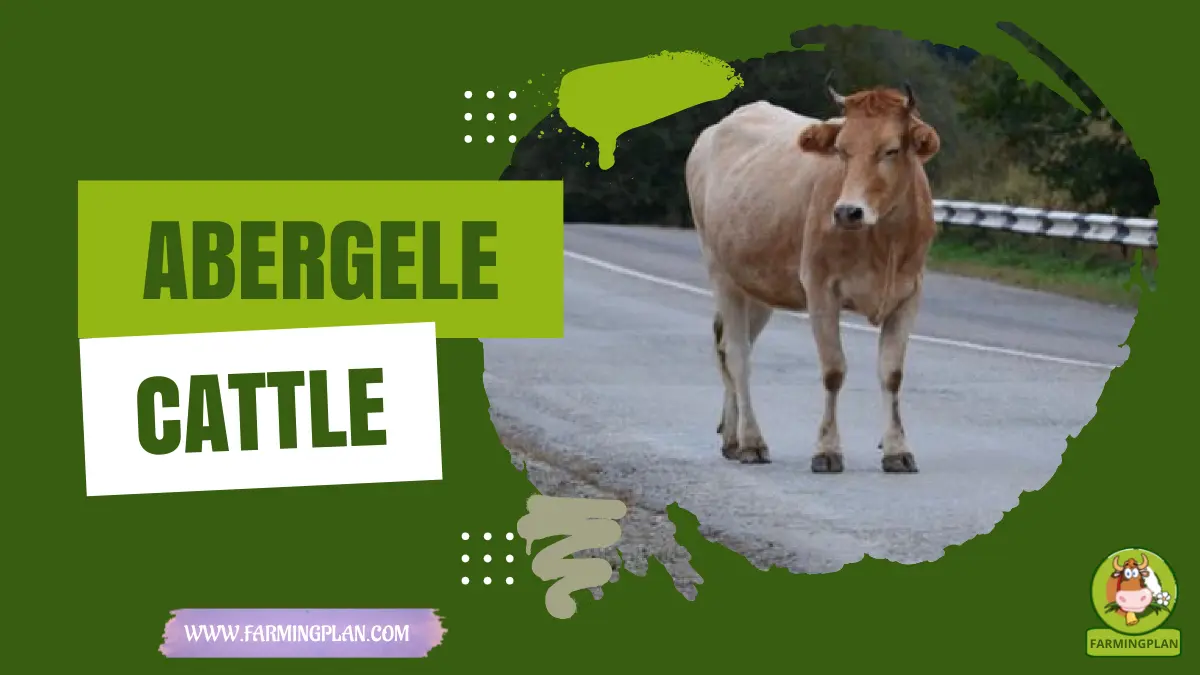
Abergele cattle show clear indigenous cattle features that help them survive hot climates and rough terrain. Most animals have medium-sized bodies with a strong bone structure and a visible cervicothoracic hump. Their horned appearance gives them a classic African cattle look that many farmers admire. Coat colour pattern varies widely. I’ve seen black, brown, red, white, and mixed patterns.
Some animals carry unique markings that make herd identification easier for traditional farmers. These variations also reflect the breed’s rich genetic diversity. Researchers measuring morphometric body measurements often focus on chest girth, body length, horn size, height at withers, and pelvic width. These body measurements help experts understand productivity and breeding quality.
Growth Performance And Weight
Abergele cattle weight depends heavily on feeding quality and management. Mature bulls usually grow larger than cows because farmers often select bulls for draft power and breeding strength. Under good feeding conditions, oxen develop solid muscle mass and impressive stamina. Compared with specialized dairy cattle breeds, Abergele cattle grow more slowly. Still, I believe their survival ability makes them valuable for low-input systems. They tolerate poor pasture better than many commercial cattle species name groups used in intensive dairy farming.
Adaptation And Survival Skills
One reason I respect this breed involves its environmental adaptation. Abergele cattle survive drought, heat, parasites, and limited feed better than many imported breeds. Farmers in North Ethiopia often rely on these animals because they continue producing even during difficult seasons. Their strong immunity and natural disease resistance reduce veterinary costs. This advantage matters greatly for smallholder farms with limited financial resources.
Nature & Temperament
Daily Behavior And Herd Personality
Abergele cattle usually show calm and manageable behavior when farmers handle them regularly. I’ve worked with several indigenous breeds, and I noticed that traditional handling methods create surprisingly cooperative animals. Young calves bond closely with herd members and learn grazing routes quickly. Bulls can become protective during breeding seasons, especially around unfamiliar people or animals. Farmers must train working oxen early to improve obedience and safety. Most experienced livestock keepers use gentle guidance rather than aggressive punishment.
Suitability For Smallholder Farms
Smallholder farms benefit greatly from the adaptable nature of Abergele cattle. These animals work well in mixed farming systems where families combine crop production and livestock raising. Oxen help with plowing, while cows provide milk and calves. I often recommend hardy indigenous breeds to beginner farmers because they tolerate management mistakes better than highly specialized dairy breeds. Abergele cattle fit this recommendation perfectly.
Intelligence And Social Structure
Abergele cattle understand herd routines very well. They follow grazing leaders naturally and recognize feeding schedules quickly. Farmers practicing traditional transhumance systems depend on this social intelligence during long seasonal migrations. The breed also responds well to consistent care. Animals raised with proper feeding, water access, and shade usually stay calmer and healthier.
Food & Diet
Natural Grazing Habits And Pasture Feeding
Abergele cattle thrive on natural grazing systems. In Ethiopia and surrounding regions, farmers often graze cattle on open pasturelands filled with native grasses and shrubs. I’ve noticed these animals use rough forage more efficiently than many commercial cattle breeds. During rainy seasons, fresh pasture provides most nutritional needs. Farmers allow herds to roam longer distances to access diverse plant species. This grazing behavior supports digestive health and improves overall condition.
Supplementary Feeding For Better Growth
Dry seasons create serious feeding challenges. I always tell farmers to prepare supplementary feed before pasture shortages begin. Hay, crop residues, wheat bran, maize stalks, and oilseed cakes help maintain body condition during difficult months. Pregnant cows and growing calves need extra nutrients for healthy development. Balanced feeding improves milk yield, fertility, puberty timing, and calving interval performance.
Recommended Feed Sources
- Native pasture grass
- Legume hay
- Crop residues
- Mineral supplements
- Clean drinking water
- Salt blocks
- Protein-rich feed during drought
Foods Farmers Should Avoid
Poor-quality moldy feed causes digestive problems and lowers immunity. I never allow cattle to consume spoiled grain, toxic weeds, or contaminated water. Sudden feed changes also stress the digestive system. Good feeding management remains one of the most important success factors in cattle farming.
“Strong cattle don’t come from easy land. Abergele cattle prove that resilience, smart breeding, and good care build the best herds.”
Usage & Purpose
Draft Power And Agricultural Work
Traditional farming communities rely heavily on Abergele cattle for agricultural labor. Oxen pull plows, transport goods, and support crop production systems. Their muscular structure and endurance make them excellent working animals. The ox-plow complex remains important in rural Ethiopia. Even today, many farmers prefer indigenous oxen because they handle rough terrain better than machinery.
Milk Production And Dairy Farming
Abergele cattle do not match specialized dairy cattle breeds in total production, but they still provide valuable milk for household use. Families depend on this milk for nutrition and local market income. Milk yield improves when farmers provide better nutrition and health care. Selective breeding programs also help improve productivity without losing environmental adaptation.
Meat Production And Breeding Value
Farmers also raise Abergele cattle for beef production. Bulls develop strong muscle under proper management. Their lean meat suits traditional markets well. Researchers studying animal genetic resources consider this breed valuable because of its unique genetic makeup. Cross-breeding programs sometimes use indigenous cattle to improve disease resistance and climate adaptation in commercial herds.
Special Features
One feature that stands out most involves disease resistance. Abergele cattle survive illnesses that often harm imported breeds. This strength lowers medical expenses and improves long-term sustainability. Researchers conducting questionnaire survey studies consistently report positive livestock keeper perceptions regarding herd health.
Strong Genetic Diversity
Genetic diversity protects breeds from extinction and environmental stress. Abergele cattle maintain important survival traits developed over centuries. Scientists studying admixture and cross-breeding often emphasize the need to protect these indigenous genetics. Loss of native breeds can weaken future livestock systems. That’s why conservation programs matter so much.
Adaptation To Harsh Conditions
Abergele cattle handle heat, long walking distances, poor-quality forage, and limited water remarkably well. Their survival ability supports farming communities in difficult climates. I believe this resilience makes them one of the most practical cattle breeds for low-input agriculture.
Health Issues & Prevention
Even hardy breeds face health challenges. Common diseases include tick-borne infections, respiratory illness, internal parasites, foot problems, and digestive disorders. Young calves remain especially vulnerable during rainy seasons. Historical records also mention devastating outbreaks such as panzootic cattle plague, which damaged cattle populations across Africa. Modern vaccination programs now reduce many epidemic threats.
Signs Farmers Should Watch Carefully
I always teach farmers to monitor behavior changes closely. Early disease detection saves lives and reduces treatment costs.
Warning Signs Include:
- Loss of appetite
- Nasal discharge
- Weakness
- Fever
- Weight loss
- Swollen joints
- Diarrhea
- Breathing difficulty
Prevention And Daily Health Care
Preventive care works far better than emergency treatment. Farmers should vaccinate animals regularly, provide clean water, and maintain dry sleeping areas. Parasite control also matters greatly. Tick management, deworming schedules, and proper sanitation improve herd performance significantly. Good nutrition strengthens immunity naturally. Healthy cattle resist infection more effectively and recover faster from stress.
Step-By-Step Farming Guide
When I started working with indigenous cattle systems, I quickly realized that success depends more on consistency than expensive equipment. Abergele cattle perform best when farmers respect their natural behavior, environmental adaptation, and nutritional needs. Many beginners make the mistake of copying intensive commercial dairy systems that don’t fit hardy local breeds.
I always encourage farmers to build a practical, low-stress management system first. These cattle thrive in organized but simple conditions. A farmer must focus on housing, feed planning, breeding management, disease prevention, and daily observation. Smallholder farms especially benefit from careful planning because limited resources require smart decisions.
Good cattle farming also depends on patience. Indigenous cattle usually mature more slowly than commercial breeds, but they reward careful owners with durability, fertility, and long productive lives. The following steps explain the exact system I recommend for raising healthy Abergele cattle.
Step 1 – Select Healthy Foundation Animals
The first step involves choosing healthy breeding stock from reliable farmers. I always inspect body condition, horn structure, hoof quality, coat colour pattern, and overall activity before buying cattle. Healthy animals show bright eyes, smooth movement, strong appetite, and balanced body measurements. Avoid cattle with breathing problems, swollen joints, or severe weight loss. Bulls should display strong muscular development and calm behavior.
I also encourage farmers to ask about family history. Animals from disease-resistant lines usually perform better long term. Some breeders now use on-farm characterization records and morphometric characteristics to improve selection accuracy. New farmers should start with small herd numbers. Managing a few healthy cattle works better than struggling with a large unhealthy herd.
Step 2 – Build Safe And Comfortable Housing
Proper housing protects cattle from weather stress, parasites, and injuries. Abergele cattle tolerate heat well, but they still need shade and dry resting areas. I recommend simple shelters with strong roofing, open ventilation, and raised flooring when possible. Good airflow reduces respiratory disease risk. Muddy housing areas create hoof problems and parasite growth.
Separate areas help improve management:
- Calf section
- Feeding space
- Watering point
- Sick animal isolation area
Farmers practicing transhumance systems may use temporary shelters during seasonal migration. Even simple protection improves herd health dramatically.
Clean the housing daily. I’ve seen huge improvements in herd condition when farmers maintain proper sanitation.
Step 3 – Develop A Strong Feeding Program
Feeding determines productivity more than almost any other factor. I plan feed supplies months before dry seasons arrive. Daily grazing supports natural behavior and reduces feeding costs. Farmers should rotate grazing areas when possible to protect pasture quality. Supplementary feeding becomes essential during drought periods.
Growing calves, pregnant cows, and working oxen require extra nutrition. Protein supplements improve growth, fertility, and milk production. Mineral blocks also support bone health and reproduction. Fresh water must remain available constantly. Dehydration reduces productivity quickly in hot climates. I always remind farmers that cheap poor-quality feed usually creates expensive health problems later.
Step 4 – Manage Breeding Carefully
Breeding management shapes future herd quality. Farmers should select bulls with strong body structure, calm temperament, and proven fertility. Avoid uncontrolled cross-breeding unless clear breeding goals exist. Excessive admixture sometimes weakens valuable indigenous traits like disease resistance and environmental adaptation.
Monitor puberty timing, heat cycles, and calving interval carefully. Good record keeping improves breeding success over time. Pregnant cows need calm environments and good nutrition. I also recommend close observation near calving periods to reduce calf mortality risks.
Step 5 – Practice Preventive Health Care
Preventive medicine protects herd investment. I create yearly vaccination schedules and parasite control plans for every farm I manage.
Farmers should:
- Vaccinate regularly
- Deworm calves and adults
- Control ticks
- Maintain clean water
- Quarantine new animals
- Monitor body condition weekly
Quick treatment prevents disease spread. I never ignore early symptoms because small problems often become large outbreaks. Strong management keeps Abergele cattle productive for many years.
Read More: Chinchilla Rabbit – The Ultimate Gentle Giant Breed
Expert Tips & Best Practices
Focus On Indigenous Strengths
I never try turning hardy indigenous cattle into intensive commercial dairy breeds. Their value comes from resilience, adaptability, and lower management costs.
Keep Detailed Records
Track:
- Birth dates
- Vaccinations
- Milk yield
- Body measurements
- Breeding history
- Disease treatment
Good records improve herd decisions greatly.
Protect Genetic Diversity
Avoid excessive cross-breeding. Indigenous animal genetic resources matter for future climate adaptation and sustainable farming.
Improve Pasture Management
Healthy pasture reduces feed costs naturally. Rotational grazing protects grass growth and lowers parasite exposure.
Work With Local Veterinary Experts
Local vets understand regional diseases and environmental conditions better than distant consultants.
Use Farmer Knowledge
Traditional livestock keeper perceptions often contain valuable practical wisdom. Experienced farmers understand seasonal behavior patterns very well.
FAQs
What Are Abergele Cattle Known For?
Abergele cattle are known for their disease resistance, endurance, and ability to survive harsh climates. Farmers value them for plowing, milk production, and low-cost management systems.
Where Do Abergele Cattle Originate?
This indigenous cattle breed mainly comes from North Ethiopia, especially areas connected with Tigray and districts such as Medebay-Zana and Asgede-Tsimbla.
Are Abergele Cattle Good For Dairy Farming?
They produce less milk than specialized dairy cattle breeds, but they perform well under low-input systems. Many smallholder farms prefer them because they tolerate difficult conditions better.
Why Is Genetic Diversity Important In Indigenous Cattle?
Genetic diversity protects breeds against climate stress, disease outbreaks, and environmental changes. Indigenous breeds often carry valuable survival traits lost in commercial lines.
Do Abergele Cattle Have Horns?
Yes, most Abergele cattle are naturally horned. Their horns form an important part of their traditional appearance and breed identity.
Conclusion
Abergele cattle continue proving their value through strength, adaptability, and survival ability in demanding environments. I believe these indigenous cattle represent far more than livestock because they carry centuries of farming knowledge, cultural history, and important genetic diversity. Their disease resistance, hardworking nature, and usefulness in smallholder farms make them extremely valuable for sustainable agriculture. As climate challenges grow worldwide, hardy breeds like Abergele cattle may become even more important for future food systems. Farmers, researchers, and livestock enthusiasts should support conservation, responsible breeding, and practical farming education to protect these remarkable animals. If you enjoyed this guide, share it with fellow farmers, breeders, and animal lovers, and feel free to leave your thoughts or farming experiences in the comments.