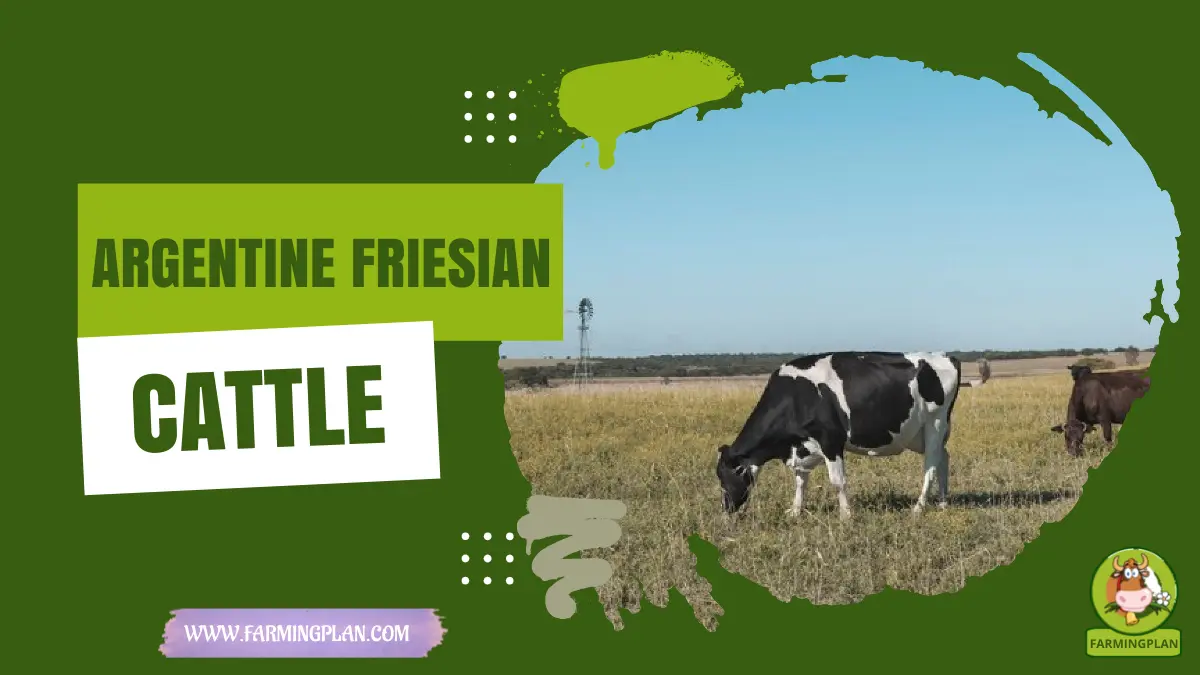
As a seasoned farming specialist, I love sharing my passion for Argentine Friesian cattle with fellow livestock enthusiasts. These remarkable animals, locally known as Holando-Argentino cows, represent a vital backbone of South American dairy farming. When I first stepped onto a sunny Tambo in Buenos Aires, their striking black-and-white patterns immediately caught my eye.
Farmers in Argentina rely heavily on this breed because it combines tough European genetics with incredible adaptability to local pastures. In this ultimate guide, I will share my hands-on experiences, practical tips, and deep knowledge to help you understand, raise, and care for these magnificent dairy producers. Discover how Argentine Friesian cattle boost dairy productivity with high milk yield, great fertility, and smooth grazing performance.
History and Origin of Argentine Friesian Cattle
The historical background of these cows traces back to Dutch Friesian cow lines imported into Argentina during the late nineteenth and early twentieth centuries. Argentine breeders carefully crossed these traditional Dutch animals with robust American Holstein cows to create a resilient local strain. Historical records show that political leaders like General Juan Manuel de Rosas and Juan Lavalle influenced early agricultural lands in regions such as Cañuelas. Over decades, local farmers refined the breed to thrive on massive open grazing lands rather than remaining locked in dark barns all day.
This selective breeding created a distinct animal tailored specifically to the unique climate and lush grasslands of Argentina. Government research bodies like INTA and research groups like CONICET have supported this development through extensive genetic research. They studied genomic inbreeding, runs of homozygosity, and single-nucleotide polymorphism to map out identity by descent and maintain genetic health. Through their dedicated efforts, this crossbreeding strategy produced an outstanding dairy cow capable of walking long distances while producing impressive quantities of rich, nutritious milk.
Read More: Rock Dove Pigeon: Best Friendly Pigeon
Characteristics of Argentine Friesian Cattle
When you look at this breed, you notice their tall, angular frame designed specifically for heavy milk production. Most animals display the classic black-and-white coat pattern, though you will occasionally spot a striking Red Friesian cow in certain herds. Their hide is loose and supple, which helps them stay cool during hot summer days on the open pampa. A mature female weighs around 600 kilograms, while a adult Holstein Friesian male easily tops 900 kilograms with broad shoulders and strong legs.
Their physical build reflects years of careful selection for efficient grazing and ease of calving. Their legs are strong, straight, and built to handle long daily walks between pasture fields and milking parlors. You will also notice their well-attached udder structure with clear, strong teats that make machine milking easy and efficient. Whether producing standard milk or special variants like A2 milk containing A2 beta casein, their milk quality remains consistently high across different pasture systems.
Nature and Farm Temperament of Argentine Friesian Cattle
I always tell new handlers that these cows are absolute sweethearts when you treat them with patience and steady respect. Their temperament is calm, curious, and very manageable, making them a joy to work with during early morning milking routines. They adapt quickly to human presence and respond well to gentle voice cues and routine handling practices. Even young farm hands can safely move a herd from pasture to parlor without causing unnecessary stress or panic.
However, you must always exercise proper caution when handling a mature intact male, often referred to as a MEJ or young intact male. While females and steers remain docile, bulls require firm, experienced handling and secure fencing setups at all times. Social dynamics within the herd remain peaceful, provided you give them adequate space and clean water troughs. Their relaxed personality helps keep stress levels low, which directly supports steady daily milk yields and better overall health.
Nutrition Rules and Feeding Guidelines of Argentine Friesian Cattle
Feeding your herd correctly requires a solid understanding of green pasture management and precise balanced dietary supplements. These cows thrive on high-quality grazing alfalfa combined with fresh grass mixtures across open pastures. To boost total milk output, many modern farms feed a balanced total mixed rations formula containing corn, silage, and protein meal. You must ensure they receive sufficient mineral mixes to avoid dangerous calcium drops right after calving season.
- Do: Provide constant access to clean, cool water because a dairy cow drinks up to 100 liters daily.
- Do: Rotate pastures regularly to maintain fresh, nutrient-rich alfalfa growth and control field parasites.
- Don’t: Offer moldy silage or spoiled grain mixes, as these cause severe digestive upsets like bloat or acidosis.
- Don’t: Sudden changes in their feed mix will shock their complex stomach and drop daily milk yield instantly.
Purpose and Agricultural Uses of Argentine Friesian Cattle
The primary purpose of raising these cows centers squarely on high-volume, premium quality commercial dairy production. Average Holstein cow milk per day ranges from 25 to 35 liters under proper management and steady nutrition plans. Farmers harvest this high-quality milk to craft world-famous treats like rich Dulce de Leche cooked in traditional copper pots. The milk contains vital casein proteins, whey protein, and ideal fat ratios needed for specialty cheeses and commercial dairy products.
Beyond fluid milk, these animals play a major role in the broader agricultural economy of Argentina and international trade. Older animals and select crossbreeds contribute to domestic meat markets, balancing local beef sales alongside famous regional exports. While factory farms rely on strict confinement systems, traditional pasture-based farms demonstrate how sustainable dairy production can flourish naturally. From commercial processing plants to small artisanal creameries, this breed delivers incredible financial value to hard-working farming families.
Special Features of Argentine Friesian Cattle
One unique feature of this breed is its incredible forage conversion efficiency under variable weather conditions. Researchers using the genomic relationship matrix have unlocked powerful genetic traits that boost disease resistance and overall longevity. Advanced genomic inbreeding coefficients help breeders manage heterosis while avoiding harmful autozygosity issues in smaller local herds. These genetic insights allow farmers to select superior semen doses that improve offspring quality year after year.
Another fascinating trait involves milk protein variations found within specific breeding lines across South America. Certain cows naturally express the A2 beta casein gene rather than A1 beta casein, producing easier-to-digest dairy products. This natural advantage opens new market opportunities for farmers selling specialized milk products to health-conscious consumers worldwide. Furthermore, their sturdy hooves handle wet muddy tracks far better than many other delicate high-yielding international dairy breeds.
Health Issues and Prevention of Argentine Friesian Cattle
Maintaining top herd health requires constant vigilance, early symptom recognition, and proactive preventive care routines on your farm. Mastitis remains the most common threat to dairy herds, showing as swollen udders, clotted milk, and sudden drops in production. Lameness from foot rot or hoof wear also affects grazing cows that walk long distances over hard ground daily. You must inspect hooves regularly, maintain clean walking paths, and use footbaths filled with protective zinc sulfate solutions.
Reproductive challenges like extended calving to first service interval can reduce overall farm profitability if left unmanaged. Metabolic conditions like milk fever and ketosis often strike right after calving when nutrient demands peak dramatically. You can prevent these issues by feeding proper mineral balances during the dry period before calving begins. Regular veterinary visits, strict vaccination schedules, and daily physical observations keep your animals healthy, active, and highly productive year after year.
“Investing In Exceptional Dairy Herds Always Yields Unmatched Long Term Farming Success.”
Step-by-Step Farming Guide of Argentine Friesian Cattle
Starting a successful commercial dairy operation with this breed requires careful planning, dedicated effort, and systematic daily care protocols. I have broken down the entire setup and management process into four detailed, easy-to-follow steps based on real field experience.
Step 1: Land Preparation and Infrastructure Setup
Setting up your farm requires dividing your pasture acreage into managed paddocks using durable electric fencing systems. Build a sturdy milking parlor equipped with clean concrete flooring, proper drainage channels, and high-quality vacuum milking systems. Ensure you construct shaded resting areas in every pasture paddock to protect your animals from harsh mid-day summer heat. Install large, automatic water troughs connected to a reliable fresh water source that never runs dry during peak seasons.
Plan your feed storage zones carefully by building dry, elevated sheds for hay bales and secure bunkers for total mixed rations. Proper sanitation near milking equipment prevents bacteria buildup and keeps your raw milk quality scores consistently high for buyers. Establish clean, dry calf pens equipped with soft straw bedding away from adult cow holding areas. Taking time to build strong, functional infrastructure during this initial setup phase saves hundreds of labor hours later on.
Step 2: Livestock Selection and Genetic Strategy
Select your founding herd by examining detailed phenotypic records, milk production logs, and proven family health histories. Work with certified breeding organizations to acquire high-grade semen doses from genetically tested bulls with low genomic inbreeding levels. Check for strong feet, straight top lines, well-attached udders, and healthy body condition scores during your initial animal inspections. Avoid purchasing animals with unknown origins or histories of chronic udder infections and foot problems.
Focus on maintaining high genetic diversity by utilizing advanced tools like genomic relationship matrix tracking to avoid close inbreeding. Introduce Red Friesian cow genetics or specialized A2 milk lines if your target market pays premiums for specialty dairy goods. Keep precise pedigree-based records for every calf born on your farm to track performance improvements over time. Investing in top-tier breeding stock early establishes a foundation for high milk yields and healthy future generations.
Step 3: Daily Feeding and Pasture Management
Implement a strict rotational grazing schedule that moves cows to fresh alfalfa pasture every one to two days. Offer balanced supplement rations twice daily in the milking parlor to supply extra energy, essential minerals, and proteins. Monitor pasture growth daily, ensuring cows graze fields down to four inches before moving them to the next paddock. During dry winter months, supplement their pasture diet with high-quality corn silage, grass hay, and balanced grain mixtures.
Always provide free-choice mineral blocks containing essential salt, calcium, phosphorus, and trace minerals near every water station. Watch your herd’s body condition scores closely, adjusting grain feeds for thin cows or reducing starch for overly fat animals. Fresh, clean water must always remain accessible within a short walking distance from any point in the pasture. Consistent, high-quality nutrition maintains smooth digestion, protects animal immunity, and keeps daily milk yield stable throughout the year.
Step 4: Milking Routines and Herd Healthcare
Establish a fixed twice-daily milking schedule, starting early in the morning and repeating twelve hours later every day. Dip teats with protective iodine sanitizer before and after applying automated milking units to eliminate harmful mastitis bacteria completely. Maintain strict cleanliness inside the parlor by washing rubber mats, stainless steel pipelines, and collection tanks after every single milking session. Store collected raw milk in rapid cooling tanks held at four degrees Celsius to preserve freshness and quality.
Execute a comprehensive preventive healthcare calendar that includes annual vaccinations against common regional diseases like brucellosis and leptospirosis. Schedule routine visits with your local veterinarian to check pregnancy statuses, examine fresh cows, and trim overgrown hooves safely. Maintain meticulous health logbooks tracking every treatment, medication dose, and milk withdrawal period to guarantee absolute food safety standards. Treating your herd with consistent, gentle care ensures long, productive, and happy lives for your valuable dairy cows.
Read More: Angeln Saddleback Pig Care and Breeding Guide
Expert Tips for Maximum Dairy Success for Argentine Friesian Cattle
- Monitor daily milk weights carefully to catch early signs of illness long before physical symptoms appear on cows.
- Provide generous shade cloth structures over holding yards to prevent heat stress during hot summer afternoon milking sessions.
- Keep detailed individual records tracking fertility traits, breeding dates, and historical calving to first service interval periods.
- Train your farm staff to handle cows quietly without loud shouting, hitting, or using aggressive electric cattle prods.
- Test your pasture soil annually to optimize fertilizer applications for richer, more nutrient-dense alfalfa and grass pastures.
- Keep calf housing areas dry, well-ventilated, and heavily bedded with fresh straw to prevent early respiratory issues.
FAQs
What is the average milk production for this dairy breed?
An average cow of this breed produces between 25 and 35 liters of fresh milk daily when provided with proper pasture and balanced feed rations. Exceptional animals receiving specialized dietary supplements can reach even higher daily outputs during peak lactation periods.
How does this breed handle hot summer climates?
These cattle adapt well to warm weather if they have access to plentiful shade, cool drinking water, and well-ventilated pastures. However, extreme heat without proper shade can reduce their daily feed intake and cause temporary drops in milk yields.
What is the difference between a Holstein and a Friesian cow?
Friesians generally possess a slightly smaller, stockier build with higher milk fat content, whereas Holsteins are taller animals bred for maximum raw milk volume. The Argentine strain thoughtfully combines both lines to create a resilient, high-yielding grazing cow.
Are these cows easy for beginner farmers to handle?
Yes, females of this breed feature a very gentle, calm, and curious nature that responds wonderfully to low-stress handling methods. Beginners can easily manage them provided they maintain clean facilities, clear daily routines, and proper feeding programs.
What are the main feed requirements for top milk production?
They require a nutrient-dense mix of high-quality grazing pastures like alfalfa, supplemented with grain rations, corn silage, and essential minerals. Continuous access to clean, fresh drinking water remains absolute vital for maintaining high daily milk production.
Conclusion
Raising Argentine Friesian cattle offers a rewarding and profitable journey for any dedicated livestock producer or dairy enthusiast. By combining Dutch durability with high-yielding Holstein traits, this unique breed delivers outstanding milk output on simple pasture grazing systems. Success comes down to providing clean facilities, balanced nutrition, low-stress handling, and proactive healthcare routines every day. If you want to transform your farm’s productivity, consider adding these gentle, hard-working dairy cows to your herd. Leave a comment below or share this article with your farming community to start your own high-yield dairy journey today! Take the first step today by connecting with local dairy associations, visiting established herds, or leaving a comment below to share your personal farming goals!