As a lifelong farming specialist, I love sharing my hands-on experience with waterfowl family Anatidae birds, especially the magnificent Grey Back Goose. This incredible bird, a close domestic relative of the wild Greylag goose (Anser anser), brings outstanding charm, utility, and personality to any farm yard or homestead. Whether you are curious about the wild Pink-footed goose, comparing a Greylag canada goose hybrid, or searching for the ultimate domestic utility bird, you will find immense joy in raising this species.
Today, I want to take you through everything you need to know about caring for these wonderful birds, from their rich ancestral origins in Western Europe to their everyday dietary needs and breeding habits. When it comes to raising poultry on a farm, incorporating the iconic Grey Back Goose into your homestead can bring incredible utility, natural pest control, and delightful personality to your daily routine.
History & Origin of Grey Back Goose
I remember the first time I added these majestic birds to my personal farm flock years ago. The story of the Grey Back goose connects deeply to the ancestral Greylag goose (Anser anser), which roosted across marshes, flooded gravel pits, and coastal islands from Western Europe to northerly breeding grounds. Historically, farmers bred these wild ancestral birds to create domestic heavy and medium goose varieties. Through generations of careful selective breeding, agricultural stewards developed piebald patterns like the Buff Back goose and the traditional saddleback pattern we adore today.
Throughout history, these hardy waterfowl served as brilliant guardians and dependable providers for rural homesteads. Native populations across European moorlands relied on these birds for high-quality meat, dense down feathers, and reliable egg production during springtime nesting seasons. As European settlers crossed the Atlantic, they brought these resilient utility birds to North America. Today, dedicated poultry experts, datasets from organizations like the NBN Atlas, and birdlife.org enthusiasts preserve these historic genetic lines. Watching these birds splash in a pond instantly connects us to centuries of rich agricultural heritage and wild ancestral traditions.
Characteristics of Grey Back Goose
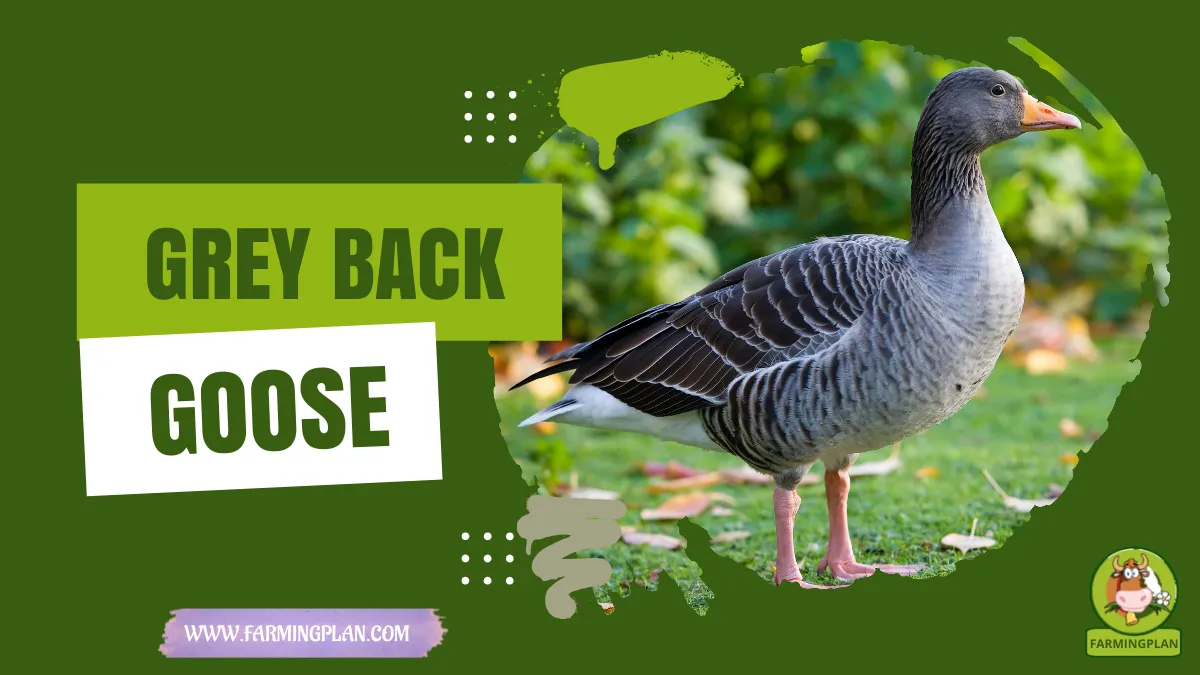
When you walk into my poultry yard, the striking appearance of these birds immediately captures your attention. A prime adult specimen features a stout body, broad shoulders, and lovely feather ridges along a strong, muscular neck. Their distinct plumage showcases a brilliant white chest and belly, contrasted sharply by smooth grey feathers across their back and shoulders. You will notice their large, prominent orange beak and vibrant pink legs, traits directly passed down from their wild ancestors like the Tundra Bean Goose and Greylag species.
In my experience, sexing these birds becomes easier as they mature into adults. A Greylag goose male usually stands noticeably taller, exhibits a bolder posture, and utters a higher-pitched honk than a Greylag goose female. Juveniles start with muted, brownish-grey tones that transform into crisp, defined markings after their first major molt. While they share visual similarities with species like the Canada Goose, White-fronted Goose, or Pomeranian goose, their calm demeanor and unique color pattern make them truly stand out in any flock.
Read More: Franconian Goose: Complete Care Guide
Nature/Temperament of Grey Back Goose
People often ask me if geese are naturally aggressive, and I always answer with a smile. In my daily routine with these birds, I find them incredibly loyal, highly intelligent, and deeply devoted to their family units. They form strong bonds with human handlers when raised with gentle handling and steady affection from a young age. While a protective gander will stand his ground against potential predators during the spring breeding season, general daily interaction with these birds is relaxed and pleasant.
Their alert nature makes them world-class watch animals for small acreage owners. They quickly spot unusual activity near the barn and sound a loud alarm before domestic dogs or auto-mowers even register a movement. They display remarkable curiosity around farm equipment, love splashing near a fresh water outlet, and enjoy grazing alongside other poultry breeds like Pekin ducks or Indian Runners. If you treat them with patience, these birds will greet you at the farm gate every single morning.
Food & Diet of Grey Back Goose
Feeding your flock properly forms the foundation of successful poultry management. In my daily feeding routine, I rely heavily on high-quality pasture because these birds are natural lawnmowers and efficient grazers. Their natural diet consists primarily of sweet field grasses, clover, plant roots, tubers, and aquatic vegetation like pondweed. Providing access to clean, chemical-free grazing areas reduces your commercial feed bills significantly while keeping your flock active and happy.
During winter months or dry summer spells, I supplement their pasture diet with balanced commercial waterfowl pellets. Always ensure your birds have access to coarse insoluble grit, which helps their gizzard break down tough plant fibers efficiently. Never feed your birds moldy grains, processed bread, or sugary human snacks, as these items cause severe digestive impaction and wing deformities. Fresh, clean water must remain available near their feed troughs at all times so they can flush their nostrils and moisten dry food.
Usage/Purpose of Grey Back Goose
As a practical farm specialist, I value animals that offer multiple benefits to a rural property. These birds excel as multi-purpose livestock, providing high-value utility across various farm operations. Smallholders raise them for delicious gourmet eggs, lean grass-fed meat, and premium down feathers used in high-end textiles. Their relentless appetite for weeds makes them fantastic biological weeders for orchards, berry patches, and large agricultural plots.
beyond practical farm yields, these birds offer excellent aesthetic value and weed control around ponds and farm reservoirs. Their active grazing keeps grass neatly trimmed, saving you fuel and time on manual lawn care. Many poultry enthusiasts exhibit them at regional agricultural shows, where judges evaluate their symmetrical markings, vibrant beak color, and strong posture. Whether you operate a commercial farm or manage a small hobby homestead, these birds deliver incredible return on investment.
Special Features of Grey Back Goose
One of my favorite aspects of this breed is their incredible physical resilience. Ancestral traits inherited from wild northern waterfowl species equip them with heavy, water-repellent feather layers and thick down coats. They thrive easily during harsh winter snowstorms and freezing temperatures that send other farm animals running into insulated barns. Their robust immune systems rarely fall prey to common poultry ailments when provided with clean water and proper nutrition.
Another remarkable special feature is their long functional lifespan and extended reproductive window. While domestic chickens often slow down egg production after two or three years, a healthy goose continues laying fertile eggs and raising clutches for over a decade. Their powerful wings and keen eyesight allow them to spot aerial threats early, protecting smaller yard birds like Mallard ducks from airborne predators. Their instinctual family loyalty ensures that adult birds work together to protect juveniles throughout the entire growing season.
Health Issues & Prevention of Grey Back Goose
Maintaining a healthy flock requires proactive farm management and clean housing habits. Fortunately, these hardy birds suffer from very few health problems when kept in sanitary conditions. However, wet bedding, overcrowded pens, or stagnant water sources can introduce parasite problems, internal worms, or foot issues like bumblefoot. I inspect my flock weekly, checking their pink legs, clear eyes, and feather density to catch any subtle signs of illness early.
To prevent common respiratory problems and bacterial infections, ensure your coops feature excellent ventilation without cold draughts. Provide deep, dry straw bedding and clean out wet spots around waterers every morning. Maintain a shallow bathing pool or clean water tank so the birds can fully submerge their heads to clean their eyes and nostrils. Vaccinate against regional poultry diseases if recommended by your local veterinarian, and keep wild waterfowl away from your main feeding areas to limit disease transmission.
Every Great Farmer Knows That Raising Geese Brings Pure Happiness To The Farm.
Step-by-Step Farming Guide for Grey Back Goose
Raising a healthy flock requires a systematic approach from initial housing preparation to daily pasture management. I built this step-by-step guide based on years of successful breeding experience to help you establish a thriving homestead flock. This magnificent bird, deeply rooted in the heritage of the wild Greylag goose (Anser anser), stands out with its striking white chest, smooth grey saddleback markings, prominent orange beak, and vibrant pink legs. Whether you are expanding a small hobby flock, managing pasture weeds along pond borders, or seeking a resilient utility bird that thrives on fresh clover and pasture grass, the Grey Back Goose delivers exceptional value across every season.
Step 1: Build a Secure and Draft-Free Shelter
Your shelter construction forms the foundation of safety for your birds. Design a secure predator-proof coop or barn section that provides at least six square feet of floor space per adult bird. Use heavy-gauge hardware cloth over all windows and vents to lock out raccoons, foxes, and neighborhood dogs. Cover the floor with thick wooden shavings or clean wheat straw to absorb moisture and preserve foot health.
Ensure the building sits on high, well-drained ground to prevent muddy floors during spring rains. Geese generate significant moisture from their dropping and splashing, so install high wall vents to maintain continuous airflow without creating direct cold drafts on sleeping birds. A sturdy, latching wooden door gives you peace of mind when locking up your flock each night.
Step 2: Install Safe Fencing and Open Water Access
Fencing keeps your birds safely contained while keeping hungry terrestrial predators outside your property boundary. Construct a boundary fence at least four feet high using durable woven wire or heavy electric netting around your pasture perimeter. Ensure the bottom fence line sits flush against the soil surface to stop digging animals from making entry.
Water access remains absolutely essential for proper feather cleaning, preening, and nostril flushing. Install a rubber livestock trough, a heavy plastic kiddie pool, or a natural pond within your pasture run. Dump and scrub artificial water containers daily to eliminate algae growth and bacterial accumulation. Place heavy gravel around the pool edge to keep the surrounding ground from turning into a thick mud pit.
Step 3: Master Gosling Brooding and Early Care
Brooding young goslings demand consistent warmth, clean dry bedding, and balanced non-medicated starter feeds. Keep day-old goslings under a ceramic heat emitter or infrared lamp set to ninety degrees Fahrenheit for their initial week. Reduce the brooder temperature by five degrees every week until the young birds grow out their adult insulating feathers.
Feed your growing goslings an eighteen percent protein non-medicated starter mash for the first three weeks of life. Never use chick feeds containing coccidiostats, as goslings consume high feed volumes and can suffer toxic overdoses. Provide clean, shallow drinking water near their feed dish, ensuring the water container prevents full body submersion during their early downy stage.
Step 4: Execute Strategic Pasture Rotation
Managing pasture health through rotational grazing keeps your forage rich, green, and nutritious month after month. Divide your total grazing area into two or three distinct paddocks using temporary electric fencing or moveable gates. Move your flock to a fresh pasture section every two weeks to give grazed grass sufficient time to regrow and recover.
Rotational grazing minimizes parasite build-up in the soil and prevents soil erosion around high-traffic zones. Inspect paddocks regularly to remove toxic plants like nightshade, wilted cherry leaves, or hemlock. Mow over mature pasture grass periodically to encourage fresh, tender green shoots that geese love to consume. With their alert sentinel nature acting as a natural farm alarm against predators, long productive lifespans, and loyal family bonds, these birds quickly become an indispensable part of any agricultural property.
Step 5: Manage Nesting and Spring Breeding Operations
Springtime signals the beginning of breeding season, demanding clean, private nesting spaces inside your main barn. Construct large wooden nest boxes measuring two feet by two feet, bedding them deeply with fresh, dry straw. Female geese prefer quiet corners away from main farm pathways where they can lay their eggs undisturbed. Providing them with clean drinking water, secure overnight sheltering, and adequate grazing space ensures that your Grey Back Goose flock remains healthy, active, and deeply rewarding for many years to come.
Maintain a ratio of one healthy gander for every three or four breeding females to ensure maximum egg fertility. Collect hatching eggs daily if you plan to use an artificial incubator, or allow brood females to sit on their natural clutch of eight to twelve eggs. Keep fresh water and high-protein feed within short walking distance of sitting brooders so they maintain body weight during incubation.
Read More: Bizet Sheep Guide: Amazing Heritage Breed
Expert Tips & Best Practices for Grey Back Goose
- Set up shallow bathing tubs near grazing paddocks to promote natural feather oiling and preening habits.
- Add raw apple cider vinegar to drinking water twice weekly to support healthy gut digestion and ward off internal parasites.
- Handle young goslings daily with gentle lifting techniques to build long-term trust and calm adult temperaments.
- Place coarse limestone grit in separate mineral hoppers so laying females consume extra calcium on demand.
- Install solar night lights around barn exteriors to deter nocturnal predators like coyotes and night owls.
- Avoid overfeeding dry grain pellets during hot summer afternoons to prevent digestive impaction and heat stress.
- Mow pasture strips short near fence boundaries to help your birds easily hunt for tasty insects and grubs.
FAQs
How long do domestic geese live on a farm?
Domestic geese live between fifteen and twenty years when provided with proper nutrition, clean water, and predator protection. Some well-cared-for farm birds even reach twenty-five years of age. Their impressive longevity makes them long-term companions and productive livestock for your homestead.
Do geese need a deep pond to breed successfully?
While geese enjoy swimming in deep water, they do not strictly require a natural pond to mate successfully. A simple heavy-duty rubber tub or shallow kiddie pool provides enough water depth for proper mating displays and cleaning. Clean water access keeps your flock happy and fertile throughout the spring season.
How many eggs does a Grey Back Goose lay per year?
A healthy female lays between twenty and fifty large white eggs each year, depending on her breed and dietary intake. Laying occurs primarily during the spring months from February through May. These eggs work fantastically for baking or hatching fresh spring goslings.
Are geese noisy animals to keep near homes?
Geese communicate through honks and calls, making them louder than average farm chickens or quiet ducks. They sound clear alarms when strangers, predators, or delivery trucks approach your yard perimeter. Proper housing placement away from close bedroom windows keeps noise levels completely manageable.
Can geese live safely alongside chickens and ducks?
Yes, geese live peacefully alongside chickens and ducks when provided with sufficient barn space and pasture acreage. You should establish separate feed and water stations to prevent larger geese from bossing smaller poultry away from food. Their vigilant presence actually helps protect smaller flock members from neighborhood predators.
Conclusion
Bringing the majestic Grey Back Goose onto your farm will completely transform your agricultural experience for the better. My years of working alongside these loyal, intelligent, and useful waterfowl have proven that their incredible grazing abilities, natural sentinel watch instincts, and low-maintenance care habits make them an absolute treasure for any property owner. Whether you want natural weed control, fresh spring eggs, or friendly barnyard companions, these marvelous birds deliver lifetime rewards. Take the leap today, set up your pasture pens, and discover the unmatched joy of raising your very own homestead flock! Share your personal goose stories with me in the comments below!