
Delaware Chicken has earned a special place on my farm because it combines excellent egg production, quality meat production, and a calm temperament in one package. As a farming specialist, I often recommend this dual-purpose poultry breed to backyard flock owners, hobby breeders, and commercial poultry enthusiasts. Developed in the United States, this American breed offers practical value while preserving an important part of poultry history.
Whether you want Delaware chicken eggs, Delaware chicken meat, or a dependable bird for a free range system, this breed delivers impressive results. Delaware hens produce attractive brown eggs, while males grow quickly enough for family meat production. Throughout this guide, I’ll share my experience with Delaware chicken characteristics, breeding practices, feeding programs, health management, and step-by-step care methods that help farmers raise strong and productive birds.
History & Origin
The history of this heritage breed begins in the Delmarva Peninsula region, an area covering parts of Delaware, Maryland, and Virginia. During the 1940s, poultry breeders sought a bird that could excel in both egg production and meat production. Breeders crossed New Hampshire hens with Barred Plymouth Rock males to create a fast-growing bird with desirable carcass qualities.
The New Hampshire Cross That Changed Poultry
The original New Hampshire cross produced offspring with unique feather coloring and excellent growth rates. Breeders carefully selected birds displaying white plumage with black barring on the hackles and tail feathers. This selective breeding process eventually established the Delaware breed as a distinct variety. The breed gained recognition from the American Poultry Association and entered the Standard of Perfection in 1952. During the early years of the broiler industry, many producers used Delaware birds because they matured quickly and produced attractive market birds.
From Industry Favorite To Conservation Breed
As Cornish-Rock and other specialized broiler chickens became dominant, Delaware populations declined significantly. Large poultry companies shifted toward faster-growing hybrids, reducing demand for traditional breeds.
Today, the breed enjoys renewed popularity among small farms and backyard poultry enthusiasts. The Livestock Conservancy recognizes Delaware chickens as an important heritage breed deserving preservation. Their conservation status highlights the need to maintain strong genetics and encourage responsible breeding programs.
Read More: Arado Cattle: Remarkable Ethiopian Breed Guide
Characteristics
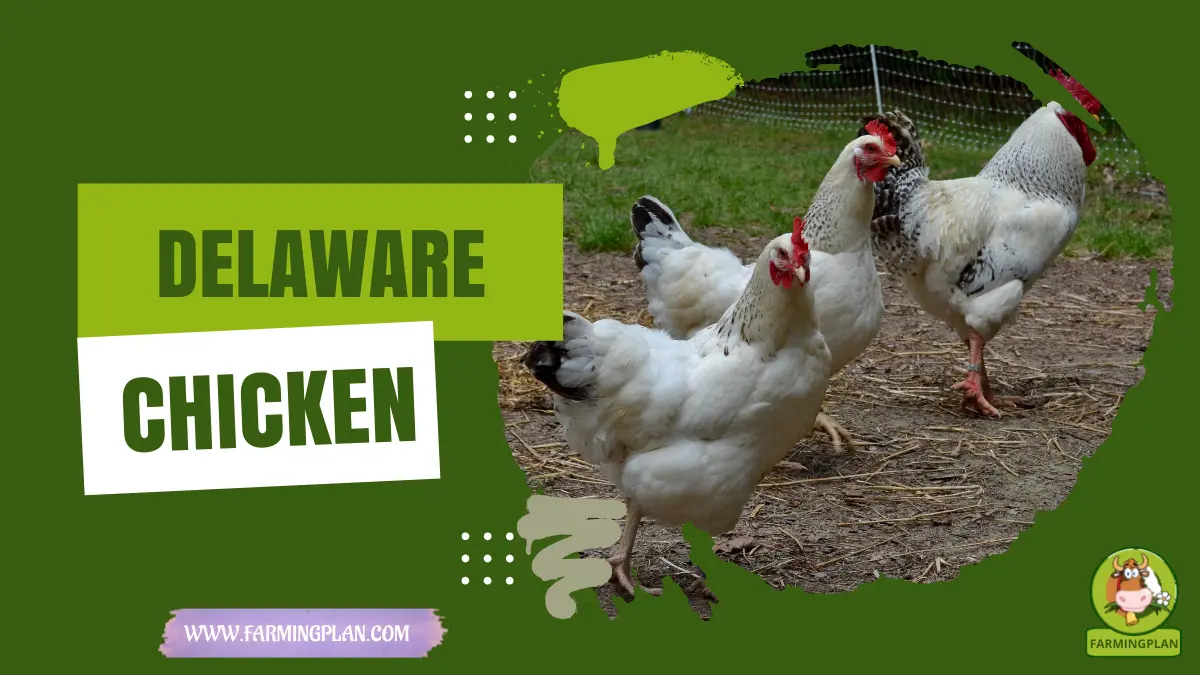
One of the most recognizable Delaware chicken characteristics is its beautiful plumage. The body appears bright white, while the neck hackles and tail feathers display striking black barring. This feathering pattern creates an elegant appearance that attracts poultry enthusiasts and exhibition breeders. The breed features a single comb, red wattles, red earlobes, and yellow skin. The legs typically display a bright yellow color, contributing to their attractive market appearance.
Size, Growth, And Body Structure
Delaware chickens classify as a heavy dual-purpose poultry breed. Mature males often weigh between 8 and 9 pounds, while Delaware hens generally reach 6 to 7 pounds. Their broad bodies, deep breasts, and strong keel structure support efficient meat production. Many poultry farmers appreciate their rapid feathering and relatively fast growth rates. Before modern broiler production took over, many farmers considered Delaware birds among the best choices for family meat production.
Egg Production And Performance
Delaware chicken egg production remains one of the breed’s strongest qualities. Healthy hens often produce 200 to 280 brown eggs annually when they receive proper nutrition and management. The eggs feature medium to large size with attractive shell color. Many backyard flock owners choose Delaware hens because they balance dependable laying performance with quality meat traits. This versatility explains why the breed remains a popular farming utility bird today.
Nature & Temperament
In my experience, Delaware chickens rank among the friendliest breeds available. They adapt quickly to human interaction and usually tolerate handling better than many active breeds. This gentle personality makes them ideal for beginner poultry keepers and families with children. Their calm behavior also reduces stress during routine flock management.
Great For Free Range Systems
Delaware birds enjoy exploring pastures, gardens, and open spaces. They perform exceptionally well in free range environments where they can search for insects, seeds, and vegetation. Their active foraging habits help reduce feed costs while improving overall bird fitness. I often see them covering large areas of pasture during the day before returning to the coop at night.
Suitable For Mixed Flocks
Most Delaware hens interact peacefully with other breeds. Their balanced temperament allows them to fit comfortably into mixed backyard flocks. While males can become protective during breeding season, they rarely display excessive aggression when farmers manage them properly. Their adaptable nature contributes greatly to their popularity among poultry enthusiasts.
Food & Diet
Healthy growth begins with high-quality chick starter feed containing adequate protein. I typically provide starter feed with 20–22% protein during the first several weeks. Fresh water remains equally important. Young chicks need clean water available at all times to support healthy development and strong immune function.
Growing And Adult Feed Requirements
As birds mature, I transition them to grower feed and eventually layer feed for laying hens. Layer feed supplies the calcium necessary for strong brown eggs and consistent egg production. Supplementing with grains, vegetables, and pasture forage can improve flock health. However, balanced commercial feed should remain the foundation of the diet.
Foods To Offer And Foods To Avoid
Good treats include:
- Leafy greens
- Pumpkin
- Corn in moderation
- Mealworms
- Fruits
- Garden vegetables
Avoid feeding:
- Moldy feed
- Excess salt
- Chocolate
- Raw beans
- Spoiled food
Balanced nutrition supports feather quality, fertility, growth, and long-term productivity.
Usage & Purpose
The Delaware remains one of the finest dual-purpose birds available today. Farmers can raise hens for eggs while also utilizing males for meat production. This flexibility makes the breed highly practical for homesteads and small farms seeking self-sufficiency.
Valuable For Sustainable Agriculture
Many sustainable chicken farms prefer heritage breeds because they support genetic diversity and long-term resilience. Delaware birds fit naturally into free range and cage-free settings. Farm families often appreciate their ability to convert feed efficiently while producing quality products for local markets.
Importance In Poultry Heritage
The breed represents an important chapter in the development of Delmarva’s chicken industry. Organizations such as the Delmarva Chicken Association continue promoting education and awareness surrounding the poultry industry and its history. Many breeders maintain Delaware lines specifically to preserve valuable genetics and support conservation efforts.
Special Features
One fascinating feature involves sex-linked offspring possibilities in certain breeding programs. Experienced breeders can use color genetics to improve flock management and selection strategies. The breed also contributes valuable traits including rapid feathering, growth efficiency, and strong reproductive performance.
Attractive Carcass Quality
Before specialized broiler production dominated the market, Delaware birds gained recognition for producing a clean and attractive carcass. Their yellow skin and broad breast structure appealed to consumers. Many modern homesteaders still prefer Delaware chicken meat because of its flavor and texture.
Conservation Value
The Livestock Conservancy Program recognizes the importance of preserving this breed. Maintaining healthy breeding populations helps protect valuable poultry genetics for future generations. Every breeder who raises Delaware chickens contributes to conservation efforts and agricultural biodiversity.
Health Issues & Prevention
Common Poultry Diseases
Like other poultry breeds, Delaware chickens can encounter several health challenges. Common concerns include:
- Infectious Coryza
- Infectious laryngotracheitis
- Internal parasites
- External parasites
- Respiratory infections
Early detection significantly improves treatment success.
Avian Influenza Awareness
Modern poultry farmers must remain alert for avian influenza outbreaks. The H5N1 avian influenza virus continues to concern poultry producers worldwide. Wild waterfowl and migratory birds often serve as transmission sources. Scientists monitor virus strains through organizations such as the National Veterinary Services Laboratory and the U.S. Department of Agriculture. The virus contains hemagglutinin and neuraminidase proteins that help experts classify influenza strains.
Biosecurity And Prevention
Strong biosecurity practices protect flock health:
- Restrict visitor access
- Quarantine new birds
- Sanitize equipment
- Control rodents
- Prevent wild bird contact
- Monitor symptoms daily
Farmers should immediately contact veterinary medicine professionals or the Delaware Department of Agriculture when unusual illness appears.
Step-By-Step Farming Guide
When I help new poultry keepers start a Delaware flock, I focus on simple management principles that deliver reliable results. Success begins long before chicks arrive. Farmers need proper housing, feed, water systems, biosecurity measures, and a realistic daily care routine. Delaware chickens reward consistent management with excellent egg production, strong growth, and long-term flock health.
Complete Beginner-Friendly Management Plan
This step-by-step guide reflects methods I use on my own farm. Each step builds upon the previous one and helps reduce common mistakes that often cause poor performance. Following these steps carefully can help beginners and experienced poultry keepers raise healthy birds while preserving this important heritage breed.
Step 1: Purchase Healthy Chicks Or Hatching Eggs
I always start with quality stock from a reputable hatchery or breeder. Review hatch dates carefully and inspect chicks for bright eyes, active movement, and clean vents. If using hatching eggs, maintain proper incubation conditions inside a reliable incubator. Monitor temperature and humidity carefully throughout incubation. Consistent management improves hatch rates and chick quality.
Step 2: Prepare A Safe Brooder Environment
Before chicks arrive, set up a warm brooder with bedding, feeders, and waterers. Keep temperatures appropriate for chick age and reduce heat gradually each week. Observe chick behavior daily. Chicks huddling together often indicate cold conditions, while birds moving away from the heat source may signal excessive temperatures.
Step 3: Build Proper Housing
Provide a secure coop with adequate ventilation and predator protection. Allow sufficient floor space and roosting areas. A clean environment reduces disease risks and improves flock comfort. Good airflow prevents moisture buildup and respiratory problems.
Step 4: Establish Feeding And Watering Routines
Supply balanced feed according to bird age. Keep fresh water available continuously. Clean feeders and waterers regularly. Consistent nutrition supports healthy growth, egg production, and breeding performance.
Step 5: Implement Biosecurity Practices
Create a quarantine area for new birds. Limit unnecessary visitors and sanitize footwear when entering poultry areas. Strong biosecurity reduces risks from avian influenza, parasites, and other infectious diseases.
Step 6: Manage Free Range Access
Allow birds access to pasture when conditions permit. Rotating grazing areas improves forage availability and reduces parasite pressure. Free range systems encourage natural behavior and help lower feed costs.
Step 7: Monitor Breeding And Egg Production
Select breeding birds based on health, temperament, productivity, and breed standards. Record egg production and fertility rates. Maintaining strong genetics helps preserve Delaware chicken quality and supports long-term conservation goals.
Step 8: Conduct Routine Health Checks
Inspect birds weekly for weight loss, feather damage, respiratory signs, and parasite activity. Early intervention prevents minor issues from becoming major flock problems. Work with poultry veterinarians whenever concerns arise.
Read More: Bee Colony Secrets: Amazing Facts Every Beekeeper Should Know
Expert Tips & Best Practices For Long
Over the years, I’ve learned several practical strategies that improve results with Delaware chickens.
Key Best Practices
- Buy breeding stock from reputable hatcheries.
- Keep detailed breeding records.
- Rotate pasture areas regularly.
- Practice strict quarantine procedures.
- Provide shade during hot weather.
- Offer oyster shell for laying hens.
- Collect eggs frequently.
- Maintain clean nesting boxes.
- Protect birds from predators.
- Test water quality regularly.
- Select breeders based on productivity and temperament.
- Participate in conservation breeding efforts.
- Join poultry clubs and educational programs.
- Stay informed about avian influenza updates.
- Work with poultry health professionals when necessary.
Healthy Birds Grow From Consistent Care, Not Expensive Equipment. Focus On Daily Management And Small Improvements Every Day.
FAQs
Are Delaware chickens good egg layers?
Yes. Delaware hens typically produce 200 to 280 brown eggs per year. Their reliable laying ability makes them popular among backyard flock owners.
Is Delaware chicken good for meat production?
Yes. The breed developed specifically as a dual-purpose bird. Males grow efficiently and provide excellent meat quality.
Are Delaware chickens friendly?
Most Delaware chickens display calm and friendly personalities. They usually adapt well to families, beginners, and mixed flocks.
Are Delaware chickens rare?
The breed remains less common than commercial hybrids. Conservation organizations encourage responsible breeding to help preserve the population.
Where can I find Delaware chickens for sale?
You can purchase birds from specialty hatcheries, heritage poultry breeders, poultry exhibitions, and local farm networks. Always choose reputable sources that maintain healthy breeding stock.
Conclusion
Delaware Chicken continues to impress farmers, breeders, and backyard flock owners with its combination of brown egg production, quality meat, friendly temperament, and historical importance. From its roots on the Delmarva Peninsula to its role in modern sustainable farming, this remarkable dual-purpose poultry breed offers practical value and conservation significance. I believe Delaware chickens represent one of the best choices for anyone seeking productive, easy-to-manage birds with strong genetics and excellent adaptability. Whether you want fresh eggs, flavorful meat, or a rewarding breeding project, this heritage breed can meet your goals. If you’ve raised Delaware chickens or plan to start a flock, share your experience, leave a comment, and help spread awareness about this outstanding American breed.