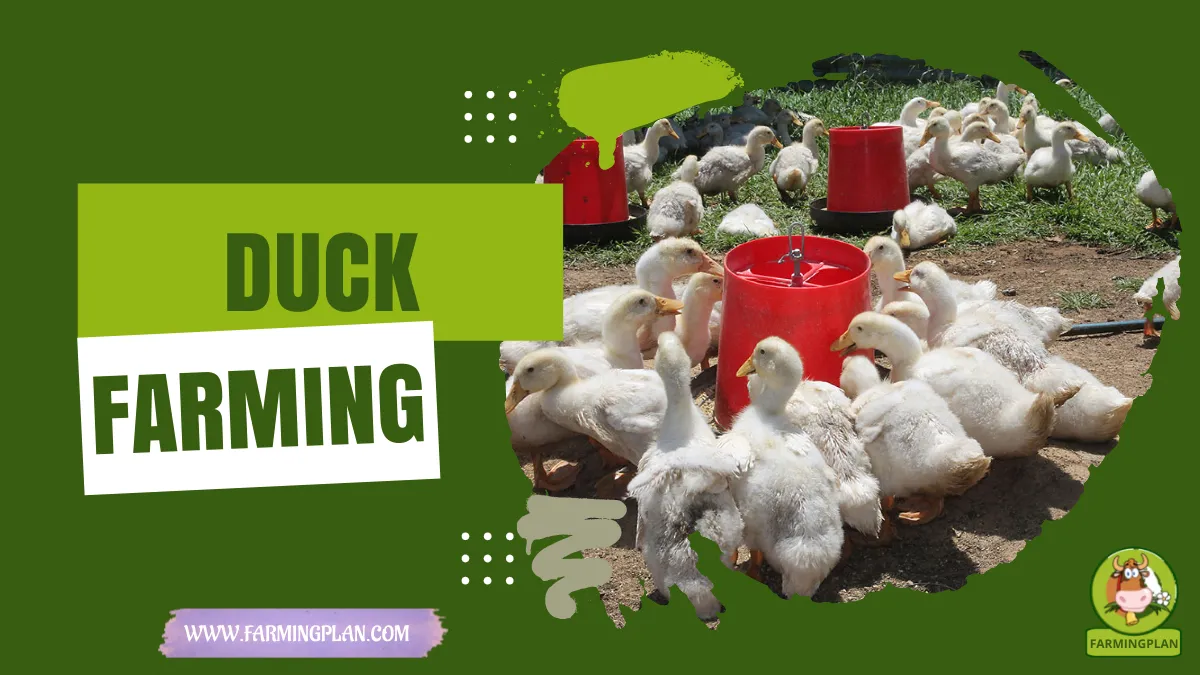
Duck Farming has become one of my favorite livestock businesses because it offers steady income, low maintenance, and excellent adaptability. I have worked with many domestic ducks over the years, and I still believe ducks suit small farmers, backyard breeders, and commercial producers alike. Whether someone raises Pekin ducks for meat, Indian Runner ducks for egg production, or Muscovy ducks for versatile meat, ducks reward proper care with fast growth and dependable performance.
In many parts of Asia, especially Duck Farming in Bangladesh, Indonesia, and Bali, farmers combine ducks with rice paddies through rice-duck farming systems. This method reduces herbicides, improves soil fertility, and supports sustainability. I have seen rice-duck co-culture systems control weed growth, pest brown planthoppers, and harmful insects naturally while improving rice production and yield stability. This article covers duck farming housing, ducklings care, feeding, breeding, modern enclosure systems, health management, farming solutions, and practical business ideas for beginners and experienced farmers alike.
History & Origin
People have raised ducks for thousands of years. Early farmers in Asia domesticated wild waterfowl because ducks adapted quickly to wetlands, rivers, and flooded farming areas. Historical records show that China, Southeast Asia, and other regions of Asia developed organized duck farming long before many modern poultry systems appeared.
From Wild Waterfowl To Modern Farm Birds
I often study traditional farming methods because they still teach valuable lessons today. One famous example comes from Japan, where Takao Furuno promoted the aigamo rice-duck farming method. Farmers allowed ducks to move freely inside rice paddies, where they controlled insects, improved root oxidation activity, reduced weed density, and enriched the paddy environment with natural fertilizer. This ecological cycle technology later inspired modern multispecies integrated farming systems around the world.
Traditional Farming Systems Across The World
Duck farming expanded into Europe and North America over time. Farmers developed breeds like Pekin ducks for meat production and Indian Runner ducks for egg production. In the United States, farms such as American Humane Society promoted raising standards and better animal welfare practices. Long Island Duck Farming became famous for producing high-quality duck meat. Farmers refined incubation period control, breeding systems, fencing methods, and water management.
Today, modern farms use technological innovation, artificial incubation systems, modern enclosure systems, and specialized waterfowl feed to improve productivity while protecting animal welfare. Rice-duck farming still remains important in countries like Bangladesh, Indonesia, and China because farmers value sustainability, fish integration, and reduced artificial fertilizers. Many permacultures now combine ducks, fish bred on rice terraces, and crop production to create highly efficient farming systems.
Reads More: Crocodile Farming in Philippines: Powerful Success Guide
Characteristics
Ducks differ from chickens in several ways. I always tell beginners that ducks handle wet conditions better and usually resist many common poultry issues. Most domestic ducks grow quickly, produce rich eggs, and adapt well to different climates.
Pekin ducks have white feathers, strong growth rates, and excellent lean composition for meat production. Muscovy ducks stand out because they produce flavorful versatile meat with less fat. Indian Runner ducks remain famous for upright posture and heavy egg production. Culver ducks and other specialized breeds also perform well under commercial farming conditions.
Unique Physical Features And Productive Traits
Ducklings grow fast when farmers provide clean water, niacin supplement support, brewer’s yeast, and balanced waterfowl feed. Healthy ducklings develop strong legs, smooth feathers, and active movement patterns.
Important Breed Variations Farmers Should Know
I usually recommend choosing breeds based on farm goals:
Meat Breeds
- Pekin
- Muscovy
- Culver duck
Egg Breeds
- Indian Runner ducks
- Khaki Campbell
Multi-Purpose Ducks
- Native domestic ducks
- Aigamo ducks used in rice-duck farming
Some ducks prefer free-range environments, while others adapt better to modern enclosure systems. Farmers should also consider water source availability, local climate, and market demand before selecting breeds.
Nature & Temperament
Ducks have curious personalities. I enjoy working with them because they stay active, alert, and social throughout the day. Most ducks prefer group living and become stressed when isolated. Indian Runner ducks move constantly and explore every corner of the farm. Muscovy ducks behave more quietly and independently. Pekin ducks usually stay calm and easy to handle, making them ideal for beginners. Ducklings learn routines quickly. When I feed them at consistent times, they gather near the feeding area before I even arrive. This behavior helps farmers manage daily operations more efficiently.
Why Ducks Fit Different Farming Styles
Ducks adapt well to:
- Backyard farming
- Commercial farms
- Rice paddies
- Free-range systems
- Integrated fish farming
- Small homestead projects
Their natural foraging ability reduces feed costs because ducks eat insects, weeds, snails, and larvae. In rice-duck co-culture systems, ducks improve weed and pest control naturally without relying heavily on herbicides. Farmers must still provide fencing and security solutions because predators can attack ducks easily. I always install secure fencing and strong night shelters to protect the flock.
Food & Diet
Proper nutrition decides whether a duck farm succeeds or struggles. I never compromise on feed quality because ducks grow rapidly and need steady nutrition. Ducklings require starter feed with extra niacin supplement support. Brewer’s yeast works well because it helps leg development and healthy growth. Without enough niacin, ducklings often develop weak legs and movement problems.
Adult ducks need:
- Waterfowl feed
- Grains
- Greens
- Aquatic plants
- Protein supplements
- Clean drinking water
Ducks always need access to water while eating. Unlike chickens, ducks use water to swallow and clean their nostrils properly.
Feeding Tips I Use On My Farm
I usually divide feeding into stages:
Starter Stage
High-protein starter crumble for ducklings.
Grower Stage
Balanced feed with moderate protein.
Layer Stage
Calcium-rich feed for duck eggs production.
Meat Production Stage
Energy-rich feed for fast weight gain.
I avoid moldy feed because ducks react badly to contaminated food. Farmers should also avoid overcrowding around feeders because weaker ducks may stop eating properly.
Usage & Purpose
Duck Farming serves many purposes beyond simple meat production. I have worked with farmers who earn income from duck eggs, breeding stock, manure, pest control services, and integrated agriculture systems. Duck eggs contain rich flavor and strong nutrition. Many bakeries and home cook businesses prefer them for baking because the yolks improve texture and taste. Duck meat also attracts strong market demand. Pekin and Muscovy ducks provide excellent versatile meat with lean composition and high cooking quality.
Ducks In Modern Agricultural Systems
One of the most exciting uses involves rice-duck farming systems. Ducks help farmers by:
- Controlling weed growth
- Reducing pests
- Improving soil fertility
- Supporting ecological balance
- Lowering artificial fertilizers use
I have seen farmers increase rice production while lowering farming costs through rice-duck co-culture systems. Ducks stir the water, reduce eutrophication problems, and improve soil oxygen levels naturally. Modern farms also combine ducks with fish farming systems. Fish bred on rice terraces benefit from natural nutrient cycles created by ducks.
Special Features
Ducks offer several special advantages compared to chickens. Their strong foraging instinct helps them locate insects, weeds, snails, and larvae efficiently. In flooded rice production systems, ducks act like natural workers. They reduce pest brown planthoppers, disturb weed seedlings, and improve soil activity. Farmers save money because they use fewer chemical herbicides.
Hardiness And Adaptability
Ducks tolerate wet conditions far better than chickens. They also adapt quickly to:
- Tropical climates
- Humid environments
- Rainy regions
- Flood-prone farming areas
Duck farming housing systems also cost less in many cases because ducks require simpler nesting arrangements. I also appreciate their strong disease resistance. Ducks still need proper care, but they often survive conditions that create stress in chicken flocks.
“Healthy Ducks Thrive Where Clean Water, Good Feed, And Smart Farming Meet. A Small Change In Care Can Create Big Results On A Duck Farm.”
Health Issues & Prevention
Even strong ducks face health problems. I monitor my flock daily because early detection prevents major losses.
Common health issues include:
- Duck viral hepatitis
- Cholera
- Respiratory infections
- Leg weakness
- Parasites
- Fungal infections
Symptoms often include:
- Loss of appetite
- Nasal discharge
- Weak movement
- Swollen eyes
- Diarrhea
- Feather damage
Poor water quality creates many disease problems. Dirty water tubs spread bacteria quickly across the flock.
Practical Prevention Strategies
I follow strict preventive care routines:
- Clean water daily
- Dry sleeping areas
- Proper fencing
- Vaccination programs
- Balanced nutrition
- Controlled stocking density
Farmers should quarantine sick ducks immediately. I also disinfect feeders and water containers regularly. Modern farms now use advanced farming solutions and monitoring systems to improve biosecurity. Good management prevents most disease outbreaks before they spread.
Tip: “Clean Water And Dry Bedding Solve More Duck Problems Than Expensive Medicines.”
Step-By-Step Duck Farming Guide For Beginners
When I started Duck Farming years ago, I made several mistakes with housing, feeding, and water management. Over time, I learned that success comes from following simple daily routines consistently. Beginners often rush into large projects without understanding duck behavior, proper duck farming housing, or flock management.
Complete Beginner-Friendly Farming Instructions
A successful duck farm starts with planning. Farmers must choose the right breed, secure a dependable water source, install fencing, and prepare healthy feed supplies before buying ducklings. I also recommend creating a simple business plan that covers feed costs, medicine, labor, and marketing. Whether you choose Pekin ducks, Muscovy ducks, Indian Runner ducks, or integrated rice-duck farming systems, success comes from consistency and daily care.
Modern enclosure systems help farmers improve hygiene and security. Still, ducks perform best when farmers balance shelter, outdoor movement, and clean water access. Beginners should start small, gain practical experience, and expand gradually. The following steps explain exactly how I manage ducks from setup to daily farm care.
Step 1 – Choose The Right Duck Breed
I always tell beginners to match the breed with their farming goal. Farmers focused on egg production should choose Indian Runner ducks or Khaki Campbell ducks. Meat producers usually prefer Pekin or Muscovy ducks because they grow quickly and produce quality meat. Climate also matters. Some domestic ducks tolerate humidity better, while others perform well in cooler regions. Farmers in Bangladesh and tropical Asia often prefer hardy local breeds because they resist weather stress better.
Buy ducklings from trusted hatcheries with healthy breeding stock. Healthy ducklings stay active, alert, and curious. Avoid weak birds with closed eyes, leg problems, or breathing issues. Farmers who want sustainable agriculture systems should explore rice-duck farming breeds suitable for rice paddies and integrated farming environments.
Step 2 – Build Proper Duck Farming Housing
Duck housing must stay clean, ventilated, and predator-proof. I prefer simple floor housing with dry bedding because ducks spend most of their time on the ground.
Good housing should include:
- Dry sleeping area
- Proper drainage
- Strong fencing
- Easy cleaning access
- Fresh airflow
- Safe water tub placement
Overcrowding causes stress and disease. Young ducklings need warm brooder spaces during early growth stages. Adult ducks need larger movement areas and secure nighttime shelters. Modern enclosure systems improve sanitation and reduce disease spread. Farmers should also create shaded outdoor spaces because ducks suffer during extreme heat.
Step 3 – Feed Ducks Correctly Every Day
Feeding routines strongly influence growth and productivity. Ducklings need starter feed with niacin supplement support during early development. I often mix brewer’s yeast into feed because it supports healthy leg growth. Ducks also need constant access to clean water while eating.
Adult ducks enjoy:
- Waterfowl feed
- Rice bran
- Greens
- Aquatic plants
- Kitchen scraps
- Insects
Free-range ducks naturally reduce feed costs by foraging outdoors. Farmers should still monitor nutrition carefully during breeding and egg production periods.
Step 4 – Manage Water Sources Carefully
Water management separates successful farms from struggling ones. Ducks need water for drinking, cleaning nostrils, and healthy feather maintenance. I always clean water tubs daily because dirty water spreads bacteria quickly. Farms with ponds or natural water sources often achieve better duck welfare and lower stress levels. Rice-duck farming systems require careful water depth control inside rice paddies. Too much water damages rice growth, while shallow water limits duck movement. Farmers should also prevent stagnant water because mosquitoes and bacteria multiply rapidly in dirty conditions.
Step 5 – Protect Ducks From Disease And Predators
Health protection requires daily observation. I inspect ducks every morning for signs of weakness, injuries, or abnormal behavior.
Good prevention includes:
- Vaccination schedules
- Dry bedding
- Clean feed storage
- Predator-proof fencing
- Proper ventilation
Foxes, dogs, snakes, and birds of prey often attack ducks. Secure fencing and strong nighttime shelters reduce losses significantly. Farmers should also maintain detailed records for breeding, feed use, medicine schedules, and egg production.
Reads More: Anatolian Black Cattle: Successful Farming
Expert Tips & Best Practices For Better Results
Smart Strategies I Recommend To Every Farmer
Here are some practical lessons I learned from years of raising ducks:
- Start with small flocks before expanding.
- Never allow dirty drinking water.
- Use strong fencing around ponds and shelters.
- Rotate grazing areas to reduce parasite buildup.
- Keep feed dry and protected from rodents.
- Select breeds based on market demand.
- Use rice-duck farming when possible for sustainability.
- Add fish integration for extra farm income.
- Track egg production weekly.
- Buy healthy breeding stock only from trusted sources.
- Avoid mixing sick ducks with healthy birds.
- Use natural shade during hot weather.
- Install simple drainage systems around duck housing.
- Observe duck behavior daily for early disease detection.
Business Ideas And Profit Opportunities
Duck farming creates multiple income streams:
- Duck meat sales
- Duck eggs
- Fertilized eggs
- Ducklings
- Organic manure
- Integrated rice farming
- Fish farming partnerships
Farmers who combine ecological farming practices with strong marketing usually build more stable long-term businesses.
FAQs
What Is The Best Duck Breed For Beginners?
I usually recommend Pekin ducks for beginners because they grow quickly, stay calm, and adapt easily to farm conditions. Indian Runner ducks also work well for egg production.
How Much Water Do Ducks Need Daily?
Ducks need constant access to clean water for drinking and cleaning. They do not always need a swimming pond, but they must have enough water to dip their heads fully.
Is Duck Farming Profitable In Bangladesh?
Yes, Duck Farming in Bangladesh remains profitable because ducks adapt well to wetlands and rice farming systems. Farmers also earn income from eggs, meat, and ducklings.
Can Ducks Live With Chickens?
Ducks and chickens can share some spaces, but I prefer separate sleeping and feeding areas. Ducks create wetter environments that may stress chickens.
What Do Ducklings Eat During Early Growth?
Ducklings need starter feed rich in protein and niacin supplement support. Many farmers also use brewer’s yeast to prevent leg weakness during growth.
Conclusion
Duck Farming offers an excellent opportunity for farmers, breeders, and homestead owners who want sustainable income and flexible production systems. I have seen ducks improve rice production, support ecological farming, reduce weed and pest problems, and provide reliable meat and egg income. With proper duck farming housing, balanced nutrition, clean water management, and strong health care practices, farmers can build highly productive flocks in both small and commercial operations. If you found this guide helpful, share it with fellow farmers, leave a comment with your duck farming experience, and keep learning new ways to improve your flock and farm profitability.