American Game Chicken is one of the most respected poultry breeds in the United States. As a farming specialist, I have worked with many breeds over the years, but few birds match the intelligence, strength, beauty, and heritage of this remarkable chicken. Farmers, hobby breeders, poultry show exhibitors, and backyard flock owners continue to appreciate this breed for its athletic build, colorful plumage, and strong survival instincts.
When people search for American game chicken price, American game chickens for sale, American Game Bantam, game chicken hen, or game chicken breeds with pictures, they often want to learn more about the breed’s history and practical uses. The American Game has deep roots in poultry culture and remains one of the most recognizable Gamecocks in the world. While many people associate game birds with historical cockfighting traditions, modern breeders focus on conservation, poultry shows, breeding programs, and maintaining valuable bloodlines. In this guide, I’ll share my personal experience and practical knowledge about raising, feeding, managing, and appreciating these fascinating birds.
History & Origin
The history of the American Game Chicken stretches back several centuries. Early settlers brought various gamefowl bloodlines from Europe, particularly from England, Ireland, and Scotland. Many of these birds descended from old fighting strains maintained for generations. Historical records often connect these birds to the famous Royal Cockpit near Whitehall Palace in England, where wealthy enthusiasts once raised and exhibited gamefowl.
As settlers arrived in America, they crossed imported birds with other strains to create stronger and more adaptable stock. These selective breeding efforts eventually produced what became known as the American Game. Breeders focused on stamina, alertness, hardiness, and attractive plumage colors. Over time, numerous bloodlines emerged across different regions of the country.
Development of Famous Bloodlines
Several breeders played important roles in shaping modern American Gamefowl. Names such as Owen Dickey and Frank Gary appear frequently in historical discussions about gamefowl development. Different families carefully preserved specific bloodlines while emphasizing traits such as vigor, body structure, and appearance.
The breed became particularly popular in southern states and parts of New Jersey, where poultry enthusiasts maintained breeding programs. Even after legal restrictions reduced traditional cockfighting activities, breeders continued preserving these birds for exhibition and conservation purposes.
Recognition by Poultry Organizations
The American Poultry Association recognizes the breed through its famous Standard of Perfection, which describes ideal characteristics for poultry show competition. Organizations such as the National Animal Germplasm Program, USDA Agricultural Research Service, Livestock Conservancy, and international resources like the DAD-IS database have documented valuable genetic information related to heritage poultry breeds.
The American Game Bantam also gained popularity among poultry exhibitors because it offers the same appearance and character in a smaller package. Today, enthusiasts worldwide continue preserving these birds through poultry clubs, breeding programs, and educational efforts.
Characteristics
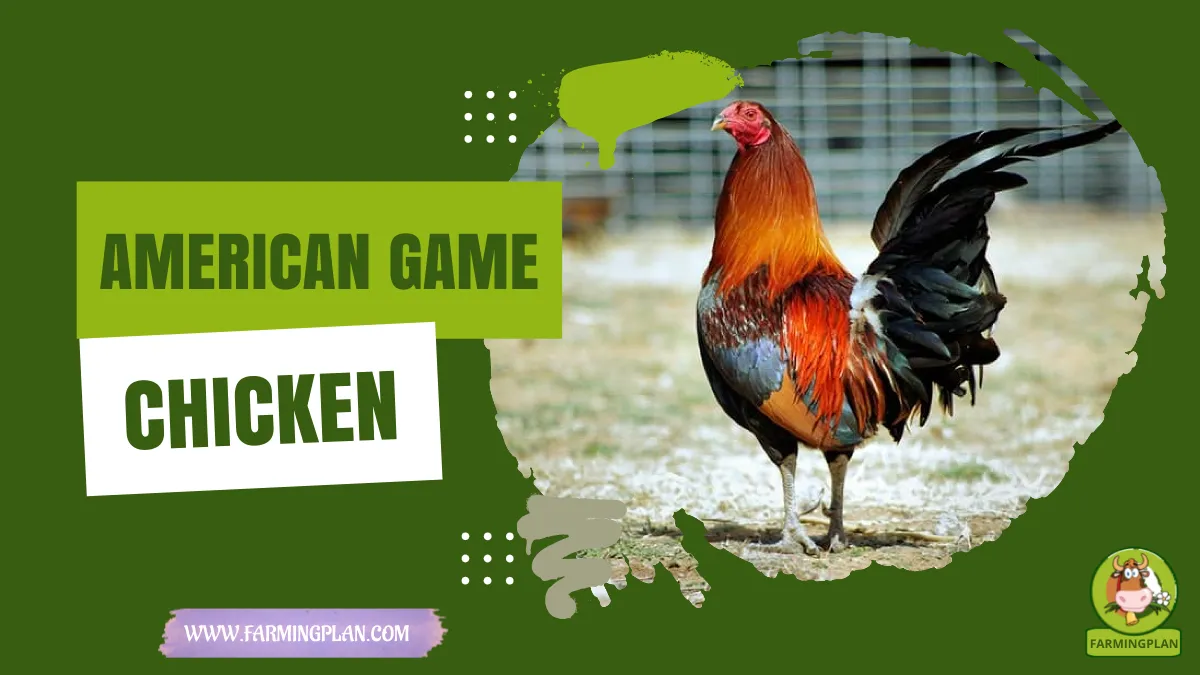
One reason I admire the American Game Chicken is its impressive physical condition. These birds possess a naturally athletic body designed for movement and endurance. They stand upright and display excellent balance. Their muscles remain firm, and their overall appearance reflects strength and vitality.
Most mature birds have a broad chest, powerful legs, and a compact body. Their posture often appears proud and alert. Unlike some commercial poultry breeds that focus heavily on meat or egg production, American Game birds maintain a balanced structure that supports agility and health.
Head Features, Comb, and Wattles
The breed displays several distinctive facial characteristics. Most birds feature a single comb, although some bloodlines may vary slightly. The comb remains relatively small and neat. Bright eyes contribute to their alert appearance, while red wattles and ear lobes create attractive contrast against the feathers. The beak is typically strong and slightly curved. Together, the comb, wattles, and facial features create a sharp, intelligent expression that experienced poultry keepers instantly recognize.
Plumage Colors and Feather Patterns
One of the most exciting aspects of the breed is its tremendous variety of plumage colors. Breeders have developed numerous color patterns over the years. Some common varieties include:
- Black Breasted Red
- White
- Brown Red
- Blue
- Silver Duckwing
- Golden Duckwing
- Red Pyle
- Black
- Wheaten
Many enthusiasts refer to publications such as the Old English Game Colour Guide and Game Fowl Colour Guide when studying feather varieties. Rich colors, glossy feathers, and elegant sickle feathers in roosters contribute significantly to the breed’s popularity in poultry shows.
Size and Weight Differences
American Game roosters usually weigh between 4.5 and 6 pounds, while hens generally weigh slightly less. The American Game Bantam represents a miniature version of the breed and remains a favorite among exhibition breeders due to its compact size and striking appearance.
Nature & Temperament
From my experience, American Game Chickens rank among the smartest poultry breeds. These birds remain constantly aware of their surroundings. They quickly notice changes in the environment and respond to potential threats faster than many other breeds.
Their alert nature helps protect them from predators. If a hawk flies overhead or an unfamiliar animal approaches, the flock often reacts immediately. This survival instinct makes them excellent free-range birds.
Strong Independence and Confidence
American Game birds possess a confident personality. They enjoy exploring fields, gardens, and pastures. Unlike some breeds that stay close to the coop, these chickens prefer active foraging throughout the day.
Their independence means they require slightly different management compared to more docile breeds. Roosters can become territorial, especially during breeding season. Responsible owners should provide adequate space and proper flock management to reduce conflicts.
Relationship With Owners and Families
Although these birds appear tough, many develop strong bonds with their caretakers. Birds raised from chicks often become comfortable around people and may even follow owners during feeding time.
Hens generally show excellent mothering instincts and protect their chicks carefully. Farmers who maintain breeding programs often appreciate this natural behavior because it reduces dependence on incubators and artificial brooding systems.
Suitability for Different Poultry Keepers
I typically recommend American Game Chickens for:
- Experienced poultry keepers
- Heritage breed enthusiasts
- Poultry show participants
- Small farm owners
- Conservation breeders
- Free-range flock managers
Beginners can also succeed with the breed, provided they learn proper flock management and understand the birds’ active temperament. Their beauty, intelligence, and historical significance make them rewarding additions to many poultry operations.
In my years of raising poultry, I have learned that nutrition plays a major role in the success of any flock. American Game Chicken birds thrive when owners provide balanced feed, clean water, and access to natural forage. These active birds burn more energy than many heavier breeds, so they benefit from quality nutrition throughout every stage of life.
Chicks need a high-protein starter feed containing approximately 20–22% protein during their first several weeks. This protein supports rapid growth, feather development, and immune system strength. As the birds mature, growers can gradually switch to a grower ration with slightly lower protein levels. Adult birds perform well on a balanced poultry feed containing 16–18% protein.
I also encourage farmers to allow birds access to pasture whenever possible. Free-ranging American Gamefowl enjoy searching for insects, worms, seeds, and green plants. Natural foraging provides valuable nutrients while reducing feed costs. Farmers often notice healthier plumage and improved activity levels when birds spend time outdoors.
Recommended Feed Ingredients for Daily Health
A healthy feeding program may include:
- Commercial poultry feed
- Cracked corn in moderation
- Wheat
- Oats
- Millet
- Sunflower seeds
- Fresh vegetables
- Leafy greens
- Mealworms
- Small amounts of fruit
Fresh water should remain available at all times. During hot weather, birds consume significantly more water. I always check waterers several times each day to prevent dehydration.
Feeding Mistakes to Avoid
Many beginners accidentally overfeed treats and underfeed balanced poultry rations. Birds need complete nutrition first. Treats should supplement—not replace—their regular feed.
Avoid feeding:
- Moldy grain
- Spoiled vegetables
- Excessive salty foods
- Chocolate
- Raw potato peels
- Alcohol-containing products
- Processed human junk food
Strong nutrition helps maintain productive hens, healthy Gamecocks, attractive plumage colors, and improved disease resistance throughout the flock.
Usage & Purpose
American Game Chicken serves several purposes in modern poultry keeping. Although historical discussions often mention cockfighting, responsible modern breeders focus on conservation, exhibition, genetic preservation, and sustainable poultry farming. As a farming specialist, I appreciate the breed because it combines beauty, intelligence, hardiness, and adaptability.
These qualities allow the birds to succeed in many different environments. Many breeders maintain heritage bloodlines to preserve valuable genetic diversity. Organizations such as the Livestock Conservancy, USDA Agricultural Research Service, National Animal Germplasm Program, and DAD-IS database recognize the importance of protecting traditional poultry genetics for future generations.
Poultry Shows and Exhibition Purposes
One of the most common modern uses involves poultry exhibition. American Game birds often attract attention at poultry shows because of their posture, feather quality, muscular build, and striking colors. Throughout my farming career, I have found these birds to be intelligent, resilient, and rewarding to raise.
Judges frequently evaluate:
- Body structure
- Comb quality
- Ear lobes
- Wattles
- Feather condition
- Sickle feathers
- Overall appearance
The American Poultry Association’s Standard of Perfection provides guidelines that exhibitors follow when preparing birds for competition. American Game Bantam varieties remain particularly popular because they require less space while maintaining the same classic appearance as larger birds.
Egg Production and Homestead Benefits
Although they do not compete with specialized commercial layers, hens still contribute useful egg production. Most game chicken hens lay small to medium-sized eggs throughout the year.
Homestead owners appreciate the breed because it:
- Controls insects naturally
- Forages efficiently
- Requires less feed than larger breeds
- Adapts well to free-range systems
- Produces fertile eggs for breeding programs
Educational and Conservation Value
Many schools, agricultural programs, and poultry clubs use heritage breeds to teach students about animal genetics, breeding, and livestock conservation. Preserving American Game bloodlines helps maintain an important piece of poultry history while supporting future breeding efforts.
Special Features
One feature that always impresses me is the athleticism of American Game Chicken birds. They move with speed, balance, and confidence. Their strong legs and muscular bodies allow them to cover large areas while foraging. Unlike many heavy production breeds, these birds rarely appear sluggish. They remain active throughout the day and often spend hours searching for food, exploring new areas, and interacting with the environment. This natural endurance contributes to their reputation as one of the toughest poultry breeds available.
Strong Survival Instincts and Predator Awareness
American Game birds possess excellent awareness of their surroundings. This trait likely developed through generations of selective breeding and outdoor living.
The flock often notices danger before the owner does. Birds quickly react to:
- Hawks
- Foxes
- Stray dogs
- Snakes
- Other predators
This alert behavior improves survival rates in free-range environments and helps protect valuable breeding stock.
Valuable Genetic Diversity
The breed represents an important genetic resource within the poultry industry. Maintaining diverse bloodlines helps breeders preserve traits that may prove useful in future breeding programs. Researchers studying poultry genetics often value heritage breeds because they contain characteristics that commercial production lines sometimes lose over time. Breeders continue preserving historic strains associated with well-known American Gamefowl families. This work supports long-term poultry conservation efforts.
Attractive Appearance and Color Variety
Many poultry enthusiasts become interested in the breed simply because of its beauty. The wide range of plumage colors gives breeders numerous options for exhibition and breeding projects.
Popular colors include:
- Red varieties
- White varieties
- Black varieties
- Silver patterns
- Golden patterns
- Blue varieties
Combined with bright eyes, clean combs, attractive wattles, and graceful sickle feathers, these colors create one of the most visually appealing breeds in the poultry world.
Excellent Free-Range Performance
Few breeds match the American Game’s ability to thrive outdoors. They efficiently locate food, avoid hazards, and adapt to changing weather conditions. Farmers who prefer low-input poultry systems often appreciate these practical advantages.
“A Healthy Free-Range Bird Often Teaches Farmers More About Natural Poultry Behavior Than Any Book Ever Can.”
Health Issues & Prevention
American Game Chicken birds generally enjoy excellent health, but no breed remains completely immune to disease. Responsible flock management helps prevent most major problems before they become serious.
Some common health concerns include:
- Coccidiosis
- Marek’s disease
- Fowl pox
- Respiratory infections
- Internal parasites
- External parasites
- Avian influenza in outbreak regions
Early detection remains one of the most important responsibilities of every poultry owner.
Warning Signs Every Farmer Should Watch For
I inspect my birds daily because early symptoms often appear subtle. Warning signs may include:
- Reduced appetite
- Weight loss
- Drooping wings
- Lethargy
- Diarrhea
- Nasal discharge
- Coughing
- Swollen eyes
- Pale combs
- Reduced egg production
Birds often hide illness until the condition becomes advanced. Daily observation allows owners to identify problems before they spread through the flock.
Parasite Prevention and Biosecurity
External parasites such as mites and lice can damage feather quality and reduce overall health. Internal worms may also affect growth and productivity.
Effective prevention includes:
- Clean housing
- Dry bedding
- Routine inspections
- Dust bathing areas
- Scheduled deworming when necessary
- Quarantine procedures for new birds
Good biosecurity also protects against disease introduction. I never place newly purchased birds directly into my established flock. Instead, I isolate them for several weeks while monitoring their health.
Vaccination and Long-Term Health Management
Many poultry keepers vaccinate chicks against diseases such as Marek’s disease. Vaccination programs vary depending on local conditions and veterinary recommendations.
Long-term health success depends on:
- Quality feed
- Clean water
- Proper ventilation
- Predator protection
- Adequate space
- Stress reduction
- Routine flock monitoring
When owners consistently follow these practices, American Game birds often remain healthy, active, and productive for many years.
Step-by-Step American Game Chicken Farming Guide
Over the years, I have raised many poultry breeds, and I can confidently say that American Game Chicken requires a thoughtful management approach. These birds possess strong instincts, active personalities, and valuable bloodlines that deserve proper care. New poultry keepers often ask me how to start with gamefowl successfully. My answer is always the same: focus on housing, nutrition, health, and daily observation from the very beginning.
A Practical Guide Based on My Personal Experience
Unlike some commercial poultry breeds, American Game birds thrive when owners provide enough space for movement and natural behavior. Their athletic build and alert nature make them excellent free-range birds, but they still need secure housing and responsible management. Whether you plan to keep a few American Game Bantams or develop a larger breeding program, following a step-by-step process will increase your chances of success.
The following guide reflects practical methods that I personally recommend to farmers, hobbyists, breeders, and poultry enthusiasts. These steps help create a healthy environment while protecting valuable birds from predators, disease, and management mistakes.
Step 1: Select Quality Birds and Reliable Bloodlines
The first step begins before you even bring birds home. Always purchase stock from reputable breeders who maintain healthy bloodlines and good records.
When evaluating birds, look for:
- Bright eyes
- Clean nostrils
- Smooth feathers
- Strong legs
- Correct body structure
- Active behavior
- Healthy comb and wattles
Avoid birds that appear weak, sick, or unusually inactive. A healthy foundation determines the future success of your flock.
I recommend asking breeders about:
- Bloodline history
- Vaccination records
- Fertility rates
- Hatchability
- Parent stock performance
Many people search online for American game chickens for sale. While online purchases can work well, always research the seller carefully before making a purchase. Responsible breeders prioritize health and genetic quality rather than simply producing large numbers of birds. Starting with quality stock often reduces future health issues and improves breeding results.
Step 2: Build Safe and Comfortable Housing
Proper housing protects birds from weather, predators, and disease. American Game chickens remain active and energetic, so they need more room than many people expect.
I recommend providing:
- Dry flooring
- Good ventilation
- Predator-proof fencing
- Elevated roosts
- Clean nesting areas
- Shade during summer
A well-designed coop allows fresh air circulation while preventing drafts. Poor ventilation increases the risk of respiratory problems and moisture buildup. Predators represent a major threat. Dogs, foxes, snakes, raccoons, and hawks can cause serious losses. Secure fencing and strong coop construction help protect valuable birds. Keep bedding clean and dry. Wet bedding encourages bacterial growth and parasite problems. I replace bedding regularly and inspect housing for damage throughout the year. A safe coop supports healthier birds and reduces stress within the flock.
Step 3: Establish a Balanced Feeding Program
Nutrition directly affects growth, fertility, feather quality, and disease resistance. I always create a feeding schedule that matches the age and purpose of the birds.
Young chicks require:
- High-protein starter feed
- Fresh water
- Clean feeding equipment
Growing birds benefit from:
- Grower feed
- Occasional grains
- Access to forage
Adult birds thrive on:
- Balanced layer or breeder feed
- Greens and vegetables
- Protein supplements when necessary
I encourage free-ranging whenever conditions allow. Birds naturally consume insects, seeds, grasses, and other nutritious foods. Avoid sudden feed changes because they can upset digestion. Introduce new feed gradually over several days. Consistent nutrition helps maintain healthy body condition and improves breeding performance.
Step 4: Manage Health and Biosecurity Daily
Daily observation remains one of the most valuable tools in poultry management.
Each morning, I check for:
- Normal activity
- Healthy droppings
- Clean eyes
- Good appetite
- Proper movement
Small health problems often become major issues if owners ignore early warning signs.
Practice strong biosecurity by:
- Limiting visitor access
- Cleaning equipment regularly
- Quarantining new birds
- Controlling rodents
- Maintaining dry housing
Vaccination programs may help protect against certain diseases depending on local veterinary recommendations. I also provide dust-bathing areas because birds naturally use dust to control external parasites such as mites and lice. Healthy birds remain active, alert, and eager to eat. Any significant change in behavior deserves immediate attention.
Step 5: Develop a Responsible Breeding Program
Breeding American Game Chicken successfully requires planning and patience.
Select breeding birds based on:
- Health
- Temperament
- Fertility
- Body structure
- Feather quality
- Historical bloodline traits
Avoid breeding weak or unhealthy birds. Good breeding decisions strengthen future generations.
I maintain detailed records that include:
- Hatch dates
- Parent identification
- Growth performance
- Health history
- Production results
Good records help breeders improve flock quality over time. Hens often demonstrate strong maternal instincts, making them useful natural mothers. However, incubators also work well when larger hatches are required. Responsible breeding preserves valuable genetics while supporting the long-term future of this historic breed.
Expert Tips & Best Practices for Success
Smart Management Tips for Better Results
- Provide more space than the minimum requirement whenever possible.
- Keep fresh water available at all times.
- Allow supervised free-range access for natural exercise.
- Monitor birds daily for health changes.
- Maintain detailed breeding records.
- Rotate pasture areas to reduce parasite pressure.
- Purchase birds only from reputable breeders.
- Isolate new birds before introducing them to the flock.
- Use predator-resistant fencing and housing.
- Clean feeders and waterers regularly.
Breeding and Exhibition Tips
- Focus on health before appearance.
- Preserve valuable bloodlines responsibly.
- Study the American Poultry Association Standard of Perfection.
- Select breeders with strong conformation and vigor.
- Evaluate feather condition regularly.
- Protect sickle feathers before poultry shows.
- Avoid overcrowding breeding groups.
Long-Term Flock Improvement Ideas
- Track hatchability percentages.
- Monitor egg production from each hen.
- Remove chronically unhealthy birds from breeding programs.
- Introduce new genetics carefully.
- Continue learning from experienced breeders and poultry associations.
These simple practices help maintain healthy birds while improving flock quality year after year.
Read More: Laying Ducks Amazing Guide For Fresh Eggs
FAQs
What is the average American game chicken price?
Prices vary depending on bloodline, age, breeder reputation, and quality. Chicks often cost less than mature breeding stock, while rare bloodlines may command significantly higher prices.
Are American Game chickens good egg layers?
They produce fewer eggs than specialized commercial layer breeds. Most hens lay a moderate number of small to medium-sized eggs each year while focusing more on hardiness and breeding qualities.
What is the difference between American Game and American Game Bantam?
The American Game Bantam is a smaller version of the standard breed. It shares similar appearance, temperament, and color varieties but requires less space.
Are American Game chickens suitable for free-range farming?
Yes. Their alert nature, athletic build, and strong survival instincts make them excellent free-range birds. Many farmers appreciate their ability to forage efficiently.
How long do American Game chickens live?
With proper care, nutrition, and disease prevention, many birds live between 6 and 10 years. Some individuals may live even longer under excellent management conditions.
Conclusion
American Game Chicken continues to earn respect among poultry enthusiasts because of its rich history, beautiful appearance, strong genetics, impressive athleticism, and excellent adaptability. Whether you are interested in heritage breed conservation, poultry exhibitions, backyard farming, breeding programs, or free-range flock management, this breed offers unique advantages that few others can match. By providing proper housing, balanced nutrition, responsible health care, and thoughtful breeding practices, you can enjoy healthy birds for many years. If you found this guide helpful, share it with fellow poultry enthusiasts, leave a comment with your experience, and help preserve the remarkable legacy of the American Game Chicken for future generations.