As a seasoned farming specialist, I love working with the extraordinary Turopolje pig on my open pastures. This rare Croatian pig breed brings incredible history, natural resilience, and remarkable charm to any small farm. I first encountered this medium size swine during my travels near Zagreb, and its unique look instantly captured my heart.
You will notice its whiteish-grey skin, distinctive dark spots, and long ears right away. It thrives in outdoor rearing setups where it can freely roam, dig, and forage for food. Raising this tough Croatian pig gives me immense pride because we help save an endangered livestock lineage. Discover how to raise the Turopolje pig with my expert heritage farming advice and practical survival strategies for modern pastures.
History & Origin of Turopolje Pig
The rich story of this swine begins centuries ago in the historical region of Turopolje along the Sava valley. Local swine breeders crossed ancient Croatian swine lines with European wild boar ancestors like Sus mediteraneus and Eurasian wild boar. Historical records mention how Croatian-Hungarian King Ljudevit, also known as Louis the Great, recognized local swine farming traditions. Later, Empress Maria Theresa of Hapsburg granted special privileges to local breeders in the Middle Ages. These hardy animals thrived in oak and beech forests near Sisak and Sisak-Moslavina, feeding on fallen acorns. They grew into remarkable foragers capable of surviving difficult marshland conditions and harsh continental climate shifts.
Overcoming Historic Threats And Revival Efforts
The twentieth century brought severe challenges to local livestock populations across Yugoslavia and neighboring regions. World War II and the later Yugoslavian conflict decimated rural pig breeding operations and destroyed traditional pasture networks. Breeding stocks dropped dramatically, leaving the animal critically endangered near Maruševec Castle and Burgenland Austria. However, dedicated scientists and farmers launched an ambitious recovery and preservation campaign to protect these valuable genetic resources. We established a official gene bank, recorded detailed DNA analysis, and implemented a strict breeding programme. Today, international preservation networks and local agricultural agencies work tirelessly to secure the genetic diversity of this irreplaceable Croatian breed.
Read More: Piedmontese Cattle: Legendary Beef Breed
Characteristics of Turopolje Pig
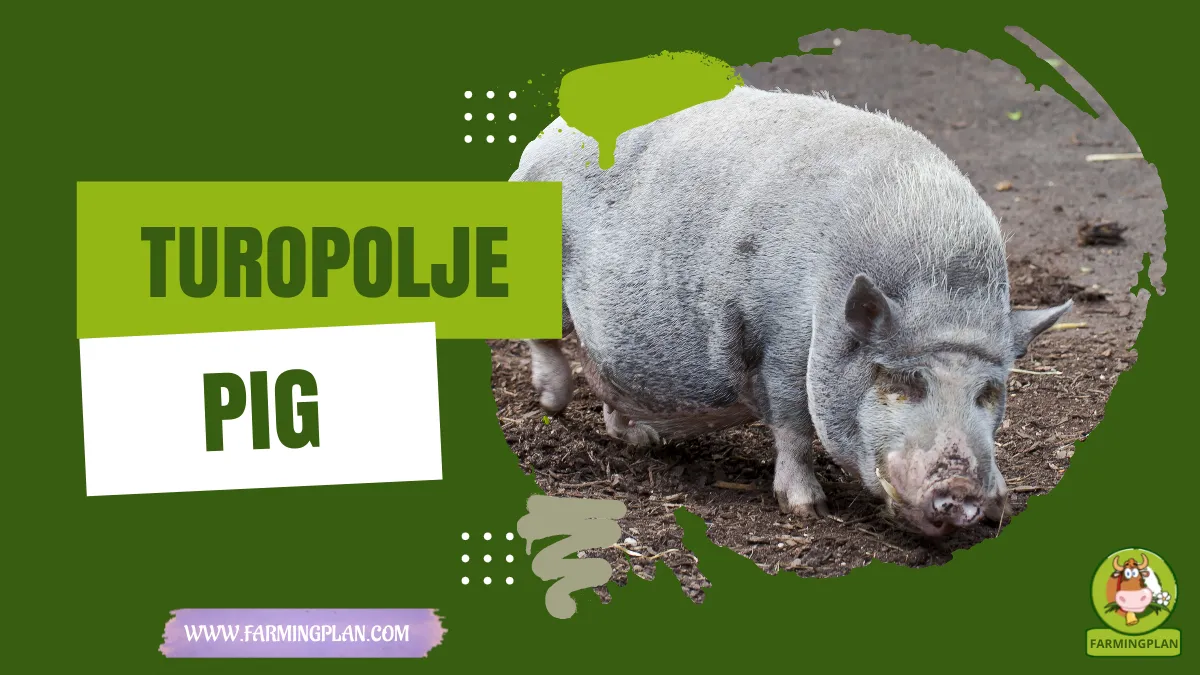
When you observe this animal up close, its eye-catching breed morphology immediately stands out on the pasture. The Turopolje pig features a sturdy frame, medium size build, and a curved snout made for rooting. Its whiteish-grey skin displays bold black spots scattered naturally across its body, giving each individual a unique pattern. Long ears floppy enough to cover its eyes shield the animal while moving through thick underbrush. A tightly twisted tail curls proudly above its heavy hind legs, showing off natural vigor and health. You will also notice a dense coat of coarse hair that shields its skin from insects and rough vegetation.
Adaptability And Coat Variations
These animals carry remarkable cold-hardiness that allows them to live comfortably in open fields year-round. Their thick hides protect them against severe cold, heavy rain, and harsh winter winds without requiring heated barns. Their woolly hair texture insulates their skin, while strong legs enable them to navigate muddy marsh pastures with ease. They are strong swimmers that frequently cross small streams and floodplains to reach rich feeding spots. Unlike delicate commercial breeds, this heritage swine maintains incredible physical stamina under varying ecological conditions. Their genetic toughness makes them ideal for low-input outdoor farming where traditional breeds often struggle to survive.
Nature/Temperament of Turopolje Pig
I really enjoy working with this pig breed because of its amazingly calm and gentle personality. These intelligent animals display a curious nature and quick mind when interacting with human handlers daily. Sows build strong bonds within their herd, creating a harmonious social structure across open pastures. They rarely show aggression toward humans, making routine health checks and moving tasks very stress-free for farmers. Boars remain manageable when given adequate space, consistent handling, and proper social opportunities with the herd. Their quiet demeanor reduces farm stress, creating an enjoyable working environment for novice keepers and experienced handlers alike.
Suitability For Smallholders And Free-Range Farms
If you manage a homestead or a free-range paradise, this animal fits into your daily routine effortlessly. These swine thrive in extensive pig farming environments where they have room to explore, forage, and exercise naturally. They display strong maternal instincts, farrowing independently in simple outdoor shelters without requiring constant human intervention. Sows care for their piglets attentively, nursing them carefully while keeping them safe from bad weather. Their calm temperament allows you to raise them safely around other livestock on mixed agricultural holdings. Their peaceful nature makes them fantastic choices for hobby farmers seeking low-stress livestock options.
Food & Diet of Turopolje Pig
Feeding this swine effectively relies on providing rich access to natural outdoor grazing spaces. In their native region Turopolje habitat, these animals spend their days exploring oak forests and organic mountain pastures. They feast naturally on acorns, beechnuts, wild roots, green grasses, and various aquatic plants found near marshland. Their specialized diet even includes tiny freshwater mussels that they dig up from soft creek beds and mudholes. During autumn, acorn-rich forest grazing supplies vital nutrients that build healthy fat reserves before winter sets in. This natural diet enhances their digestive health and keeps them active throughout their lives.
Feeding Dos And Don’ts For Farm Success
I always complement their natural foraging with balanced farm feeds to maintain consistent growth rates and strength. I offer moderate fattening with corn, whole grains, and fresh whey from local cheese makers during colder months. Avoid overfeeding commercial high-protein feeds, as excessive concentrate leads to unwanted obesity rather than healthy muscle texture. Never supply spoiled food scraps, moldy grains, or salty processed foods that disrupt their delicate digestive system. Keep clean, fresh water accessible at all times, especially when animals spend long summer days foraging outdoors. Balanced feeding preserves their metabolic health while supporting steady, natural body weight development over time.
Usage/Purpose of Turopolje Pig
Farmers value this swine primarily for producing high-quality pork with exceptional flavor profiles and fine muscle texture. The meat of the Turopolje pig boasts rich intramuscular fat that creates marvelous marbling and tenderness. Food enthusiasts love cooking Meso turopoljske svinje because it yields juicy steaks and rich, flavorful roasts. Traditional artisans use this premium pork to craft authentic charcuterie board specialties, including dry-cured sausages like Salametti. The thick, firm backfat works perfectly for making traditional PANCETA, a cherished specialty in European cuisine. Its rich taste stands out sharply against bland, lean commercial pork available in modern grocery stores.
Culinary Recognition And Ecological Value
The gastronomic world recognizes the value of this rare Croatian breed through major international slow food initiatives. Organizations like Slow Food have listed this heritage pig in the Ark of Taste to protect its culinary future. The University of Gastronomic Sciences in Pollenzo praises its distinct fat quality and deep gastronomic value. Farmers also use these pigs for vegetation management, as their natural rooting clears invasive weeds effectively. Raising them under a protected geographical indications framework helps smallholders secure higher market value for their finished products.
Special Features of Turopolje Pig
The extraordinary hardiness of the Turopolje pig sets it apart from almost every other commercial swine breed today. These animals adapt seamlessly to wet environments, marsh pastures, and extreme temperature fluctuations throughout the changing seasons. Their dense skin defends them against bites from marsh insects, reducing skin infections without heavy chemical treatments. Strong hooves prevent foot rot even when pigs spend long days walking across soggy mud plains. Their natural immunity helps them ward off common swine diseases that often affect sensitive indoor commercial herds. This rugged physical build enables them to thrive under minimal shelter conditions on low-cost pasture layouts.
Genetic Significance And Unhybridized Traits
Modern researchers treasure this breed because its genetic basis offers crucial biological diversity for future animal breeding. Unlike modern commercial hybrids, this unhybridized lineage retains primitive survival traits developed over hundreds of years. Their efficient digestion allows them to extract maximum nutritional value from low-quality forage, grasses, and wild acorns. Their unique fat accumulation mechanism creates incredible intramuscular fat deposits without requiring expensive high-energy commercial feeds. Preserving these rare genetic traits safeguards livestock agriculture against future environmental shifts and emerging disease threats.
“Preserving Rare Heritage Breeds Protects The Future Of Sustainable Farming.”
Health Issues & Prevention of Turopolje Pig
While this swine possesses incredible natural disease resistance, you must still monitor your herd for common health problems. Parasitic infections like roundworms can build up when pigs graze on the same outdoor pasture plots continuously. Inspect your animals regularly for signs of lethargy, rough hair coats, sudden weight loss, or persistent coughing. Watch for external parasites like mange mites or lice, which cause itching, skin inflammation, and hair loss.
Proactive Preventive Care Routine
Maintaining exceptional herd health requires a well-structured preventive care program tailored to outdoor rearing setups. Implement regular pasture rotation to break parasite life cycles and give soil time to recover naturally. Provide clean mud wallows so your swine can coat their skin to deter biting flies and prevent sunburns. Schedule annual herd health reviews with a qualified veterinarian to administer necessary vaccines based on local disease risks. Maintain strict biosecurity by quarantining new animals before introducing them to your established breeding groups. Clean, dry resting areas filled with fresh straw keep your swine healthy, comfortable, and energetic.
Read More: Meishan Pig Care Guide: Discover Remarkable Swine Secrets
Step-by-Step Farming Guide of Turopolje Pig
Building The Ultimate Outdoor Habitat
Setting up a proper outdoor habitat gives your swine the perfect environment to grow strong, healthy, and happy. Secure your pasture perimeter using strong woven wire fencing reinforced with a grounded electric wire near ground level. Provide access to well-drained soil, shaded groves, and natural wallowing areas where pigs can manage their body temperature. Build simple three-sided wooden shelters stuffed with clean straw to protect your animals from harsh winds and rains. Ensure your feeding troughs and automatic water fountains stand on elevated concrete pads to prevent mud buildup.
Step 1: Selecting Quality Breeding Stock
Start your heritage farming journey by sourcing healthy piglets or young stock from certified breed preservation registries. Inspect candidate animals carefully to ensure they display correct breed characteristics, including long ears, dark spots, and curling tails. Verify that the breeder maintains detailed pedigree records to prevent unintended inbreeding and preserve healthy genetic diversity. Check for clear eyes, smooth movement, strong bone structure, and vibrant energy before purchasing your foundation animals.
Step 2: Managing Daily Feed And Water Delivery
Establish a routine feeding schedule that balances natural forest grazing with high-quality supplementary grains and fresh farm byproducts. Offer fresh whole grains, corn rations, and mineral supplements in low troughs every morning to build trust with your pigs. Provide clean drinking water continuously using freeze-proof automatic waterers attached to heavy wooden frames or posts. Monitor individual body condition scores weekly to adjust feed quantities based on seasonal weather changes and growth milestones.
Step 3: Farrowing And Piglet Care Protocols
Prepare clean, quiet farrowing huts lined with deep straw bedding as sows approach their expected birth dates. Allow sows to farrow naturally without interference, as their strong maternal instincts guide them through the birth process smoothly. Ensure newborn piglets suckle colostrum quickly after birth to build essential antibodies and strengthen their immune systems. Keep farrowing quarters dry, draft-free, and well-ventilated to prevent respiratory complications in vulnerable young piglets during early life.
Step 4: Pasture Rotation Strategy
Rotate your herds across segregated pasture paddocks every four to six weeks to maintain vegetation health and control parasites. Use mobile electric fencing to divide large fields into smaller grazing zones that pigs clear systematically over time. Allow grazed paddocks to rest and reseed naturally before reintroducing your pigs to prevent soil erosion and mud pools. This rotational grazing system improves soil fertility while maximizing access to fresh forage, roots, and fallen acorns.
Step 5: Processing And Marketing Heritage Pork
Plan your processing timeline carefully, allowing swine to mature fully over twelve to eighteen months for ideal fat development. Harvest your animals during cool autumn or winter months when body weight and backfat layers reach optimal thickness. Partner with local butcher shops that specialize in artisanal charcuterie, dry-cured meat production, and specialty heritage pork cuts. Market your products directly to local consumers, high-end restaurants, and specialty butcher shops seeking rare, traditional pork delicacies.
Expert Tips & Best Practices For Turopolje Pig
- Establish Strong Fencing: Install a low electric fence strand eight inches off the ground to stop pigs from digging under outer perimeters.
- Provide Natural Shade: Plant deciduous trees inside pasture zones to offer natural shade during hot, sunny summer afternoons.
- Utilize Local Byproducts: Collect fresh whey, brewer grains, and excess farm produce to lower feed costs while adding valuable diet variety.
- Create Managed Mud Wallows: Design dedicated mud wallows using clean clay soils and water hoses to keep pigs cool and pest-free.
- Train Animals With Treats: Use small handfuls of corn or apples to train your pigs to follow you calmly between different pastures.
- Track Herd Genetics: Keep accurate breeding logs to track family lines, farrowing dates, and growth rates across generations.
FAQs
What makes the Turopolje pig unique compared to modern commercial breeds?
This heritage breed possesses exceptional hardiness, a distinct whiteish-grey coat with dark spots, and long floppy ears. It thrives on low-input outdoor grazing and produces high-quality meat with rich intramuscular fat ideal for traditional charcuterie products.
How long does it take for this heritage swine to reach full slaughter age?
These slow-growing animals require twelve to eighteen months to reach full maturity and optimal body weight for traditional pork production. Their slow growth rate allows them to develop exceptional flavor, deep muscle texture, and ideal fat accumulation naturally.
Can I raise this Croatian Turopolje Pig breed in wet or cold environments?
Yes, this breed adapts effortlessly to damp marsh pastures, harsh winter weather, and continental climate shifts due to its dense coat. Their thick hides, woolly hair, and strong hooves keep them comfortable and healthy in extreme outdoor conditions year-round.
What do these Turopolje Pigs eat when raised on open pastures?
They forage naturally for oak acorns, beechnuts, grass roots, green plants, and tiny aquatic organisms found near marshlands and woods. Farmers supplement their daily diet with small rations of whole grains, fattening corn, and fresh farm whey during winter months.
Is the Turopolje pig suitable for beginner smallholders and hobby farmers?
Yes, their calm temperament, friendly personality, and strong maternal instincts make them easy to manage for beginner livestock keepers. They require simple outdoor three-sided shelters, basic fencing, and minimal medical intervention compared to delicate commercial pig breeds.
Conclusion
Raising the Turopolje pig offers smallholders a unique opportunity to preserve an irreplaceable piece of European agricultural history while producing world-class heritage pork. These gentle, spot-covered swine bring unmatched resilience, strong maternal instincts, and fantastic foraging skills to any pasture setup. By integrating them into outdoor rearing systems, you protect vital genetic diversity while supplying high-end niche markets with premium charcuterie products. I encourage you to join our growing global conservation network today by supporting rare breed preservation on your farm. Connect with local breeding associations, share your farming experiences in the comments below, or start planning your new herd setup today to keep this magnificent Croatian swine thriving for generations to come!