I love working with the Philippine Native Pig because this amazing animal transforms small homesteads into profitable livestock farms. This Philippine native pig scientific name, Sus domesticus, belongs to a rich heritage that thrives on simple farm waste and forage. Today, DOST-PCAARRD and the Livestock Research Division work hard on genetic resources and native pig production to protect these animals.
When I first started raising Philippine native pig breeds, I noticed their toughness right away. Through the Philippine Native Pig Breed Information System managed by the Bureau of Animal Industry and the National Swine and Poultry Research and Development Center, farmers get great support. I always tell my fellow raisers that using systematic breeding and proper biosecurity helps the entire swine industry grow while keeping meat quality high.
History And Origin Of Philippine Native Pig
Our native pigs have lived in the archipelago for thousands of years alongside early Filipino communities. Archaeologists from the UP Diliman School of Archaeology found faunal remains at historic sites like the San Diego wreck site and Intendencia Ruins Structure B. These discoveries show a deep pig-human entanglement where pigs played key roles in traditional foodways and ancient Filipino rituals. Natural selection shaped these animals over centuries, turning them into durable livestock that survive harsh tropical weather easily.
Recent studies by the Markaduke Research and Development Center and Philippine Native Animal Development highlight how these pigs spread across regions like Kalinga, Quezon, Tiaong, and La Loma. Institutional breeding farms like the Tiaong Native Pig Farm, Adriana Nature Farm, Don Leon Nature Farm, and Kahariam Farm continue to preserve pure genetic materials. Research from Benguet State University and Kalinga State University under the Native Pig R&D Project shows that maintaining genetic characterization keeps these animals thriving. By avoiding reckless crossbreeding, we ensure our animals keep breeding true to type for generations to come.
Read More: Thuoc Nhieu Pig Secrets for Amazing Success
Characteristics Of Philippine Native Pig
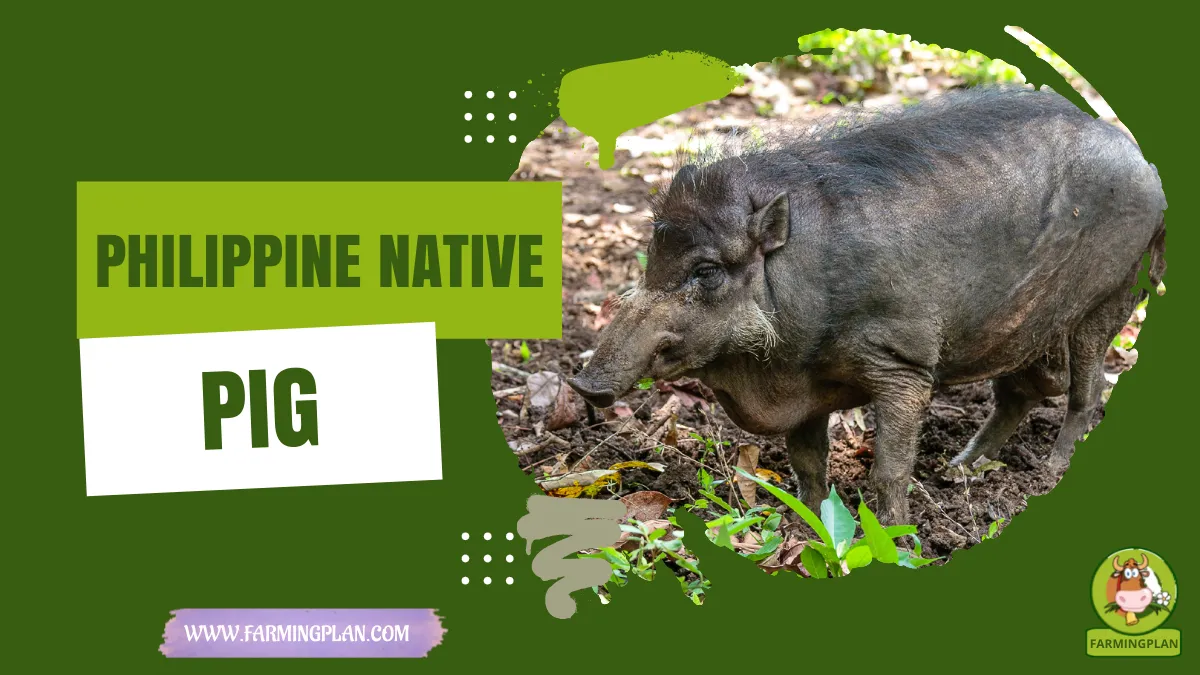
You can recognize our native pigs immediately by their dark black or slate-gray skin and coarse bristles. They have small, compact bodies with short legs and a slightly curved back that suits local environments. Experts like Dr. Sonwright B. Maddul have published phenotypic characterization studies detailing their morphology and exact body measurements. Their smaller size makes them much easier to manage than huge commercial white pigs on a family farm.
Different provinces showcase unique variations in body size, snout length, and ear shape across native pig breeds. Researchers study these genetic resources to catalog distinct features from Brgy. Libuton in Borongan City down to Southern Luzon. Their natural camouflage and tough hide protect them from biting insects and harsh sun exposure. These unique physical traits allow smallholder farmers to maintain healthy herds without spending fortunes on fancy housing facilities.
Nature And Calm Temperament Of Philippine Native Pig
I really enjoy working with native pigs because they show remarkable intelligence and surprisingly calm behavior patterns. They are naturally curious animals that love exploring pastures and searching for roots in the dirt. Native pig raisers quickly learn that gentle handling builds strong trust with these smart animals. When you treat them well, they become very docile and easy to move between pens.
Their peaceful nature makes them ideal for small family farms and mixed agricultural production systems. Sows display fantastic maternal instincts, taking great care of their piglets during farrowing without needing constant human interference. They stay alert to protect their young while remaining calm around farm workers they know well. This balanced temperament reduces stress for both the animal and the farmer during daily farm visits.
Food And Feeding Guidelines Of Philippine Native Pig
Feeding native swine is simple and affordable because they thrive on local agricultural byproducts and green forage production. I feed my herd a balanced diet of chopped banana stalks, sweet potato vines, trichanthera leaves, and rice bran. Their strong digestive system processes high-fiber plants much better than imported commercial hog breeds. Providing fresh, clean water every single day keeps their digestion working smoothly and keeps them happy.
You must avoid feeding spoiled food, moldy grains, or salty leftovers to your herd. While native hogs are tough, dirty feed causes stomach trouble and lowers their overall growth rate. I always mix local greens with a small amount of concentrated feed to ensure they get enough protein. This natural feeding strategy produces lean, flavorful meat while keeping your daily feed expenses extremely low.
Usage And Market Purpose Of Philippine Native Pig
The biggest demand for native swine comes from the premium roaster market across supply chain networks. The famous Lechon prepared in places like La Loma and Quezon relies entirely on these pigs for crisp skin and juicy meat. Specialized supply chains, including Supply Chain A, Supply Chain B, Supply Chain C, and Supply Chain D, connect rural raisers to urban Lechonero buyers. Market studies by experts like Rico M. Panaligan and Sharmaine D. Codiam prove that high meat quality creates strong market and income potential.
Beyond meat production, these animals serve as vital live investments for rural families during financial emergencies. Their high demand during local festivals and holidays ensures that farmers can always find ready cash buyers. The unique meat texture and rich flavor command higher prices per kilogram than standard commercial pork. Raising them creates a truly sustainable pork production system that supports rural livelihoods across the country.
Special Features Of Philippine Native Pig
Their greatest strength is an amazing natural immunity against common tropical parasites and environmental diseases. They walk long distances, forage efficiently in rough terrain, and tolerate high heat and humidity without getting sick easily. This incredible cryogenic tolerance and environmental hardiness comes from centuries of living in local climates. They convert low-quality farm waste into valuable, high-grade protein with minimal effort from the farmer.
Modern science helps us protect these special traits through advanced breeding technology and genetics research. Laboratories use tools like a Computer Assisted Sperm Analyzer, CASA-MOT, and the Live/Dead Sperm Viability Kit to study ejaculated semen and epididymal spermatozoa. Advanced methods using a Lactose egg yolk-based Cooling Extender, Glycerol, and Equex paste enable effective Cryopreservation and Cryobanking. Through artificial insemination and in vitro fertilization, researchers preserve valuable Animal Genetic Resources under the Animal Genetic Resource Project.
Health Issues And Disease Prevention
Even though native hogs possess strong disease resistance, you must guard your farm against serious risks like African Swine Fever. Low productivity often stems from poor sanitation, internal worms, and lack of basic farm records. I prevent health problems by enforcing strict biosecurity rules, such as limiting farm visits and washing boots thoroughly before entering pens. Keep your pens dry and clean to stop bacteria from multiplying in the bedding.
Working closely with local veterinarians ensures your herd gets timely vaccinations and deworming treatments. Look out for warning signs like sluggish behavior, sudden loss of appetite, or skin discoloration. Isolating sick animals immediately prevents potential infections from spreading through your entire herd. Maintaining simple farm records helps you track individual health histories and make smart culling decisions.
“Investing In The Philippine Native Pig Brings Endless Farm Growth And Delicious Success.”
Step By Step Guide To Raising Native Pigs
Starting a native pig farm requires careful planning, proper setup, and consistent daily care to achieve high reproductive performance. I always advise beginners to start small and master the basic management steps before expanding their herd. Building simple pens from local materials keeps your starting costs low while providing good shelter. Following a structured system ensures your pigs stay healthy, grow fast, and produce large litters consistently.
Step 1 Build Clean And Well Ventilated Housing
Building proper shelter protects your pigs from harsh rain, burning sun, and cold night winds. I use local materials like bamboo, nipa palm, and concrete floors to construct durable, low-cost pens. Ensure the floor slopes slightly toward a drain so wash water flows out quickly during daily cleaning. Good air ventilation keeps the pen cool and prevents bad odors from building up inside.
Provide at least two square meters of floor space for every growing pig in your facility. Sows need separate farrowing pens fitted with guard rails to protect newborn piglets from accidental crushing. A well-designed pen keeps your animals comfortable and drastically cuts down on disease risks.
Step 2 Select High Quality Breeding Stock
Choosing the right breeding animals forms the foundation of a successful livestock enterprise. Look for active gilts with at least twelve well-developed teats and strong, straight legs. Select boars that show good muscular development, masculine features, and an active, lively personality. Avoid buying animals from farms with a recent history of disease outbreaks or poor productivity.
Source your starter pigs from reputable institutional breeding farms or trusted local breeders. Healthy breeding stock gives you larger litters and stronger weaner piglets that grow efficiently. Inspecting the physical health of breeding stock saves you time, money, and frustration later on.
Step 3 Feed A Balanced And Low Cost Diet
Creating an affordable feeding routine keeps your farm profitable while keeping pigs healthy. Combine fresh green forage like kangkong and trichanthera with energy feeds like rice bran and copra meal. Feed your adult pigs twice every day at regular times to build a predictable routine. Always provide clean water in heavy troughs that pigs cannot easily tip over.
Adjust feed quantities based on the age, weight, and reproductive stage of each animal. Pregnant and lactating sows require higher protein levels to nourish their developing piglets and produce milk. Smart feeding strategies maximize growth while keeping your daily feed costs manageable.
Step 4 Practice Strict Daily Sanitation And Biosecurity
Daily cleaning prevents disease outbreaks and keeps your farm smelling fresh and clean. Hose down concrete floors every morning to remove manure, spilled feed, and dirty mud. Disinfect pen walls and walkways regularly using simple, safe farm disinfectants. Limit outside visitors from walking through your pig housing areas to prevent bringing in outside germs.
Set up foot baths containing disinfectant solution at every entrance to your piggery. Store feed bags off the ground in dry rooms to deter rats, mice, and wild birds. Good sanitation forms your strongest shield against dangerous hog diseases like African Swine Fever.
Step 5 Manage Breeding And Farrowing Care
Careful management during breeding ensures high conception rates and healthy, large litters. Observe your gilts closely for signs of heat, such as swollen vulvas and standing still when pressed on the back. Breed the female on her second day of heat and repeat mating twelve hours later for best results. Keep pregnant sows in quiet, comfortable pens away from noisy farm activities. Prepare clean, dry farrowing pens with soft bedding before the sow gives birth. Stay nearby during farrowing to assist if complications arise and ensure newborn piglets nurse quickly. Proper care during farrowing boosts piglet survival rates and improves overall farm productivity.
Step 6 Care For Weaners And Growing Hogs
Weaning piglets at six to eight weeks of age allows the sow to recover for her next breeding cycle. Offer young weaners high-protein creep feed alongside soft green leaves to ease their transition off milk. Keep newly weaned littermates together in clean pens to minimize fighting and social stress. Deworm young pigs shortly after weaning to protect their digestive health and boost growth. Monitor growing pigs daily to track their feed intake, weight gain, and general behavior. Group pigs by size to prevent larger animals from bullying smaller ones away from feed troughs.
Read More: Great Power of Goat Milk for Daily Health
Expert Tips And Best Practices for Philippine Native Pig
- Keep accurate farm records using standard record forms to track feed costs, breeding dates, and piglet mortality rates.
- Register as registered farm users with agricultural portals like to access performance reports and research updates.
- Plant dedicated forage plots on your farm to ensure a steady, fresh supply of high-nutrient green feeds all year long.
- Connect with expert researchers like Edwin Mendoza to learn modern selection strategies and genetic improvement techniques.
- Utilize web-based information system tools to monitor market trends, connect with buyers, and optimize your sales timing.
FAQs
What do Philippine native pigs eat?
Philippine native pigs eat a varied diet of green forage, agricultural byproducts, chopped banana stalks, sweet potato leaves, and rice bran. They digest high-fiber local plants far better than commercial hogs, making them very cheap to feed on small farms. Always provide clean water alongside their daily feed to maintain good digestion.
How much does a Philippine native pig cost?
A Philippine native pig usually costs between 2,500 to 4,500 PHP for a healthy weaner, depending on its genetic background and location. Breeding boars and pregnant sows cost more, ranging from 6,000 to 12,000 PHP based on quality. Prices also rise significantly during major holiday seasons when demand for lechon surges across regions.
What is the scientific name of the Philippine native pig?
The scientific name of the Philippine native pig is Sus domesticus, placing it in the same domestic swine species as commercial breeds. However, centuries of natural selection have given these native animals unique genetic traits suited for tropical environments. Researchers continue studying their unique DNA to preserve these valuable genetic resources.
Why are native pigs popular for making lechon?
Native pigs are popular for lechon because their meat has a fine texture, rich flavor, and perfect skin-to-fat ratio. Cooking them yields extremely crispy skin and tender, juicy pork that consumers prefer over commercial white pigs. Their compact size fits roasting pits perfectly, making them the top choice for traditional Filipino celebrations.
Are native pigs resistant to common diseases?
Yes, native pigs possess strong natural resistance to many common tropical diseases and internal parasites compared to commercial breeds. Their tough skin and long adaptation to local climates help them survive harsh environmental conditions easily. However, farmers must still maintain strict biosecurity to protect their herds from deadly viruses like African Swine Fever.
Conclusion
Raising native pigs provides smallholder farmers with an affordable, highly resilient, and profitable livestock enterprise. These animals thrive on local forage, resist tropical diseases, and produce high-value meat that commands top prices for traditional celebrations. By adopting proper biosecurity, clean housing, and balanced feeding, you can build a sustainable swine business that supports your family for years to come. Start your native pig farming journey today, connect with local agricultural support teams, and share your farming experiences with our growing community!