
As a longtime swine specialist, I love sharing my hands-on experience with rare Chinese pigs. The Fengjing pig stands out as one of the most fascinating animals you will ever raise on a farm. Originating from Asia, this heritage breed belongs to the broader Taihu pigs group alongside the Meishan pig, Erhualian, and Jiaxing varieties. People instantly recognize them by their dark skin, deeply wrinkled face, and large floppy ears.
They carry a distinct look that resembles a warrior scowl or a giant Shar Pei dog. Beyond their unique visual charm, these animals offer incredible value to modern agriculture. They produce remarkably large litters, show high disease resistance, and adapt effortlessly to simple forage diets. In this guide, I will share my practical knowledge about their care, breeding technique, genetics, and daily management so you can succeed with this legendary livestock.
History and Origin of Fengjing Pig
My journey studying historical swine breeds brought me directly to the lush agricultural region of Shanghai, China. Local farmers in the Jinshan, Songjiang, and Pudong districts carefully developed the Fengjing pig centuries ago. They named the breed after the historic town of Fengjing, where traditional farming practices shaped its development. These farmers selected animals that could thrive on farm byproducts, crop residues, and local greens while consistently yielding massive litters. Over generations, these local choices created a hardy pig perfectly suited for smallholder farms.
During the late 20th century, Western scientists recognized the incredible reproductive potential of these Asian animals. Institutions like the United States Department of Agriculture (USDA), the University of Illinois, and Iowa State University imported selected Taihu swine. They wanted to study their reproductive performance and cross-breeding advantages. Researchers analyzed their DNA fingerprinting, blood biochemical index, and swine lymphocyte antigen markers. They even used tools like RFLP analysis and the GeneSeek GGP Porcine 50K SNP chip. They discovered key genetic traits related to high litter size and strong immunity against common pathogens. Today, ex situ breeding and global conservation priorities help preserve their unique genetic diversity against excessive inbreeding.
Read More: Guinea Hog Pig: Full life of Guinea Hog pig
Characteristics of Fengjing Pig
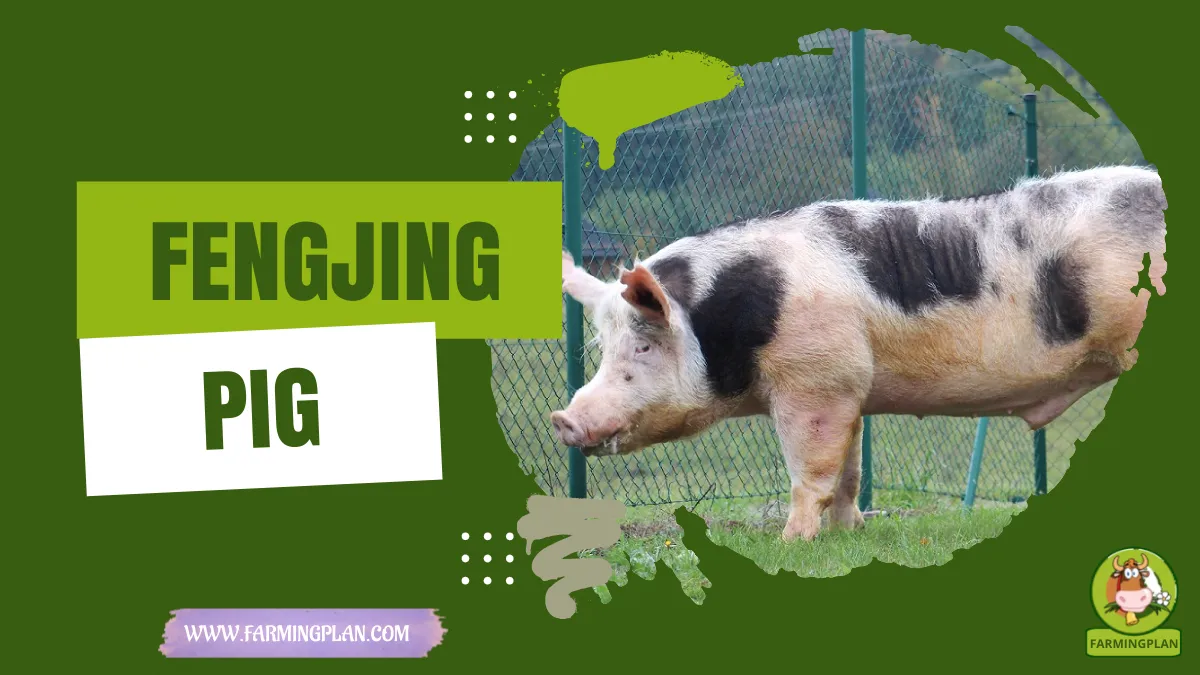
When you walk into my barn, you can spot a purebred Fengjing pig right away. They possess a medium-sized body frame with a sagging belly, short legs, and heavy black skin. Their most striking physical feature is their heavily wrinkled skin across the forehead and snout. This scowl gives them an intense expression, yet their actual nature remains remarkably gentle. Their large ears drop forward over their eyes, protecting their vision from dust and harsh sunlight during outdoor foraging.
Compared to commercial breeds like the Large White pig or Duroc pig, their growth rate is slower, but their physiological traits are extraordinary. Scientists studying their whole-genome resequencing and genomic inbreeding have mapped specific candidate genes like CDC42, HSPG2, GRHL3, and EPHB2. These genes influence everything from skin thickness to meat color and feed efficiency. Additionally, their digestive system handles high-fiber forage far better than modern lean swine. They naturally carry higher body fat, which historically provided rich lard and sweet, tender pork for traditional cooking.
Nature and Temperament Explored of Fengjing Pig
Working with pigs every single day teaches you to appreciate a calm animal, and this breed is a absolute joy to handle. Unlike some nervous modern breeds, these pigs show a very quiet, docile temperament. Sows remain relaxed even during heavy farrowing periods, which makes newborn piglet care simple and stress-free for the owner. You can walk into their pen without causing sudden panic or aggressive outbursts.
Their friendly disposition makes them suitable for small-scale family farms, educational homesteads, and heritage breeding projects. They interact well with farm workers and adapt smoothly to routine handling. Even mature boars display a manageable attitude when you treat them with steady care and consistent routine. Their calm behavior reduces overall barn stress, which supports better health, steady digestion, and lower injury risks across your entire herd.
Food and Balanced Diet Guidelines of Fengjing Pig
Feeding your herd correctly keeps them productive while saving you significant money on grain costs. In my farming experience, I feed these animals a balanced mix of coarse forage, fresh pasture, and modest grain supplements. Their efficient digestive system extracts maximum nutrients from fibrous plants, roots, and farm leftovers that modern industrial swine simply cannot process effectively.
- Fresh Forage and Pasture Greens: Allow access to quality grasses, alfalfa, clover, and leafy vegetable scraps daily.
- Energy Grain Mix: Offer ground corn, barley, or wheat bran to maintain energy levels, especially for nursing sows.
- Protein and Minerals: Provide soybean meal along with a balanced swine mineral mix to support bone health and milk production.
- Clean Fresh Water: Keep fresh, clean drinking water available 24 hours a day to aid proper digestion.
Avoid feeding moldy grains, salty kitchen leftovers, or processed human snack foods. Excess high-calorie corn feeds will cause these pigs to gain too much fat rapidly. Balance their ration with high-fiber greens to maintain proper body condition and active foraging habits.
Purpose and Agricultural Usage Value of Fengjing Pig
Farmers traditionally raised this breed for dual purposes: producing abundant lard and yielding giant litters for meat production. In modern agriculture, their value shines brightest inside specialized cross-breeding programs. Commercial producers cross these prolific Asian sows with high-yield boars like the Duroc pig or Large White pig to boost total piglet survival and overall litter numbers.
Beyond commercial cross-breeding, heritage farmers raise them to preserve rare genetic lines and produce premium marbling for artisan pork markets. Their lard offers excellent quality for baking and traditional cooking methods. Furthermore, research universities use their unique biology to study bovine early embryonic development, follicular atresia, galactose metabolism, and candidate genes tied to natural disease resistance.
Special Features of Fengjing Pig
The absolute standout strength of this breed is its legendary reproductive capacity. A healthy sow routinely farrows litters of 15 to 20 strong piglets, and some record-breaking sows produce even more. They mature sexually at a remarkably early age compared to European breeds, allowing breeders to establish productive lines faster.
- Massive Litter Sizes: Sows easily nurse large litters due to an increased number of functional teats.
- High Disease Resistance: Natural immunity helps them withstand common environmental stressors and local swine pathogens.
- Superior Forage Conversion: Exceptional ability to thrive on roughage and low-protein feeds without losing vitality.
- Strong Maternal Instincts: Mother sows build careful nests and rarely step on or injure their newborn piglets.
Their thick, wrinkled skin also provides natural protection against insect bites and minor scratches while foraging outdoors. Their genetic resilience makes them an invaluable asset for long-term livestock conservation.
“True Farming Wisdom Begins When We Honor The Ancient Heritage Of Resilient Breeds.”
Health Issues, Prevention, and Care Advice of Fengjing Pig
While these animals are naturally hardy, keeping them healthy requires proactive farm management. Their deep facial skin folds can trap moisture, dirt, and parasites if you ignore basic hygiene. I clean their skin creases regularly to prevent bacterial infections and skin irritation, especially during humid summer months. Watch out for respiratory issues during sudden seasonal temperature changes.
Keep their sleeping quarters dry, well-ventilated, and free from direct cold drafts. Maintain a regular vaccination schedule and administer parasite treatments based on your local veterinarian’s advice. Clean water troughs daily and remove damp bedding to prevent parasite cycles. Strong sanitation habits will protect your investment and ensure your herd lives a long, productive life.
Step-by-Step Farming Guide for Raising Healthy Pigs
Raising this heritage breed successfully requires thoughtful preparation, proper shelter setup, and disciplined daily care routines. I have broken down the complete management process into detailed steps so you can achieve the best results on your farm.
Step 1: Housing and Pen Setup
Design a spacious shelter that protects your animals from extreme hot and cold weather. Provide a minimum of 50 square feet of covered space per adult animal, along with access to an outdoor paddock for rooting and exercise. Secure your perimeter with sturdy fencing, as these pigs love to explore and root through rich soil. Ensure the housing layout allows easy manure removal and good cross-ventilation during hot seasons.
Step 2: Bedding and Sanitation Preparation
Cover the pen floor with a deep layer of dry straw, wood shavings, or clean sawdust. Deep bedding provides vital insulation during cool nights and keeps skin clean. Clear out soiled bedding every few days to control moisture levels and reduce ammonia buildup inside the shelter. High hygiene standards prevent parasite infestations and keep your animals clean and comfortable.
Step 3: Feeding and Water System Implementation
Install heavy, durable feeding troughs and automatic nipple drinkers to secure steady nutrition. Position waterers at a comfortable head height for your animals to prevent water spillage and muddy pens. Establish a strict twice-daily feeding schedule, balancing fresh greens with a low-energy, high-fiber commercial grain ration to maintain healthy weights.
Step 4: Farrowing Management and Piglet Care
Prepare clean, warm farrowing stalls stocked with fresh straw before your sow delivers her litter. Monitor the farrowing process closely, though these experienced mothers usually handle labor with minimal assistance. Ensure every newborn piglet nurses vital colostrum within their first few hours of life. Keep the farrowing area warm using safe heat lamps during cold weather to protect newborn piglets.
Step 5: Herd Health Routine and Parasite Control
Establish a solid preventative health plan with your local farm veterinarian. Schedule routine internal and external parasite control every six months, and keep detailed records of all treatments. Inspect your pigs daily for signs of lethargy, skin inflammation, or reduced appetite. Early detection of health issues saves lives and keeps your farming operation profitable.
Read More: Dairy Farming Made Easy: A Proven Sustainable Guide
Expert Tips and Best Practices for Breeders
- Rotate pastures frequently to prevent soil erosion and break internal parasite life cycles naturally.
- Avoid overfeeding high-starch grains to prevent excessive internal fat deposition in mature breeding stock.
- Keep detailed breeding records to avoid unintentional inbreeding and maintain high genetic diversity in your herd.
- Provide shallow mud wallows during hot summer months to help your pigs cool down naturally.
- Mix high-fiber agricultural byproducts like wheat bran into daily feeds to lower grain costs.
- Handle piglets gently from day one to build calm, trustworthy adult temperaments across your entire barn.
- Consult local agricultural extension agents to align your conservation practices with modern swine standards.
FAQs
What makes the Fengjing pig unique compared to modern commercial pigs?
They are famous for their deeply wrinkled faces, large drooping ears, and extraordinary reproductive ability. Unlike lean commercial breeds, they produce very large litters and thrive on high-fiber forage diets.
How many piglets can a Fengjing sow produce in a single litter?
A healthy sow routinely produces litters ranging from 15 to over 20 piglets. Their strong maternal instincts and high teat count allow them to raise these large litters successfully.
Where did the Fengjing pig originate?
This ancient breed originated in the Shanghai region of China, specifically around Jinshan and the historic town of Fengjing near Lake Taihu.
What do Fengjing pigs eat on a farm?
They eat a high-fiber diet consisting of fresh pasture grasses, crop residues, leafy greens, and balanced grain supplements. They process roughage much better than modern domestic swine breeds.
Are Fengjing pigs suitable for small-scale family farms?
Yes, their calm, docile temperament and exceptional hardiness make them an excellent choice for smallholder farms and heritage conservation projects.
Conclusion
The Fengjing pig represents a marvelous triumph of historical animal breeding, offering unmatched litter sizes, strong disease resistance, and outstanding forage efficiency. Raising these gentle, wrinkled heritage pigs preserves valuable agricultural genetics while bringing immense joy and productivity to your farm. Whether you wish to cross-breed for stronger herd traits or champion livestock conservation, these swine deliver reliable results every season. I invite you to leave a comment below with your questions, share this detailed guide with fellow livestock enthusiasts, and join our growing community of heritage pig breeders today!


