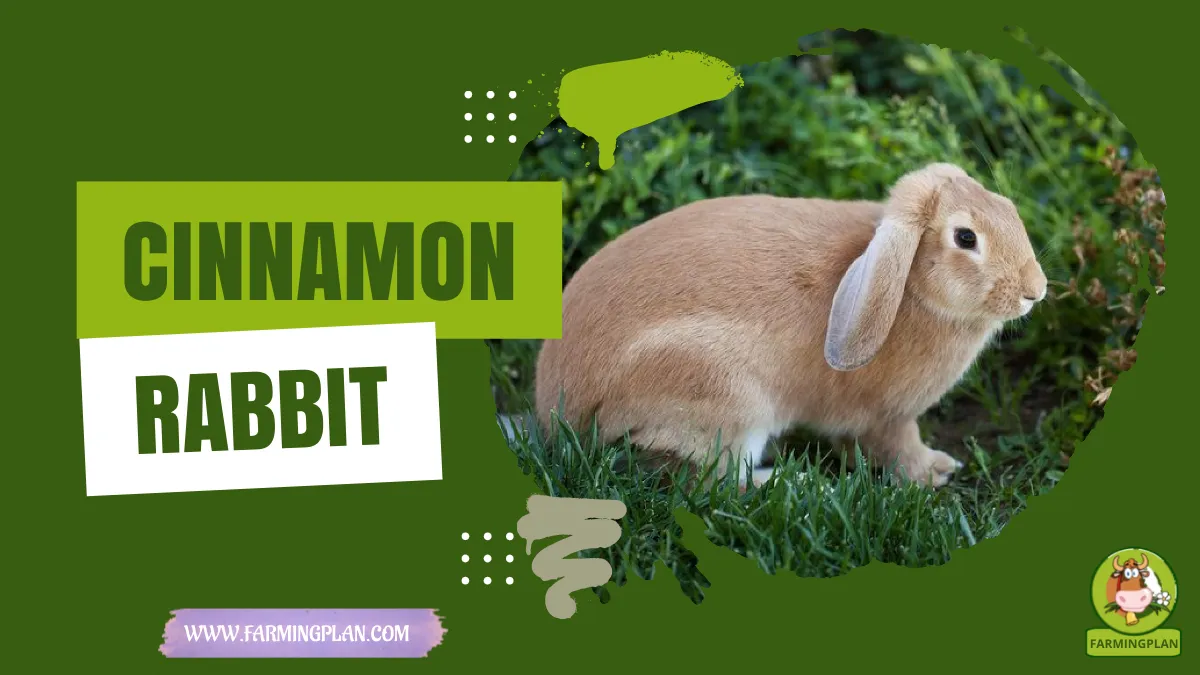
The Cinnamon Rabbit is one of the most beautiful and friendly rabbit breeds I’ve ever worked with on my farm. I still remember the first time I saw its warm russet coat color mixed with smoky grey coloring and soft gray ticking around the ears and snout. This breed stands out because it combines good looks, calm behavior, and strong meat production qualities. Many pet owners also love the Cinnamon bunny because it adapts well to family life and learns litter box habits quickly.
The breed came from a special mix of a Chinchilla doe, New Zealand buck, Californian doe, and Checkered Giant bloodlines. Because of this unique gene pool, Cinnamon rabbits grow strong muscles, healthy flesh, and a balanced temperament. Today, people raise them for rabbit shows, breeding programs, meat rabbits, and loving bunny companions. In this guide, I’ll share my personal experience about Cinnamon rabbit characteristics, feeding, farming, housing, health care, and expert tips that help beginners succeed with this amazing breed.
History & Origin
The story of the Cinnamon Rabbit started in the United States during the 1960s. A young rabbit breeder from the Houseman Family worked carefully to create a unique rabbit with excellent meat production and attractive coloring. The breeder crossed a Chinchilla doe with a New Zealand buck. Later, they added Californian and Checkered Giant lines to improve body size, flesh quality, and coat appearance.
The final result surprised many breeders. The rabbits developed a glowing cinnamon-colored coat with orange under-color, smoky grey shading, and a dark underbelly. Rabbit judges at early ARBA conventions noticed the unusual beauty of the breed almost immediately.
Recognition By ARBA
The American Rabbit Breeders Association officially recognized the Cinnamon Rabbit breed in 1972. Since then, breeders across the United States and New Zealand have continued improving pedigrees and maintaining breed standards. The breed became popular because it served two purposes well. Farmers appreciated the strong meat rabbit qualities, while pet owners loved the gentle personality.
The maximum weight of many mature rabbits reaches around 11 lbs, making them solid medium-to-large rabbits. Today, Cinnamon rabbits remain somewhat rare compared to other commercial breeds. Serious breeders work hard to preserve the original color genes and healthy gene pool. Many rabbit enthusiasts attend rabbit shows and ARBA events to admire well-bred Cinnamons with ideal white belly markings, strong ears, and rich rufus coloring.
Reads More: Heck Cattle: Powerful Wild Heritage Breed
Characteristics
The first thing people notice about the Cinnamon Rabbit is the coat. Its fur resembles ground cinnamon mixed with smoky grey tones. The orange version remains the most common, though some breeders mention lighter strawberry and cream version shades in certain bloodlines.
The coat contains several attractive details:
- Russet coat color
- Gray ticking across the body
- Dark underbelly
- Orange under-color
- White belly area
- Smoky grey coloring near the ears and snout
These features create a glowing appearance that looks almost polished under sunlight.
Body Structure And Size
Cinnamon rabbits have a commercial body type with strong muscles and balanced flesh development. Adult rabbits usually weigh between 8.5 and 11 pounds. Their bodies stay long, deep, and smooth. The ears stand upright and show moderate thickness. I always check ear shape carefully when selecting breeding stock because healthy ears reflect strong breed standards. The rabbits also carry dense fur that feels soft yet durable.
Genetic Traits And Breed Quality
The Cinnamon Rabbit developed from carefully selected recessive genes and color genes. That selective breeding created a rabbit with both beauty and practical value. Some breeders jokingly call it a “New Zealand meat mutt” because of its mixed heritage, but experienced rabbit judges know how carefully the breed was developed.
Strong pedigrees matter greatly in this breed. Responsible breeders avoid weak genetics and focus on:
- Healthy litters
- Proper muscle growth
- Stable temperament
- Correct color balance
- Good fertility
Nature & Temperament
One reason I recommend the Cinnamon Rabbit to beginners is its easy-going personality. These rabbits usually stay calm, curious, and social. Many adapt quickly to children, fenced back yard exercise time, and indoor handling. I’ve raised several breeds over the years, and Cinnamon rabbits often show less stress than nervous breeds. They enjoy attention and usually tolerate grooming sessions well. Many owners also train them to use a litter box. This makes them cleaner indoor pets compared to rabbits that scatter waste everywhere.
Good Choice For Beginners
The Cinnamon bunny works well for:
- Families with older children
- First-time rabbit owners
- Hobby breeders
- Small farm owners
- Rabbit show participants
Most rabbits develop friendly habits when owners handle them gently from an early age. I always encourage daily interaction because social rabbits become more trusting.
Activity And Social Needs
Cinnamon rabbits enjoy movement and exploration. I never recommend keeping them inside a tiny hutch all day. They need room to hop, stretch, and investigate their environment.
Bored rabbits may chew cages or act restless. I provide:
- Chew toys
- Cardboard tunnels
- Safe outdoor exercise
- Hay piles for digging
- Quiet resting areas
These activities keep the rabbits mentally healthy and reduce anxiety and stress.
Food & Diet
A healthy Cinnamon Rabbit depends heavily on fresh hay. I always provide unlimited grass hay because it supports digestion and helps prevent GI Stasis. Hay also keeps overgrown teeth under control. Timothy hay works best for adult rabbits. Young rabbits may eat some alfalfa hay for extra growth support.
Balanced Rabbit Nutrition
I feed my rabbits a balanced combination of:
- Hay
- Fresh water
- Quality pellets
- Safe vegetables
- Limited treats
Many owners use products like Supreme Pet Foods Russel Rabbit Food because they contain balanced nutrition for rabbits.
Fresh vegetables I commonly recommend include:
- Romaine lettuce
- Cilantro
- Parsley
- Bok choy
- Basil
Foods To Avoid
Some foods can seriously harm rabbits. I avoid:
- Chocolate
- Sugary cereal
- Iceberg lettuce
- Onions
- Garlic
- Junk food
- Bread
People sometimes confuse Cinnamon Rabbit recipes with cinnamon rolls, Easter Bunny Cinnamon Rolls, Pillsbury refrigerated rolls, or cookie dough treats. Those human desserts should never become regular rabbit food. Too much sugar may cause digestive problems and obesity.
Usage & Purpose
Many families choose Cinnamon rabbits because they behave gently and look beautiful. Their warm coloring reminds some owners of spice, autumn leaves, or soft cinnamon caramel shades. The rabbits often form strong bonds with owners and enjoy quiet companionship. Some even follow owners around the house like small pets dogs.
Valuable Meat Rabbits
Farmers also raise Cinnamon rabbits for meat production. Their muscular body and efficient growth rate make them practical meat rabbits. The breed produces quality flesh without excessive fat. The large body size also supports strong litter production for breeding farms.
Rabbit Shows And Breeding Programs
Rabbit show enthusiasts admire the Cinnamon Rabbit because of its:
- Distinct coat
- Strong commercial shape
- Balanced body
- Rich coloring
ARBA conventions regularly feature dedicated breeders who protect breed standards and maintain strong pedigrees.
Special Features
Very few rabbit breeds display the same glowing cinnamon appearance. The mix of orange under-color, smoky grey coloring, and gray ticking creates a rare visual effect. The breed almost looks airbrushed under sunlight. With proper feeding, clean housing, daily exercise, and regular vet care, these rabbits can thrive for many happy years.
Strong Yet Gentle Personality
I admire how the Cinnamon Rabbit combines strength with calm behavior. Many commercial meat breeds become nervous or aggressive. Cinnamon rabbits usually stay relaxed and social. People often ask, “Are Cinnamon rabbits aggressive?” In my experience, properly handled rabbits rarely show aggression.
Excellent Balance Of Beauty And Utility
Some breeds focus only on appearance, while others focus only on production. Cinnamon rabbits manage to balance both. They work as:
- Show rabbits
- Meat rabbits
- Family pets
- Hobby farm animals
That versatility explains why many breeders continue protecting the breed today.
Health Issues & Prevention
GI Stasis remains one of the most serious rabbit medical problems. Symptoms include:
- Refusing food
- Small droppings
- Weak movement
- Bloated stomach
I immediately contact a rabbit vet if I notice these symptoms. Fresh hay and constant hydration help prevent many digestive issues.
Dental Problems And Malocclusion
Rabbit teeth grow continuously. Malocclusion happens when teeth fail to wear down properly. Overgrown teeth can stop rabbits from eating normally. I schedule regular dental checkups and provide chew-safe materials daily.
Ear Mites, Flystrike, And Parasites
Outdoor rabbits sometimes develop ear mites or flystrike. Flystrike becomes especially dangerous during hot weather when flies lay eggs near dirty fur.
Prevention steps include:
- Clean hutches
- Dry bedding
- Regular grooming
- Vet checkups
- Daily inspections
Stress And Mental Wellbeing
Stress weakens rabbit immunity quickly. Loud sounds, overcrowding, or poor housing conditions can trigger illness. I always keep rabbit areas calm and clean. Some owners even explore supportive wellness approaches like acupuncture or Chinese Medicine for chronic health conditions, though professional veterinary care should remain the priority.
“Healthy Rabbits Thrive On Routine, Gentle Care, And Plenty Of Fresh Hay — A Calm Bunny Is Often A Happy Bunny.”
Step-By-Step Cinnamon Rabbit Care Guide
When beginners ask me how to raise a healthy Cinnamon Rabbit, I always explain that success starts with preparation. Rabbits need much more than a small cage and a bowl of food. They require safe housing, healthy nutrition, regular cleaning, exercise, and emotional interaction. A rabbit that receives proper care usually becomes calmer, healthier, and easier to manage.
Complete Beginner-Friendly Care Setup
Over the years, I’ve raised rabbits in both indoor and outdoor setups. I learned that consistency matters more than expensive equipment. Clean water, fresh hay, proper airflow, and daily observation make a huge difference. Many new owners panic when rabbits chew furniture, stop eating, or hide constantly. Most of these issues improve when owners create a stable routine and stress-free environment. Below, I’ll walk through the exact steps I follow on my own farm when raising Cinnamon rabbits successfully.
Step 1 – Prepare A Safe Rabbit Home
I always start with a large hutch or indoor pen. The rabbit must stand fully upright and stretch comfortably. Wire flooring alone can hurt rabbit feet, so I provide resting boards or soft bedding.
Good housing should include:
- Shade
- Proper ventilation
- Dry bedding
- Predator protection
- Exercise space
Indoor rabbits also need rabbit-proofed rooms. I cover electrical cords and block dangerous areas.
Outdoor setups work best in mild weather. During hot seasons, I add frozen water bottles and cooling tiles to prevent heat stress.
Step 2 – Create A Healthy Feeding Routine
I feed rabbits at consistent times every day. Rabbits love routine and digest food better with stable schedules.
My daily routine includes:
- Unlimited hay
- Fresh water twice daily
- Measured pellets
- Fresh vegetables
- Occasional treats
I avoid sudden food changes because rabbits have sensitive stomachs. New vegetables should enter slowly in tiny amounts.
Clean water matters greatly. Dirty water bowls spread bacteria quickly.
Step 3 – Focus On Grooming And Cleanliness
Cinnamon rabbits have medium-dense coats that need weekly brushing. During shedding season, I groom more often to reduce swallowed fur.
I also:
- Trim nails monthly
- Inspect ears weekly
- Check teeth regularly
- Clean litter areas daily
Dirty cages attract flies and parasites. Strong sanitatStep 4 – Encourage Exercise And Mental Activity
Rabbits need daily movement to stay healthy. I allow supervised exercise in secure areas every day.
Good enrichment ideas include:
- Tunnels
- Wooden chew toys
- Digging boxes
- Cardboard hideouts
- Safe outdoor grazing
Active rabbits maintain healthier muscles and better emotional wellbeing.
Step 5 – Monitor Health Carefully
I watch my rabbits closely every morning and evening. Small behavior changes often signal early illness.
Warning signs include:
- Loss of appetite
- Drooling
- Diarrhea
- Sneezing
- Weak movement
- Weight loss
Fast action saves lives. Rabbits hide sickness naturally, so owners must stay alert.
Reads More: Ayrshire Cattle Amazing Dairy Breed Guide
Expert Tips & Best Practices
Daily Success Tips For Cinnamon Rabbit Owners
Here are the most important lessons I’ve learned while raising Cinnamon rabbits:
- Always provide unlimited hay.
- Never ignore appetite changes.
- Use strong pedigrees for breeding stock.
- Keep hutches dry and well ventilated.
- Handle young rabbits gently every day.
- Avoid overcrowded rabbit colonies.
- Schedule regular vet checkups.
- Provide chew toys to protect teeth.
- Use litter box training early.
- Avoid extreme heat exposure.
- Keep fresh water available at all times.
- Watch carefully for stress symptoms.
- Rotate toys to prevent boredom.
- Brush heavily during shedding season.
- Buy rabbits from responsible breeders.
Breeding Best Practices
When breeding Cinnamon rabbits, I focus heavily on health and temperament rather than color alone. Some breeders chase flashy coats while ignoring weak genetics.
Strong breeding programs should improve:
- Muscle quality
- Temperament
- Fertility
- Longevity
- Disease resistance
Healthy rabbits create healthier future generations.
FAQs
What Is A Cinnamon Rabbit?
A Cinnamon Rabbit is a rare domestic rabbit breed recognized by the American Rabbit Breeders Association. It has a warm cinnamon-colored coat with smoky grey shading and a calm temperament.
How Big Does A Cinnamon Rabbit Get?
Most adult Cinnamon rabbits weigh between 8.5 and 11 pounds. They have strong muscular bodies and a commercial meat rabbit shape.
Are Cinnamon Rabbits Good Pets?
Yes, Cinnamon rabbits make excellent pets because they stay friendly, social, and gentle. Many owners successfully litter box train them indoors.
What Do Cinnamon Rabbits Eat?
Cinnamon rabbits eat unlimited hay, quality pellets, fresh vegetables, and clean water daily. Owners should avoid sugary snacks and processed foods.
Are Cinnamon Rabbits Rare?
Yes, the breed remains less common than many other rabbit breeds. Dedicated breeders continue preserving the original pedigrees and breed standards.
Conclusion
The Cinnamon Rabbit combines beauty, calm behavior, strong health, and practical value in one amazing breed. I’ve worked with many rabbits over the years, and this breed continues to impress me with its gentle temperament, glowing russet coat color, and reliable performance as both a pet and farm rabbit. Whether you want a loving bunny companion, a rabbit show animal, or a productive meat rabbit, the Cinnamon Rabbit offers a balanced choice for beginners and experienced breeders alike. If you’ve ever raised a Cinnamon bunny or want to start your own rabbit journey, share your thoughts, experiences, or questions in the comments and help more people discover this beautiful breed.