
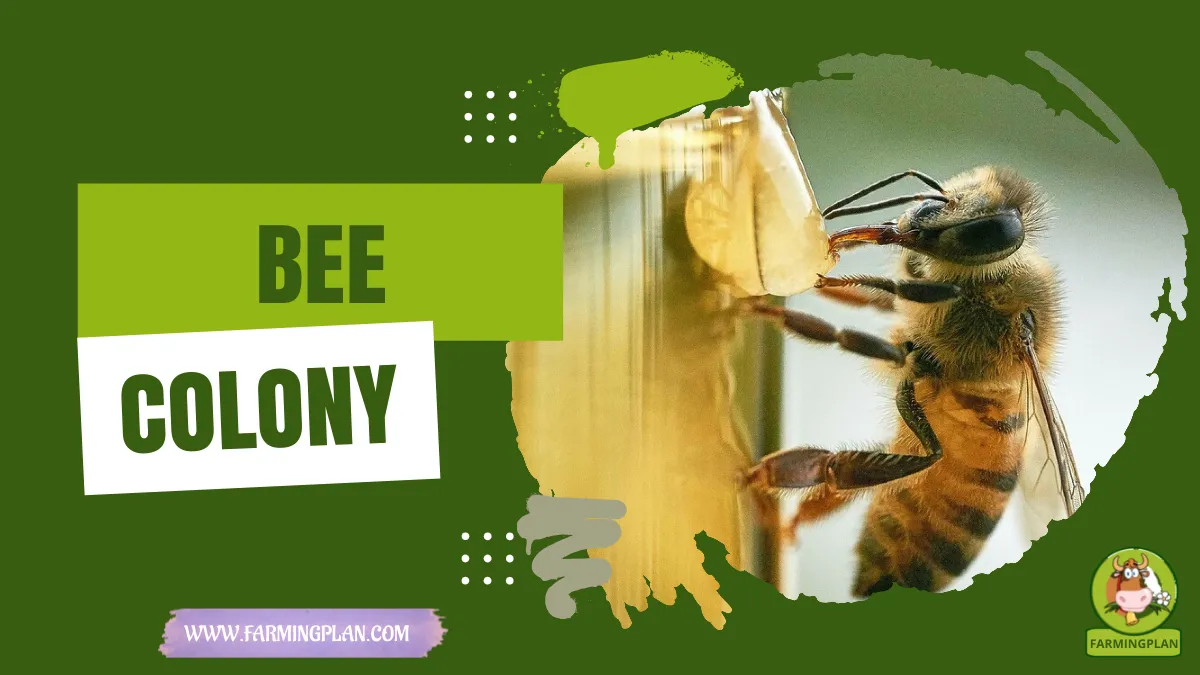
Bee Colony systems are among the most organized communities found in nature. As a farming specialist who has worked with honey bees for years, I continue to admire how thousands of honeybees work together inside a hive. Every colony depends on teamwork between the queen bee, worker bees, and drones. These social insects build beeswax combs, raise larvae, collect nectar and pollen, and produce honey while maintaining the health of the broodnest.
Bee colonies play a critical role in Agriculture and Food System sustainability. Honey bee pollination supports many crops, including almonds, fruits, vegetables, and seed crops. Commercial beekeepers provide pollination services across the country, especially in California during almond pollination season. Without healthy pollinators, farmers would struggle to maintain crop production and biodiversity.
In this article, I will explain bee colony structure, the 3 types of bees in a hive, honey production, colony management, common health issues, Colony Collapse Disorder, beekeeping operations, and step-by-step beekeeping practices. Whether you are a beginner or an experienced beekeeper, this guide will help you understand how a thriving bee colony works.
History & Origin of Bee Colony
Humans have practiced apiculture for thousands of years. Ancient civilizations in Egypt, Greece, and China kept honey bees for honey production and pollination. Early beekeepers harvested honey from natural beehives found in tree cavities and rock crevices. Over time, people learned to manage colonies more effectively. Historical records show that honey served as food, medicine, and trade currency. Beeswax became valuable for candles, waterproofing, and religious ceremonies.
The Evolution Of Modern Beekeeping
The invention of Langstroth frames transformed beekeeping. Movable frames allowed beekeepers to inspect colonies without destroying the hive. This innovation improved brood rearing, disease management, and honey harvesting. Modern beekeeping operations now transport colonies across regions for pollination services. Large apiaries often move thousands of colonies to support almond pollination in California and other agricultural industries.
The Rise Of Apis Mellifera of Bee Colony
Apis mellifera, commonly known as the western honey bee, became the dominant species used in commercial beekeeping. Selective breeding created popular strains such as Italian bees, Carniolan bees, Russian Queen Bee lines, and Florida-Raised Italian Queen Bee stock. Today, honey bee colonies remain essential to global agriculture, honey production, and ecosystem health.
Read More: Chinchilla Rabbit – The Ultimate Gentle Giant Breed
Characteristics of Bee Colony
A healthy bee colony contains three main castes. This bee colony structure allows efficient division of labor and survival. The queen bee serves as the colony’s reproductive center. Worker honeybees perform nearly every task required for colony maintenance. Drones exist primarily for mating with virgin queens.
The Three Types Of Bees In A Hive
Queen Bee
The queen bee lays eggs and produces pheromones known as queen substance. These pheromones help maintain colony unity. A healthy queen’s egglaying rate can exceed 1,500 eggs per day during peak seasons.
Worker Bees
Worker bees are female honeybees that handle foraging, brood care, wax production, hive defense, recruitment, evaporative cooling, and food storage. Worker loss can seriously weaken colony productivity.
Drones
Drones are male bees whose primary purpose is mating. They do not collect nectar, produce wax, or defend the hive.
Brood Development Stages
Honey bee development progresses through several stages:
- Egg
- Larva
- Larvae feeding stage
- Capped brood
- Sealed brood
- Pupa
- Pupae development
- Adult emergence
The broodnest contains thousands of developing young bees housed in wax cells built from beeswax.
Nature & Temperament of Bee Colony
Bee colonies function through remarkable cooperation. Worker bees communicate using pheromones and dance language. Scouts search for food sources and guide foragers to nectar-rich flowers. Every bee performs specific duties depending on age. Young workers care for larvae and produce royal jelly. Older workers transition into foraging roles.
Communication And Colony Harmony
The queen’s retinue surrounds her and distributes queen substance throughout the hive. This communication system helps maintain social order and coordinates colony activities. Recruitment dances allow bees to share information about food sources. This behavior increases efficiency during honey flow periods when spring flowers bloom abundantly.
Swarming And Absconding Behavior
When colonies become crowded, they may swarm. During swarming, part of the colony leaves with the old queen to establish a new home. Some colonies may abscond completely if severe stress occurs. Poor nutrition, pests, infection, overheating, or disturbances can trigger absconding behavior.
Food & Diet of Bee Colony
Honey bees rely heavily on nectar and pollen. Nectar provides carbohydrates, while pollen supplies proteins, vitamins, and minerals needed for brood rearing. Spring flowers serve as critical food sources because they support rapid colony growth and queen egg production.
Supplemental Feeding Practices
Beekeepers often provide sugar syrup when natural nectar becomes scarce. Colonies may require supplemental feeding during droughts, harsh winters, or early spring buildup. Protein patties can support brood production when pollen availability remains limited.
Feeding Dos And Don’ts
Do:
- Provide clean water.
- Feed sugar syrup when necessary.
- Monitor honey stores regularly.
- Encourage diverse forage sources.
Don’t:
- Feed contaminated syrup.
- Allow colonies to starve.
- Overfeed during honey production periods.
- Ignore seasonal nutritional needs.
Strong nutrition improves immunity, brood development, and honey yields.
Usage & Purpose of Bee Colony
Honey production remains one of the primary reasons people keep bees. Colonies transform nectar into honey through evaporation and enzyme activity. Commercial and hobby beekeepers harvest honey from beeswax combs while maintaining adequate reserves for colony survival.
Pollination Services For Agriculture
Honey bee pollination supports a significant portion of agricultural production. Crops such as almonds, berries, apples, melons, and vegetables depend heavily on pollinators. The cost of pollination continues to rise as demand for managed colonies increases. Many California beekeepers generate substantial income through pollination contracts.
Additional Hive Products of Bee Colony
Bee colonies also produce:
- Beeswax
- Royal jelly
- Propolis
- Pollen
- Queen bees
- Package bees
- Nucs
Many beekeeping operations sell package bees, hybrid packages, queen breeds, and nucleus colonies to new beekeepers.
Special Features of Bee Colony
Bee colonies demonstrate sophisticated social structures rarely seen elsewhere in nature. Each worker knows its role without centralized instructions. Their ability to regulate hive temperature through evaporative cooling helps protect developing brood. If you found this guide helpful, share it with fellow beekeepers, leave a comment with your experiences, and help spread awareness about the importance of healthy honey bee colonies.
Advanced Communication Systems
Honey bees use vibrations, dances, pheromones, and chemical signals to communicate. Scouts locate resources and share exact directions with fellow workers.
Environmental Importance
Bee colonies contribute significantly to biodiversity. Their pollination activities support countless plant species and maintain healthy ecosystems. Organizations such as the American Beekeeping Federation, American Honey Producers Association, Project Apis m., USDA, USDA-ARS, Agricultural Research Service, Cornell University, and NASS continue studying colony health and management practices.
Health Issues & Prevention of Bee Colony
Colony Collapse Disorder Concerns
Colony Collapse Disorder (CCD) attracted worldwide attention when large numbers of worker bees disappeared from hives. Researchers investigated multiple factors, including pesticides, pathogens, nutrition, and management practices. Honey bee colony collapse appears linked to complex interactions rather than a single cause.
Major Diseases And Parasites
Common threats include:
- Varroa destructor
- Acute bee paralysis
- Israeli acute paralysis virus
- Deformed wing virus A
- Nosema infections
- Foulbrood diseases
Varroa mites remain one of the most damaging pests affecting modern colonies.
Prevention And Management Strategies
I recommend regular inspections and monitoring programs. Many beekeepers use miticide products such as Amitraz to control mite populations.
Effective prevention methods include:
- Monitoring mite resistance
- Replacing old combs
- Using irradiated combs when appropriate
- Maintaining strong queens
- Avoiding colony stress
- Improving nutrition
- Following management recommendations
Survey data from honey bee operations consistently show that proactive management reduces colony losses and seasonal attrition.
Step-By-Step Bee Colony Farming Guide
When beginners ask me how to start beekeeping, I always explain that success comes from planning and consistency. A strong bee colony requires proper equipment, healthy bees, good nutrition, and regular monitoring. New beekeepers often focus only on honey production, but colony health should remain the top priority.
Building A Thriving Apiary From The Ground Up
I have managed colonies through droughts, honey flows, hurricanes, and seasonal changes. The most successful beekeepers follow structured management routines. The following step-by-step guide reflects practical methods that work in real-world apiary conditions.
Step 1: Choose The Right Location
Select a sunny area with good drainage and protection from strong winds. Place hives near diverse flowering plants that provide nectar and pollen throughout the season. Ensure access to clean water. Avoid areas exposed to excessive pesticide use. Provide enough space for hive inspections and future expansion. Secure the location from livestock, vandal activity, and unnecessary disturbances.
Step 2: Purchase Healthy Bees
Choose quality package bees or nucs from reputable suppliers. Evaluate available queen breeds carefully. Italian bees, Carniolan bees, and Russian Queen Bee lines each offer unique advantages. Inspect incoming bees for signs of disease, weak populations, or poor brood patterns. Healthy colonies should display active workers, strong broodnest development, and a productive queen.
Step 3: Install Equipment Properly
Set up a quality beehive using Langstroth frames and sturdy hive components. Install frames evenly and ensure proper spacing. Position entrances for good airflow while reducing moisture accumulation. Keep spare equipment available for emergencies, colony splits, and expansion projects.
Step 4: Monitor Brood And Queen Performance
Inspect colonies every 7–14 days during active seasons. Look for eggs, larva, larvae development, capped brood, sealed brood, and healthy pupae. Evaluate the queen’s egglaying rate regularly. Watch for unusual brood patterns that may indicate queen problems or disease issues.
Step 5: Manage Nutrition Throughout The Year
Monitor food reserves frequently. Provide sugar syrup when nectar shortages occur. Support colonies during spring turnover and periods of limited forage. Healthy nutrition helps colonies resist disease and maintain strong worker populations.
Step 6: Control Mites And Diseases
Implement a routine monitoring program. Check for Varroa destructor populations using approved sampling methods. Apply treatment only when thresholds justify intervention. Track infection levels and maintain detailed records of treatments and colony performance.
Step 7: Prevent Swarming And Expand Carefully
Strong colonies often prepare to swarm. Provide additional space during heavy honey flow periods. Use split techniques to create new colonies while reducing swarm pressure. Successful splits allow beekeepers to increase colony numbers without purchasing more bees.
Step 8: Harvest Honey Responsibly
Remove surplus honey only after ensuring adequate reserves remain for colony survival. Extract honey carefully to minimize stress. Preserve beeswax combs whenever possible because colonies invest significant energy in wax production. Store harvested honey in clean, food-safe containers.
“Strong Bee Colonies Don’t Happen By Accident; They Grow Through Smart Management, Healthy Queens, And Consistent Care.”
Expert Tips & Best Practices For Long-Term Success
Proven Beekeeping Strategies
Based on my experience, these practices consistently improve colony performance:
- Replace aging queens regularly.
- Monitor mite populations every month.
- Keep detailed colony records.
- Inspect brood patterns frequently.
- Maintain clean equipment.
- Encourage diverse forage plants.
- Protect colonies from pesticide exposure.
- Learn local flowering schedules.
- Prepare for seasonal changes early.
- Join beekeeping associations and webinars.
- Review cost of pollination reports and industry surveys.
- Follow USDA and Agricultural Research Service updates.
- Evaluate colony samples when disease appears.
- Use emergence traps when researching colony issues.
- Support biodiversity around your apiary.
Smart Management Creates Strong Colonies
Healthy colonies rarely happen by chance. Careful observation, preventive management, and continuous learning help beekeepers reduce losses and improve honey production year after year.
Read More: A White Cumulet Pigeon A Fancy Flyer With Homing Heart
FAQs
What Is A Bee Colony?
A bee colony is a social group of honey bees living together in a hive. It includes a queen bee, worker bees, and drones that cooperate for survival and reproduction.
What Are The Three Types Of Bees In A Hive?
The three types are the queen bee, worker bees, and drones. Each group performs specific roles that support colony health and productivity.
How Much Does A Bee Colony Cost?
Prices vary by region and supplier. Package bees and nucs typically cost more when demand is high or bee availability is limited.
Why Do Bee Colonies Collapse?
Colony losses can result from Varroa mites, viruses, poor nutrition, pesticides, environmental stress, and management challenges. Researchers continue studying honey bee colony collapse and CCD-related factors.
How Many Bees Live In A Hive?
A healthy colony often contains 20,000 to 60,000 bees. Population levels change throughout the year depending on season, forage availability, and queen productivity.
Conclusion
A healthy Bee Colony serves as the foundation of successful beekeeping, reliable honey production, and effective pollination services. From the queen bee’s leadership to the tireless work of worker honeybees and drones, every member contributes to colony survival. Good nutrition, proactive disease management, proper brood care, and smart beekeeping practices help reduce colony losses while supporting biodiversity and agricultural productivity. As someone who has worked closely with bees for many years, I believe that continuous learning and careful observation make the biggest difference. Whether you manage a large apiary or keep a single hive, your efforts help protect pollinators and strengthen our food system.