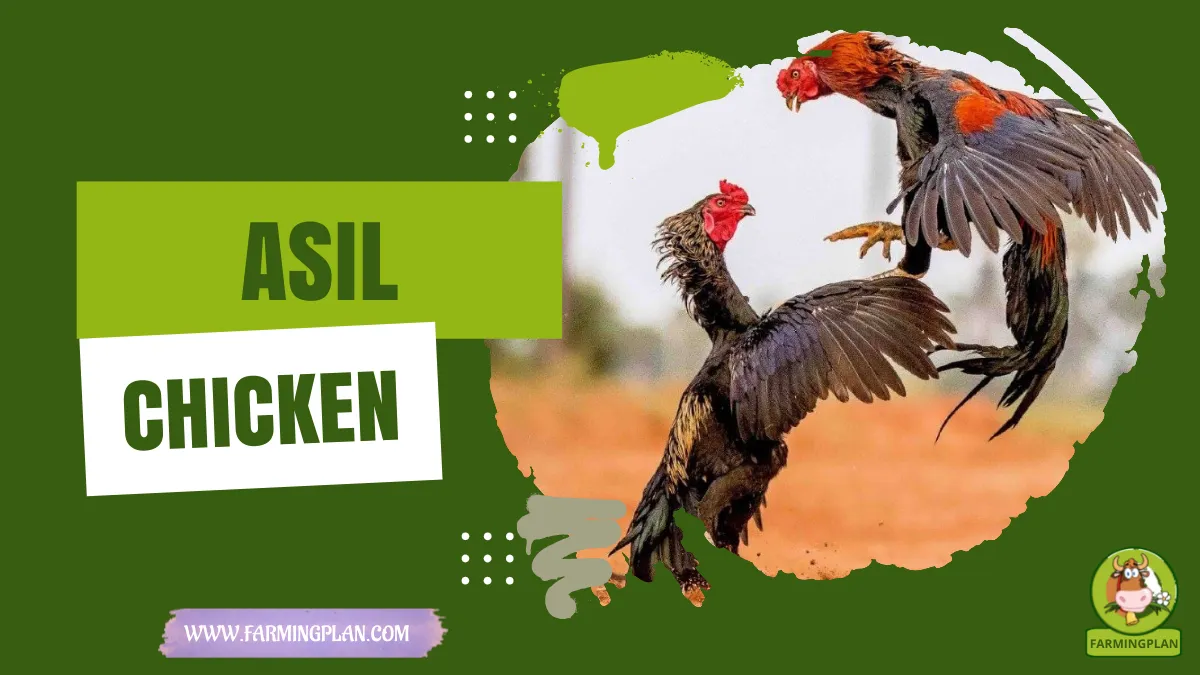
The Asil chicken stands among the toughest and most respected poultry breeds I have ever raised. Many people also call this breed Aseel chicken, and I often hear farmers discuss topics like Asil Chicken Price, Asil Chicken Female, Asil chicken eggs, and Asil Chicken origin before starting their flock. This ancient Indian chicken breed became famous for strength, hardiness, and powerful body structure. Farmers in India, Pakistan, and South Punjab have raised these birds for generations because they survive harsh conditions and show excellent natural instincts.
I enjoy working with Asil birds because they stay alert, active, and highly protective of their territory. Some people keep them for show birds, while others value them as game fowl or breeding stock. In this guide, I will share my personal experience about feeding, breeding, health care, egg production, farming methods, cold climate management, brooder setup, mating ratio, hatching eggs, and practical poultry management tips that actually work on real farms.
History & Origin of Asil Chicken
The history of the Asil chicken goes back hundreds of years. I first learned about this breed while studying old poultry records connected to India and Pakistan. Many poultry historians believe the breed started in ancient India before spreading across South Asia. The word “Aseel” means “pure bred” or “noble,” which perfectly matches the bird’s proud personality. With patience, clean housing, balanced nutrition, and smart breeding practices, Asil birds can thrive for many years.
Ancient Roots Of The Aseel Chicken
Farmers in regions like Lucknow, Sindh, and South Punjab developed different strains over time. These birds became famous because of their strength, muscular body, and fighting spirit. Traditional breeders carefully selected birds for stamina, intelligence, and gameness. That selective breeding created several well-known varieties like the Wheaten Aseel and Reza-type Asil.
Global Recognition And Breed Development
Over time, traders and poultry enthusiasts introduced Asil birds to Europe and North America. The breed later influenced the development of the Indian Game and even contributed genetics to modern broilers like the Cornish chicken. Organizations such as the American Poultry Association included the breed in the Standard of Perfection, helping preserve official breed standards. The Poultry Club of Great Britain, British standards, and Australian standards also recognized this unique chicken breed.
Modern conservation groups and the Food and Agriculture Organization of the United Nations continue tracking rare poultry genetics through systems like the Domestic Animal Diversity Information System and the Global Databank for Animal Genetic Resources. I believe the Asil breed survived so long because breeders respected its natural qualities instead of forcing fast production traits into the bloodline.
Reads More: Abergele Goat Powerful Farming Guide
Characteristics of Asil Chicken
Whenever I walk into an Asil flock, the first thing I notice is the bird’s confidence. These birds carry themselves like warriors. Males stand tall with broad shoulders, thick necks, and powerful legs. Females look smaller but still maintain a muscular frame compared to common hens like Rhode Island Reds or Plymouth Rocks.
Most Asil birds have:
- Tight feathers
- Hard muscular bodies
- Strong beaks
- Sharp eyes
- Pea combs
- Thick legs
- Upright posture
The breed comes in many Asil chicken colors including wheaten, black-red, white, brown, and mixed patterns. Some strains even show beautiful glossy feathers under sunlight.
Size, Egg Production, And Physical Traits
Adult males usually weigh between 4 to 7 pounds depending on the strain. Females stay smaller but remain sturdy and active. These birds mature slower than commercial poultry breeds, but they develop excellent muscle quality and strong carcass structure. Egg production stays moderate. Most Asil hens lay around 40 to 70 eggs yearly.
The eggs usually feature cream or light brown egg shell color. I notice many hens become extremely Broody, which makes them excellent natural mothers. Because of their genetics and natural hardiness, many breeders value the fertility percentage of quality breeding pairs. Good mating management helps maintain strong bloodlines and healthy chicks.
Nature & Temperament of Asil Chicken
The Asil chicken has one of the boldest personalities I have seen in poultry farming. These birds stay alert almost every second of the day. Males especially protect their territory and establish a clear pecking order quickly. Young birds often test each other for dominance. That behavior connects to the breed’s long history as Game fowl. Because of this trait, I always keep enough space inside the chicken run and fenced off area.
Crowded conditions create stress and unnecessary aggression. Despite their toughness, many Asil birds become friendly toward owners who handle them regularly. I often sit near my flock while feeding them yogurt, grains, and greens. Over time, they recognize my voice and approach calmly.
Suitability For Different Poultry Owners
I usually recommend this breed for:
- Experienced breeders
- Backyard poultry keepers
- Exhibition bird owners
- Conservation breeders
- Small farm hobbyists
I do not suggest Asil chickens for people who want high egg production. Commercial layers outperform them easily. These birds shine in hardiness, personality, and breeding value instead. The breed handles warm climates very well. In cold climate areas, I provide dry conditions and extra wind protection because their tight feathering offers less insulation than fluffy breeds.
Food & Diet of Asil Chicken
I feed my Asil flock carefully because these birds develop muscle slowly. Good nutrition directly affects fertility percentage, growth performance, and overall condition. Chicks need starter feed with high protein levels during the first weeks.
Adult birds thrive on:
- Corn
- Wheat
- Cracked grains
- Lentils
- Soybean meal
- Fresh greens
- Vegetable scraps
- Small insects
- Clean water
I sometimes mix yogurt into feed during hot weather because it supports digestion. Many traditional breeders in India and Pakistan also use fermented grains for better gut health.
Foods I Avoid Completely
I never feed:
- Moldy grains
- Salty snacks
- Raw spoiled meat
- Oily junk food
- Rotten vegetables
Poor-quality feed weakens immunity and increases disease risks. I also keep feeders dry because wet feed quickly attracts bacteria. Fresh water matters just as much as food. I clean water containers daily to reduce contamination and support healthy digestion. During summer, I add electrolytes to help birds handle heat stress.
Usage & Purpose
Historically, breeders valued the Asil chicken for strength and endurance. In some regions, people connected the breed with traditional cockfighting culture. Today, many countries restrict or ban such activities, so most responsible owners now focus on conservation breeding, poultry shows, and farming purposes.
I mainly raise Asil birds for:
- Breeding projects
- Show birds
- Backyard farming
- Meat quality
- Genetic preservation
The muscular carcass produces flavorful Asil chicken meat with firmer texture than commercial broilers.
Poultry Shows And Conservation Breeding
Many poultry enthusiasts display Asil birds at exhibitions and fairs such as the Indiana State Fair. Judges often examine posture, muscular build, feather condition, and breed standards. Breeders also work to preserve rare bloodlines because industrial poultry farming threatens older breeds. Groups involved with Conservation Priority Poultry Breeds encourage responsible breeding programs to protect genetic diversity. I believe preserving ancient poultry breeds matters because modern farming depends too heavily on a few commercial lines.
Special Features
The biggest strength of the Asil breed comes from natural hardiness. These birds tolerate heat, dry weather, and rough farm conditions better than many commercial breeds.
I notice they:
- Stay active in warm climates
- Resist stress well
- Develop strong immunity
- Show excellent mothering instincts
- Protect chicks aggressively
Asil hens often hatch chicks naturally without needing an incubator. Their strong broodiness makes them dependable mothers.
Rare Traits That Impress Breeders
Many breeders admire the breed’s:
- Muscular body
- Long lifespan
- High intelligence
- Sharp awareness
- Strong gameness
- Unique posture
Some strains also show excellent crossbreeding value because of their toughness and physical strength. Historically, breeders used Asil genetics while developing other meat-oriented poultry breeds. These birds also create strong emotional bonds with dedicated owners. I always enjoy watching them patrol the farm with confidence.
Health Issues & Prevention
Common Health Problems
Although Asil birds stay hardy, they still face health risks. I regularly monitor for:
- Respiratory infections
- Parasites
- Fowl pox
- Newcastle disease
- Marek’s disease
- Coccidiosis
Some veterinary studies even examined diseases like Plasmodium spp. and Toxoplasma gondii in poultry populations. Clean management greatly reduces these risks.
Sick birds often show:
- Low appetite
- Drooping wings
- Weakness
- Nasal discharge
- Weight loss
I isolate unhealthy birds immediately to protect the flock.
Prevention And Daily Care Tips
I follow strict preventive care methods:
- Keep housing dry
- Use proper vaccinations
- Clean feeders weekly
- Rotate pasture areas
- Remove wet bedding
- Control rodents
- Avoid overcrowding
A clean brooder remains critical for chicks. Young birds develop disease quickly in dirty conditions. I also maintain proper roost height because damp floors increase bacterial growth. Good airflow without cold drafts keeps birds comfortable year-round.
“Strong Birds Need Smart Care. I Always Say An Asil Chicken Rewards Patience, Good Feed, And Daily Attention Better Than Any Fancy Breed.”
Step-By-Step Farming Guide
Raising Asil chicken birds requires patience, planning, and consistency. I always tell new breeders that this breed grows slower than commercial poultry, but the reward feels worth the effort. Strong genetics, good feed, clean housing, and proper social management all play huge roles in success. When I started breeding Asil birds years ago, I made mistakes with overcrowding and feeding schedules. Over time, I learned how to create better systems for healthier birds and stronger fertility rates.
Complete Beginner-Friendly Asil Chicken Farming Guide
This guide explains the exact process I follow on my own poultry setup. I focus heavily on natural growth, disease prevention, proper mating ratio, and stress reduction. The breed performs best when owners understand its territorial personality and muscular development. Fast-growing methods rarely work well with Asil birds. If you follow these steps carefully, you can build a healthy flock suitable for breeding, show birds, backyard farming, or meat production. Patience matters more than expensive equipment. Good observation and daily care create stronger birds than shortcuts ever will.
Step 1 – Prepare Safe Housing And Chicken Run
I always prepare housing before bringing chicks or adult birds home. The coop must stay dry, secure, and well ventilated. Wet conditions quickly create respiratory problems and parasite issues.
I build:
- Strong fencing
- Raised flooring
- Separate breeding pens
- Predator-proof walls
- Comfortable roost areas
A spacious chicken run helps reduce fighting because Asil birds naturally establish pecking order behavior. I never overcrowd males. Too many roosters inside a small area creates stress and injuries. For cold climate management, I add dry bedding and block strong winds. Good airflow still matters because trapped moisture encourages disease growth.
Step 2 – Start Chicks With Proper Brooder Setup
Young chicks need stable warmth and clean surroundings. I use a brooder with soft bedding, safe heating, and clean feeders. Chicks require starter feed rich in protein for muscle development.
I monitor:
- Water cleanliness
- Heat levels
- Feather growth
- Activity levels
- Droppings
Healthy chicks stay active and alert. Weak chicks isolate themselves quickly, so I watch them carefully during the first weeks. I avoid slippery flooring because leg injuries affect future growth. I also introduce fresh greens gradually to improve digestion.
Step 3 – Manage Feeding And Growth Carefully
Asil birds mature slower than broilers, so balanced feeding becomes very important. I combine grains, greens, and protein sources for steady growth.
I use:
- Cracked corn
- Wheat
- Lentils
- Fresh vegetables
- Protein supplements
I avoid overfeeding because overweight birds lose stamina and breeding performance. Clean water remains available all day. Some traditional breeders use fermentation methods to improve digestion and feed efficiency. I sometimes add small yogurt portions during hot weather.
Step 4 – Build Strong Breeding Groups
Good breeding management improves fertility percentage and chick quality. I maintain balanced mating ratio systems to reduce stress on hens.
I usually keep:
- One rooster for several females
- Separate breeding pens
- Detailed breeding records
I select birds based on:
- Body structure
- Health
- Temperament
- Activity
- Breed standards
Strong genetics create stronger future generations. Weak or unhealthy birds should never enter breeding programs.
Step 5 – Maintain Health And Daily Observation
Daily observation helps me catch problems early. I inspect eyes, feathers, droppings, appetite, and activity every morning.
I maintain:
- Vaccination schedules
- Deworming routines
- Clean bedding
- Fresh air circulation
Any bird showing illness moves into quarantine immediately. Quick action prevents major outbreaks. Healthy Asil birds stay energetic, alert, and confident. Consistent care creates long-term success in poultry farming.
Reads More: Sumatra Chicken Amazing Heritage Breed Guide
Expert Tips & Best Practices
Practical Tips I Always Follow
- Keep breeding records for every bird.
- Never overcrowd adult males.
- Use dry bedding during rainy seasons.
- Rotate outdoor runs to control parasites.
- Buy quality hatching eggs from trusted breeders.
- Separate aggressive birds quickly.
- Use incubator backup during winter months.
- Maintain clean feeders and waterers daily.
- Provide shaded areas during extreme heat.
- Follow proper vaccinations schedules strictly.
Professional Breeding And Care Advice
I always tell beginners not to rush growth. Slow, steady development creates healthier Asil birds. Cheap feed usually causes expensive health problems later. Strong fencing matters because active birds explore constantly. I also recommend observing birds quietly every day. Chickens often show early illness signs before serious symptoms appear. Patience remains the secret ingredient in successful Asil farming.
FAQs
What Is The Origin Of Asil Chicken?
The Asil chicken originated in India and later spread across Pakistan and other Asian regions. Breeders developed the bird for strength, hardiness, and traditional game fowl qualities.
How Much Is The Asil Chicken Price?
The price depends on bloodline, age, color, and breeder reputation. Rare strains and show-quality birds often cost much more than standard backyard poultry.
Are Asil Hens Good Egg Layers?
Asil hens produce fewer eggs than commercial laying breeds. Most hens lay around 40 to 70 eggs yearly, but they become excellent broody mothers.
Is Asil Chicken Meat Good For Eating?
Yes, many farmers value Asil chicken meat because of its rich flavor and firm texture. The meat feels leaner and more muscular than fast-growing broilers.
Can Asil Chickens Live In Cold Climate Areas?
Yes, but owners must provide dry conditions and wind protection. Their tight feathering offers less insulation compared to fluffy cold-hardy breeds.
Conclusion
The Asil chicken remains one of the most fascinating poultry breeds I have ever raised. Its ancient history, muscular body, strong personality, and natural hardiness make it special for breeders, hobbyists, and farmers alike. While the breed may not match commercial birds in egg production, it offers outstanding breeding value, survival skills, and unique character. I always encourage new poultry keepers to study the breed carefully, provide proper care, and respect its natural instincts. If you enjoyed this guide, share it with fellow poultry lovers, leave a comment about your own farming experience, and help preserve this remarkable heritage chicken breed for future generations.