The Abergele Goat is one of the toughest indigenous goat types I have worked with in dry and semi-arid farming areas. Farmers in Northern Ethiopia value these goats because they survive harsh environments, grow well under traditional management systems, and support rural families through milk production, meat production, and breeding income. I often recommend Abergelle goat farming to small farmers because the animals adapt quickly to natural pasture conditions and require lower investment compared to exotic goat breeds.
Many livestock experts from places like Bahir Dar University and the Sirinka Agricultural Research Center have studied the growth performance, reproductive performance, body weight, kidding rate, and milk yield performance of Abergele goats. Their studies show that these goats handle dry season stress better than many other small ruminants. In this guide, I’ll share my practical experience about Abergele goat weight, characteristics, feeding, production systems, selective breeding, vaccination, community based breeding program methods, and daily husbandry practices that truly work for farmers.
History & Origin
The Abergelle goat comes from the dry lowland and mid-altitude districts of Northern Ethiopia, especially in Tigray and Wag Himera zones. Farmers in areas like Sekota district and Ziquala have raised these goats for generations. The breed developed naturally through domestication and adaptation to difficult environmental conditions. I’ve visited farming communities where families still depend heavily on Abergele goats for daily survival.
Local farmers traditionally selected goats based on body weight performance, coat colour, kidding ability, growth rate, and resistance to drought. Over time, these selective breeding practices created a hardy indigenous goat type that performs well under low-input production and reproduction systems. Unlike some imported goat breeds, Abergele goats thrive on natural pasture, shrubs, and limited feed resources.
Reads More: Sumatra Chicken Amazing Heritage Breed Guide
Traditional Farming Systems And Community Breeding
Most Abergele goat farms still use traditional management systems. Farmers allow goats to graze freely during the day and shelter them at night. In many districts, researchers introduced a community based breeding program to improve genetic resources and reproductive performance. These programs encourage farmers to use phenotypicaly supporior bucks for mating purposes.
Research from Veterinary Science departments and livestock sample survey projects has shown that controlled breeding improves average daily gain, conception rate, twinning rate, and milk production. I’ve seen farmers increase kid survival simply by choosing healthy breeding bucks and separating weak progenies from the breeding group. These improvements help protect valuable indigenous goat breeds while increasing farm income.
Characteristics
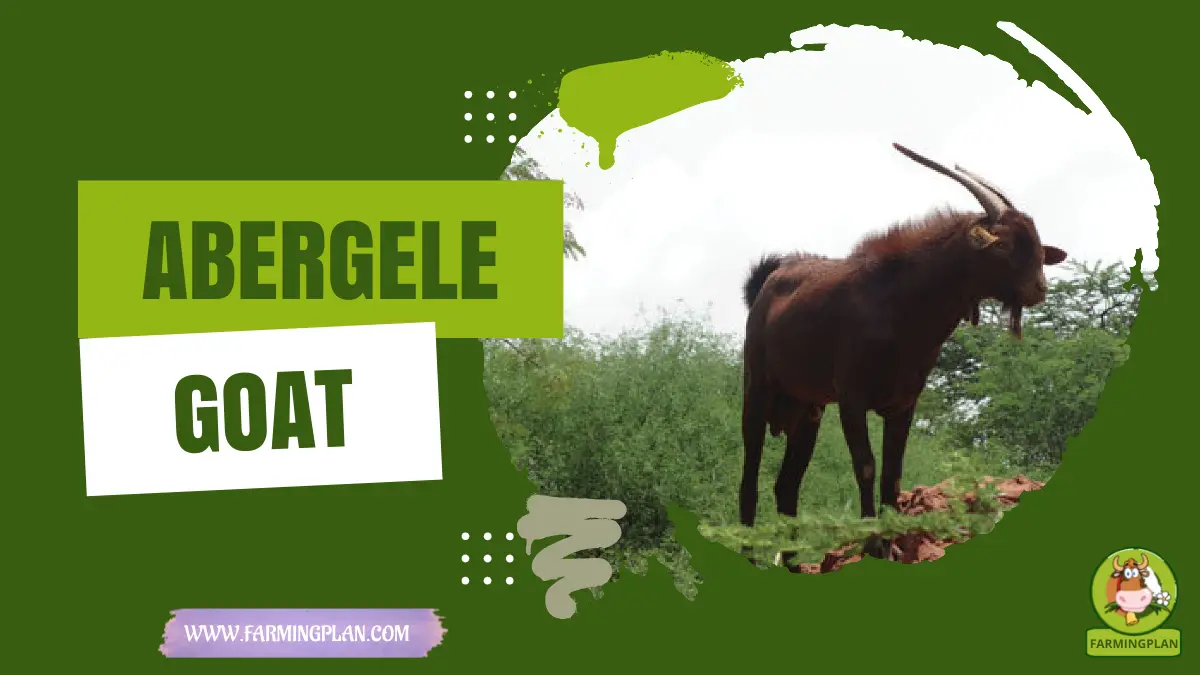
The first thing I notice about Abergele goats is their strong and compact body structure. These goats usually have medium body size with lean muscles and long legs that help them travel across rough grazing lands. Most animals show mixed coat colour patterns including white, brown, black, red, and gray combinations. Male goats usually grow larger than females. Adult bucks often show better body weight performance and stronger horn development.
Many goats carry curved horns, although some animals remain naturally polled. Their ears stay medium-sized and slightly drooping. Farmers often ask me about Abergele goat weight. Mature males generally weigh between 35–45 kg under traditional systems, while females usually weigh around 25–35 kg. Good nutrition and supplementing with wheat bran, cowpea hay, and noug cake can improve growth performance significantly.
Growth Performance And Milk Yield
One reason I admire this breed is its steady growth rate under difficult conditions. Studies on growth and milk production performance show that Abergele goats maintain stable body condition even during dry season shortages.
Female goats produce moderate milk yield levels that support healthy kid growth. Farmers rarely raise them as specialized dairy goats like Nubian or Performance of Toggenburg dairy goats, yet local households still benefit from their milk production. Their reproductive performance also stands out because many does maintain regular kidding intervals even under feed stress.
Nature & Temperament
Abergele goats behave actively and intelligently. I’ve noticed they quickly learn grazing routes and adapt well to changing environments. These animals remain alert and cautious, which helps them survive predator risks in open grazing systems.
Unlike some aggressive goat breeds, Abergele goats usually show calm social behavior within the herd. Bucks can become competitive during mating periods, but proper management reduces fighting problems. Farmers appreciate their easy movement and natural browsing ability because the goats feed on shrubs, bushes, and dry grasses with little supervision.
Suitability For Farmers And Smallholders
I often suggest this breed for beginner farmers because the goats tolerate management mistakes better than sensitive exotic breeds. Families with limited resources can still maintain productive herds using traditional feeding systems.
Children and elderly farmers also manage these goats comfortably because the animals rarely become overly aggressive. Their adaptability makes them ideal for mixed farming systems involving sheep, cattle, and other small ruminants. I’ve seen Abergele goats share grazing areas successfully with Arsi-Bale goats, Navaho sheep, and Gaddi sheep in community farming zones.
Food & Diet
Feeding plays a huge role in body weight and reproductive success. In most Ethiopian production systems, Abergele goats graze on natural pasture, shrubs, dry leaves, and crop residues. During rainy months, pasture quality improves and goats gain weight faster. Dry season feeding creates the biggest challenge. I always tell farmers not to rely only on poor-quality grass during feed shortages. Supplementing with protein-rich materials helps maintain postpartum doe body weight and fetal growth.
Good feed options include:
- Wheat bran
- Cowpea hay
- Noug cake
- Legume fodder
- Mineral salt blocks
- Clean water
- Tree leaves and browse plants
Feeding Tips For Better Growth Performance
Young kids need strong nutrition from birth weight through weaning. I encourage farmers to provide flushing scheme feeding before breeding seasons because it improves conception and kidding weight performance. Avoid sudden feed changes because digestive problems reduce growth rate quickly. Dirty water and moldy feed can also trigger reproductive problems and disease outbreaks.
Balanced feeding supports milk yield performance, stronger immunity, and better average daily gain. I personally divide feeding into morning grazing, afternoon supplementation, and evening shelter feeding. This routine improves digestion and reduces stress in hot environments. Share your farming experience in the comments, and don’t forget to pass this guide along to fellow goat lovers and livestock farmers.
Usage & Purpose
The Abergele goat mainly supports meat production systems. Farmers sell mature bucks during religious festivals and local market seasons because buyers prefer lean meat with good flavor. Many rural households depend on these goats as emergency financial support. Families often sell one or two animals to pay school fees, buy seeds, or handle medical expenses. This flexible income source makes the breed extremely valuable in drought-prone areas.
Milk Production And Breeding Programs
Although not classified as a specialized dairy breed, Abergele goats still contribute to household nutrition through milk production. Fresh goat milk supports children and elderly family members in remote districts. Community-based breeding programs also use these goats for genetic improvement projects. Researchers study phenotypic and genetic parameters, kidding intervals, season of birth effects, and reproductive efficiency. These projects help conserve important genetic resources while improving productivity.
Special Features
One of the most impressive features of Abergele goats is their ability to survive extreme heat and poor grazing conditions. Many imported breeds struggle in Northern Ethiopia, but these goats continue producing under difficult situations. Their efficient browsing behavior allows them to utilize feed resources other animals ignore. This natural efficiency reduces feeding costs for small farmers.
Strong Reproductive Performance
Abergele goats maintain reliable reproductive performance even under traditional husbandry practices. Good does often produce healthy kids regularly with fewer complications.
Key strengths include:
- Strong mothering ability
- Good kid survival rates
- Better drought tolerance
- Disease resistance
- Efficient feed conversion
- Adaptation to low-input systems
I’ve personally seen farmers double herd productivity after introducing selective breeding and better vaccination schedules.
Health Issues & Prevention
Like all livestock, Abergele goats face several health challenges. Poor sanitation and overcrowding increase disease risk rapidly. Some reproductive diseases also affect kidding rates and milk production.
Common health problems include:
- Brucellosis
- Toxoplasma gondii infection
- Coxiella burnetii
- Chlamydophila abortus
- Internal parasites
- Pneumonia
- Foot rot
- Abortion storm problems
Veterinary Science studies in Northern Ethiopia have linked many reproductive problems to poor disease management and weak vaccination coverage.
Prevention And Smart Herd Management
I always focus more on prevention than treatment. Clean shelters, dry bedding, and regular veterinary support reduce most disease outbreaks.
Important prevention methods include:
- Vaccination programs
- Deworming schedules
- Isolation of sick animals
- Clean water access
- Balanced feeding
- Proper kidding supervision
- Serological examinations when outbreaks occur
Farmers should contact veterinary professionals quickly if they notice abortion in sheep and goats, severe diarrhea, breathing problems, or sudden weakness. Early treatment saves lives and protects the whole herd.
Step-By-Step Abergele Goat Farming Guide
When I started raising Abergele goats seriously, I learned that success comes from consistency. Many beginners fail because they rush breeding, ignore nutrition, or overcrowd the animals. These goats survive tough environments, but smart management still improves profits greatly.
Practical Farming System For Better Results
A proper farming system should combine housing, feeding, breeding, health management, and selective breeding practices. I always encourage farmers to begin with healthy breeding stock from trusted farms. Strong genetic resources help improve milk yield performance, growth performance, and kidding success. Good management also reduces mortality during dry season stress. Farmers who follow structured husbandry practices usually achieve better body weight performance and healthier progenies. Below are the exact steps I personally follow on my goat farms.
Step 1 – Choose Healthy Breeding Goats
Start with active and disease-free animals. I examine body condition, horn structure, coat quality, teeth, and movement before buying any goat. Select does with strong mothering ability and regular kidding history. Bucks should show strong growth rate and masculine appearance. Avoid weak animals with poor appetite or breathing problems.
Step 2 – Build Proper Housing
Goats need dry, clean, and well-ventilated shelters. I build raised-floor housing whenever possible because it keeps bedding dry during rainy periods. Separate pregnant does, young kids, and breeding bucks into different sections. Overcrowding spreads disease quickly and creates stress.
Step 3 – Create A Feeding Schedule
Morning grazing works best in cooler temperatures. I provide supplement feeds during afternoon and evening hours. Use wheat bran, cowpea hay, mineral mix, and clean water regularly. During drought periods, increase supplementation to protect reproductive performance and milk production.
Step 4 – Follow Controlled Breeding Practices
I avoid random mating because selective breeding improves herd quality. Use phenotypicaly supporior bucks for controlled breeding programs. Record conception dates, kidding intervals, birth weight of kids, and twinning rate. These records help improve future breeding decisions.
Step 5 – Maintain Health And Vaccination
Vaccination and parasite control remain essential. I deworm goats every few months and inspect hooves regularly. Clean feeding containers daily and isolate sick animals immediately. Fast action prevents large disease outbreaks in the herd.
Reads More: Affenpinscher Dog: Charming Little Companion
Expert Tips & Best Practices From My Farm
Smart Strategies For Better Goat Production
After years of raising indigenous goat breeds, I’ve learned several lessons that consistently improve results:
- Always buy goats from healthy farms with strong breeding history
- Keep accurate breeding and kidding records
- Rotate grazing areas to reduce parasite problems
- Provide mineral supplements year-round
- Never ignore early disease symptoms
- Protect newborn kids from cold winds and rain
- Use community based breeding program support when available
- Improve dry season feeding before breeding periods
- Avoid breeding underweight does
- Work closely with veterinary officers and support teams
Common Mistakes Farmers Should Avoid
Many farmers lose money because they skip basic management practices. I often see poor results from overcrowding, dirty water, and weak breeding selection.
Avoid these mistakes:
- Using unhealthy bucks for mating purposes
- Feeding moldy or spoiled feed
- Delaying vaccination
- Ignoring reproductive problems
- Keeping wet bedding inside shelters
- Selling the best breeding females too early
Strong management creates healthier goats, better milk yield, and higher market value.
FAQs
What Is The Average Abergele Goat Weight?
Adult Abergele bucks usually weigh between 35–45 kg, while females average around 25–35 kg under traditional management systems. Better feeding and selective breeding can improve body weight performance.
Where Do Abergele Goats Originate?
Abergele goats come from Northern Ethiopia, especially Tigray and Wag Himera zones. Farmers in Sekota district and nearby areas have raised them for generations.
Are Abergele Goats Good For Meat Production?
Yes, farmers highly value these goats for meat production because they grow well in dry environments and produce lean meat with good market demand.
How Often Do Abergele Goats Give Birth?
Healthy does usually kid once every 8–12 months depending on nutrition, season of birth, and management quality. Good feeding improves conception and kidding performance.
What Do Abergele Goats Eat?
These goats mainly eat natural pasture, shrubs, leaves, and crop residues. Farmers also use wheat bran, cowpea hay, noug cake, and mineral supplements for better growth and milk production.
Conclusion
The Abergele Goat stands out as one of the most practical and resilient indigenous goat breeds for farmers living in challenging environments. I’ve seen these goats survive harsh dry seasons, maintain steady reproductive performance, and support families through meat production, milk yield, and breeding income. Their adaptability, strong growth performance, and low management costs make them ideal for smallholders and commercial farmers alike. With proper feeding, vaccination, selective breeding, and smart husbandry practices, farmers can improve body weight performance and overall herd productivity significantly. If you’re planning to start goat farming or improve your current herd, Abergele goats deserve serious consideration.