The rock dove pigeon holds a fascinating position in our natural world, bridging the gap between wild sea cliffs and our bustling cities. When I first started working with these birds, I quickly realized how amazingly adaptable and smart they are. Known scientifically as Columba livia, this species from the family Columbidae spans across Europe, North Africa, Asia, and North America. Master rock dove pigeon care with expert tips on habitat, diet, breeding, and health. Unlock secret avian strategies for thriving birds today!
Whether you call them rock doves, city pigeons, or feral pigeons, these birds carry a rich genetic lineage. Many people confuse the native wild rock dove with the common wood pigeon (Columba palumbus), but key differences in plumage patterns, size, and pale grey wings help distinguish them easily. Today, I want to share my hands-on experience so you can understand their biological background, unique behavior, and essential daily care requirements.
History & Origin of Rock Dove Pigeon
The deep history of this remarkable bird spans thousands of years of human civilization and global interaction. Archeological digs show that humans formed strong bonds with these birds in ancient Mesopotamian cultures, where people carved their images on cuneiform tablets and Egyptian hieroglyphics. Early farmers built specialized stone cotes to collect valuable droppings for fertilizer and gather eggs for food. Over millennia, artificial selection transformed wild cliff-dwelling birds into dedicated homing pigeons, agile racing pigeons, and beautiful ornamental pigeon breeds. Charles Darwin actually studied these exact domestic pigeons extensively to formulate his landmark theories on natural selection and evolution.
During major historical conflicts, including World War I and World War II, military forces deployed trained avian messengers within the Signal Corps. These brave birds saved thousands of human lives by flying critical intelligence across active battlefields, earning prestigious honors like the Dickin Medal for their extraordinary bravery. European settlers eventually introduced domestic strains to North America, Australia, and various offshore islands like Sardinia. Over time, escaped domestic birds established thriving populations of feral rock pigeons. Today, true genetically pure wild rock dove populations remain largely restricted to remote rocky coasts like the Outer Hebrides, while feral descendants flourish across capital cities worldwide.
Read More: Pot-bellied Pig: Perfectly Precious Pigs
Characteristics of Rock Dove Pigeon
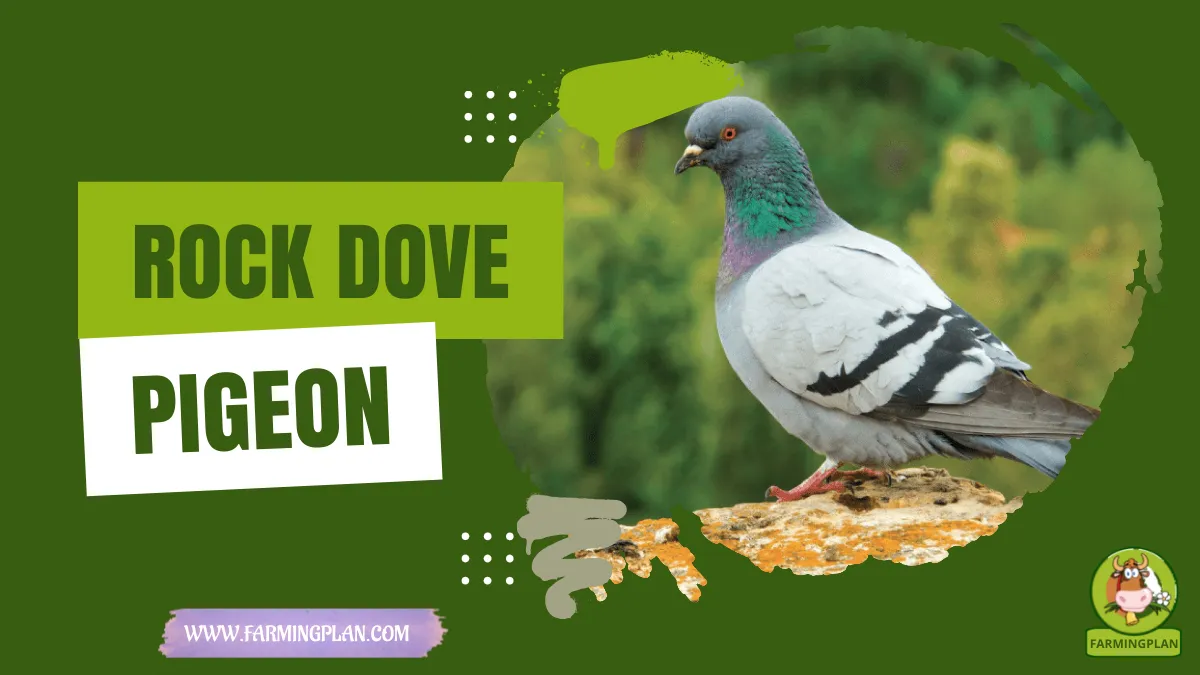
Recognizing the exact physical traits of this species requires a careful look at their beautiful iridescent sheen and unique feathering. Standard birds display a lovely bluish-grey head, neck, and chest, complemented by distinct dark bars across their pale grey wings. Their neck feathers contain rich concentrations of melanin, creating brilliant green and purple iridescence under direct sunlight. Their reddish-orange eyes offer sharp visual acuity, while their dark bill features a white fleshy base called a cere. When you compare a rock dove vs wood pigeon, you will notice the wood pigeon is larger and sports a prominent white neck patch.
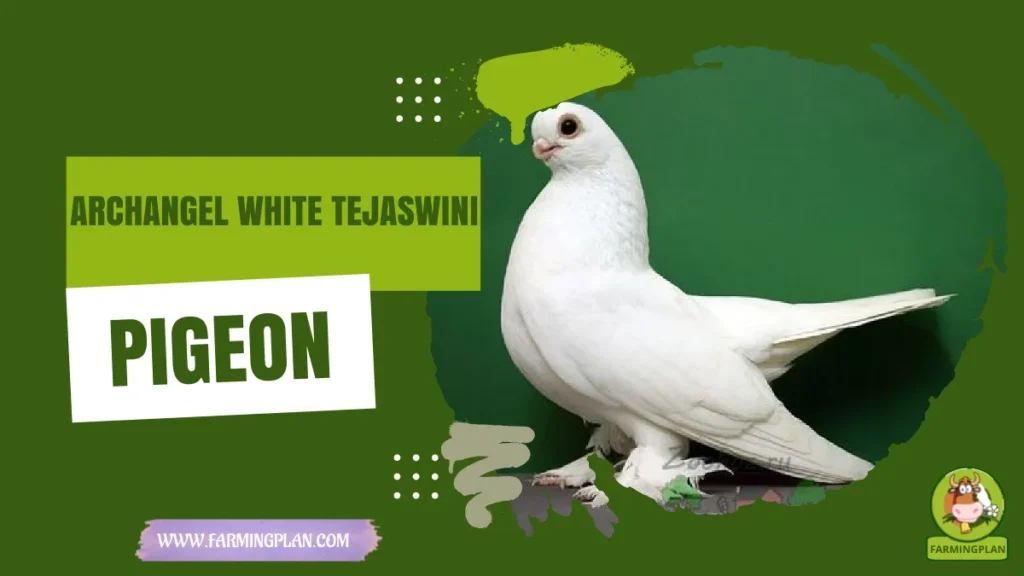
Genetic diversity among domestic lines and feral populations produces a wide range of striking color variations and feather patterns. Specialized pigment cells, specifically pheomelanin and eumelanin, create gorgeous coats ranging from deep red to pure white or checkered patterns. Their aerodynamic body structure features powerful pectoral muscles that drive efficient avian flight mechanics. These physical adaptations allow them to achieve impressive flying speeds while maintaining agility in flight. Additionally, their well-developed feet handle rough artificial cliff faces, high grain towers, and urban building ledges with ease.
Nature and Behavioral Temperament of Rock Dove Pigeon
Working directly with these intelligent creatures reveals their remarkable social structure and highly cooperative nature. They live in structured flocks, establishing clear social hierarchies through gentle cooing sounds and expressive visual displays. These birds form strict monogamous pair bonds that often endure for their entire adult life. Both parents actively share daily responsibilities, from building twig-and-straw platform nests to defending their territory. Their calm, steady temperament makes them remarkably comfortable living near human settlements, city parks, and busy bird feeders.
Their cognitive capabilities extend far beyond basic survival instincts. They possess incredible navigation skills powered by sensitive internal receptors that detect the Earth’s magnetic fields. This innate homing ability allows them to navigate complex landscapes and return to their home lofts across hundreds of miles. They also display complex social learning, recognizing individual human faces and remembering specific daily feeding schedules. Whether raised in dedicated rural aviaries or urban parks, these gentle birds show incredible dignity, curiosity, and emotional intelligence toward their human keepers.
Food Guidelines and Diet Management of Rock Dove Pigeon
Providing complete, balanced nutrition remains the absolute cornerstone of maintaining healthy avian flocks under your care. In their natural habitat, these birds forage primary grains, wild seeds, berries, and occasional small invertebrates. Domestic lofts require a high-quality mix containing field peas, corn, wheat, sorghum, and safflower seeds to meet daily energy demands. During active molting seasons or demanding racing schedules, you must increase protein levels to support healthy feather regeneration and muscular endurance.
Proper mineral supplementation plays a vital role in maintaining optimal digestion and eggshell strength. Always provide free-choice mineral grit containing crushed oystershell, limestone, and charcoal to help their gizzard grind tough grains efficiently. Clean, fresh water must remain available at all times, as these birds drink using a unique pumping action rather than tilting their heads back. Pay close attention to their water metabolism and osmoregulation, especially during warm weather. Avoid feeding processed bread, salty snacks, or spoiled grains, as these items cause severe digestive upset and metabolic distress.
Usage and Purpose in Rock Dove Pigeon
Throughout human history, people have kept and bred these versatile birds for many distinct practical purposes. Farmers value their nutrient-rich droppings as an organic, nitrogen-dense soil amendment for vegetables and crops. Selective breeding programs have generated specialized performance strains, such as homing pigeons used for sports, communication, and competitive racing events. Fancy pigeon breeders showcase unique ornamental breeds with specialized plumage patterns, unusual beaks, and dramatic display behaviors at competitive shows.
Beyond sport and agriculture, these birds continue to play vital roles in modern scientific research and biological conservation studies. Researchers analyze their sensory perception, internal endocrinology, and navigation systems to understand broader animal biology. Environmental scientists monitor urban feral pigeon populations to measure heavy metal pollution and assess urban ecosystem health. Furthermore, organizations like the Audubon Society and the Smithsonian National Museum of Natural History highlight these birds in citizen science initiatives like Project FeederWatch, educating the public about avian urban adaptation.
Special Features and Biological Adaptations of Rock Dove Pigeon
This species possesses extraordinary physiological features that distinguish them from almost all other avian groups. One remarkable adaptation is their ability to produce “pigeon milk,” a protein-rich secretion generated in the crop lining of both parents. Controlled by the hormone prolactin, this nutrient-dense substance feeds newly hatched chicks during their first days of life. This unique nutritional strategy ensures fast chick growth independent of external insect availability.
Their navigation apparatus represents another marvel of natural engineering. They utilize a multi-modal navigation system, combining visual landmarks, solar positioning, atmospheric scent cues, and sensitivity to the Earth’s magnetic fields. Their advanced respiratory system regulates internal body temperatures efficiently through rapid panting during hot periods, demonstrating superior thermoregulation. Their sturdy eggshell gas exchange mechanics ensure healthy embryonic development even in dry, challenging climates like desert and arid habitats.
Health Issues and Preventive Medical Care of Rock Dove Pigeon
Maintaining robust flock health requires constant vigilance, strict hygiene protocols, and early disease detection strategies. Common health challenges include respiratory infections, external parasites like feather mites, and internal protozoan infections such as Trichomonas gallinae (commonly called canker). Watch closely for early symptoms like dull eyes, ruffled feathers, watery droppings, or reduced flight activity. Isolate any bird showing signs of illness immediately to prevent pathogens from spreading across your entire flock.
| Disease / Condition | Common Symptoms | Preventive Measures | Treatment Strategy |
| Canker (Trichomonas) | Yellow deposits in throat, lethargy, weight loss | Clean waterers daily, avoid overcrowding | Veterinary antiprotozoal medications |
| Respiratory Infection | Nasal discharge, open-mouth breathing, wheezing | Provide good loft ventilation, keep bedding dry | Targeted antibiotic therapy under vet care |
| External Parasites | Damaged feathers, excessive scratching, restlessness | Apply approved dusts, maintain clean nesting material | Topical antiparasitic treatments |
| Coccidiosis | Watery or bloody droppings, weight loss | Keep loft floors dry, perform regular scraping | Specific coccidiostats added to drinking water |
Preventive care starts with maintaining an ultra-clean loft environment and proper nutrition. Scrub and sanitize all feed troughs and water fountains every week to break disease cycles. Ensure your housing setup provides plenty of fresh air circulation without creating cold drafts. Regularly check your birds for signs of illness, quarantine newly acquired stock for at least thirty days, and consult a qualified avian veterinarian to establish proper vaccination protocols for your region.
“Every Great Avian Journey Begins With Understanding Your Feathered Companion’s Heritage.”
Pet Owner Care Guide and Setup of Rock Dove Pigeon
Setting up a safe, comfortable, and functional home for your birds requires thoughtful planning and attention to detail. Proper housing protects your birds from harsh weather and keeps out dangerous predators like hawks, rats, and raccoons. Follow these practical steps to build a ideal loft setup and establish a rewarding daily care routine for your feathered companions.
Step 1: Design and Build Proper Loft Housing
Construct your loft in an elevated, well-drained area that receives plenty of natural sunlight each morning. Build spacious wire flight pens attached to secure wooden roosting quarters so your birds enjoy fresh air daily. Provide at least four square feet of floor space per bird to prevent stress, territory fights, and disease buildup. Install secure locks on all access doors to keep out curious nocturnal predators like raccoons or stray cats.
Equip the inner loft space with smooth wooden perches arranged at varying heights to encourage short flights and healthy leg exercise. Avoid placing perches directly above one another so droppings do not fall on lower birds. Line the solid loft floor with safe, absorbent bedding materials such as kiln-dried wood shavings or clean river sand for easy daily maintenance.
Step 2: Set Up Feeding and Watering Stations
Position heavy, tip-proof feed hoppers elevated slightly above the floor bedding to keep food clean and dry. Use covered water fountains designed specifically for birds to prevent droppings from contaminating their drinking supply. Place a dedicated grit dish nearby so your birds can access digestive minerals whenever they need them. Clean and refill all water containers every morning without fail, especially during warm summer weather. Sanitize feed dishes thoroughly at least once a week using warm soapy water and a mild disinfectant solution. Keep extra feed stored in sealed, heavy-duty metal containers to keep out wild rodents and pest insects.
Step 3: Prepare Breeding Boxes and Nesting Platform Setup
Construct sturdy wooden nesting boxes measuring at least fourteen inches high, wide, and deep to give breeding pairs ample room. Place two plastic or wooden nest bowls inside each box so the pair can raise a new clutch while still feeding their older chicks. Supply clean nesting materials nearby, such as short pine needles, dry twigs, or shredded straw.
The parent birds will gather these materials to build sturdy twig-and-straw platform nests inside their private boxes. The female typically lays two white eggs per clutch, with incubation shared by both parents for eighteen days. Maintain a quiet, calm environment during this delicate time to prevent unnecessary parent stress and egg abandonment.
Step 4: Establish Daily Cleaning and Health Inspection Routines
Scrape away accumulated droppings from perches, nest fronts, and floor spaces every single morning. Replace soiled floor bedding regularly to control dust, dampness, and harmful ammonia fumes inside the building. Open high-level ventilation louvers to maintain a continuous flow of fresh air through the upper loft area without creating low drafts.
Perform brief visual health inspections while feeding your flock each day. Observe how your birds stand, fly, eat, and interact with their loft mates. Healthy birds appear bright, alert, and active, featuring clean feathers around their vent and holding their wings tight against their bodies.
Read More: Angeln Saddleback Pig Care and Breeding Guide
Expert Tips for Avian Success for Rock Dove Pigeon
- Maintain a strict daily feeding schedule to build trust and strengthen your bond with your flock.
- Keep detailed breeding records tracking parent lineages, egg laying dates, band numbers, and chick hatch dates.
- Provide wide, shallow water pans twice weekly so your birds can bathe and maintain clean, healthy feathers.
- Quarantine every new bird in a separate building for thirty days before introducing them to your main loft.
- Mix fresh garlic or specialized multivitamin supplements into their drinking water once a week to boost immune health.
- Install high perches in your flight pens so birds can exercise their wings naturally and feel secure.
FAQs
What is the typical rock dove pigeon lifespan in captivity versus the wild?
In wild habitats, harsh weather, predators, and disease limit their average lifespan to about three to five years. However, under protective human care with good nutrition and veterinary attention, these birds frequently live twelve to fifteen years or even longer.
How can you tell a rock dove vs wood pigeon apart easily?
The rock dove pigeon features a smaller body, pale grey wings with two dark bars, and brilliant neck iridescence. In contrast, the wood pigeon is noticeably larger, displays a distinct white neck patch, and shows bold white wing bars during flight.
Are rock pigeons domesticated or wild birds?
The species includes both wild rock dove populations and domestic descendants bred for racing, exhibition, or meat. Feral pigeons living in modern cities are actually descendants of domestic birds that escaped and adapted back to urban environments.
What type of nest does a rock dove build?
They construct simple twig-and-straw platform nests on sheltered ledge surfaces, artificial cliff faces, or interior nest boxes. Both parents gather dry twigs, grass stems, and pine needles to build a sturdy bowl for their eggs.
What is the conservation status of wild rock dove populations?
The IUCN Status for the global species is listed as Least Concern (LC) due to immense total population numbers. However, pure wild rock doves face ongoing genetic threats from hybridization with abundant feral rock pigeons across their native European range.
Conclusion
Understanding the history, behavioral traits, and nutritional requirements of the rock dove pigeon allows you to provide an enriching environment for these resilient birds. Whether you manage performance racing stock, raise fancy exhibition breeds, or maintain a peaceful backyard aviary, establishing good daily care routines ensures your flock stays vibrant and healthy. By providing secure housing, clean water, quality grains, and routine sanitation, you honor a deep human-avian connection that spans thousands of years. Take time to observe your birds daily, learn their subtle behaviors, and enjoy the rewarding experience of keeping these intelligent companions. What steps will you take today to improve your bird housing setup and flock care routine? Share your thoughts and photos with our community below!