I’ve worked with many duck breeds over the years, but the Shetland Duck always stands out for its resilience, beauty, and historical value. If you’re searching for Shetland ducks for sale, curious about Shetland duck eggs, or wondering about male vs female differences, you’re in the right place. This rare waterfowl comes from the rugged Shetland Islands in Scotland, and it thrives in tough maritime conditions where many commercial ducks struggle. In this guide, I’ll walk you through everything—from Shetland duck characteristics and temperament to feeding, breeding, and conservation. Whether you’re a smallholder farmer, hobby breeder, or backyard poultry lover, I’ll share practical tips from my real-life experience. Let’s explore why this indigenous Shetland duck deserves a place in your flock.
History & Origin
The Shetland Duck traces its roots back to the remote Shetland Isles of Scotland. Local crofters raised these ducks for centuries under harsh weather conditions. I’ve studied records from places like Trondra, Foula, and Burland Croft, where farmers relied on these hardy birds for eggs and meat. Their ability to survive on limited feed made them essential to traditional island life.
Influence of Nordic and Local Breeds
Many experts believe Vikings brought early duck stock to the islands. Over time, these birds mixed with local waterfowl and possibly Swedish duck types like Black Swedish and Swedish Blue duck. This natural selection process created a unique breed adapted to cold climates, strong winds, and wet environments.
Conservation and Global Recognition
Today, the Shetland Duck holds an endangered status. Organizations like Rare Breeds Survival Trust and Livestock Conservancy recognize its genetic importance. It also appears in the Domestic Animal Diversity Information System (DAD-IS), managed by the Food and Agriculture Organization of the United Nations. I always tell farmers—raising this breed isn’t just farming, it’s conservation. Keeping pure breed stock helps preserve biodiversity and supports global efforts to protect rare duck breeds.
Read More: Jinhua Pig: China’s Ancient Breed of Pork!
Characteristics
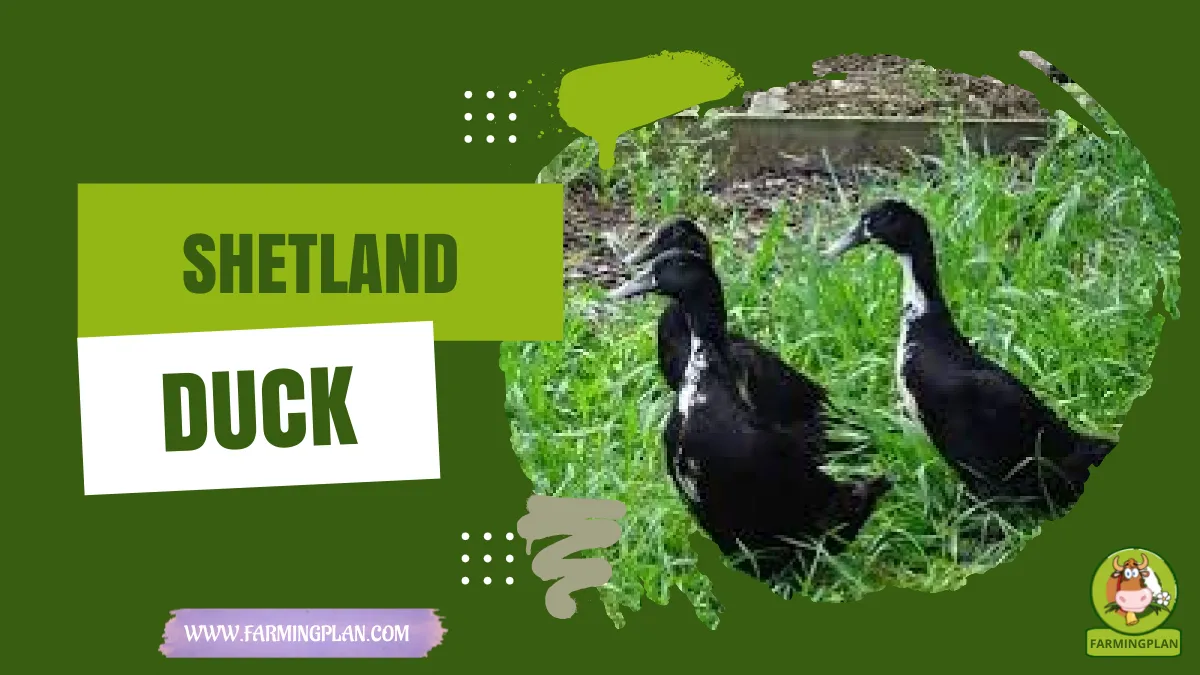
When I first saw a Shetland Duck, I noticed its striking black/brown feathers with a green shine. Many birds also have white bibs, which give them a charming look. Their beak and legs are typically dark, and their size stays moderate compared to heavy breeds like Pekin.
Male vs Female Differences
In my flock, I easily spot the drake (male) because he’s slightly larger and has a more upright posture. Females usually appear softer in build and focus more on egg production. If you’re raising Shetland duck male or female birds, you’ll notice males are more vocal during breeding season.
Egg and Growth Traits
These ducks are reliable layers. Shetland duck eggs often come in light shades, and hens show good fertility rates. While they don’t match commercial layers like Khaki Campbell, they produce enough eggs for small farms. Their market weight remains moderate, making them ideal for low-impact agriculture rather than commercial meat production.
Nature & Temperament
From my experience, Shetland Ducks have a calm and balanced temperament. They don’t panic easily, which makes them great for beginners. However, they also show independence and enjoy foraging on their own.
Excellent Foraging Skills
These ducks love to explore. I often let them roam, and they find insects, snails, and plants efficiently. This reduces feed costs and improves their health naturally. Their strong foraging instinct comes from generations of survival in harsh island conditions.
Suitability for Different Owners
If you run a small farm or backyard setup, these ducks fit perfectly. They adapt well to farm flocks and coexist with other duck breeds like Welsh Harlequin or Saxony. I recommend them for breeders, hobbyists, and anyone interested in sustainable poultry farming.
Food & Diet
When I raise Shetland Ducks, I always begin with a strong feeding foundation because diet directly affects egg production, fertility, and overall health. I prefer using a high-quality poultry feed as the base, but I never rely on it alone. I mix grains like wheat, corn, and barley with fresh greens such as spinach, duckweed, and grass. This combination gives my ducks the right balance of carbohydrates, vitamins, and fiber.
Protein plays a major role in development and egg laying. I include natural protein sources like insects, worms, and sometimes fish scraps. For laying females, I make sure they get enough calcium by offering crushed oyster shells or eggshells. This keeps their eggs strong and prevents health problems.
I also adjust the diet based on age and season. Ducklings need starter feed with higher protein, while adults do well with a maintenance mix. During colder months, I increase energy-rich grains to help them maintain body heat. Feeding isn’t just about filling their stomach—it’s about building strong, productive birds.
Natural Foraging – Nature’s Free Nutrition System
One of the biggest advantages of raising Shetland Ducks is their excellent foraging ability. I always allow them to roam freely whenever possible because they naturally find a wide range of food. They eat insects, snails, small plants, and even weeds, which reduces my feed costs significantly.
Foraging also improves their immune system. Ducks that explore and eat natural foods tend to be healthier and more active. I’ve noticed that their feathers look shinier and their energy levels stay high when they have access to open land. This natural diet also enhances egg quality. The yolks become richer in color, and the taste improves noticeably.
I often rotate grazing areas to keep the land healthy and prevent overuse. This also reduces the risk of parasites and disease. If you’re raising ducks on a small farm or backyard, even a small garden space can provide valuable nutrition through foraging.
Feeding Dos and Don’ts – Practical Rules I Follow
Over the years, I’ve learned that what you don’t feed is just as important as what you do feed. I always avoid moldy or spoiled grains because they can cause serious health issues. Ducks are sensitive to toxins, so I make sure all feed stays fresh and dry. Clean water is absolutely essential. Ducks need water not only for drinking but also for swallowing food properly. I always keep fresh water available and change it regularly to prevent contamination. Without enough water, ducks can struggle with digestion.
I also control portion sizes carefully. Overfeeding leads to obesity, which reduces egg production and affects breeding performance. I prefer feeding smaller amounts multiple times a day instead of one large meal. I never give overly processed or salty food. Natural feeding works best for this breed. A well-managed diet supports strong immunity, better fertility, and a longer lifespan.
Usage & Purpose
In my farming experience, Shetland Ducks are dependable egg layers, especially for small-scale operations. They may not compete with high-production commercial breeds, but they offer consistent output over time. I recommend them to farmers who want steady egg production without relying on industrial systems. Their eggs are perfect for home consumption and local markets.
Many customers appreciate the natural quality and taste. Because these ducks forage a lot, their eggs often have richer flavor and better nutritional value. This makes them attractive for niche markets and organic farming setups. I also find that their laying pattern remains stable even in challenging weather conditions. This reliability makes them a valuable addition to any farm flock focused on sustainability.
Meat Quality and Traditional Cooking Value
Although Shetland Ducks are not bred primarily for meat, I still value their contribution in this area. Their meat has a rich, natural flavor that works best with slow cooking methods. I often recommend traditional recipes that allow the meat to become tender and flavorful over time. Unlike fast-growing commercial ducks, these birds grow at a slower pace. This results in better texture and taste.
Farmers who focus on quality rather than quantity will appreciate this difference. I’ve seen increasing interest in heritage and traditional foods, and Shetland Ducks fit perfectly into that trend. Their meat appeals to customers who prefer natural and ethically raised poultry. Role in Sustainable and Eco-Friendly Farming One of the main reasons I keep Shetland Ducks is their role in sustainable agriculture. They act as natural pest controllers by eating insects and weeds. This reduces the need for chemical pesticides and improves soil health.
They also require fewer inputs compared to commercial breeds. Their ability to forage and adapt to harsh conditions makes them ideal for low-impact farming systems. I often recommend them to farmers who want to reduce costs while maintaining productivity. In integrated farming setups, they work well alongside crops and other livestock. Their presence creates a balanced ecosystem that benefits the entire farm.
Special Features – What Makes This Breed Truly Unique
Exceptional Cold Tolerance and Hardiness
One of the first things I noticed about Shetland Ducks is their ability to handle cold weather. These birds come from harsh island environments, so they naturally adapt to low temperatures, strong winds, and wet conditions. I don’t need to provide excessive heating in winter, which reduces my maintenance costs.
Their strong feathers and natural resilience protect them from extreme climates. This makes them perfect for regions where other breeds might struggle. Their hardiness also means fewer health issues and better survival rates. For farmers in challenging environments, this trait alone makes them worth raising.
Genetic Importance and Cultural Heritage
Shetland Ducks are more than just farm animals—they represent an important part of agricultural history. Their genetic makeup reflects centuries of natural selection and traditional farming practices. I always encourage breeders to maintain pure lines because crossbreeding can dilute their unique traits. Preserving this breed helps protect biodiversity and supports global conservation efforts. These ducks also connect us to the past. They remind us of how farmers once relied on hardy, self-sufficient animals to survive. Keeping them alive today means honoring that legacy.
Unique Appearance and Show Value
Visually, Shetland Ducks stand out in any flock. Their dark feathers with a green shine create a beautiful effect in sunlight. Many birds also have white bibs, which add to their charm. nI’ve had visitors stop and admire these ducks because of their striking look. Some breeders even raise them for exhibition and show purposes. Their natural beauty makes them popular among poultry enthusiasts. If you enjoy keeping attractive and rare birds, this breed will definitely impress you.
Health Issues & Prevention
Like all waterfowl, Shetland Ducks can face certain health challenges if not managed properly. One of the most common issues I’ve seen is internal parasites, especially liver fluke. These parasites often come from wet or poorly maintained environments. Ducks can also suffer from bacterial infections if their housing becomes dirty or overcrowded. External pests like mites may appear if hygiene is neglected. While this breed is generally hardy, poor management can still lead to problems.
“Strong Birds Thrive Where Nature Challenges Them—Raise Ducks That Love The Land As Much As You Do.”
Step-by-Step Farming Guide
Raising Shetland Duck successfully requires planning, patience, and proper care. I’ve raised these ducks in different environments, and I can tell you—they reward consistency. From setting up housing to managing ducklings and adult birds, every step matters. If you’re starting a farm flock or adding this rare breed to your poultry collection, follow these steps carefully. I’ll break everything down into simple, practical actions you can follow easily.
Step 1: Setting Up Housing
I always start with a secure shelter. Ducks need protection from predators and harsh weather. Build a dry, well-ventilated house with enough space for movement. Use straw bedding and keep it clean. Wet bedding leads to disease, so I change it regularly. Provide access to a small pond or water container because ducks need water for cleaning and feeding.
Step 2: Choosing Healthy Ducklings
When buying Shetland ducklings, I check for active behavior, bright eyes, and clean feathers. Avoid weak or dull birds. Reliable breeders maintain pure breed stock, so always verify the source. This helps preserve genetic quality and ensures strong birds.
Step 3: Brooder Setup for Ducklings
Young ducklings need warmth. I use a brooder with controlled temperature for the first few weeks. Provide clean water and starter feed. Keep the brooder dry and safe. Gradually reduce heat as they grow stronger.
Step 4: Feeding and Nutrition Plan
I feed a balanced diet with grains, greens, and protein. Allowing natural foraging improves health and reduces costs. Fresh water must always stay available. Ducks rely on water for digestion, so never limit access.
Step 5: Daily Care Routine
Every day, I check feed, water, and shelter conditions. Clean the area and observe bird behavior. Healthy ducks stay active and alert. Any unusual behavior needs immediate attention.
Step 6: Breeding and Egg Management
For breeding, I keep a proper ratio of drake to females. This improves fertility and egg production. Collect eggs daily and store them safely. If you plan hatching, maintain proper incubation conditions.
Read More: Pietrain Pig: A Fast Mutating Breed
Expert Tips & Best Practices
Pro Tips from My Experience
- I always allow free-range time for better health and lower feed cost
- Keep water clean to prevent disease
- Choose pure breed stock for conservation
- Rotate grazing areas to maintain hygiene
- Monitor egg production trends
- Protect ducks from extreme heat and predators
- Join breed clubs or online groups for knowledge sharing
FAQs
What is the lifespan of a Shetland Duck?
Shetland Ducks usually live around 8–12 years with proper care. Good nutrition and a clean environment extend their lifespan.
Are Shetland Ducks good egg layers?
They produce a moderate number of eggs. While not commercial-level layers, they work well for small farms and home use.
How can I tell male vs female Shetland Duck?
Males appear slightly larger and more vocal. Females focus more on laying and have a softer appearance.
Are Shetland Ducks endangered?
Yes, they are considered a rare and endangered breed. Conservation efforts aim to preserve their population.
Where can I find Shetland ducks for sale?
You can find them through specialized breeders, breed clubs, or rare poultry networks. Always verify authenticity before buying.
Conclusion
From my experience, the Shetland Duck offers a perfect mix of beauty, resilience, and sustainability. It thrives in tough conditions, provides reliable eggs, and supports biodiversity through conservation. Whether you’re a farmer, hobbyist, or breeder, this duck brings real value to your flock. If you’re passionate about rare breeds and sustainable farming, I encourage you to start raising Shetland Ducks today. Share your experience, ask questions, and connect with other breeders—your journey can help preserve this amazing breed for future generations.