I have worked with many rare livestock breeds over my farming career, but nothing beats the resilient White Horned Heath Sheep for managing rough terrain. As a farming specialist who loves heritage livestock, I fell in love with these tough animals the moment I saw them grazing across nutrient-poor plants without breaking a sweat. Known in Germany as the Weiße Gehörnte Heidschnucke, this member of the Northern European short-tailed sheep family hails directly from the heathland regions of Lower Saxony. Unlike their cousins, the German Grey Heath or the black-and-white Moorschnucke, these animals sport clean white wool alongside imposing curved horns on both rams and ewes.
They act like natural landscape gardeners, transforming brush, heather, and rough grass into valuable land while staying healthy on sparse diets. In this guide, I will walk you through my real-world advice on their origins, diet, care habits, and farming strategies so you can decide if this rare breed fits your homestead. By incorporating the White Horned Heath Sheep into your homestead, you support a rare heritage breed while benefiting from the unmatched hardiness of the White Horned Heath Sheep across every season.
History & Origin of White Horned Heath Sheep
My journey with this heritage breed began when I researched how ancient farmers survived on sandy soil across Northern Europe. The White Horned Heath sheep originated in the Lüneburg Heath region of northern Germany, where they evolved alongside harsh environments for centuries. Farmers needed a hardy animal that could live on nutrient-poor plants, oak forest edges, and soggy moors where typical livestock would simply perish. This breed emerged as a distinct branch of the Heidschnucke family, adapted perfectly to graze heather and dense brushes. They helped clear brush, supplied local communities with mutton and wool, and provided vital manure fertilizer to keep poor soils productive for crops.
As modern industrial farming expanded across the European Union, large heavy breeds began replacing traditional hill sheep. By the mid-20th century, numbers plummeted, placing these magnificent animals on the red list for endangered breeds managed by local breed society groups. Organizations like BUND and international biodiversity networks stepping up to protect this animal genetic resource saved them from total extinction. Today, conservation areas like Naturpark Lüneburger Heide rely on them to clear invasive saplings and preserve fragile ecosystems. Raising these historic animals connects my modern homestead directly to centuries of European pastoral history.
Read More: Ticks Control Guide: Protect Your Property and Pets
Characteristics of White Horned Heath Sheep
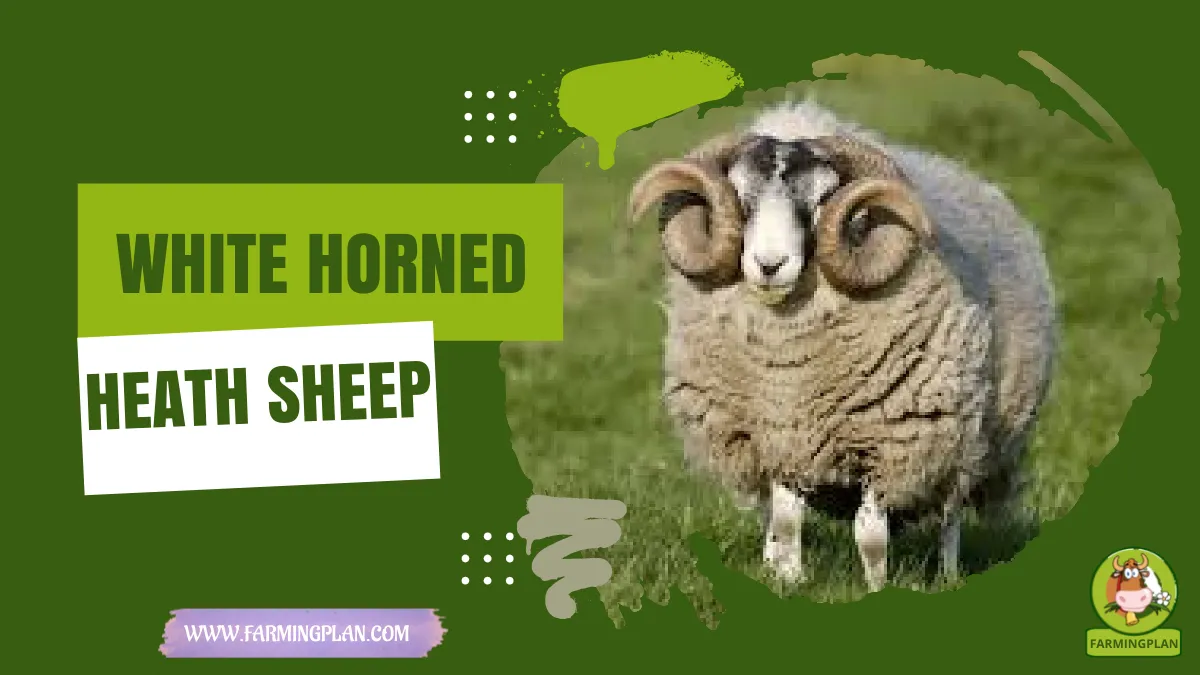
When you first step into a pasture of these sheep, their striking appearance immediately catches your eye. Both rams and ewes carry magnificent spiral horns that frame their white heads, making them stand out against hornless breeds like the White Polled Heath. They possess a dense dual-coated fleece that naturally repels rain, snow, and bitter winds. The outer coat features long coarse wool fibers, while the inner undercoat stays soft and warm. Their compact bodies and strong legs let them navigate rocky hill paths, wet moorlands, and dense brush effortlessly.
| Feature | White Horned Heath Sheep | Standard Commercial Sheep |
| Horns | Present on both rams and ewes | Polled (hornless) in most breeds |
| Fleece Type | Weather-resistant dual-coat wool | Single-layer uniform fleece |
| Tail Structure | Northern European short-tailed | Long tail (often docked) |
| Foraging Ability | Thrives on brush, heather, and weeds | Requires high-quality grass pasture |
| Body Build | Medium frame, light-footed and agile | Heavy frame, meat-focused bulk |
Over my years of stock breeding, I have noticed distinct variation in horn shapes between individual animals. Rams grow large, sweeping spirals that give them a proud, prehistoric look, while ewes grow shorter, outward-curving horns. They belong to the primitive short-tailed group, which means you do not need to perform tail docking during lambing season. Their pure white coats sometimes display light tan markings around the face or legs, reflecting their rugged Scandinavian and North European lineage.
Nature & Temperament of White Horned Heath Sheep
Handling these energetic animals requires a slightly different approach than managing dociles like Hampshire Down or Dorset Down breeds. Because they retain strong primitive instincts, they stay extremely alert to their surroundings at all times. They form tight flocking bonds, moving across large pastures as a unified group whenever they sense potential danger. When I walk into their pasture, they observe me carefully, maintaining a respectful distance until they know my intent.
Despite their alert nature, they respond wonderfully to calm handling and consistent routine. Once my flock learned to trust me, they started running toward the gate at the sound of my voice. They make fantastic choices for smallholders, conservation graziers, and hobby farmers who want independent animals that do not panic easily. Rams can act protective during the autumn breeding season, so you should always stay mindful around mature males with full horns.
Food & Diet of White Horned Heath Sheep
Feeding these sheep remains one of the most satisfying parts of my farm routine because they prefer rough forage over expensive feeds. Their digestions adapt perfectly to fibrous vegetation, including woody shrubs, coarse grasses, and mountain heather. If you put them on lush, high-protein clover pastures meant for commercial breeds, they can easily overeat and develop metabolic issues. I always keep them on native pastures, oak forest edges, or brushy hillsides where they can browse naturally.
During harsh winter months, I supplement their diet with medium-quality grass hay rather than rich alfalfa. You must always provide free-choice livestock minerals formulated specifically for sheep, ensuring zero added copper to prevent mineral toxicity. Clean, fresh water must remain available every single day, even when they graze wet moorlands.
- Dos:
- Offer access to rough brush, coarse grasses, and native woody plants.
- Provide clean water and sheep-safe mineral blocks daily.
- Feed plain grass hay during snowy winter periods.
- Don’ts:
- Do not pasture them on rich, heavily fertilized dairy cow grass.
- Do not feed grain concentrates unless ewes nurse multiple lambs.
- Never use cattle minerals that contain supplemental copper.
Usage & Purpose of White Horned Heath Sheep
In my farming experience, this breed offers incredible versatility for modern sustainable agriculture. Their primary agricultural job centers on conservation grazing, where they act as natural landscape gardeners. They clear tough brush, prevent oak saplings from overrunning native heathland, and preserve endangered plant species across nature reserves. Land managers across Europe value them because their light hooves do not destroy fragile topsoil like heavy machinery or larger cattle herds do.
Beyond land management, they yield unique high-value products for niche culinary markets. Their meat features a rich, lean flavor often compared to wild venison rather than greasy commercial mutton. Local European traditions feature their meat in famous dishes like Heidjerknipp sausage, savory Heidschnuck ragout, and roasted Heidschnuck lamb fillet. The Slow Food Ark of Taste recognizes these products for exceptional culinary heritage. Furthermore, artisans process their tough outer wool into heavy rugs, felt products, and durable outdoor gear.
Special Features of White Horned Heath Sheep
What makes these animals truly unique is their ability to transform marginal land into high-value agricultural output. While popular modern breeds like the Valais Blacknose, Dutch Spotted, or Herdwick require good pasture to thrive, this breed thrives where other animals starve. Their double coat provides absolute protection against freezing rain and snowstorms, letting them live outdoors year-round in temperate regions.
Their high natural resistance to common livestock ailments sets them apart from delicate modern farm animals. Mother ewes possess exceptional maternal instincts, producing rich mother’s milk that speeds up early lamb growth on minimal feed. They also carry a centuries-old cultural identity, standing alongside heritage icons like the Four-horned Viking sheep, Loaghtan sheep, and Ouessant sheep. Owning a flock supports global biodiversity initiatives by maintaining valuable genetic diversity within our food supply chain.
Health Issues & Prevention of White Horned Heath Sheep
My flock has proven remarkably tough over the years, but every shepherd must practice proactive healthcare to prevent avoidable diseases. Because these sheep evolved in dry sandy soils and upland moors, keeping them in muddy, waterlogged lowland pens can lead to foot problems like foot rot. I make sure my barn floors stay dry and bedding remains fresh every week.
Regular parasite monitoring keeps worm burdens low without overusing chemical dewormers. I run rotational grazing schedules, moving the flock across different pasture paddocks to break parasite lifecycles naturally. Inspect their eyes, teeth, and hooves every few months during routine shearing or wool trimming sessions.
- Foot Rot: Causes limping and tissue inflammation between toes; prevent by keeping pastures drained and trimming hooves twice yearly.
- Internal Parasites: Causes weight loss and pale gums; prevent through active pasture rotation and selective deworming based on fecal tests.
- Flystrike: Occurs when flies lay eggs in damp wool during warm weather; prevent by keeping fleece clean around the rear end.
- External Lice: Causes scratching and wool loss; treat with approved topical livestock dusts during early spring.
Tip: Always keep clean straw bedding in your winter shelter to keep hooves dry and prevent common foot rot issues before they ever start.
Every Hard Working Farmer Needs A Hardy Sheep That Turns Poor Land Into Golden Opportunity.
Step-by-Step Farming Guide for White Horned Heath Sheep
The White Horned Heath Sheep is a remarkably resilient breed, and raising the White Horned Heath Sheep allows farmers to manage challenging, nutrient-poor landscapes with absolute ease. Historically thriving on northern European moors, the White Horned Heath Sheep utilizes its dense dual coat and strong foraging instincts to transform woody brush and native heather into valuable meat and wool.
Raising this hardy breed successfully requires setting up a solid management routine from day one. Below, I have laid out my proven step-by-step strategy for managing a thriving flock throughout the year on marginal land. Both rams and ewes of the White Horned Heath Sheep feature striking spiral horns that set them apart from hornless livestock, while the high adaptability of the White Horned Heath Sheep makes it a top choice for sustainable landscape conservation.
Step 1: Secure Fencing and Barn Setup
When setting up space for your flock, you must construct strong, reliable perimeter fencing before bringing animals home. These agile sheep jump higher than heavy commercial breeds, so I recommend woven wire fencing at least four feet tall. Secure all pasture corners and ensure bottom wires sit tight against the ground to prevent dogs or coyotes from squeezing underneath. Inside the paddock, build an open-front shelter that blocks prevailing winds and driving rain. Fill the floor area with dry wood shavings or fresh straw to provide comfortable resting beds.
Step 2: Pasture Management and Rotation Planning
Divide your available acreage into smaller rotational paddocks using portable electric netting or permanent wire fences. I move my flock to new grazing sections every week to allow grazed plants time to recover fully. This practice prevents overgrazing, manages soil fertility naturally through sheep manure, and disrupts parasitic worm life cycles. Include brushy areas, forest edges, or rough hillsides in your rotation scheme, as these sheep love browsing woody plants alongside regular grass.
Step 3: Daily Feeding and Water Protocols
Start every morning by checking water troughs to guarantee a continuous supply of clean drinking water. Walk through the pasture to inspect forage conditions and observe how actively the animals move across the ground. Place weather-resistant mineral tubs containing copper-free sheep minerals near water stations. During late fall and winter when green forage stops growing, introduce high-fiber grass hay gradually to prevent digestive distress.
Step 4: Breeding and Lambing Preparation
Select strong, healthy rams with good horn symmetry and clear eyes for autumn breeding operations. I introduce my ram to ewes in November, which sets up spring lambing when weather improves and early spring grass emerges. Ewes carry lambs for roughly five months, requiring minimal human intervention during labor. Prepare clean indoor lambing pens stocked with warm bedding, towels, and iodine spray for newborn navels. Ensure every lamb consumes warm mother’s milk within four hours of birth to build strong immunity.
Step 5: Routine Shearing and Hoof Care
Schedule annual shearing sessions in early spring before hot summer temperatures arrive. Because their double-coated fleece grows thick and dense, removing wool prevents heat stress and reduces flystrike risks. Use sharp hand shears or electric clippers carefully around their curved horns and facial features. Check every hoof during shearing, trimming excess hoof wall growth with sharp foot trimmers to maintain proper foot balance.
Read More: Argenté De Champagne Rabbit: Amazing French Silver Guide
Expert Tips & Best Practices for Homestead Success of White Horned Heath Sheep
- Train your flock to follow a bucket of sweet feed so you can move them easily without chasing them.
- Install high rubbing posts in pastures so sheep can scratch off loose winter wool naturally.
- Keep detailed breeding logs to track performance data, birth dates, and lambing rates every season.
- Avoid over-supplementing with commercial grain, as excess calories cause digestive health problems in primitive sheep.
- Mix them into multi-species grazing systems alongside cattle or goats to improve overall pasture health.
- Join a recognized breed society to connect with prospective buyers and share valuable genetic stock.
- Store your harvested wool in breathable burlap sacks to preserve fiber quality before selling or spinning.
FAQs
What makes the White Horned Heath Sheep different from other Heidschnucke breeds?
This breed features a pure white fleece and distinct horns on both rams and ewes. Unlike the German Grey Heath or Moorschnucke, it carries a unique combination of white wool color and strong horn growth across both sexes.
Can these sheep live outside during freezing winter weather?
Yes, their thick double coat provides exceptional insulation against rain, wind, and low temperatures. As long as you provide a simple three-sided windbreak shelter and dry bedding, they stay comfortable outdoors year-round.
Are White Horned Heath Sheep good choices for small homesteads?
They excel on small homesteads, especially properties with rough terrain, brush, or poor soil quality. Their compact size, light feed requirements, and natural foraging habits make them cost-effective to raise.
How often do these sheep need wool shearing?
You should shear your sheep once every year, preferably during mid-to-late spring. Removing their thick fleece before summer keeps them cool and prevents dangerous skin infestations like flystrike.
Do female White Horned Heath Sheep grow horns?
Yes, ewes of this traditional breed grow attractive, outward-curving horns. While their horns stay smaller than the massive sweeping spirals found on rams, they remain a defining breed characteristic.
Conclusion
Raising White Horned Heath Sheep offers a fantastic way to produce valuable wool and lean meat while restoring marginal land naturally. Throughout this guide, we explored their historic roots in German heathlands, their striking horned appearance, their low-input diet, and practical farming steps for homesteaders. These resilient animals thrive where modern commercial breeds struggle, making them ideal partners for eco-friendly farming and landscape conservation. By adding these heritage sheep to your property, you help preserve an endangered breed while enjoying low-maintenance livestock management. If you feel inspired to start your own heritage flock or want to learn more about conservation grazing, leave a comment below or share this guide with fellow farmers today!