The Alaskan Malamute isn’t just any dog — it’s one of the oldest sled dogs ever bred by the Inuit tribe for endurance, loyalty, and power. I’ve always admired these incredible dogs for their ability to pull heavy sleds across long distances through snow and ice. With their thick fur, muscular build, and soulful eyes, Malamutes represent both beauty and resilience. In this guide, I’ll walk you through everything I’ve learned about their history, temperament, diet, training, and health, along with some expert tips on raising a happy, healthy Malamute. Whether you’re a pet owner, breeder, or outdoor enthusiast, this majestic breed will surely melt your heart — even in the coldest of winters.
History & Origin
The Alaskan Malamute traces back thousands of years to the Mahlemut Inuit tribe in the Kotzebue Sound region of Alaska. These dogs were bred to haul sleds, hunt seals, and help transport supplies across the harsh Arctic tundra. They weren’t built for speed like the Siberian Husky — instead, they were bred for strength and endurance.
The Malamute’s ancestry possibly connects to ancient breeds like the Greenland Dog and Canadian Eskimo Dog, both working alongside early Thule people. When I first learned about this, I was amazed to discover how the breed’s deep connection with humans helped entire communities survive brutal winters.
The American Kennel Club (AKC) officially recognized the Alaskan Malamute in 1935, and its heritage remains honored through programs like the AKC DNA Program and Public and Judge Education initiatives. Their legacy is even featured on AKC centennial stamps, showing just how iconic this breed truly is.
Read Also: Saint Bernards
Characteristics
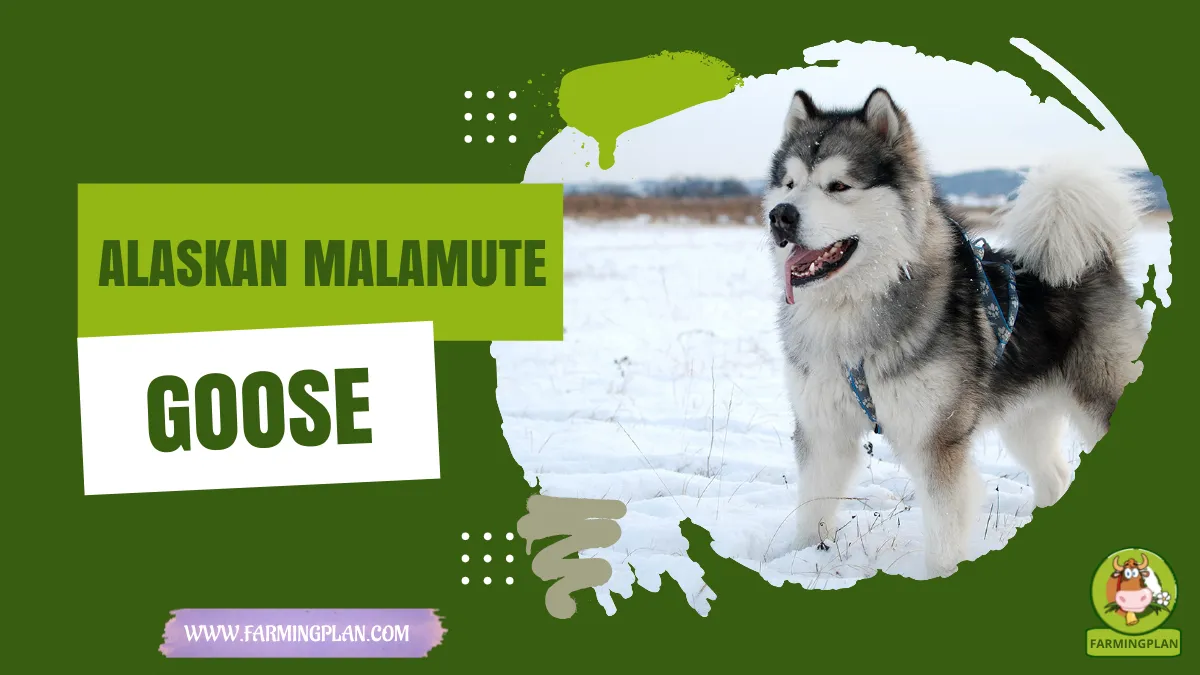
When you meet an Alaskan Malamute, the first thing you notice is that thick, double coat — perfect for surviving freezing temperatures. They have a broad head, almond-shaped eyes, erect ears, and that signature plume-like tail curling over their back. A mature male can weigh between 85–100 pounds, while females are slightly smaller. Their colors range from light gray to black, sable, or red, always with white markings.
The AKC breed standard highlights a strong, balanced body with deep chest and powerful legs — built to pull heavy sleds across snow. I love how expressive their faces are; their eyes can appear mischievous or wise depending on their mood. Despite their size, Malamutes carry themselves gracefully, and when you see them run, you instantly understand why they’re born for long-distance endurance.
Nature & Temperament
The Alaskan Malamute might look intimidating, but beneath that thick fur is a gentle, affectionate soul. These dogs thrive on companionship and hate being left alone for long periods. They’re incredibly loyal to their families but often show a stubborn streak — which, if you ask me, just adds to their charm. As natural pack animals, Malamutes love teamwork. That’s why they excel in dog sports like Back Packing, Weight Pull, and dog-sport training.
They need consistent leadership, plenty of daily exercise, and a fenced yard to burn off energy. They’re not ideal guard dogs since they love people too much, but they’ll always alert you if something feels off. For families with kids, a well-trained Malamute can be a gentle giant — but supervision is key. Their high prey drive makes them less suited for homes with small pets.
Read Also: Boxer Dog: Most Popular Breeds
Food & Diet
A strong dog like the Alaskan Malamute needs a balanced diet packed with nutrients. I recommend high-quality dry dog food that lists real meat (like chicken, lamb, or salmon) as the first ingredient. These dogs burn a lot of calories, especially if they’re active, so the food should support muscle recovery and joint health. You can also include healthy extras like cooked eggs, brown rice, or fish oil for a shiny coat.
Always avoid chocolate, grapes, onions, or processed human food — they can trigger health issues like Gastric Dilatation and Volvulus (bloat) or autoimmune disorders. And don’t forget hydration! Malamutes love cold weather but still need fresh water, especially after long runs or hikes. Some owners also consider pet health insurance since these large breeds can face costly treatments over time.
Usage & Purpose
Historically, the Alaskan Malamute was bred for sled pulling, hauling heavy loads through Arctic conditions. Today, they’ve found a new purpose in dog sports, search and rescue, and as beloved family companions. I’ve seen Malamutes compete in Weight Pull, Back Packing, and even long-distance running events. They absolutely love challenges that test their stamina.
Beyond work, they also serve as emotional support dogs — their calm nature and empathy make them great for therapy work. Their adaptability has made them popular across the world, not just in Alaska. From snow trails to suburban parks, the Malamute thrives wherever there’s space to roam and an owner willing to invest in regular training and exercise.
Special Features
What sets the Alaskan Malamute apart isn’t just its physical power — it’s the heart behind it. They have an uncanny ability to connect emotionally with their owners, forming deep bonds of trust and loyalty. Their double coat offers insulation and weather resistance, while their paw pads are designed for traction on ice. Their strength and endurance make them capable of pulling loads many times their body weight.
But one feature I find fascinating is their vocalization — they don’t bark much but rather “talk” through howls, grumbles, and chirps. You’ll hear a Malamute’s joyful howl echo during playtime, and it’s unforgettable! As the AKC breed standard says, they are “an affectionate, loyal companion, dignified but playful.” And honestly, that describes them perfectly.
Health Issues & Prevention
Like all large breeds, the Alaskan Malamute is prone to several health issues. Common conditions include hip dysplasia, Progressive Retinal Atrophy (PRA), idiopathic epilepsy, Alopecia X, and zinc-responsive dermatosis. Some may also suffer from VKH Syndrome, an autoimmune disorder that affects pigmentation. I always recommend routine vet visits, early screenings, and a balanced diet to prevent joint or skin issues.
Supplements like glucosamine, omega-3 fatty acids, and zinc can support their overall health. Dental hygiene is another must. Malamutes are prone to dental disease, so brushing their teeth regularly and providing chew toys helps prevent buildup. Keeping your Malamute active, clean, and well-fed is the best way to ensure a long, healthy life.
Step-by-Step Pet Owner Care Guide For Alaskan Malamutes
Owning an Alaskan Malamute is a rewarding experience — but it’s not for everyone. These dogs require time, attention, and a structured environment. Here’s my step-by-step guide for anyone planning to raise one.
Step 1: Setting Up Your Home
Before bringing your Malamute home, ensure you have a fenced yard and plenty of space. These dogs are explorers and can dig or escape if left unattended. Invest in sturdy gates and keep hazardous materials locked away. Inside, create a comfortable resting area with a large, soft bed and durable toys. Remember, Malamutes shed heavily twice a year, so a vacuum and grooming tools are your best friends. I also like to install cooling mats to help them stay comfortable in warmer months.
Step 2: Nutrition And Feeding Routine
Feed your Malamute two to three balanced meals a day using high-quality dry dog food. Choose formulas designed for large, active breeds. Add in healthy treats for training, but avoid overfeeding — obesity can worsen hip dysplasia. I often mix kibble with cooked chicken or fish for variety. Always provide fresh water and monitor their appetite. If you notice bloating or vomiting, check for Gastric Dilatation and Volvulus symptoms and call your vet immediately.
Step 3: Training And Socialization
Training a Malamute takes patience and consistency. They’re intelligent but independent thinkers. Start puppy training early, focusing on house training and basic obedience. Positive reinforcement — treats, praise, and play — works wonders. Enroll them in training classes or join dog sports clubs for structured learning. Exposing your Malamute to different people, pets, and environments early on helps prevent aggression and anxiety later.
Step 4: Exercise And Outdoor Activities
Alaskan Malamutes need at least two hours of daily exercise. I love taking mine hiking or running long distances with a dog backpack. These activities satisfy their natural instincts and keep them mentally sharp. In summer, exercise during cooler hours to avoid overheating. In winter, let them play in snow — it’s their natural element. If you live in an apartment, you’ll need extra walks and mental stimulation like puzzle toys.
Step 5: Grooming And Health Maintenance
Grooming a Malamute can feel like a full-time job, especially during shedding seasons. Brush them at least three times a week using a slicker brush and undercoat rake. Bathing should be occasional to avoid stripping natural oils. Regular vet checkups, vaccinations, and flea prevention are essential. Don’t forget nail trimming and dental cleaning — small details that make a huge difference in long-term health.
Expert Tips & Best Practices
- Always keep your Malamute mentally stimulated with toys and challenges.
- Use social media to join Malamute owner groups for support and ideas.
- Train daily, not occasionally — consistency builds trust.
- Invest in pet health insurance early to cover potential health costs.
- If adopting, look into the AKC Rescue Network or AKC Marketplace for reputable breeders.
- Introduce grooming from puppyhood — it makes future care easier.
- Keep them cool in hot weather; their dense coat can overheat them fast.
- Never underestimate their strength — use proper leashes during walks.
FAQs
Q1: Are Alaskan Malamutes good family dogs?
Yes, they’re loving, loyal, and great with kids if socialized early. Just be mindful of their size and strength.
Q2: How much exercise does an Alaskan Malamute need?
They need about two hours of vigorous activity daily, including walks, runs, or dog sports.
Q3: Do Alaskan Malamutes shed a lot?
Absolutely! They “blow” their coat twice a year, meaning massive shedding. Regular brushing helps.
Q4: What health problems are common in Alaskan Malamutes?
Hip dysplasia, PRA, Alopecia X, and zinc deficiencies are common. Regular vet care helps prevent complications.
Q5: Can Alaskan Malamutes live in warm climates?
Yes, but with care — keep them indoors during hot days and ensure plenty of water and shade.
Conclusion
Owning an Alaskan Malamute is like welcoming a piece of Arctic history into your life. They’re loyal, affectionate, and endlessly energetic — but they also need patience, structure, and commitment. If you’re ready to take on the challenge, you’ll gain a best friend who’ll pull your heartstrings just as powerfully as they once pulled sleds across snow. If you found this guide helpful, share it with fellow dog lovers or leave a comment below — let’s keep the Malamute love going strong!