Are you looking to become a master tumbler pigeon farmer? Then, congratulations – you’ve come to the right place! With roots dating back to the late 19th century in Australia, performing tumbler pigeons are a unique and fascinating breed of birds. Whether you want your bird’s aerial stunts to astound onlookers or simply enjoy their presence as beautiful displays of nature in action, all enthusiasts must understand how best to handle these majestic creatures.
In this blog post, we will be uncovering the secrets behind successful Aussie performing tumbler pigeon farming so that even beginner farmers can get started on building their natural wonderland. If you are ready to elevate your aviary experience, start connecting with local breeders today, build your setup, and join our passionate community of pigeon enthusiasts! So read on for professional tips and tricks from experienced experts in keeping these impressive birds happy and healthy!
History & Origin of Australian Performing Tumbler Pigeon
The Australian Performing Tumbler pigeon has a fascinating history and origin. This breed of pigeon, known for its impressive tumbling abilities, has been bred over many years to become the skilled acrobat it is today. With origins in the United Kingdom, the breed was introduced to Australia in the 1800s and became incredibly popular among pigeon fanciers. Today, the Australian Performing Tumbler pigeon is a beloved breed, known for its unique blend of beauty and agility. It’s no wonder these magnificent birds have captured the hearts of pigeon enthusiasts around the world.
The story of this impressive bird began when early breeders in Australia imported Tumbler pigeon stocks from Europe. Over time, local fanciers used selective breeding to craft a bird with great kit behavior, wing strength, and reliable flying abilities. Early Tumbler breeds and their tumbling performance were famously documented by Wendell Levi in his book The Pigeon, showing how these rolling actions evolved over centuries.
In Australia, dedicated breeders like Max Van Geet and Vaughan Kelly worked hard to refine the breed’s physical standards. Their effort paid off when the Australian National Pigeon Association gave the breed standard recognition in 1991. Show entries exploded at major events like the 2024 DFPS Annual Show, where breeders proudly displayed their Breed Best of Breed Photos. From its early origins to modern aviaries, this breed has proven its worth among fancy pigeons and flying varieties alike.
Read More: Sicilian Honey Bee: Best Farming Need to Know
Characteristics of Australian Performing Tumbler Pigeon
The Australian Performing Tumbler pigeon is a unique breed of bird that has garnered a lot of popularity in recent years. With its distinctive characteristics, this pigeon has become a favorite among bird enthusiasts and breeders alike. These birds are known for their acrobatic abilities and can perform a wide range of aerial stunts that are nothing short of impressive. They are also prized for their striking colors and patterns, with feathers that come in a range of shades from silver to bronze.
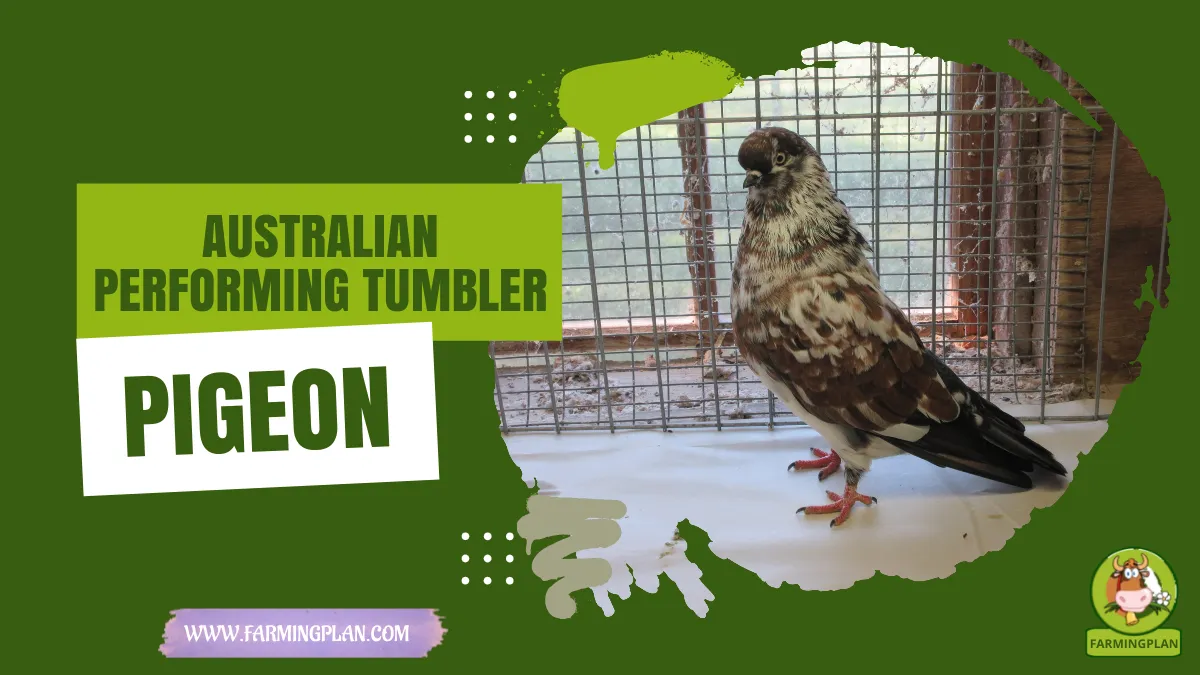
But what sets the Australian Performing Tumbler pigeon apart is its strong and resilient constitution, making it a prized possession for those who have the privilege of owning one. When you examine an Australian Performing Tumbler Pigeon, you will notice its short, cobby body, broad chest, and clean legs. It shares some structural traits with the classic English tumbler type, featuring a rounded head, smooth frontal curve, and bright pearl eyes set in a tight eye crease. Their medium-length beak and smooth wattle give them an alert, handsome expression.
Nature and Temperament
I always tell new bird keepers that these tumblers have one of the sweetest personalities in the pigeon world. They are naturally calm, friendly, and outgoing, which makes routine loft chores a peaceful experience. They adapt quickly to human handling and thrive in a well-managed kit. Their balanced temperament also means they get along well with other mild-mannered loft mates like Fantails, Old Dutch Cappuchine, or Ice Pigeon setups. They show strong kit behavior, meaning they love flying together in synchronized groups rather than straying off alone like a solo racing pigeon.
Food and Diet
Proper pigeon nutrition is the foundation of peak performance and vibrant feather quality. I feed my flock a balanced seed mix containing small corn, peas, wheat, sorghum, and safflower seeds. Flying birds need extra carbohydrates for energy, while breeding pairs need slightly higher protein levels. This breed comes in a stunning rainbow of colors and patterns.
- Greens: Offer finely chopped greens like spinach or lettuce once a week for essential vitamins.
- Clean Fresh Water: Provide fresh, clean drinking water twice daily, as dehydration quickly ruins flying performance.
- Grit and Minerals: Always keep grit, insoluble crushed granite, calcium, and sea shells available to help their gizzard grind seeds properly.
- Avoid Moldy Grains: Never feed damp, dusty, or moldy feeds, as they lead to severe digestive issues.
Usage and Purpose
The Australian Performing Tumbler Pigeon serves a dual purpose as both a performance flier and a top-tier exhibition bird. In the air, fanciers fly them to enjoy their controlled rolling action, spinning and rolling, and mid-air somersaults. Watching a kit execute tight backward flips against a clear sky is pure magic. In addition to aerial sports, these birds excel on the show bench under official Australian National Pigeon Association guidelines. Because they are gentle, breeders also use them as reliable foster parents to raise squabs for delicate or short-beaked exhibition breeds like African Owl or Pouters & Croppers.
Special Feature Of Australian Performing Tumbler Pigeon
The Australian Performing Tumbler pigeon is truly a remarkable breed of bird. Known for their stunning aerial acrobatics and charming personalities, these feathered friends have become increasingly popular among bird enthusiasts around the world. With their unique ability to perform intricate tumbling routines in mid-air, the Australian Performing Tumbler pigeon has captured the hearts of many. It’s no surprise that these birds have become so beloved – their playful demeanor and impressive skills truly set them apart from other breeds.
Whether you’re a seasoned pigeon owner or simply appreciate the beauty of these winged wonders, the Australian Performing Tumbler pigeon is sure to leave you captivated. What sets this bird apart from a standard Homing Pigeon or Cumulet is its instinctive aerial acrobatics. The controlled rolling action is a genetic trait that causes the bird to flip backward during active flight. A healthy tumbler displays great predator awareness, strong wing strength, and an intuitive homing instinct that keeps it safe during exercise. Beyond flight, their physical symmetry is remarkable.
Health Issues and Prevention
Keeping your flock in top shape requires constant observation of pigeon health problems, pigeon anatomy, and feather condition. Like most domestic pigeons, this breed can contract common respiratory infections, canker (trichomoniasis), or external parasites like lice and mites. To prevent outbreaks, maintain strict loft sanitation by scraping perches and floor trays weekly.
The pearl eye stands out sharply against their soft facial plumage. Their cobby body shape gives them an upright, proud carriage that commands immediate attention in any aviary. Keep nesting boxes dry and well-ventilated to stop fungal spores. Treat for canker before the breeding season begins, and regularly inspect your bird’s wing assessment, pigeon eye, and breathing to catch early signs of illness.
A Healthy Loft, Balanced Nutrition, And Patient Daily Aerial Training Turn A Standard Australian Performing Tumbler Into A Spectacular Sky Acrobat.
Step-by-Step Farming Guide for Australian Performing Tumbler Pigeon
Raising these aerial acrobats requires structure, patience, and proper care. Here is my practical step-by-step guide to help you build a thriving flock. Training your Australian Performing Tumbler pigeon can be an exciting and rewarding experience, but it’s important to have the right tips and tricks to ensure success. While every pigeon is unique, there are some general guidelines you can follow to make sure your pigeon is trained effectively.
Step 1: Setting Up the Aviary
You need a spacious, well-ventilated loft that protects your birds from harsh winds, heavy rain, and predators. Design comfortable perches, dry nesting boxes, and secure entry trap doors. Ensure the aviary receives natural morning sunlight to keep the space dry and clean. First, it’s crucial to establish a routine and stick to it, as consistency is key in training.
Step 2: Selecting Quality Breeding Stock
When it comes to breeding the Australian Performing Tumbler pigeon, selecting quality breeding stock and equipment is essential. Buy your initial birds from reputable breeders recognized by regional clubs. Look for vibrant pearl eyes, strong wing butts, clean feathering, and proven flying reliability. Avoid birds that display extreme, uncontrollable rolling, as they can crash into objects during training.
Step 3: Establishing Daily Feeding Routines
This is especially true for the Australian Performing Tumbler pigeon, a beloved breed known for their intelligence and impressive flight skills. Feed your tumblers twice daily on a consistent schedule. Measure out grain rations so they clear the feeding troughs within fifteen minutes. Controlled feeding keeps the birds responsive to your call, which makes kit training and trap entry much easier.
Step 4: Flight Training and Exercise
Breeding stock should be chosen based on their physical attributes, such as their size, color, and body shape. Release your kit early in the morning before feeding. Let them exercise for 30 to 45 minutes to build stamina, wing strength, and rolling control. Use a signal whistle to call them back down to the loft trap immediately after flight for their daily meal reward.
Step 5: Managing the Breeding Season
Pair compatible birds in early spring inside clean nesting boxes. Provide plenty of pine needles or twig nesting materials. Monitor egg laying, track incubation dates, and ensure young squabs receive rich grain mixtures to support rapid bone growth and healthy feather development. It’s also important to consider their genetic background and lineage to ensure that they are healthy and free from any genetic defects.
Read More: Han Tah Pra Goose Guide: Master Raising This Amazing Bird
Expert Tips and Best Practices for Australian Performing Tumbler Pigeon
- Always train your birds on an empty stomach to maintain strict control over their landing timing.
- Keep a close eye on the sky to protect your flying kit from hawks and falcons.
- Install high perches in your aviary to keep tail feathers clean and free from droppings.
- Provide a shallow water basin twice a week so your birds can enjoy a refreshing bath.
- Keep detailed breeding logs to track pedigree lines, colors, and flight performance scores.
FAQs
How much does an Australian Performing Tumbler Pigeon cost?
The Tumbler pigeon price generally ranges between $50 and $150 per bird depending on color, lineage, and show quality. Rare color mutations or proven performance champions may sell for higher prices among specialized breeders.
Why do Australian Performing Tumbler pigeons roll in mid-air?
Tumblers perform backward somersaults due to a naturally occurring genetic trait refined through generations of selective breeding. Fanciers select birds that demonstrate clean, controlled flips while maintaining safe flight altitude.
Can Australian Performing Tumbler pigeons be kept with other pigeon breeds?
Yes, their calm and gentle nature allows them to live peacefully alongside other docile domestic pigeon breeds. However, you should separate them during kit training so their unique flying routine is not disrupted by non-tumbling birds.
Where can I find an Australian Performing Tumbler for sale?
You can source birds through regional avian shows, specialized breeder directories, or local clubs affiliated with national bodies like the Australian National Pigeon Association. Connecting with experienced fanciers directly ensures you receive healthy, bloodline-certified birds.
What is the difference between an Australian Performing Tumbler and a Birmingham Roller?
While both breeds perform aerial acrobatics, the Australian Tumbler was specifically developed in Australia with distinct medium-faced physical show standards. It balances elegant physical traits for the show bench with controlled kit flight routines.
Conclusion
The Australian Performing Tumbler Pigeon is a remarkable breed that seamlessly blends striking physical beauty, gentle companionship, and jaw-dropping aerial performance. From its rich historical origins to its recognition by official national standards, this bird continues to captivate fanciers around the world. Raising a kit of these talented acrobats rewards you with daily excitement as you watch them spin and tumble across the open sky. Whether you aim to win top honors at your next local exhibition or simply want to experience the thrill of keeping high-performing tumblers in your backyard loft, this breed offers an unparalleled journey for every bird lover.