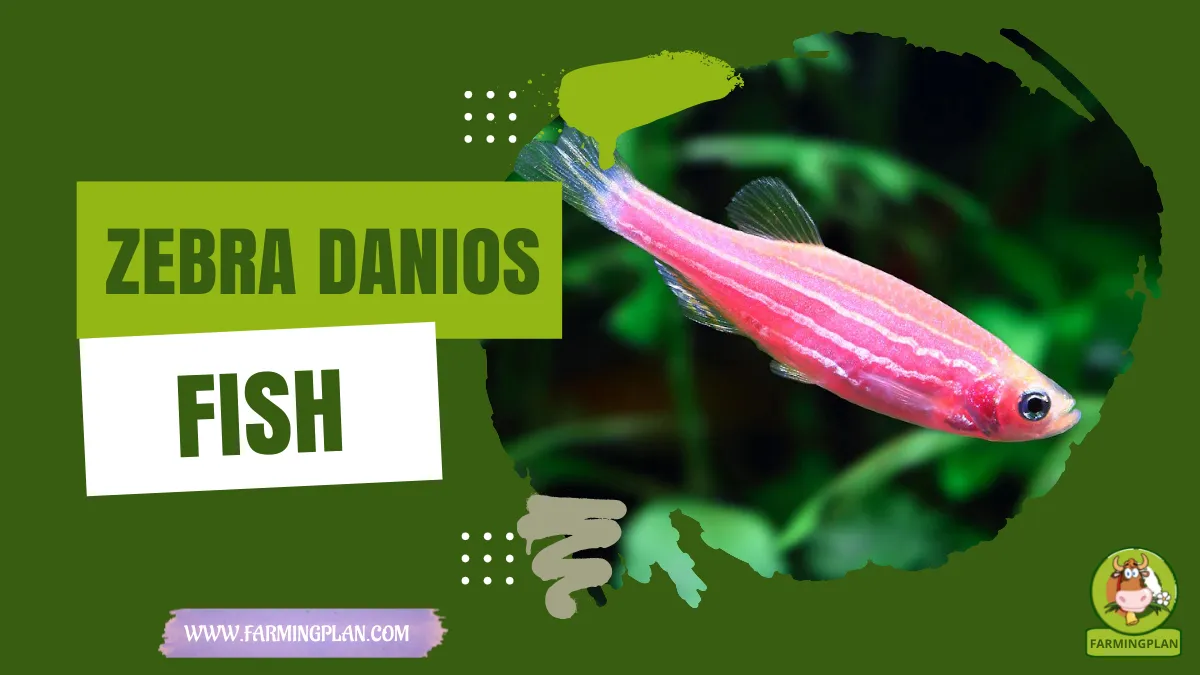
Zebra Danios are among the most popular freshwater aquarium fish I have worked with during my years as an aquaculture and fish-keeping specialist. These active schooling fish attract beginners and experienced hobbyists because they adapt well to different aquarium environments and show impressive hardiness. Known scientifically as danio rerio, these small fish display beautiful horizontal stripes that resemble zebras, which explains their common name.
Whether you are interested in Zebra danio breeding, Zebra danio lifespan, Zebra danios tank mates, Green zebra danios, Leopard Danio varieties, or finding Zebra Danios for sale, this guide covers everything you need to know. I will share practical experience about tank setup, feeding, water quality, spawning, health management, and daily care so you can enjoy a thriving aquarium filled with energetic and colorful fish.
History & Origin
Zebra Danios originated in South Asia, especially in regions of India, Bangladesh, Nepal, and Pakistan. In the wild, these fish inhabit streams, ponds, rice paddies, canals, and slow-moving rivers. They thrive in areas with moderate water circulation, abundant aquatic vegetation, and stable water conditions. I often tell new fish keepers that understanding a fish’s natural habitat helps create a better aquarium environment. Wild Zebra Danios experience seasonal water changes, varying temperatures, and natural food sources such as aquatic insect larvae, aquatic crustaceans, algae, and tiny organisms.
Scientific Importance Of Zebrafish
Scientists frequently refer to Zebra Danios as Zebrafish. Research laboratories worldwide use Zebrafish to study genetics, human diseases, and developmental biology. Researchers investigate conditions such as Diabetes, muscular dystrophies, melanoma, cardiovascular disease, retinal damage, bone physiology, glucose homeostasis, lipid metabolism, pancreas development, and DNA repair using this remarkable species.
Modern research utilizes genome sequencing, CRISPR-Cas9 technology, RNA splicing studies, drug discovery, pharmacokinetics analysis, fluorescent staining, transgenesis, Wnt signaling investigations, glucose tolerance tests, endocrine compartment development, osteoblast and osteoclast research, and multi-well plate experiments.
Evolution In The Aquarium Hobby
Aquarium breeders developed numerous color varieties over the years. Today hobbyists can choose Gold Zebra Danios, Green Zebra Danios, Leopard Danio strains, long-fin varieties, and even GloFish® Zebra Danio colors such as Starfire Red®, Sunburst Orange®, Electric Green®, Cosmic Blue®, and Galactic Purple®.
Read More: Laying Ducks Amazing Guide For Fresh Eggs
Characteristics
Zebra Danios possess a slender torpedo-shaped body designed for constant swimming. Their streamlined shape allows them to move quickly through the aquarium. The classic variety displays silver-gold coloration with dark blue horizontal stripes running from the gills to the tail. These fish belong to the danionins group and exhibit attractive fins that complement their energetic behavior. Their body structure helps them remain active throughout the day.
Zebra Danios Size And Growth
Most adult Zebra Danios reach approximately 1.5 to 2.5 inches in length. Under excellent conditions, some individuals may grow slightly larger. Their compact size makes them suitable for community aquarium fish setups. I usually recommend a minimum aquarium size of a 20 Gallon Tank for a proper school. While some people keep them in smaller tanks, larger aquariums provide better swimming space and improve overall health.
Popular Color And Pattern Variations
Several attractive varieties exist today:
Classic Zebra Danio
Traditional striped appearance.
Leopard Danio
Spotted pattern instead of stripes.
Gold Zebra Danios
Golden body coloration.
Green Zebra Danios
Enhanced green hues that stand out in planted tanks.
Long-Fin Zebra Danios
Flowing fins create an elegant appearance.
GloFish™ Zebra Danios
Genetically enhanced fluorescent colors developed from Zebra Danio stock. Some aquarium stores also offer Mixed Zebra Danio Set, Patriotic Danio Collection, and Single Color Set packages.
Nature & Temperament
One reason I recommend Zebra Danios to beginners is their entertaining behavior. They constantly explore every level of the aquarium and rarely stay still. As schooling fish, they feel secure when kept in groups. I recommend keeping at least six to eight individuals together. Larger schools often display more natural behavior and less stress.
Compatibility With Tank Mates
Zebra Danios generally behave peacefully and fit well into community aquariums. Good Zebra Danios tank mates include:
- Tetras
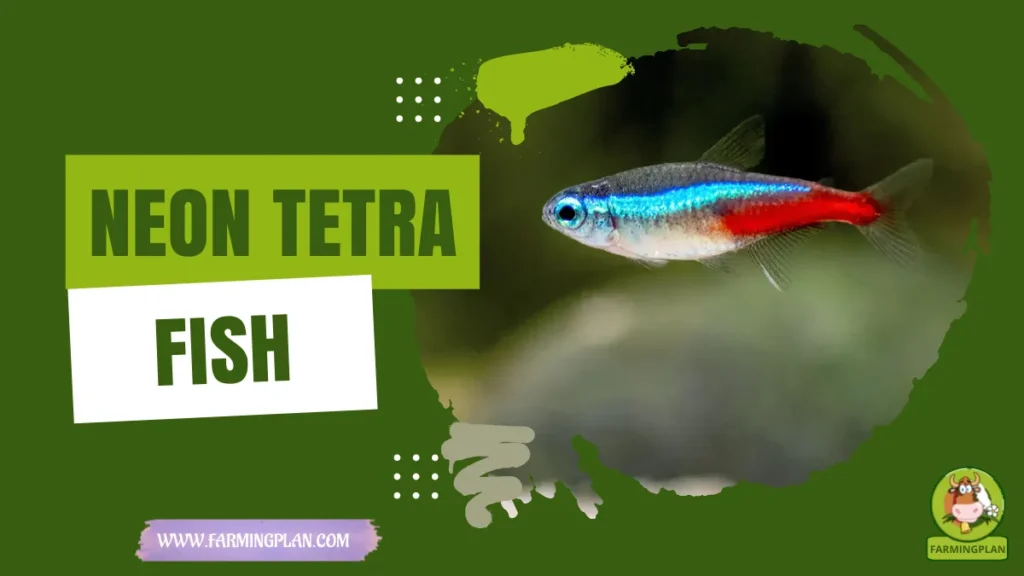
- Neons
- Corydoras paleatus
- Pearl Gouramies
- Small rasboras
- Peaceful barbs
- Other community tropicals
Their active swimming encourages movement throughout the aquarium and creates a lively display.
Fish To Avoid
I avoid housing Zebra Danios with:
- Goldfish
- Pea puffer
- Freshwater puffer
- Aggressive cichlids
- Fin-nipping species
Goldfish require different temperatures, while puffers may attack or stress smaller fish.
“Healthy Zebra Danios Thrive When Clean Water, Good Food, And A Happy School Come Together. A Small Fish Can Bring Big Energy To Any Aquarium!”
Food & Diet
In nature, Zebra Danios consume a wide range of foods. They feed on aquatic insect larvae, aquatic crustaceans, algae, and small organisms found near the water surface. Their omnivorous feeding habits make them easy to maintain in captivity.
Best Foods For Daily Feeding
I typically provide:
- High-quality tropical flakes
- Micro pellets
- Frozen bloodworms
- Live blackworms
- Daphnia
- Brine shrimp
- Finely crushed freeze-dried foods
Variety strengthens the immune system and improves coloration.
Feeding Schedule And Portion Control
Feed small portions two or three times daily. Zebra Danios eagerly eat almost anything offered, so overfeeding becomes a common problem. Excess food creates pollution and increases ammonia, nitrite, and nitrate levels. Poor water quality can quickly damage fish health.
Foods To Avoid
Avoid:
- Large pellets
- Spoiled foods
- Excessive fatty foods
- Overfeeding treats
Maintaining balanced nutrition helps prevent obesity and supports long-term health.
Usage & Purpose
Most hobbyists keep Zebra Danios as ornamental aquarium fish. Their active swimming, attractive colors, and social behavior make them excellent additions to freshwater tanks. I frequently suggest them to beginners because they tolerate minor mistakes better than many delicate species.
Educational And Scientific Value
Beyond the aquarium hobby, Zebrafish play a major role in scientific research. Universities and laboratories use them to investigate:
- Genetics
- Drug discovery
- Bone metabolism
- Diabetes
- Cardiovascular disease
- Developmental biology
- Pharmacokinetics
Their transparent embryos allow researchers to observe development in real time.
Breeding And Commercial Production
Many breeders raise Zebra Danios commercially for aquarium shops. Captive breeding programs produce millions of fish annually and reduce pressure on wild species populations.
Special Features
One feature I admire most is their resilience. Zebra Danios adapt to a broad range of water conditions and recover well from minor environmental fluctuations. This adaptability explains their popularity among beginners.
Constant Swimming Activity
Unlike many fish that hide frequently, Zebra Danios remain visible most of the day. Their energetic swimming creates movement throughout the aquarium. They act as both top and middle swimmers, helping balance visual activity within the tank.
Remarkable Breeding Potential
These fish spawn readily under proper conditions. Successful Zebra danio breeding often occurs even among hobbyists with limited experience.
Valuable Research Species
Very few aquarium fish contribute as much to science as Zebrafish. Their importance in genome sequencing, CRISPR-Cas9 studies, transgenesis, glucose homeostasis research, and endocrine development places them among the world’s most studied vertebrates.
Wide Variety Availability
Aquarium stores frequently stock multiple color forms, making it easy for hobbyists to find fish that match their preferences and aquarium themes.
Health Issues & Prevention
Although hardy, Zebra Danios can develop health problems when water quality declines.
Common conditions include:
- Fin rot
- Ich (white spot disease)
- Fungal infections
- Bacterial infections
- Swim bladder issues
- Parasite infestations
Warning Signs To Watch For
I always monitor for:
- Loss of appetite
- Clamped fins
- Rapid breathing
- White spots
- Abnormal swimming
- Faded colors
- Isolation from the school
Early detection greatly improves treatment success.
Water Quality Prevention Strategy
The best prevention tool is excellent water quality.
Maintain:
- Ammonia: 0 ppm
- Nitrite: 0 ppm
- Low nitrate levels
- Stable temperature
- Effective filtration
- Proper aeration
Regular water changes reduce pollution and support a healthy immune system.
Quarantine And Biosecurity
Always quarantine new fish before introducing them to established tanks. This simple practice prevents many disease outbreaks and protects your existing fish population.
Step-by-Step Zebra Danios Pet Owner Care Guide
Over the years, I have raised countless Zebra Danios in home aquariums and breeding systems. Their care remains straightforward when you follow a consistent routine. Success depends on proper planning, stable water conditions, balanced feeding, effective filtration, and regular maintenance. Many beginners focus only on feeding while ignoring water quality. In reality, healthy fish require a complete care system. The following step-by-step guide explains exactly how I establish and maintain thriving Zebra Danio aquariums.
Step 1: Choose The Right Aquarium
I recommend starting with at least a 20 Gallon Tank. Zebra Danios love swimming, and extra space improves their physical and mental health. Install a secure tank lid because these fish jump surprisingly well. Place the aquarium away from direct sunlight and sudden temperature fluctuations. Select an aquarium location where you can easily perform routine maintenance and observe fish behavior daily.
Step 2: Install Filtration, Aeration, And Water Flow
Good Filtration forms the foundation of a healthy aquarium. Use a quality filter capable of handling the tank volume. I often use hang-on-back filters or sponge filters for Zebra Danio systems. Ensure moderate water circulation because these fish appreciate moving water. Add an air pump if oxygen levels seem low. Proper aeration supports respiration and improves overall fish vitality.
Step 3: Add Substrate And Decorations
Choose fine gravel or smooth substrate for the tank bottom. Include plants, driftwood, and open swimming areas. Zebra Danios enjoy exploring but also need space for active movement. Avoid overcrowding the aquarium with decorations. A balanced layout creates a natural aquarium environment while preserving swimming room.
Step 4: Cycle The Aquarium Before Adding Fish
Never rush this step. Allow beneficial bacteria to establish before introducing fish. Test ammonia, nitrite, and nitrate levels regularly during cycling. A properly cycled aquarium protects fish from toxic waste accumulation and reduces stress dramatically.
Step 5: Introduce A Proper School
Purchase at least six to eight Zebra Danios together. Schooling behavior reduces stress and encourages natural activity. Larger groups often display brighter colors and stronger confidence. Observe fish carefully during the first few days after introduction.
Step 6: Maintain Ideal Water Conditions
Keep temperatures between 64°F and 78°F (18°C–26°C). Perform weekly water changes of approximately 20–30%. Regular water changes remove waste and stabilize water quality. Monitor pH, ammonia, nitrite, and nitrate levels routinely. Consistency matters more than chasing perfect numbers.
Step 7: Establish A Healthy Feeding Routine
Feed small amounts two to three times daily. Offer flakes, pellets, bloodworms, blackworms, and frozen foods. Remove uneaten food when necessary. Balanced nutrition supports growth, coloration, reproduction, and immune function.
Step 8: Encourage Zebra Danio Breeding
Separate breeding pairs or groups into spawning tanks. Provide marbles, spawning mats, or mesh that allows eggs to fall beyond adult reach. Adults often consume eggs after spawning. Move breeders after egg deposition and maintain stable temperature conditions.
Step 9: Monitor Health And Behavior Daily
Spend a few minutes observing your fish every day. Look for changes in appetite, swimming patterns, coloration, or social interaction. Early intervention prevents small issues from becoming major problems. Consistent observation remains one of the most valuable skills any fish keeper can develop.
Read More: English Longhorn Cattle – A Rare Farm Treasure
Expert Tips & Best Practices
Professional Zebra Danio Success Tips
- Keep Zebra Danios in groups of at least six.
- Use a secure tank lid to prevent jumping.
- Perform weekly water changes consistently.
- Maintain strong filtration and moderate flow.
- Test ammonia, nitrite, and nitrate regularly.
- Feed varied foods for optimal nutrition.
- Avoid aggressive tank mates.
- Quarantine all new fish.
- Provide open swimming space.
- Use live or artificial plants for security.
- Observe fish behavior daily.
- Remove uneaten food quickly.
- Keep water temperature stable.
- Avoid overcrowding the aquarium.
- Purchase healthy fish from reputable aquarium shops.
FAQs
Are Zebra Danios good for beginners?
Yes. Zebra Danios rank among the best beginner aquarium fish because they tolerate a wide range of water conditions and adapt easily to community aquariums.
How long is the Zebra danio lifespan?
Most Zebra Danios live between 3 and 5 years. Excellent care, clean water, and quality nutrition may help some individuals live longer.
How many Zebra Danios should I keep together?
Keep at least six fish together. Larger schools encourage natural schooling behavior and reduce stress.
Can Zebra Danios live with tetras and neons?
Yes. Tetras and neons usually make excellent tank mates because they share similar water requirements and peaceful temperaments.
How difficult is Zebra danio breeding?
Breeding is relatively easy compared with many aquarium species. A separate spawning tank and protection for eggs usually produce the best results.
Conclusion
Zebra Danios remain one of the most rewarding freshwater fish for beginners and experienced hobbyists alike. Their hardy nature, active swimming behavior, attractive colors, peaceful temperament, and straightforward care requirements make them outstanding additions to community aquariums. By maintaining excellent water quality, providing a balanced diet, choosing suitable tank mates, and following proper aquarium management practices, you can enjoy a healthy and vibrant school for years. I hope this guide helps you build a thriving aquarium filled with energetic Zebra Danios. If you found this article useful, share it with fellow fish keepers, leave a comment with your experience, and help others create successful aquariums too.