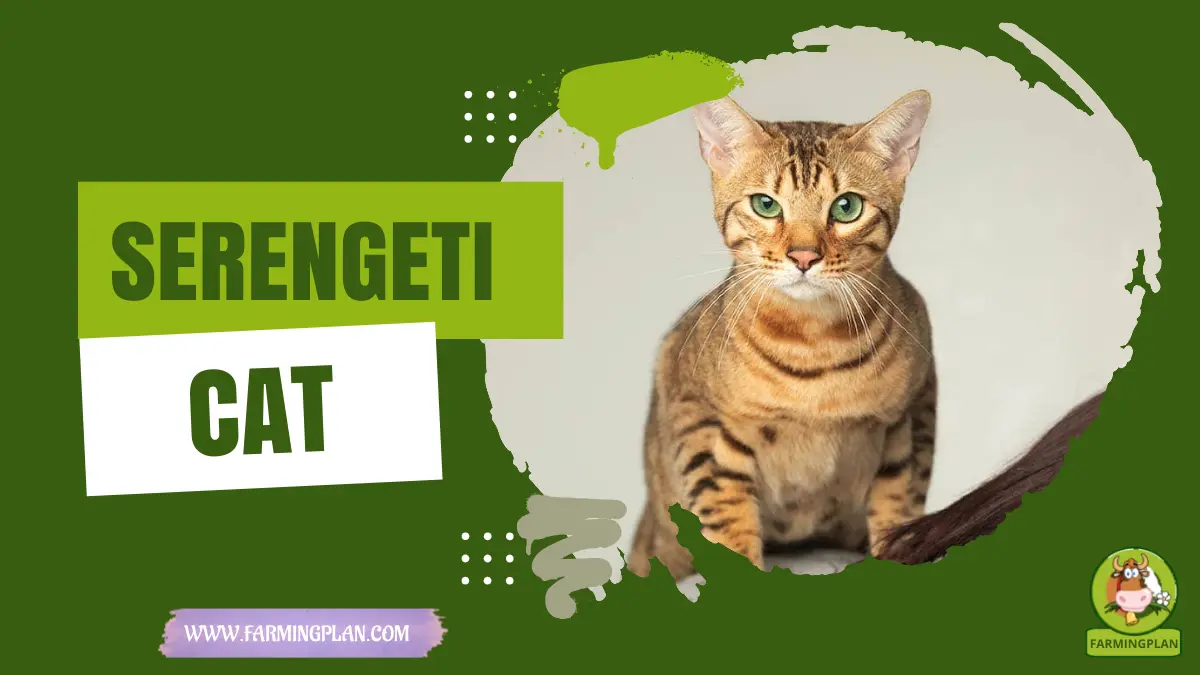
I have worked around many extraordinary felines over my years as an animal specialist, but the Serengeti cat always commands immediate attention. When people first see this magnificent domestic breed, they often confuse it with a wild African serval prowling through the grasses of the Serengeti Plains. Created through deliberate selective breeding between the Bengal cat and the Oriental Shorthair, this pedigree feline offers the captivating look of wild hybrid cats while remaining a completely domesticated companion.
However, this purebred domestic cat possesses a gentle heart and a remarkably affectionate disposition. While they require consistent interactive play, vertical climbing spaces, and high-quality nutrition, the rich love and dynamic companionship they offer in return is unmatched. Whether you are hunting for a Serengeti cat crossword clue online or searching for reputable breeders offering high-quality Serengeti kittens for sale, I will share everything you need to know about their rich history, distinct coat colors, playful personality, and vital health requirements.
History & Origin of Serengeti Cats
The history of this captivating breed began in California during the mid-1990s. Conservationist and biologist Karen Sausman of Kingsmark Cattery envisioned a domestic feline that mirrored the regal appearance of the wild African serval. However, Karen wanted to accomplish this without using wild stock or creating actual wild cat hybrids like the Savannah. She aimed to protect wild populations by offering cat lovers a domestic alternative with a striking spotted coat.
To establish her foundation breeding stock, Karen crossed top-tier Bengal cats with sleek Oriental Shorthair lines. Other pioneering breeders like Lesley Dart later joined the effort to refine the genetics and build a healthy genetic pool. The International Cat Association (TICA) officially recognized the breed for registration, cementing its status as an up-and-coming pedigree marvel. Breeders in places from Devon and Plymouth to Milton Keynes have since embraced these domestic cats, producing kittens with verified pedigree papers for feline enthusiasts worldwide.
Read More: Galatz Roller Pigeon Care Secrets for Ultimate Aerial Mastery
Characteristics of Serengeti Cats
When you observe a Serengeti cat, its commanding posture immediately stands out. These animals possess long, elegant legs, a remarkably lean body, and unusually large, rounded ears set high on the head. Their long necks and athletic build give them an undeniable wild cat morphology. Despite their wild look, they are medium-to-large domestic felines, with healthy adults weighing anywhere from 8 to 15 pounds.
I have worked around many extraordinary felines over my years as an animal specialist, but the Serengeti cat always commands immediate attention. Their striking coat patterning is another defining feature of the breed standard. Their fur feels short, soft, and remarkably dense. TICA standards accept several official coat colors and patterns:
- Golden Tawny Spotted: Bright yellow to gold background with widely spaced, dark brown or black spots.
- Ebony Silver Spotted: Crisp silver coat adorned with contrasting jet-black spots.
- Ebony Smoke: Deep charcoal coat featuring underlying ghost spots that shine under direct light.
- Melanistic (Solid Black): A sleek Serengeti cat black variant with a rich, glossy dark coat.
Nature/Temperament of Serengeti Cats
Living with a Serengeti cat is an absolute joy if you appreciate energetic, highly vocal, and engaging feline companions. Thanks to their Oriental Shorthair ancestors, these cats love to communicate. They talk to their owners using melodic chirps, gentle trills, and confident meows throughout the day. They do not hide in corners when guests arrive; instead, they greet visitors at the door with immense curiosity.
Many owners lovingly describe them as the ultimate “Velcro cat.” They form strong, deep bonds with their human family and follow you from room to room. Their athletic genetics compel them to climb high furniture, leap onto high shelves, and engage in energetic, interactive play. They thrive alongside respectful kids, dog companions, and other domestic cats. However, their high energy means they can develop unwanted behavioral issues if they feel bored or left alone for long periods.
Food & Diet of Serengeti Cats
Feeding a Serengeti cat requires careful attention to high-quality nutrients because these energetic jumpers burn calories very quickly. In my practice, I always stress that cats are obligate carnivores. Their daily meal plan must center around high-quality proteins like real chicken, turkey, or salmon. Look for commercial feeds approved by established nutritional standards such as AAFCO or FEDIAF to guarantee complete daily nutritional balance.
Essential amino acids like taurine are non-negotiable for maintaining healthy eyesight and a strong cardiac system. You can feed a combination of high-protein dry kibble and nutrient-dense wet food to support hydration. I recommend using modern app-based meal management systems or smart food-safety scans to monitor intake and keep feeding schedules consistent. Always ensure fresh, clean water is available, preferably using circulating water fountains that encourage active drinking.
Usage/Purpose of Serengeti Cats
While some domestic breeds serve agricultural roles like controlling farm rodents, the Serengeti cat shines brightest as a devoted family companion and a show-stopping exhibition animal. Their magnificent appearance, striking posture, and friendly nature make them standout stars at TICA-sanctioned cat shows. Judges appreciate their graceful build, bold ears, and clear, widely spaced spots.
Beyond the show ring, they serve as lively indoor family members. Their high intelligence makes them fantastic candidates for clicker training, leash walking, and fetching small toys. They bring unmatched energy, joy, and companionship to active households. If you want a lap cat that simply slumbers on the couch all afternoon, this breed might overwhelm you. But if you want an interactive life partner, they are the ideal choice.
Special Features of Serengeti Cats
What truly sets the Serengeti cat apart from almost every other domestic breed is its extraordinary athletic power. These cats possess incredibly long hind legs relative to their body size, allowing them to leap up to six feet straight into the air from a complete standstill! They love perching on top of tall doors, high cat trees, and kitchen cabinets to survey their surroundings from high vantage points.
Another unique trait is their intense problem-solving ability. Serengeti cats easily master puzzle feeders, open lever-style doors, and figure out how to retrieve hidden interactive toys. Their large ears act like sensitive radars, picking up subtle sounds from every corner of your home. Additionally, unlike many domestic breeds that avoid water entirely, many Serengeti cats enjoy playing with running tap water or dipping their paws into filled basins.
Health Issues & Prevention of Serengeti Cats
The Serengeti cat is generally a robust, healthy breed because breeders avoided narrow gene pools by using strong Bengal and Oriental Shorthair foundation stock. However, keeping these cats healthy requires consistent veterinary care and routine health screening throughout their average Serengeti cat lifespan of 12 to 15 years. When people first see this magnificent domestic breed, they often confuse it with a wild African serval prowling through the golden grasses of the Serengeti Plains, yet this purebred domestic cat possesses a gentle heart and a remarkably affectionate disposition.
- Hypertrophic Cardiomyopathy (HCM): A structural heart disease found in many cat breeds. Reputable breeders use cardiac ultrasounds to screen breeding stock before raising kittens.
- Dental Health Issues: Their slender jawlines can trap food debris, leading to plaque build-up, gingivitis, and early tooth loss. Daily brushing or dental treats are essential.
- Infectious Diseases: Protect your pet against core feline viruses including Feline Viral Rhinotracheitis, Calicivirus, and Panleukopenia using the standard FVRCP vaccine. Ensure they receive their Rabies vaccine and FeLV vaccine based on local vet advice.
- Parasite Management: Set regular digital parasite reminders to administer monthly preventative treatments against fleas, ticks, heartworms, and intestinal worms.
“A Serengeti Cat Brings The Athletic Wonder Of The Wild African Serval Straight Into Your Living Room Without A Single Drop Of Wild Blood.”
Step-by-Step Pet Owner Care Guide
Welcoming a Serengeti cat into your home requires thoughtful preparation and a long-term commitment. These energetic, smart cats demand an environment that satisfies their mental curiosity and intense physical needs. Below is my comprehensive step-by-step guide to setting up your home and managing daily care effectively. Created through deliberate selective breeding between the Bengal cat and the Oriental Shorthair, this pedigree feline offers the captivating look of wild hybrid cats while remaining a completely domesticated companion.
Whether you are hunting for a Serengeti cat crossword clue online, researching distinct Serengeti cat colors like Serengeti cat black or ebony silver, comparing the average Serengeti cat price, studying the typical Serengeti cat lifespan, or searching for reputable breeders offering high-quality Serengeti cats for sale and active Serengeti kittens for sale, I will share everything you need to know about their rich history, athletic morphology, playful Serengeti cats personality, vocal communication habits, and vital health requirements to help you decide if this high-energy “Velcro cat” is the perfect addition to your home.
Step 1: Secure Safe Home Setup and Vertical Space
Before bringing your new companion home, cat-proof your living spaces thoroughly. Secure exposed electrical cords, put away delicate glassware, and lock away household chemicals. Install extra-tall, sturdy cat trees, wall-mounted climbing shelves, and window perches. These vertical setups let your pet express their natural jumping instincts safely without destroying your household furniture or curtains.
Step 2: Establish High-Nutrition Feeding Routines
Set up a designated, quiet feeding area away from noisy household appliances and litter boxes. Offer high-protein wet and dry foods formulated for energetic active breeds. Divide their daily food allowance into two or three controlled meals rather than free-feeding to maintain ideal weight. Always provide fresh filtered water in multiple places around your home using stainless steel or ceramic bowls.
Step 3: Implement Daily Interactive Play Sessions
Engage your cat in at least two 20-minute active play sessions every day. Use interactive toys like feather wands, laser pointers, and motorized chase toys that trigger their natural hunting instincts. Introduce complex puzzle feeders to keep their sharp minds busy during the day. Consistent physical activity prevents boredom and stops negative behaviors before they even begin.
Step 4: Daily Grooming and Dental Hygiene Routine
Maintain their short, sleek coat by brushing it once or twice a week with a soft rubber curry brush or grooming mitt. This simple routine removes loose fur, spreads natural skin oils, and dramatically reduces hairballs. Clean their large ears weekly using a vet-approved ear cleaner. Brush their teeth daily with cat-safe toothpaste to ensure strong dental health throughout their lifespan.
Step 5: Schedule Regular Vet Checks and Vaccination Timelines
Establish a strong relationship with a qualified veterinarian right away. Maintain detailed health records, including vaccination dates, parasite treatments, and routine bloodwork. Schedule annual physical exams for young adults and bi-annual checks once your feline companion reaches senior status. Keep up with core vaccines and regular health screenings to catch potential issues early.
Read More: Giant Homer Pigeon Guide: Raise Strong Champion Birds
Expert Tips & Best Practices for Serengeti Cats
A Serengeti Cat Brings The Athletic Wonder Of The Wild African Serval Straight Into Your Living Room Without A Single Drop Of Wild Blood.
- Provide High Towers: Invest in floor-to-ceiling cat trees to satisfy their intense drive to climb and survey their territory.
- Use Puzzle Feeders: Keep their active brains occupied during work hours by hiding dry kibble inside interactive puzzle toys.
- Teach Leash Walking: Harness-train your kitten early so you can safely take them on outdoor strolls.
- Provide Multiple Litter Boxes: Place one extra litter box than the total number of cats in quiet, easily accessible spots.
- Verify Breeder Credentials: Always request official pedigree papers, health screening records, and contract guarantees from reputable breeders.
- Maintain Stable Routines: Keep daily feeding, playing, and grooming times consistent to reduce stress and anxiety.
- Monitor Water Intake: Use automatic circulating fountains to encourage daily hydration and protect urinary tract health.
FAQs
What is the typical Serengeti cat price range?
A purebred Serengeti cat from reputable breeders usually costs between $1,000 and $2,500 depending on lineage, coat patterning, and pedigree quality. Show-quality kittens with exceptional markings can sometimes cost even more. Always budget additionally for initial veterinary care, high-quality supplies, and spay or neuter procedures.
What is the answer to the Serengeti cat crossword clue?
The most common answer for a Serengeti cat crossword clue in major puzzle publications is LION. While crosswords refer to the wild big cat living on the African plains, cat fanciers know the Serengeti as a distinct domestic breed.
Do Serengeti cats have wild serval DNA?
No, Serengeti cats do not carry wild serval DNA. Breeders created the line strictly by crossing Bengal cats with Oriental Shorthairs to achieve a wild look using entirely domestic genetic lines.
How long do Serengeti cats usually live?
The typical Serengeti cat lifespan ranges between 12 and 15 years when provided with optimal care. Feeding a high-protein diet, keeping them strictly indoors, and scheduling regular veterinary checkups ensures they live long, happy lives.
Are Serengeti cats good with dogs and young children?
Yes, Serengeti cats adapt wonderfully to active family environments that include respectful children and dog companions. Their bold, confident, and outgoing nature helps them build strong friendships with other household pets quickly.
Conclusion
The Serengeti cat stands out as an extraordinary domestic breed that combines the breathtaking, athletic appearance of the wild African serval with the affectionate, loyal heart of a true household companion. Their striking spotted coats, giant expressive ears, and energetic personalities bring endless joy, movement, and conversation into any home. If you are ready to welcome a playful, highly intelligent, and deeply devoted feline into your life, start reaching out to verified breeders or specialized rescue organizations today! Share your thoughts in the comments below, or drop a question if you are planning to add a Serengeti kitten to your family circle!