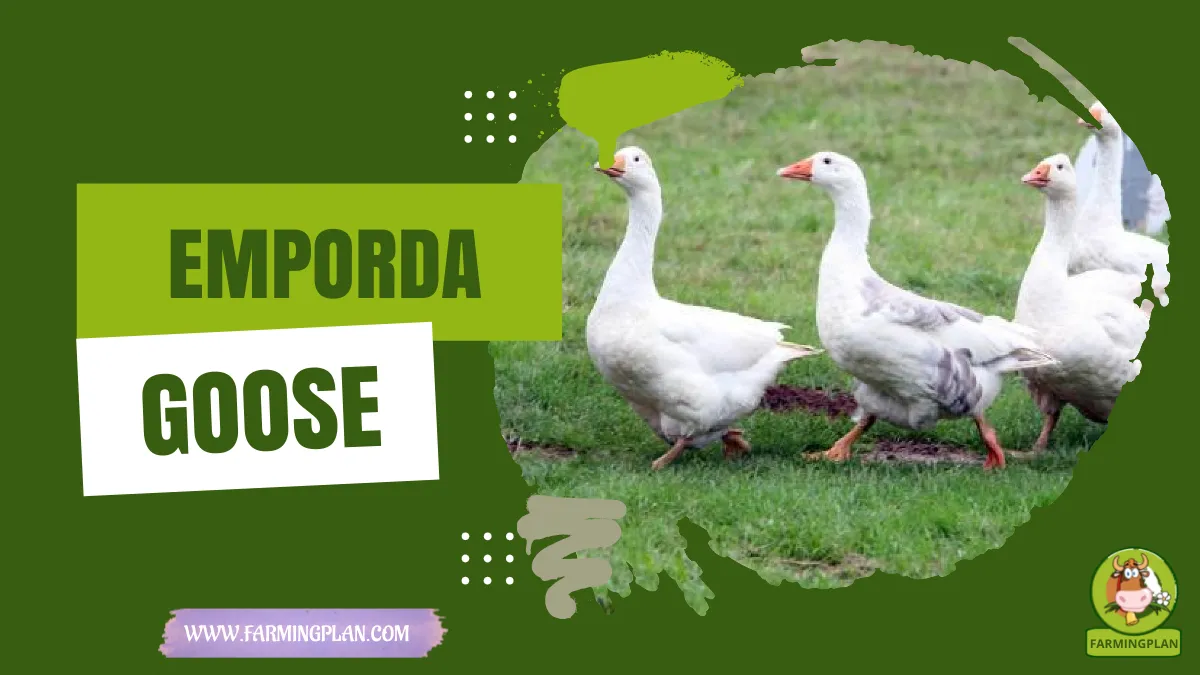
As an experienced poultry farming specialist, I love working with rare waterfowl, and the Emporda Goose holds a special place on my homestead. This incredible bird originates from northern Spain, specifically the Girona province in Catalonia, where local farmers bred them across coastal wetlands and Mediterranean village holdings. They protect your pastures, offer gentle companionship, and bring timeless beauty to green fields. You will fall in love with their calm demeanor, stunning white plumage, and distinctive head crests that make them stand out in any farmyard stock.
They graze peacefully alongside olive trees, vineyards, and grain fields without causing the chaotic noise of other domestic flock breeds. Over my years of managing local breeds, I have seen how these quiet geese adapt well to small pastures, fresh water ponds, and night housing setups. Whether you want a great weed control helper, high-quality egg production, or a friendly farmyard companion, this magnificent Catalan heritage breed delivers fantastic results for hobbyists and dedicated keepers alike.
History & Origin of Emporda Goose
My journey with this species began when I researched historical European breeds from the Mediterranean region. Breeders in Catalonia developed the bird in the Alt Empordà and Baix Empordà comarcas, near the scenic Costa Brava coastline and the Pyrenees mountains. Historically, local farmers raised them in village holdings, orchards, and along the marshes of Aiguamolls de l’Empordà. These hardy birds thrived alongside classic Catalan wine appellation vineyards producing Macabeo, Samsó, Muscat, Garnacha Tinto, and Garnatxa Blanca grapes. Farm families valued them for multi-purpose farming, utilizing their fine white feather down, quality meat, and generous seasonal eggs.
During the twentieth century, agricultural shifts and the Spanish Civil War severely reduced their numbers. Regional breeders and the Generalitat of Catalonia stepped in to preserve this living piece of Catalan poultry heritage. Today, organizations like Slow Food feature the breed in their Ark of Taste program to protect regional agricultural biodiversity. When you walk past historical estates like Finca Bell-Lloc, Clos d’Agon, or Bodega Brugarol, you sense how deeply embedded these birds are in local gastronomy alongside Pals rice, sweet sausage, and local cheeses. Preserving these birds helps maintain a crucial link to traditional Mediterranean mixed farming systems.
Read More: Andalusian Blond Cattle Perfect Guide to Care
Characteristics of Emporda Goose
I always tell new flock owners that spotting a purebred specimen is easy once you know what features to look for. The bird features clean, bright white plumage across its entire body, giving it an elegant appearance on green pasture. Unlike a heavy Toulouse Goose Gosling or massive Embden stock, this bird displays a balanced medium-sized frame. Mature ganders typically weigh around six to seven kilograms, while females weigh roughly five to six kilograms. Their orange beak and vibrant reddish-orange feet contract beautifully against their clean white feathers.
The defining physical character is the distinct feather crest located on the back of the head. A crested gander displays a noble profile that instantly separates it from standard farmyard stock like the Romagnola or typical cotton goose strains. Their broad chests, strong necks, and compact body structure reflect generations of practical selection for grazing efficiency. Their eggs feature a heavy white shell with a standard egg weight averaging around one hundred forty grams. I marvel at their clean lines and strong posture every time I observe them foraging outdoors.
Nature & Temperament of Emporda Goose
If you dislike loud noise on your farm, you will appreciate how gentle and quiet geese breeds like this one behave daily. In my decades of managing diverse poultry, I rate these Spanish birds among the most peaceful farmyard stock you can choose. They rarely scream or honk aggressively at human visitors, making them ideal for small homesteads near neighbors. They move smoothly across pastures, showing curious yet relaxed personalities around children, farm dogs, and other livestock.
The gander acts protective over his mate and clutch during the spring breeding season, yet he rarely shows unprovoked aggression. Females demonstrate calm nesting behaviors and make dependable, gentle mothers when hatching goslings. Because they lack the sharp territorial aggression seen in some Asian or African breeds, they adjust quickly to routine handling, hand feeding, and simple herd movements. Their steady temperament creates a serene farm atmosphere that every keeper appreciates.
Food & Diet of Emporda Goose
Feeding your flock a balanced diet keeps their immune systems strong and their plumage bright. On my farm, I allow these birds to forage freely on high-quality pasture turf, where they munch on fresh grasses, clovers, and soft agricultural weeds. They perform exceptionally well in orchards and fallow grain fields, converting green forage into useful energy efficiently. Supplemental grain feeds containing wheat, barley, and cracked corn supply critical energy during cold winter months or busy breeding seasons.
You must provide a high-protein waterfowl pellet containing roughly sixteen percent protein during the spring egg-laying cycle. Avoid giving your flock moldy grains, processed kitchen scraps, sugary treats, or plain white bread, which cause severe digestive upset and nutritional deficiencies. Always supply clean, fresh water in deep containers so they can submerge their nostrils and clean their bills while eating dry grains. Adding grit and crushed oyster shells ensures strong eggshell development and aids proper gizzard digestion throughout the year.
Usage & Purpose of Emporda Goose
I rely on these versatile birds for several distinct agricultural functions across my property. Primarily, they excel as natural weed control agents in commercial orchards, berry patches, and vineyard setups. They graze selectively on tough grasses and small weeds while ignoring tall fruit trees, saving hours of manual mowing labor. Furthermore, their high-quality white down and soft feather production historically supplied premium fill material for warm bedding and specialized local textiles.
Their contribution to sustainable regional meat and egg production remains impressive. Smallholders produce high-grade meat with excellent flavor that fits perfectly into traditional Catalan cuisine alongside regional specialties like Brunyols de l’Empordà, Figueres onion dishes, and Ull ros beans. Local gastronomy campaigns and eco-tourism initiatives showcase how these birds support sustainable farm ecosystems. Their striking appearance also makes them ideal exhibition birds for rare-breed keepers who enjoy showing heritage poultry at regional shows.
Special Features of Emporda Goose
The most remarkable feature you will notice is the small, elegant feather crest perched on top of the skull. This unique genetic trait gives the bird a royal crest appearance that distinguishes it from almost all other standard European breeds. Unlike heavy meat strains with a large hanging abdominal pouch or a huge knobbed goose with a big nose structure, this breed retains a sleek, streamlined silhouette built for active foraging.
Another incredible asset is their remarkable climate resilience. Originating from regions affected by the harsh, gusty Tramontane wind sweeping down from the Pyrenees, these birds adapt quickly to sudden weather shifts. They handle cold winter downpours just as easily as hot Mediterranean summers, provided you offer suitable shade and water. Their strong disease resistance and efficient feed conversion ratio make them a top choice for low-input organic farming models.
“Every Single Morning brings Pure Joy When You Raise Catalan Geese On The Farm.”
Health Issues & Prevention of Emporda Goose
Maintaining exceptional flock health requires proactive management and clean pasture conditions. While heritage birds possess naturally strong immune systems, they still face common waterfowl ailments if neglected. As a specialist, I monitor my birds daily for early signs of respiratory distress, external parasites, or wet feather condition. Providing access to clean open water allows them to preen their feathers properly and maintain their natural waterproof oil coatings.
Preventative care relies on clean coops, dry bedding, and proper pasture rotation. Damp, filthy bedding breeds harmful bacteria that lead to foot problems like bumblefoot or joint infections. Biosecurity measures protect your flock from wild migratory birds, including Anatidae species, Ardeidae herons, or Laridae gulls that frequent local wetlands and pass along contagious viral pathogens. Provide routine deworming treatments, keep feed stored in rodent-proof bins, and isolate any sick birds immediately to maintain a thriving, healthy flock.
Step-by-Step Farming Guide for Emporda Goose
Setting up a complete, professional management system for your flock requires thoughtful planning and clear daily execution. Over my many years as a poultry specialist, I have refined an easy, multi-step care strategy that keeps waterfowl healthy, safe, and productive throughout their entire life cycle. By following these clear steps, you can set up proper housing, install secure fencing, provide rich nutrition, execute seasonal breeding, and maintain ideal daily health standards without unnecessary stress or expense.
Step 1: Planning and Building Secure Night Housing
You must build a sturdy, predator-proof shelter to protect your flock from nocturnal hunters like foxes, raccoons, and stray dogs. Construct a ventilated shed or coop offering at least six to eight square feet of floor space per adult bird. Cover all windows and air vents with heavy-duty hardware cloth rather than thin chicken wire. Lay down a thick layer of dry straw or wood shavings over a concrete or dirt floor to absorb moisture and preserve warmth during cold seasons. Ensure the doorway features a solid locking latch that predators cannot open at night.
Step 2: Installing Adequate Fencing and Outdoor Runs
Design a spacious outdoor grazing run that gives your birds room to roam and forage naturally. Build a perimeter fence at least four feet high using durable woven wire or electric poultry netting to keep stray animals out. Map out separate rotational grazing paddocks so you can move the birds to fresh grass periodically, allowing grazed areas to recover. Include shaded structures, canvas canopies, or broad tree cover inside the enclosure to shield your birds from direct hot sunlight during peak summer hours.
Step 3: Setting Up Deep Fresh Water Stations
Waterfowl need easy access to clean water every day for drinking, face washing, and feather conditioning. Install heavy plastic tubs, galvanized stock tanks, or natural farm ponds within their main foraging yard. Make sure water containers are deep enough for birds to submerge their entire head past their eyes to clean out dirt and debris. Clean and refill these water containers daily to eliminate algae growth, mud accumulation, and bacterial build-up. Place non-slip gravel beds around water troughs to prevent muddy ground conditions.
Step 4: Managing Seasonal Breeding and Egg Production
Prepare your breeding groups in early spring by pairing one healthy gander with two or three active females. Provide clean, quiet nesting boxes filled with soft straw in private corners of your night shelter. Collect daily eggs promptly if you plan to use artificial incubators, or leave them if you prefer letting a natural broody female hatch her own nest. Keep incubators set to standard humidity and temperature curves, turning eggs regularly for twenty-eight to thirty days until healthy goslings emerge.
Step 5: Daily Inspection and Routine Maintenance
Perform morning and evening walkthroughs across your housing setup to assess flock health and equipment condition. Release birds into pasture every morning after checking their eyes, feet, and general movement for any signs of injury or illness. Fill feed hoppers with balanced grain rations, rinse out all water bowls, and remove wet or dirty bedding from the coop. Secure all birds safely inside their night housing before darkness falls, double-checking locks and perimeter fencing every single day.
Read More: Gallina Empordanesa Chicken Perfect Guide to Care
Expert Tips & Best Practices for Success to Emporda Goose
- Rotate your grazing paddocks every two weeks to maintain fresh pasture cover and prevent parasite buildup in the soil.
- Add raw apple cider vinegar to drinking water twice weekly to support gut health and digestion.
- Provide plenty of shallow water tubs for goslings so they learn to wash safely without any danger of drowning.
- Plant non-toxic native shade trees around your waterfowl yard to offer natural protection from the hot afternoon sun.
- Keep clean dry straw inside nest boxes at all times to keep hatching eggs completely clean and dry.
- Use solar-powered electric fencing around pasture perimeters to keep persistent ground predators far away from your birds.
- Offer free-choice insoluble granite grit alongside feeding stations to improve grain digestion inside the gizzard.
- Rake and refresh coop bedding twice a week to keep moisture levels down and prevent respiratory issues.
FAQs
How many eggs does an Emporda Goose lay per year?
A mature female typically lays between twenty-five and forty large white eggs each year during the spring season. Proper nutrition and steady daylight access will maximize their natural laying potential.
Are Emporda Geese friendly toward human keepers?
Yes, this heritage strain is well-known for its calm, docile, and gentle personality around humans. Regular handling from a young age creates very docile, manageable adult farmyard companions.
Can Emporda Geese survive in cold winter climates?
These birds handle freezing cold temperatures easily thanks to their dense body feathers and warm under-down layers. You simply need to provide a dry, draft-free night coop and unfrozen drinking water.
Do Emporda Geese require a large farm pond to survive?
They do not require a massive natural lake or pond to stay healthy on your property. Deep water tubs or plastic stock tanks where they can submerge their heads and splash around work perfectly.
What makes the Emporda Goose different from other domestic breeds?
Their most distinctive characteristic is the small, elegant feather crest located directly behind their head. Combined with their medium frame and quiet nature, they stand out from larger industrial strains.
Conclusion
Raising these magnificent Catalan birds on my farm has been one of the most rewarding poultry experiences of my career. Their rich history rooted in the Girona comarcas, striking crested appearance, calm temperament, and versatile grazing abilities make them an absolute treasure for any farmyard setup. By choosing to raise this rare breed, you support global biodiversity and help preserve a piece of agricultural history that dates back centuries. Whether you manage a large production farm or a small backyard homestead, these quiet Spanish birds will exceed your expectations every season. I encourage you to join the growing community of heritage poultry keepers today, connect with regional breeders, and start your own flock journey right away!