Chengdu Brown Goat farming offers incredible rewards for modern homesteaders and commercial breeders looking to improve herd performance. I have worked with livestock for over fifteen years across different farming systems, and I love sharing my personal experiences with unique Chinese goat breeds. Today, I want to guide you through the exciting world of these hardy animals. We will cover everything from genetic resources to daily herd management, feed routines, and parasite control. Whether you want to produce regional meat or improve genetic diversity in your local goat population, this guide gives you practical knowledge to raise strong, high-yielding animals right on your farm.
History and Origin of Chengdu Brown Goat
My journey with the Chengdu Brown goat started years ago when I began researching resilient livestock adapted to humid sub-tropical environments. Originating from the Sichuan basin in China, local farmers carefully developed this remarkable breed through centuries of selective breeding. Farmers across historical trading routes near Leshan, Muping, and the surrounding agricultural valleys needed animals that could thrive in high moisture and warm temperatures. Local breeders selected hardy indigenous stock to create a dual-purpose animal that delivered reliable meat and milk without constant health issues.
Throughout my career as a specialist, I have tracked how researchers at institutions like Northwest Agricultural & Forestry University and the Chinese Academy of Agricultural Sciences study these genetic resources. They often use microsatellite markers, evaluate allelic richness, and run principal component analysis to examine population structure. These genetic studies reveal high polymorphism information content and exceptional heterozygosity, proving that traditional rural selection preserved powerful genetic diversity. Unlike some highly inbred commercial lines, this regional Chinese goat retains deep evolutionary resistance inherited from hardy ancestry, making it a golden standard for sustainable breeding stock today.
Read More: Andalusian Black Cattle: Magnificent Rare Giants
Characteristics of Chengdu Brown Goat
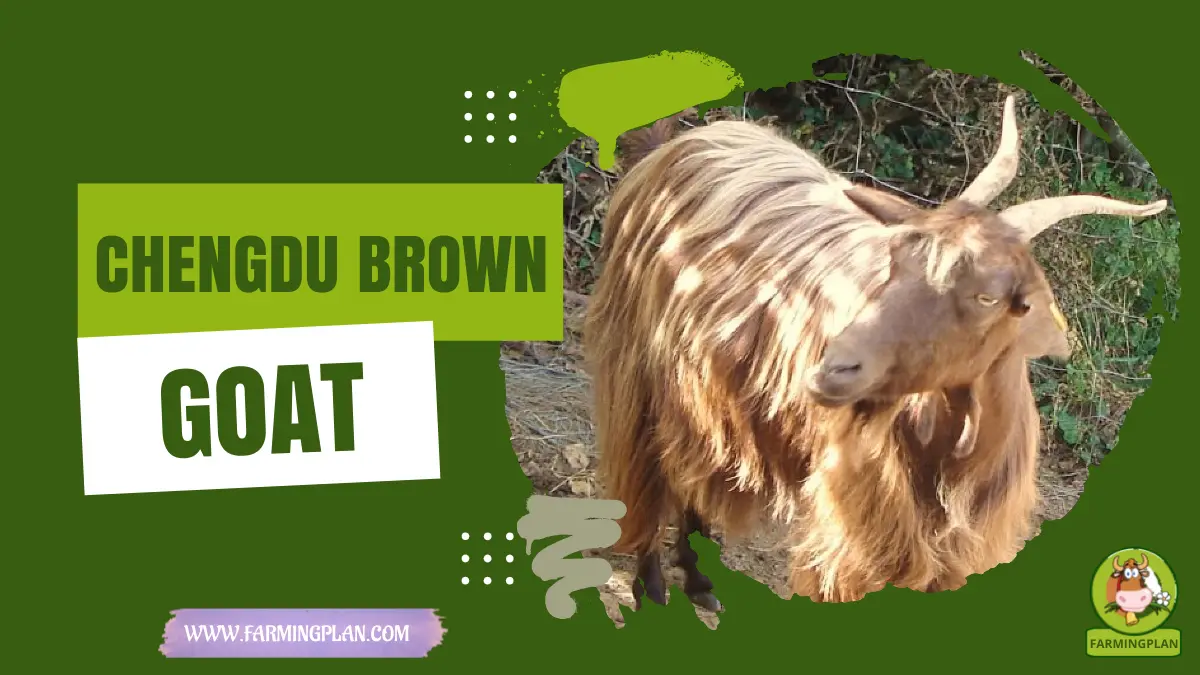
When you walk into a pasture filled with these animals, their striking appearance immediately grabs your attention. The Chengdu Brown shows off a rich mahogany, fawn, or deep chestnut coat with dark brown or black spinal stripes. Adults present a deep chest, well-sprung ribs, and strong legs built for foraging along rough slopes. In my experience inspecting breeding herds, bucks typically display strong horns and broad forequarters, while does feature refined heads with well-attached, functional udders.
When comparing this animal to other breeds, newcomers often confuse varied goat traits. Exotic lines like the Damascus goat exhibit extreme facial shapes and unusual Damascus goat skull structures. Other Chinese breeds like the Yichang white goat, Guizhou white goat, Jining Grey, Duan goat, or Xinjiang goat show starkly different coats and body shapes. The Chengdu Brown stands out because of its uniform dark color pattern, solid bone structure, and high dress-out percentage for regional meat markets.
Nature and Friendly Temperament of Chengdu Brown Goat
Working directly with these animals on a daily basis brings true pleasure because they display a remarkably calm personality. I always tell my fellow farmers that temperament makes or breaks your daily routine. Does are gentle, attentive mothers that accept human handling without panic, making milking sessions and routine health checks easy. Kids adapt quickly to farm staff, learning to follow instructions during group movement between pastures and resting barns.
Bucks maintain a confident, manageable demeanor when you maintain clear herd leadership and provide adequate space. I routinely manage mixed groups without the typical aggression seen in wilder hill breeds like the Awang goat or Tibet goat. Their cooperative nature allows small-scale producers, family operations, and commercial handlers to run efficient farming systems without expensive specialized restraint equipment.
Food and Nutrition Guidelines of Chengdu Brown Goat
Feeding your herd correctly forms the absolute foundation of successful livestock management. I design feed plans that mimic natural foraging patterns while delivering balanced protein and energy density. These animals thrive on high-quality forage, including native grasses, legumes, and browse plants like mulberry leaves or fresh willow shoots. During peak lactation or growth phases, I supplement their diet with clean grains, rice bran, and balanced mineral mixes to support strong bone development.
- Fresh forage, sweet grasses, and leafy tree leaves
- Clean legumes like alfalfa or clover hay
- Energy-rich grain supplements during breeding seasons
- Free-choice mineral blocks containing essential trace elements
- Continuous access to fresh, cool drinking water
Never offer moldy hay, wet grass clippings stored in plastic bags, or feed contaminated with chemical residues. Avoid feeding sudden diet changes because abrupt adjustments trigger severe rumen acidosis. Keep toxic yard plants away from fence lines, and ensure feed troughs remain clean and dry to prevent feed decay and mold formation.
Purpose and Economic Value of Chengdu Brown Goat
Producers raise this exceptional animal primarily for high-value regional meat production and supplemental dairy yield. The meat features fine grain, low intermuscular fat, and outstanding flavor that regional culinary markets demand. In my economic evaluations of homestead farming systems, this breed delivers rapid growth rates in young kids, reaching market weight faster than many unselected native goats.
Beyond meat sales, progressive breeders sell premium breeding stock to commercial operations seeking to improve hardiness in their herds. Crossbreeding programs involving the Boer goat, Saanen, or Laoshan goat often use Chengdu Brown genetics to boost disease resistance, heat tolerance, and maternal instincts in commercial offspring. This versatility creates multiple revenue streams for your farm through meat sales, milk production, and high-value breeding sales.
Special Features of Chengdu Brown Goat
The true superpower of this animal lies in its exceptional environmental resilience. Having managed farms through blistering summers and damp winters, I praise their natural ability to thrive in humid climates where other breeds falter. Their dark pigment protects their skin from severe sunlight, while their robust respiratory systems withstand high ambient humidity without developing chronic coughing fits.
- High natural heat tolerance and climate resilience
- Strong resistance to foot rot in damp pastures
- Superior forage conversion efficiency on rough brush
- High kid survival rate due to excellent maternal instincts
- Strong genetic conservation potential for sustainable farming
Furthermore, their efficient digestive system extracts maximum nutritional value from low-quality roughage. While sensitive European dairy breeds struggle during feed shifts, these goats adjust smoothly, maintaining body condition and milk yield. Their hardy feet resist softening in wet soil, keeping hoof health problems minimal compared to standard exotic breeds.
Health Issues and Prevention of Chengdu Brown Goat
Preventive health management saves thousands of dollars in veterinary bills over the lifespan of your herd. Like all small ruminants, these animals face challenges from gastrointestinal parasites, respiratory infections, and foot issues if barn management falters. I rely on the FAMACHA system to monitor parasite loads individually, treating only targeted animals to avoid developing chemical resistance in worm populations.
Good housing design forms your first line of defense against disease outbreaks. Ensure your barns provide continuous cross ventilation to remove toxic ammonia fumes from urine. Keep dry bedding spread generously across resting areas, and clean out damp straw regularly. Perform routine hoof trimming every six to eight weeks to prevent rot, and establish a strict quarantine protocol for new breeding stock entering your property.
“Raising Healthy Livestock Brings True Joy And Daily Wealth To Your Farming Journey.”
Step-by-Step Farming Guide of Chengdu Brown Goat
Starting a successful goat farm requires clear planning, proper facilities, and consistent daily care routines. I developed this practical step-by-step framework through years of hands-on farm management. Following these structured steps protects your investment and ensures high health standards across your entire herd from day one.
Step 1: Planning Facilities and Fencing Requirements
Before buying your first animals, build secure shelter and heavy-duty boundary fencing. I recommend five-foot woven wire fencing topped with a single strand of electric wire to prevent climbing or predator invasion. Design your barn with elevated wooden slatted floors or well-drained concrete pads covered in fresh straw to keep hoofs dry and clean.
Provide at least fifteen square feet of covered shelter space per adult animal to eliminate crowding stress. Build sturdy feeding racks elevated above ground level so animals cannot trample or contaminate their daily forage. Plan separate isolation stalls for sick animals, kidding pens for expectant does, and strong buck quarters with separate exercise runs.
Step 2: Selecting Healthy Breeding Stock
Selecting your foundational animals determines your long-term farming success. Purchase stock directly from reputable breeders who maintain detailed pedigree records, clear health histories, and verified vaccination schedules. Look for alert animals with bright eyes, smooth shiny coats, strong straight backs, and correct jaw alignment without underbite issues.
Examine the udders on does to ensure two functional, symmetrical teats free from hard scar tissue or evidence of past mastitis. Inspect bucks for well-developed, dual testicles and firm legs built for active breeding work. Avoid buying cheap animals at open auction yards where disease risks run dangerously high and history remains unknown.
Step 3: Managing Daily Feeding and Watering
Establish a predictable feeding schedule twice daily to maintain stable rumen microbe populations. Offer fresh forage or high-quality hay early in the morning, followed by balanced grain supplements tailored to each animal’s production stage. Always provide clean water tanks equipped with automated float valves to ensure continuous fresh water availability.
Monitor body condition scores monthly to adjust feed rations before animals become overly thin or dangerously fat. Place trace mineral blocks near water stations so goats easily balance their mineral requirements naturally. Clean feed troughs daily to prevent leftover feed from fermenting, molding, or attracting unwanted pests like mice and wild birds.
Step 4: Implementing Parasite Control and Health Routines
Protecting your herd from internal and external parasites requires proactive pasture rotation and regular health checks. Rotate pastures every three to four weeks to break life cycles of stomach worms and pasture parasites naturally. Check eye mucous membranes bi-weekly using color charts to spot early signs of anemia caused by barber pole worms.
Schedule routine vaccinations for Clostridium perfringens types C & D plus tetanus according to local veterinary recommendations. Trim hooves regularly using sharp hand shears, paring away excess wall horn until the sole sits flat and clean. Dip newborn navels immediately in strong iodine solution to prevent joint ill and bacterial infections.
Step 5: Managing Breeding and Kidding Operations
Time your breeding season so does drop kids during mild weather when spring forage grows abundantly. Introduce healthy bucks to groups of mature does, maintaining a ratio of one buck per twenty-five or thirty does for optimal coverage. Keep accurate breeding records to predict exact kidding dates based on the average five-month gestation period.
Read More: Beetal Goat Secrets for Ultimate Success
Expert Tips and Best Practices for Chengdu Brown Goat
- Build elevated resting platforms inside barns to satisfy natural climbing instincts and boost available floor space.
- Keep detailed record logs of vaccinations, kidding dates, weight gains, and veterinary treatments for every individual animal.
- Provide continuous airflow throughout your housing units without exposing animals to cold, direct floor drafts.
- Quarantine all new livestock additions for a minimum of thirty days before introducing them to your main herd.
- Establish strong relationships with regional livestock veterinarians who understand small ruminant medicine thoroughly.
- Utilize rotational grazing techniques to keep pastures productive, clean, and free of heavy worm burdens.
FAQs
What makes the Chengdu Brown Goat different from other Chinese goat breeds?
This breed features a distinctive mahogany-brown coat, high heat and humidity tolerance, and exceptional reproductive efficiency compared to white or grey regional breeds.
How much feed does an adult Chengdu Brown Goat require daily?
An adult requires approximately three to four percent of its total body weight in dry matter forage daily, supplemented with balanced minerals and targeted grain rations.
Are Chengdu Brown Goats suitable for small family farms?
Yes, their exceptionally calm temperament, manageable size, and dual-purpose meat and milk yields make them fantastic choices for smallholders and commercial producers alike.
How do I protect my goat herd from foot rot in wet climates?
Keep housing dry with fresh bedding, trim hooves regularly, use zinc sulfate footbaths, and ensure outdoor pastures feature adequate ground drainage.
What is the average lifespan of a Chengdu Brown Goat?
With proper nutrition, good shelter, and proactive preventive healthcare, these resilient animals routinely live and remain productive for ten to twelve years.
Conclusion
Raising the Chengdu Brown Goat provides an incredible opportunity for modern farmers to build a profitable, resilient, and highly productive livestock enterprise. Throughout this guide, we explored their historic origin in the Sichuan basin, distinct mahogany physical traits, gentle temperament, and adaptable digestive capabilities. By implementing proper facility design, rotational pasture management, targeted parasite controls, and balanced nutrition, you set your farm up for long-term agricultural success. These versatile animals reward your daily care with high-quality meat, valuable milk, and strong offspring that strengthen your farm’s economic foundation. Now is the perfect time to upgrade your herd genetics, so connect with local livestock associations and start building your thriving goat enterprise today!