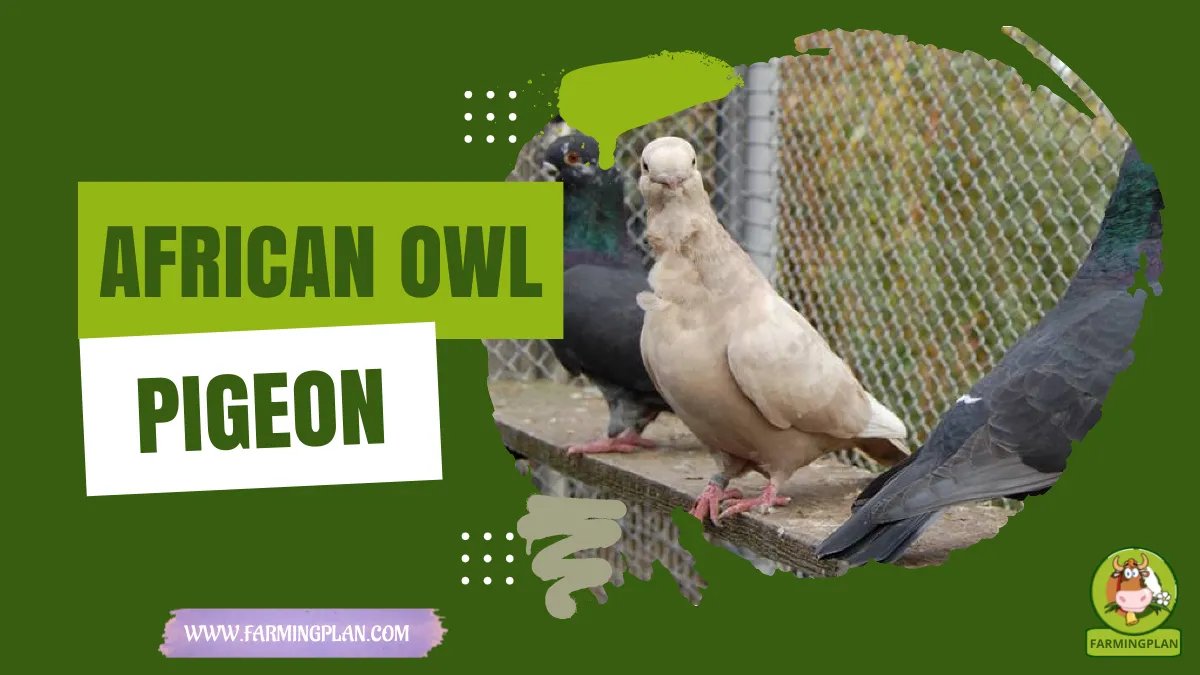
The African Owl Pigeon is a small yet elegant breed developed from the Rock Dove through years of selective breeding. With its short beak, soft frilled chest, and curious owl-like face, it’s easy to see why this bird is a favorite among fancy pigeon enthusiasts. I’ve raised African Owls for years in my loft, and they never fail to impress me with their charm, gentle nature, and show-worthy beauty. Whether you’re a breeder or just a bird lover, this little pigeon is a true gem to keep and admire.
History & Origin
The story of the African Owl Pigeon begins in Tunisia, a region of North Africa, where breeders first developed these birds centuries ago. Early enthusiasts admired the natural mutations of the Rock Dove, selecting those with shorter beaks and compact heads—traits that gave them that signature “owl” appearance.
When these pigeons were imported to England in the 18th and 19th centuries, British fanciers quickly took notice. Famous pigeon experts like Lewis Wright, author of The Practical Pigeon Keeper, described them as one of the most charming small fancy breeds. England became the hub of refinement for the African Owl, turning it into a show standard that later influenced similar breeds like the Old German Owl, Italian Owl, and Chinese Owl pigeons.
In the early 1900s, the breed spread to Europe and Australia, appearing in pigeon exhibitions, and even featured in the National Book of Standards published by Levi Publishing Co. Today, these pigeons remain a symbol of refined genetics, color, and form, admired by breeders across continents.
Read More: Anatolian Owl Pigeon: Farming
Characteristics
The African Owl Pigeon is small, graceful, and compact, usually weighing between 250–300 grams. Their short beak, which looks slightly “stub-nosed,” is one of their defining features—bred carefully to achieve the perfect balance between beauty and function.
Their body is short and broad, with a curved neck, a rounded head, and a lovely frill or jabot of feathers at the front. This gives them that elegant, almost royal look. You’ll find African Owl Pigeon in many standard colors like white, blue, silver, dun, and red. Each color has a distinct sheen when the sunlight hits their feathers, making them look like living jewels.
Their legs and feet are usually bare, though some show birds have light feathering. The tail is medium length and neat, helping them balance while they walk or perch. Unlike larger pigeon breeds, their compact structure makes them perfect for smaller lofts—just ensure the space is well-ventilated and dry.
Read More: American Strassers Pigeon: Farm Easily
Nature & Temperament
I always say that the African Owl Pigeon’s temperament matches its appearance—calm, gentle, and inquisitive. They’re friendly birds that enjoy the company of their keepers and flockmates. If tamed early, they’ll even perch on your hand or shoulder.
They’re not strong fliers like homing pigeons, preferring to stay close to their loft. This makes them a great choice for hobbyists who want a pet pigeon rather than a flyer. They do well in pairs or small groups, but I always recommend keeping them away from overly aggressive breeds. One of the things I admire most about them is how adaptable they are to people. Whether you’re a beginner or a seasoned breeder, you’ll find their docile nature and low noise level ideal for a peaceful pigeon-keeping experience.
Read More: Argovien White-tail Pigeon: Tips & Tricks
Food & Diet
Good nutrition is the foundation of any healthy pigeon. For my African Owl Pigeons, I stick to a balanced diet of grains, seeds, and occasional greens. A quality mix of wheat, millet, corn, and peas works perfectly.
love small seeds like millet and canary seed, which are easy to eat with their short beaks. Always provide fresh water daily, and make sure it’s in a clean container—these little birds can be sensitive to dirty or stagnant water. I also add grit, crushed oyster shells, and minerals to their diet for digestion and calcium. Every few weeks, I mix a vitamin supplement into their drinking water to boost their immunity. Avoid feeding too much bread or processed foods—it may fill them up but lacks the nutrients they need.
Usage & Purpose
The African Owl Pigeon isn’t used for racing or message carrying like Homing Pigeons. Instead, it’s prized as a Breed of Fancy Pigeon, bred and shown for its form, feather texture, and elegance.
Breeders around the world compete to achieve the perfect standards described in official pigeon handbooks. The ideal African Owl has a perfectly round head, a short and well-filled beak, and a fine, even frill on its chest. Beyond shows, they make wonderful pet companions. Their calm nature, small size, and beauty make them ideal for pigeon hobbyists who want something both decorative and affectionate. They can live up to 10–12 years with proper care, so you’ll enjoy their company for quite some time.
Special Features
A few things make the African Owl Pigeon stand out among all pigeon breeds. First, their short beak—it’s a sign of selective breeding perfection. The beak sits close to the face, giving the bird its distinct “owl look.”
Then there’s the frill (jabot or cravat), a cluster of upward-curving feathers at the neck. This is not just decorative—it’s a key show feature that judges look for. The combination of the owl-like head shape, small body, and beautiful posture makes this breed unforgettable. Another special feature is their calm adaptability. Unlike many pigeons, the African Owl stays calm in different weather conditions—though I always keep my loft dry, well-ventilated, and draft-free to prevent illness.
Health Issues & Prevention
Like most domesticated pigeons, African Owls are fairly hardy, but they can face issues if not cared for properly. The most common health concerns include canker, respiratory infections, and mites.
To prevent these, always maintain a clean loft with proper ventilation. Dampness and draughts are their worst enemies. I clean perches and feeding dishes weekly and disinfect the loft monthly using mild, bird-safe disinfectant. If your pigeon ever shows signs like ruffled feathers, weight loss, or nasal discharge, separate it immediately and consult an avian vet. Prevention is far easier (and cheaper) than cure. Also, regular worming and vaccination—depending on your local recommendations—go a long way in keeping your birds strong and active.
Step-by-Step Pet Owner & Breeding Care Guide – From Loft to Love
Raising African Owl Pigeons is one of the most rewarding hobbies I’ve ever had. These birds respond beautifully to gentle handling, clean environments, and routine care. Whether you’re starting with one pair or expanding your loft, follow these steps to build a happy and healthy pigeon family.
Step 1: Setting Up the Loft
Start with a ventilated loft that’s safe from predators. I prefer wooden lofts with wired windows for airflow and solid walls for warmth. The ideal size per pair is 2 feet by 2 feet, with a dry floor lined with straw or pine shavings. Keep the loft out of direct wind and damp weather. African Owls handle moderate temperatures but dislike humidity. Add nest boxes and perches spaced evenly to avoid crowding. Always ensure proper lighting—sunlight helps them stay active and healthy.
Step 2: Choosing and Pairing Birds
Pick healthy, active birds with bright eyes, smooth feathers, and a full frill. When pairing, match birds with similar size and good beak structure to maintain show standards. African Owls are monogamous by nature—once bonded, they’ll stay loyal. I always introduce new birds slowly, letting them see each other through wire mesh before sharing a cage. This reduces fighting and stress during pairing.
Step 3: Feeding and Nutrition Routine
Feed twice daily—once in the morning and once before sunset. Offer a mix of grains and seeds, along with grit for digestion. Fresh water is non-negotiable. Add chopped greens like spinach or lettuce occasionally, and give them vitamin supplements once or twice weekly. Breeding pairs need extra calcium (crushed eggshells or oyster shell grit) for strong eggshell formation.
Step 4: Breeding and Nesting
Breeding season often starts in spring. Provide nest bowls lined with soft straw. The female usually lays two eggs per clutch, and both parents take turns incubating. Eggs hatch after about 17–19 days. Once chicks hatch, let the parents feed them “pigeon milk” for the first week—it’s essential for growth. Keep the loft peaceful and free from disturbance during this period.
Step 5: Taming and Handling
Start handling young birds gently after they’re about three weeks old. Speak softly and use your hand as a perch. With patience, they’ll learn to trust you and even follow simple cues. I never rush the process—building trust takes time, but it’s worth it. Tame pigeons are easier to inspect, clean, and even show at exhibitions.
Step 6: Regular Cleaning and Health Checks
Clean the loft weekly, replacing old bedding and washing feeders. Every month, do a full disinfection. Check each bird for mites, lice, and beak overgrowth. Trimming may be needed occasionally for show birds. Good hygiene keeps away most common diseases. Keep an eye on droppings too—any change in color or texture can signal illness early.
Step 7: Preparing for Shows or Export
If you’re raising them for showing or exporting, focus on grooming and conditioning. Trim nails and lightly oil feathers for shine before a show. Keep records of pedigree, color, and pairings for breeding value. When exporting or shipping, use ventilated pigeon boxes, confirm Express Overnight delivery, and ensure tracking and PayPal or Zelle payment options if you’re selling online. Always follow your country’s live bird transport regulations.
Expert Tips & Best Practices
- Keep lofts dry—moisture invites disease.
- Use ventilated lofts for airflow without draughts.
- Always quarantine new birds for at least 2 weeks.
- Avoid overcrowding; happy pigeons need space.
- Handle birds gently to build trust.
- Use natural sunlight for at least 4 hours daily.
- Track lineage if you breed for show or sale.
- Join local pigeon clubs or online groups—you’ll learn a lot!
Healthy lofts create happy pigeons—clean often, feed well, and watch them thrive.
FAQ
What is the lifespan of an African Owl Pigeon?
They typically live 10–12 years with good care, a clean loft, and a healthy diet. Some even reach 15 years in ideal conditions.
How much does an African Owl Pigeon cost?
Prices range between $50 to $200 per bird, depending on color, quality, and breeder reputation. Shipping and payment fees may add extra costs.
Can African Owl Pigeons fly well?
Not really—they’re more decorative than athletic. They prefer short flights around the loft and usually stay close to home.
What makes them different from Chinese or Italian Owl pigeons?
The African Owl is smaller with a shorter beak and tighter frill. The Chinese Owl has curlier feathers, while the Italian Owl is slightly larger.
Are African Owl Pigeons good for beginners?
Absolutely! Their gentle nature and small size make them one of the easiest fancy breeds for first-time pigeon keepers.
Conclusion
The African Owl Pigeon is a true gem among fancy pigeon breeds. From its short beak and frilled chest to its calm and friendly nature, this bird adds elegance and joy to any loft. Whether you keep them as pets, breed them for shows, or simply admire their charm, they’ll reward you with loyalty and beauty for years. If you love birds that mix personality, history, and style, give the African Owl Pigeon a place in your home or loft. Share your thoughts or tag a fellow pigeon lover—let’s keep this beautiful breed thriving!