
I have spent my entire life working with livestock, farm animals, and native Indian dog breeds on working land. The Banjara Hound Dog stands out as one of the most remarkable, swift, and loyal canines you will ever encounter. Also known as the Vanjari Hound, this graceful Indian sighthound has a long history on the Deccan Plateau of Maharashtra, India. Nomadic communities developed this dog to chase down desert hares, jackals, antelopes, and gazelles across tough ground.
Over the years, I have helped farm owners and fanciers raise these energetic landrace dogs safely. In this guide, I will share my practical knowledge on their temperament, care, diet, health, and daily training needs. Whether you are looking for a rare Banjara hound dog for sale, comparing a Banjara hound price, or exploring native breeds like the Mudhol, Caravan hound, Kanni dog, Kaikadi dog, or Bakharwal dog, this complete guide will help you understand every aspect of this athletic sighthound.
History & Origin of Banjara Hound Dog
The story of the Banjara Hound Dog belongs to the open plains of the Indian subcontinent. For centuries, the nomadic Banjara trading community bred these deep-chested canines across the hot Deccan region. These nomadic groups needed a rugged hound that possessed supreme speed, sharp eyesight, and incredible stamina. They did not breed these dogs for show rings or fancy kennel clubs. Instead, they selected animals based purely on hunting skill, survival instinct, and hard working ability. The dogs traveled alongside human caravans, protecting camps from wild predators and hunting wild game like hares and deer to feed the community.
Over time, regional sighthound types developed distinct traits across different parts of India. While dogs like the Mudhol, Caravan hound, and Guli dog share a thin, aerodynamic frame, the Banjara Hound grew slightly larger with unique muscle and bone density. Some historic lines even show a rougher coat, making them look similar to a large Saluki or a heavy-duty coursing hound. Unfortunately, modern shifts in agriculture and lifestyle brought many native working dogs close to extinction. Today, dedicated fanciers, regional breeders, and rural pet owners work together to protect these indigenous Indian dog breeds. Recognizing their historical background gives us deep appreciation for their survival skills and working legacy.
Read More: Cuban Brown Rabbit: Powerful Guide To A Rare Breed
Characteristics of Banjara Hound Dog
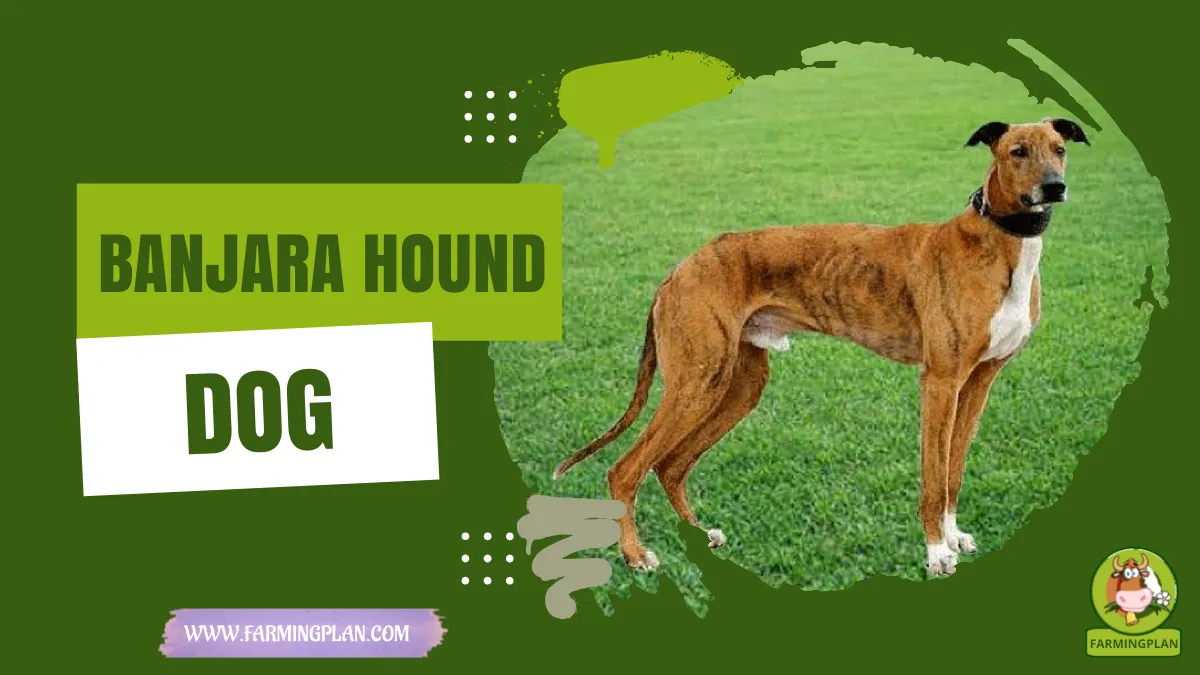
When you look at a Banjara Hound Dog, you immediately see raw speed, strength, and grace balanced together. They possess a long, narrow head, powerful jaws, broad nostrils, and bright eyes that lock onto movement from miles away. Their deep chest houses large lungs that fuel intense running bursts across rough terrain. Their legs are long, lean, and packed with dense muscle. The tail stays low, curving slightly upward like a saber when the hound steps into motion. Their short coat or occasionally rough coat provides great air circulation during hot Indian summers.
- Average Height: Males stand between 24 and 28 inches (61 to 71 cm) at the shoulder, while females measure 23 to 27 inches (58 to 68 cm).
- Average Weight: Males weigh around 61 to 70 pounds (27 to 31 kg), and females weigh between 52 to 61 pounds (23 to 27 kg).
- Coat Colors: Their coat comes in wide variations including Brindle, solid fawn, light brown, cream, black, white, and bicolors. Rare coat patterns like Blue Merle or saddle patterns appear in mixed landrace lines, though Albino coats remain exceptionally rare.
- Physical Build: They have a sleek silhouette, tuck-up waist, tight feet, and minimal drooling tendency compared to heavy mastiffs like the Bully Kutta or Sindh Mastiff.
Nature & Temperament of Banjara Hound Dog
Understanding the mind of a sighthound is the key to living happily alongside one. The Banjara Hound Dog combines deep loyalty to its master with a strong, independent streak. In my experience, these dogs form tight bonds with their direct family, but they remain cautious around strangers. They carry a strong territorial nature, making them vigilant watchdogs on farms and rural properties. However, their high prey drive means they naturally want to chase small animals like cats, rabbits, or birds.
This dog fits best with active owners who understand working sighthounds. They are not ideal for first-time dog owners living in small city apartments. They need room to run, clear rules, and calm handling. When raised with family members from puppyhood, they show a gentle, relaxed side inside the home. Yet, they need an experienced handler who respects their sensitive spirit. Heavy-handed punishment will make them shut down, while steady positive reinforcement helps them shine as intelligent, faithful partners.
Food and Daily Diet Guidelines of Banjara Hound Dog
Feeding an athletic sighthound requires high-quality nutrition to sustain their energy and maintain lean muscle mass. A Banjara Hound Dog burns through calories quickly when running, but carrying extra weight puts extreme stress on their delicate joints. You must balance protein, healthy fats, and essential minerals throughout their life stages.
Nutrient Breakdown Table
| Life Stage | Primary Protein Source | Key Fatty Acids & Supplements | Daily Feeding Schedule |
| Puppy (2 to 12 months) | Chicken, eggs, fish, puppy food | Omega-3, joint supplements, calcium | 3 to 4 small meals daily |
| Adult (1 to 7 years) | Lean beef, mutton, poultry, rice | Fish oil, zinc, digestive enzymes | 2 balanced meals daily |
| Senior (8+ years) | Light poultry, lean fresh meat | Glucosamine, chondroitin, vitamins | 2 light meals daily |
Essential Dos & Don’ts for Feeding
- Do provide continuous access to fresh, clean drinking water at all times.
- Do feed a protein-rich diet supplemented with boiled meat, bones, and fresh vegetables.
- Don’t exercise your hound immediately after a heavy meal to avoid stomach bloat.
- Don’t allow your dog to become overweight; keep their ribs slightly palpable beneath a sleek coat.
Usage and Working Purpose of Banjara Hound Dog
Throughout history, owners bred the Banjara Hound Dog for open-field hunting and pack coursing. Their incredible speed allowed them to chase down swift prey like hares, gazelles, and jackals across rocky soil. Their strong frames enabled them to tackle larger animals that lighter hounds could not handle. On rural homesteads, they acted as dual-purpose dogs, combining hunting prowess with natural watchdog abilities.
In modern times, farmers and landowners value them as reliable guard dogs and natural farm protectors. Their mere presence deters intruders and keeps wild pests away from livestock zones. Beyond farm work, active hobbyists involve them in lure coursing, agility trials, and open-field running sports. While they differ greatly from small companion breeds like the Beagle or Whippet, they excel as working allies when given proper physical jobs.
Special Features of Banjara Hound Dog
The Banjara Hound Dog possesses unique qualities that separate it from standard kennel-club breeds across the world. Their sight-based hunting style means their eyes track movement across vast distances long before their nose catches a scent. They possess exceptional heat tolerance, allowing them to work under high temperatures that would exhaust European working breeds.
Another special feature is their low-maintenance grooming requirement. Their short coat sheds very little hair, generates minimal odor, and cleans easily after a muddy run. Their light footprint, extreme agility, and rapid acceleration make them unmatched sprinters across open ground. Additionally, their deep-rooted survival instincts give them high natural immunity and strong bone structure when fed a balanced diet.
Health Issues and Preventive Care of Banjara Hound Dog
These indigenous landrace dogs are generally hardy, but they still require proper healthcare and regular vet visits. Because they carry low body fat, they are sensitive to certain medications and anesthesia, much like other sighthounds.
- Gastric Dilation-Volvulus (Bloat): Deep-chested hounds can experience dangerous stomach twisting if they eat or drink rapidly before intense running.
- Joint and Bone Stress: High-speed running over hard ground can cause foot pad injuries, torn ligaments, or early joint wear.
- Tick-Borne Fevers: Outdoor farm hounds often encounter ticks, which transmit blood parasites like Ehrlichia and Anaplasma.
- Hypothermia Sensitivity: Their thin coat offers poor insulation against cold weather or damp housing conditions.
Preventive care requires routine vaccinations, regular pest control for ticks and fleas, and annual blood checks. I always schedule a Vet Appointment Booking twice a year for comprehensive physical examinations. Providing soft bedding protects their elbows and hips from calluses, while joint supplements keep their cartilage healthy as they mature.
Banjara Hound guide covering history, traits, diet, care, training, health, price, puppies, and what owners should know.
Step-by-Step Pet Owner Care Guide for Banjara Hound Dog
Taking care of a native sighthound requires dedication, proper physical space, and routine management. Here is my complete, hands-on step-by-step care guide for successfully raising a healthy hound.
Preparing Your Home and Outdoor Spaces
Before bringing a Banjara Hound puppy for sale into your life, secure your property perimeter. Sighthounds can jump surprisingly high fences when their prey drive kicks in. Install a sturdy 6-foot fence around your yard, check all gate latches, and clear away sharp rocks or loose wire. Set up a shaded, covered rest area equipped with soft bedding, ensuring good air circulation to keep your hound comfortable in hot weather.
Step 1: Puppy Arrival and Initial Socialization
When your young puppy arrives, focus on building trust and calm confidence immediately. Introduce the puppy to family members slowly without overwhelming them with loud noises or big crowds.
Start basic crate training and house training during the first week. Take your pup outside every two hours to establish a consistent bathroom routine. Expose your puppy gently to different sounds, floor textures, livestock, and friendly people while keeping them securely on a leash. Early positive exposure prevents fear-based aggression or extreme shyness later in life.
Step 2: Establishing Daily Feeding and Nutrition Routines
Set fixed feeding times every morning and evening to keep your hound’s digestive system predictable. Measure out high-protein food balanced with lean meats, healthy fats, and joint-support nutrients. Avoid feeding table scraps high in salt, spice, or cooked poultry bones that can splinter internally. Allow your dog to rest quietly for at least one hour after eating before engaging in any physical activity. Keep water bowls clean and refilled with fresh water throughout the day to prevent dehydration.
Step 3: Implementing Daily Exercise and Agility Training
An under-exercised sighthound will quickly develop destructive habits out of boredom. Plan for at least 60 to 90 minutes of vigorous daily exercise in a safe, enclosed area.
Incorporate fetch games, lure chasing, long walks, and free running inside secure fields. Avoid letting your hound off-leash in open, unfenced public areas, because their eyesight will catch a stray cat or hare and they will sprint across busy roads. Regular running keeps their muscles lean, builds heart strength, and maintains mental stability.
Step 4: Hygiene, Grooming, and Pest Control
Maintaining your hound’s coat and body requires minimal effort, but consistent care prevents common outdoor infections. Brush your dog’s short coat once or twice a week using a rubber curry brush or hound mitt to clear loose hair.
Inspect their ears weekly for dirt buildup or signs of infection, and trim their nails whenever you hear them clicking against hard floors. Apply monthly vet-approved pest control treatments to protect against ticks, fleas, and heartworms. Wash their feet after long runs in dusty fields, and bath them with mild dog shampoo only when necessary.
Step 5: Advanced Obedience and Behavioral Management
Training an independent sighthound demands patience, clear rules, and calm leadership. Use positive reinforcement techniques involving small food treats, vocal praise, and play rewards. Focus heavily on mastering the recall command (“come”), steady leash walking, and “sit-stay” commands. Never resort to physical harshness, as sighthounds remember poor treatment and will lose trust in you. Maintain short, engaging 10-minute training sessions daily to sharpen their obedience while keeping their mind active.
Read More: Argentine Criollo Cattle: Amazing Hardy Breed
Expert Tips and Best Practices for Owners
- Secure Fencing: Always double-check gates and maintain high fences to prevent escapes.
- Use Soft Bedding: Provide thick orthopedic dog beds to protect their lean joints from hard floors.
- Manage Prey Drive: Keep your hound securely leashed around small pets, stray cats, and livestock.
- Avoid Cold Exposure: Equip your dog with a warm sweater during cold winter months because their short coat offers little heat retention.
- Hydration Focus: Carry fresh water during summer runs to prevent heat stroke on hot days.
- Verify Sourcing: When looking for a Banjara hound dog puppy for sale, verify pet owners or breeders to support ethical breeding practices.
FAQs
Is the Banjara Hound Dog suitable for first-time dog owners?
No, the Banjara Hound Dog is not recommended for first-time owners because of its high energy, independent nature, and strong prey drive. They require an experienced handler who understands sighthound behavior and positive training methods.
How much exercise does a Banjara Hound Dog need every day?
A Banjara Hound Dog needs at least 60 to 90 minutes of active exercise daily, including sprint opportunities in a securely fenced field. Regular physical activity keeps them healthy and prevents destructive behavior indoors.
Are Banjara Hounds good guard dogs for homes and farms?
Yes, Banjara Hounds make excellent watchdogs for farms and rural homes because of their natural territorial instincts and sharp alertness. They remain suspicious of strangers while protecting their property fiercely.
What is the average lifespan of a Banjara Hound Dog?
The average lifespan of a Banjara Hound Dog ranges between 10 to 14 years when given proper nutrition, regular exercise, and preventive veterinary care. Their natural landrace genetics contribute to overall strong health.
How does the Banjara Hound differ from the Mudhol Hound?
While both are native Indian sighthounds built for speed, the Banjara Hound is generally larger, heavier in bone structure, and historically bred by the Banjara community for taking down larger game.
Conclusion
The Banjara Hound Dog is a magnificent symbol of India’s native canine history, combining incredible speed, endurance, and quiet loyalty. Raising one of these impressive sighthounds requires dedicated space, active exercise, proper nutrition, and calm, confident leadership. While they are not meant for apartment life or passive owners, they reward experienced handlers with unwavering devotion and exceptional farm protection. By preserving and respecting indigenous breeds, we keep vital working history alive for generations to come. If you are passionate about rare native breeds, share this article with fellow enthusiasts, leave your thoughts in the comments below, or reach out to local breed conservation groups today!