I love working with rare poultry, and the Gallina Ibicenca chicken stands out as a true gem among Mediterranean animal breeds. This remarkable native bird comes straight from the island of Ibiza in the Balearic Islands, where local smallholders have preserved its lineage for generations. When you see this rare hen strutting around the yard, you instantly notice its vibrant plumage and rustic charm. I am thrilled to share my hands-on experiences with you today so you can successfully raise these wonderful heritage birds on your own farm.
Farmers often compare this hardy bird to other famous choices like the Australorp or Andalusian chicken, but this local Spanish genetic group brings its own unique magic to your homestead. Beyond traditional farming, people even celebrate these island birds in local folklore and culinary culture alongside famous dishes like a classic Gallina ibicenca chicken recipe. Whether you are curious about local biodiversity or want to compare egg colors against Araucana chickens, this breed will totally captivate your heart.
History and Origin of Gallina Ibicenca Chicken
The story of this island bird connects deeply to the rural history of the Mediterranean area. For centuries, farmers across Ibiza raised these birds in small backyard setups alongside local black pig stock, goats, and native sheep. These hardy birds adapted to tough edaphoclimatic conditions, surviving warm summers and dry terrain with minimal fuss. Genetic studies using microsatellite markers, alleles, and neighbor-net trees show how isolated island life created a distinct population structure. Researchers measuring Nei’s genetic distance and heterozygosity have proven that these birds hold a special spot in the official Catálogo oficial de razas de Ganado de España under Real Decreto 45/2019.
Local breeding groups, including the Pitiusa Cabrera Breeders Association, work hard to maintain the official Genealogical Book and run active conservation programs. These efforts protect important genetic heritage, keeping native breeds safe from crossing with commercial hybrids. When you raise these birds, you help preserve real living history that survived through pure rustic endurance. I always feel proud knowing my flock connects directly to centuries of traditional Spanish farming.
Read More: Winsener Masthuhn Chicken: Rare German Gem
Characteristics of Gallina Ibicenca Chicken
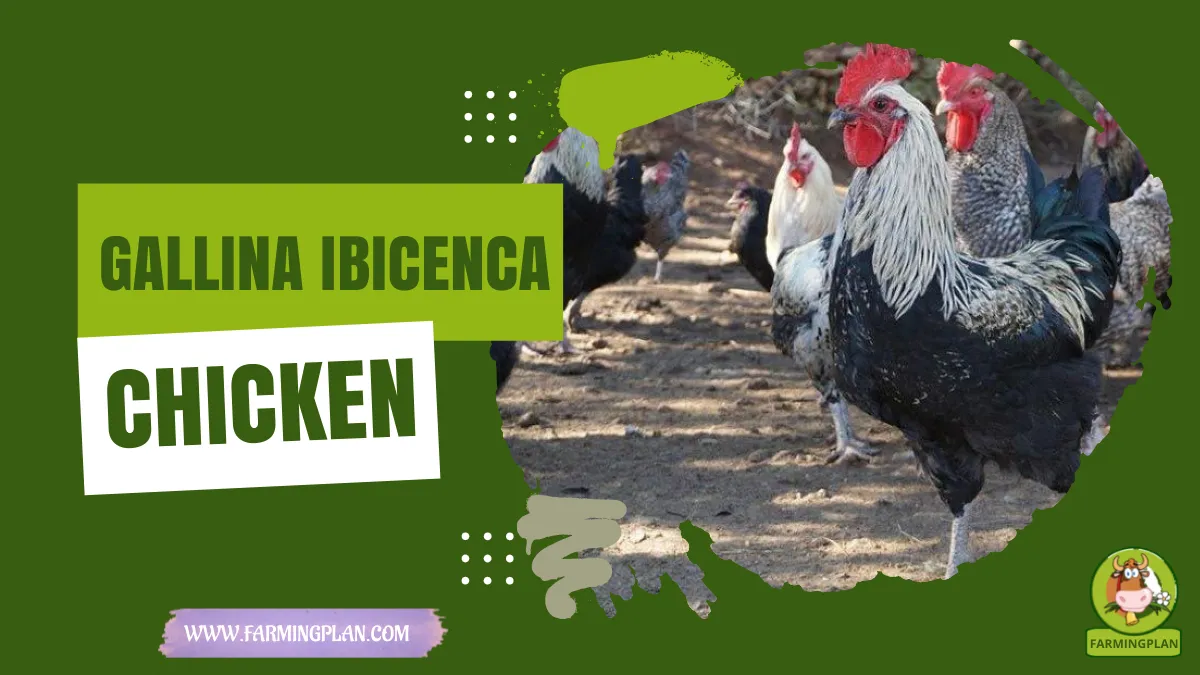
When you look at this breed, you notice a strong, athletic body built for foraging outdoors. They possess a prominent single comb, bright red wattles, and clear earlobes that reflect their Mediterranean heritage. Their legs are smooth, strong, and perfectly suited for walking across rocky soil without getting injured. Their smooth feathers come in striking color varieties that shimmer beautifully in the bright sunlight.
- Weight: Roosters weigh around 3.0 to 3.5 kg, while hens weigh between 2.0 to 2.5 kg.
- Comb & Wattles: Single red comb with well-defined points and bright red earlobes.
- Plumage: Tight, weather-resistant feathers in rich gold, red, and black tones.
- Egg Shell Color: Light brown to white eggs, unlike the blue eggs from Araucana chicken eggs.
Comparing this breed to birds like the Ameraucana, Prat del Llobregat, or Brahma reveals distinct physical differences. Their streamlined build keeps them agile and quick on their feet. Their sturdy legs and tight feathering shield them from extreme weather conditions effortlessly.
Nature and Temperament of Gallina Ibicenca Chicken
These rustic birds feature an alert, confident, and highly active temperament that suits free-range life. They love exploring every corner of your property, hunting for bug larvae, seeds, and fresh greenery. While they maintain a watchful eye for predators, they quickly form strong bonds with caring owners who bring them treats.
When managing a mixed flock with an Araucana hen vs rooster setup, these island birds establish a peaceful social order without excessive bullying. Their calm yet active nature keeps coop drama to a minimum. They handle daily handling well if you socialise them early with hand-fed grain.
Food and Healthy Diet Guidelines of Gallina Ibicenca Chicken
Feeding your flock the right nutrient mix keeps their feathers shiny and egg output high throughout the year. I start my young chicks on a 20% protein starter crumb for the first eight weeks. As they mature, I transition them to a quality 16% protein layer pellet mixed with natural scratch grains.
- Protein Source: High-quality layer pellets supplemented with mealworms during molting season.
- Calcium Boost: Free-choice crushed oyster shell to ensure thick, durable eggshells.
- Grit & Minerals: Insoluble granite grit to assist gizzard digestion of coarse grains.
- Fresh Greens: Daily offerings of garden scraps, leafy greens, and fresh pasture.
Never feed your flock moldy grain, avocado pits, raw green potatoes, or salty kitchen scraps. Clean, cool water must remain available every second of the day, especially during hot summer afternoons. Adding raw apple cider vinegar to their water twice a week keeps their digestive tract healthy and clear.
Purpose and Agricultural Usage of Gallina Ibicenca Chicken
This versatile bird serves as a true dual-purpose homestead breed that excels at both egg production and meat quality. Hens lay a steady supply of medium to large eggs that feature rich, dark orange yolks. Their meat is firm, flavorful, and deeply traditional, fitting perfectly into slow-cooked rustic dishes.
Beyond producing fresh food, these birds work as natural pest controllers on the farm. They scratch through leaf litter, clearing out ticks, beetles, and weed seeds from your garden beds. Their active foraging habits drastically reduce your overall feed bill during peak growing seasons. They also play a huge role in educational displays and farm tourism, showing off native Balearic heritage to eager visitors.
Special Features of Gallina Ibicenca Chicken
What makes this bird truly extraordinary is its raw resilience and high genetic diversity compared to industrial hybrid lines. Evolutionary isolation on the Balearic Islands created a bird that resists climate stress and common backyard ailments exceptionally well.
- Climate Resilience: Outstanding tolerance to high summer heat and dry Mediterranean microclimates.
- Foraging Efficiency: Superior ability to convert natural forage into high-quality protein.
- Maternal Instincts: Hens frequently go broody and make attentive, protective mothers.
- Genetic Value: Pure ancestral bloodline preserved through rigorous local selection standards.
Their keen instincts keep them safer from aerial predators than heavy, slow breeds like the Adler Silver chicken or Altsteirer. They react quickly to danger, taking cover under bushes long before hawks strike. This sharp survival instinct makes them top choices for open pasture setups.
Health Issues and Prevention Protocols of Gallina Ibicenca Chicken
Even though this native breed boasts incredible hardiness, good farm hygiene remains your best defense against sickness. External parasites like red mites and Northern fowl mites can plague coops during warm summer months if you let your guard down.
- Mite Control: Dust roosting bars and nesting boxes with food-grade diatomaceous earth regularly.
- Respiratory Protection: Maintain crisp coop ventilation without creating cold drafts over roosting poles.
- Internal Parasites: Perform herbal or veterinary worming treatments twice a year in spring and fall.
- Leg Care: Rub warm coconut oil on shank scales to block scaly leg mites completely.
Watch your birds daily for subtle red flags like droopy wings, pale combs, or sudden lethargy. Isolate any sick bird immediately in a warm, quiet hospital crate to prevent illness from spreading across the main coop. Keeping bedding bone-dry stops fungal spores and dangerous respiratory issues before they ever start.
Always Give Your Flock Fresh Water, Deep Bedding, And Plenty Of Space To Roam Happy Every Single Day.
Step-by-Step Care Guide for Gallina Ibicenca Chicken
Raising a healthy flock requires a solid game plan right from day one. I designed this step-by-step framework to guide you through setup, brooding, and long-term care so your birds thrive for years.
Step 1: Coop Construction and Predator Defense
Building a safe enclosure serves as your first line of defense against nocturnal predators. Provide at least 4 square feet of interior coop space per bird, alongside 10 square feet per bird in the outdoor run. Secure all doors with heavy-duty two-step latches that raccoons cannot open.
Cover all windows and vent openings with sturdy half-inch hardware cloth rather than flimsy chicken wire. Bury this mesh 12 inches underground around the run border to stop digging predators like foxes or stray dogs cold. Install high roosting bars using smooth wooden 2x4s positioned with the wide side facing up.
Step 2: Brooder Setup and Temperature Management
Prepare your chick brooder two days before your new chicks arrive to stabilize heat levels. Place three inches of clean pine shavings over the floor, avoiding slippery newspaper that causes splayed legs. Position a safe radiant heat plate or heat lamp firmly above the bedding.
Maintain the brooder temperature at 95°F for the first week, reducing heat by 5°F each week until chicks fully feather out. Fill shallow chick drinkers with fresh water and add marbles so tiny chicks cannot accidentally drown. Offer clean chick starter feed inside trough feeders that prevent messy spilling.
Step 3: Daily Feeding and Pasture Management
Establish a predictable morning feeding routine to build trust with your expanding flock. Refill feeders with fresh layer pellets every morning and inspect drinkers for clean water clarity. Let your flock out onto pasture once morning dew dries off the grass completely.
Rotate your pasture areas using movable electric poultry netting to keep pastures fresh and reduce parasite cycles. Scatter small amounts of scratch grain across clean ground to encourage natural scratching and foraging exercise. Collect fresh eggs twice daily to discourage egg-eating habits from developing inside dark nesting boxes.
Step 4: Coop Hygiene and Bedding Renewal
Maintain strict cleanliness inside the coop to keep ammonia gases low and respiratory systems clear. Spot-clean droppings beneath main roosting bars every morning using a long-handled cat litter scoop. Completely strip old pine bedding and replace it with fresh material every month.
Scrub down water buckets once a week using warm water and organic white vinegar solutions. Spray roosting bars and wall cracks with natural pest treatments to keep blood-sucking mites away completely. Ensure nesting boxes contain deep, fresh straw or pine shavings so eggs stay clean and unbroken.
Step 5: Seasonal Flock Maintenance
Adjust your management style to support your flock through heavy seasonal changes. Provide extra shade canvas, shallow dust baths, and electrolyte ice blocks during blazing summer heat waves. Ensure coop ventilation stays open near top roof peaks so heat escapes quickly without creating floor drafts.
During cold winter months, apply thick layers of dry wood shavings using the deep litter method to generate natural warmth. Never seal coops completely tight; moisture buildup causes painful frostbite on large single combs much faster than cold air. Feed warm corn or sunflower seeds right before roosting time to boost metabolic heat overnight.
Read More: Austrian Magpie Cropper Pigeon: Amazing Breed Guide
Expert Tips and Flock Best Practices
- Clean water buckets daily with white vinegar solutions to block bacterial buildup.
- Hang fresh cabbage heads inside the run to reduce feather pecking during winter confinement.
- Provide deep dust baths filled with dry soil, wood ash, and diatomaceous earth.
- Keep emergency supplies like styptic powder, bandages, and antiseptics ready inside your coop kit.
- Install solar-powered automatic coop doors to ensure birds get locked up safely at dusk.
FAQs
What is the Gallina Ibicenca chicken known for?
This rare Spanish heritage breed is famous for its extreme hardiness, active foraging skills, and deep cultural roots on the island of Ibiza. It offers strong dual-purpose value, delivering consistent egg production alongside quality meat.
How does this breed compare to Araucana chickens?
While Araucana chickens feature tufts and lay blue eggs, this island bird has a traditional single comb and lays white to cream eggs. It also exhibits superior tolerance for hot, dry summer climates.
Can I raise these birds in cold winter regions?
Yes, these birds adapt surprisingly well to cold climates as long as their coop stays dry and well-ventilated. You must monitor their large single combs during severe freezes to prevent frostbite.
What do these chickens prefer to eat on open range?
They thrive on fresh grass, weed seeds, beetles, larvae, and small farm bugs. You must still provide quality layer pellets so they receive balanced protein and essential calcium daily.
Are these island chickens friendly toward smallholders?
They possess an alert and independent nature, but they grow very calm and friendly around owners who handle them gently. Hand-feeding treats like mealworms quickly builds strong bonds with your flock.
Conclusion
Raising the Gallina Ibicenca chicken brings pure joy, deep history, and real practical productivity straight to your homestead. These hardy birds offer magnificent foraging skills, steady egg production, and unmatched rustic charm that enriches any backyard farm. By caring for this unique Spanish breed, you actively support global poultry biodiversity and keep rich agricultural heritage alive. Have you ever raised rare Mediterranean chickens or compared unique egg colors in your own flock? Leave a comment below, share your favorite homesteading stories, or pass this guide along to your fellow bird lovers today!