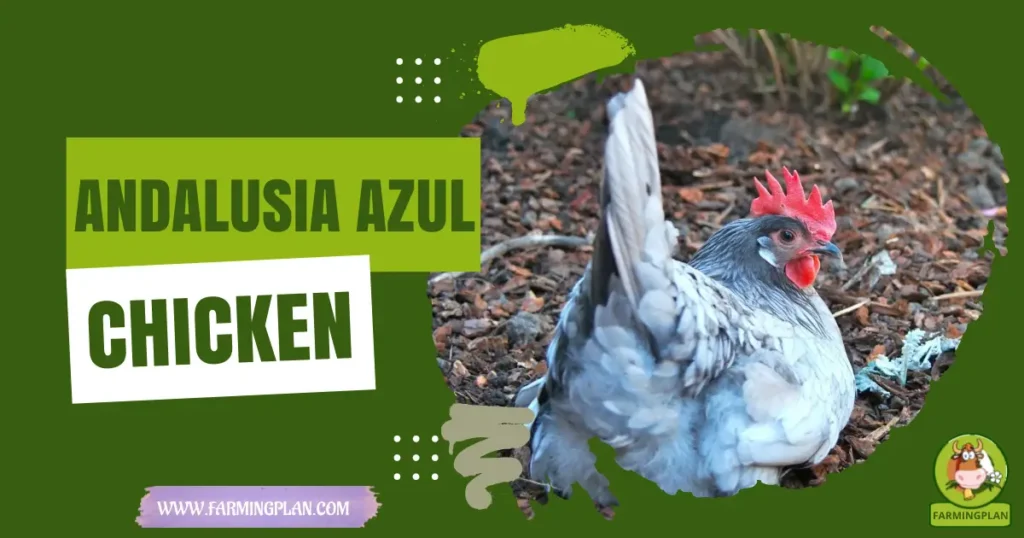
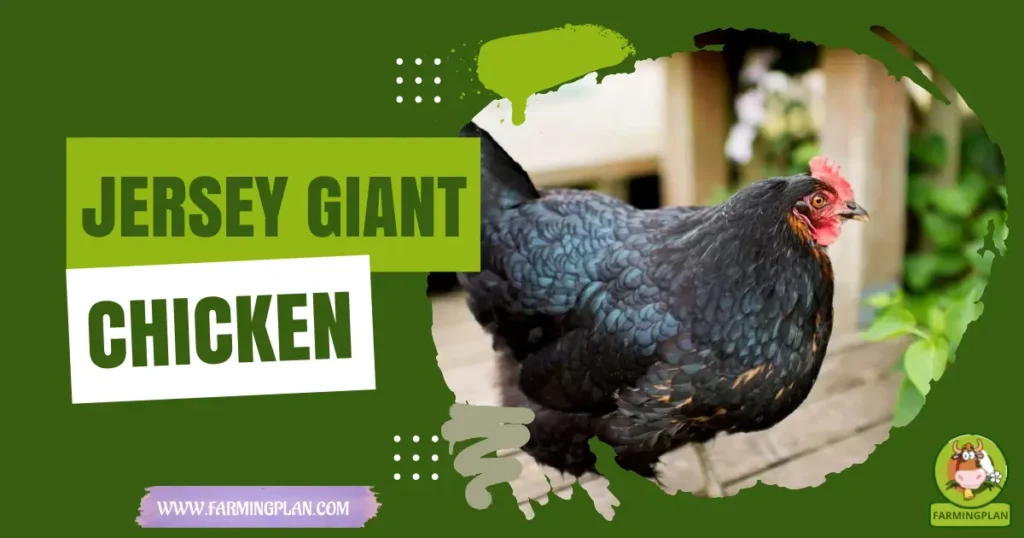
I love raising rare heritage poultry, and the Gallina del Sobrarbe chicken holds a very special place in my heart. This beautiful heritage bird comes directly from the stunning Pirineos region in Huesca, Spain. As a farming specialist, I have worked with many chicken breeds, but the Sobrarbe chicken stands out because of its incredible resilience, strong foraging skills, and unique look. People often compare them to other famous breeds like the Andalusian chicken, Minorca chicken, Welsummer chicken, or even the small Kikiriki chicken.
In Spanish, we simply refer to any hen as a gallina or a young bird as a pollo, but this native raza brings true history into your backyard coop. The local breeders association, known as AGASOB, works hard to protect this raza autóctona from total extinction. Whether you want a great free-range egg producer or a tough yard bird, this ave ligera delivers amazing results for small farms.
History & Origin of Gallina del Sobrarbe Chicken
The story of this ancient bird takes us straight into the rugged heart of the Pirineo aragonés. Centuries ago, local farmers in the Comarca del Sobrarbe selected these birds for harsh mountain weather and tough living conditions. Historical records and old fotografías show that these farm birds thrived long before modern industrial hybrids appeared. Over time, commercial farming threatened to erase the native stock completely, pushing the population into severe danger. Fortunately, dedicated people like Dr. Amadeu Francesch and passionate breeders like Ricardo Azon Pardo stepped in to save the day.
They gathered surviving birds across small localidades, scenes and mountain villages to build a solid población base. Through the hard work of the Asociación de Criadores de Gallina del Sobrarbe (AGASOB) and support from the Ministerio de Agricultura, Pesca y Alimentación (MAPA), the breed gained official recognition in the national catalogue (Catálogo Oficial de Razas de Ganado). Today, places like the Centro de Innovación Gastronómica de Aragón (CIGA) and local events like the Expoferia del Sobrarbe in Ainsa or FEMOGA in Sariñena help celebrate this living piece of agricultural history.
Read More: Anatolian Ringbeater Pigeon: Ultimate Master Guide
Characteristics of Gallina del Sobrarbe Chicken
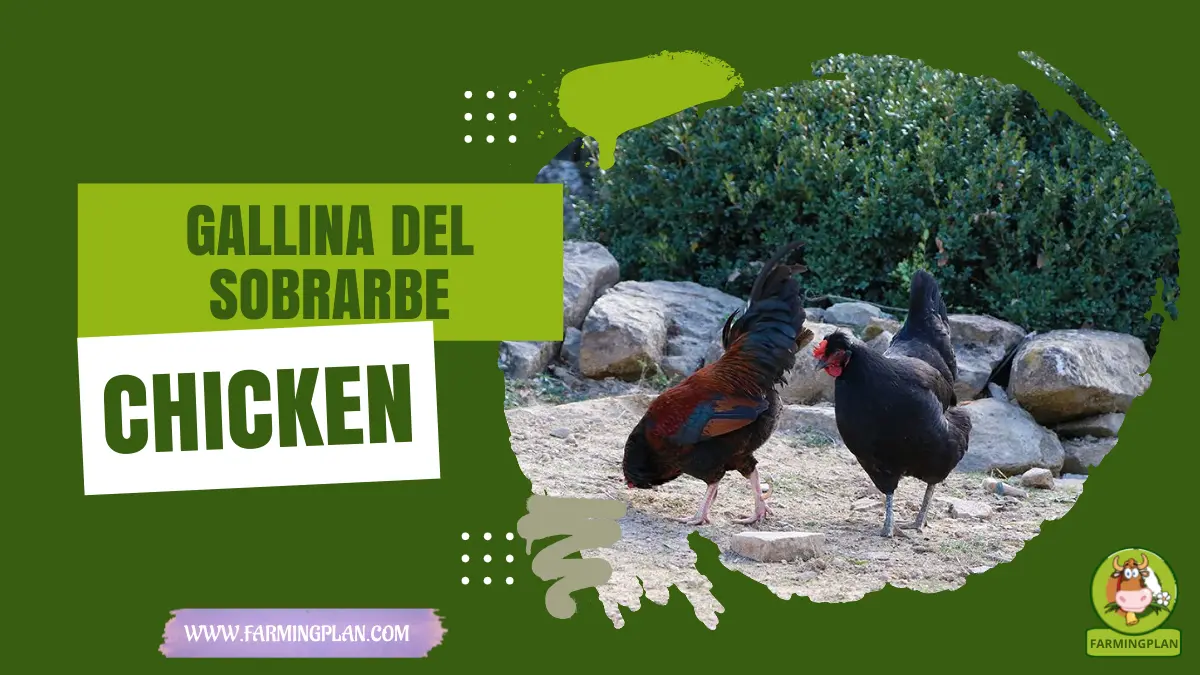
When you walk into your yard, you will immediately notice the distinct physical traits of this medium-weight bird. The roosters usually show strong dimorfismo sexual, weighing significantly more than the hens while displaying vibrant feather patterns. Their head sports a classic cresta sencilla (single comb) alongside a small, stylish crest or tuft of feathers known as a copete. Their body shape represents a classic, light frame (ave ligera) built for agility and survival in open pastures.
You can find several stunning varied shades of color within the recognized breed standard, including the popular variedad barrada (cuckoo or barred pattern) and the traditional variedad franciscana. Their legs are clean, strong, and built for constant scratching. Their bright eyes show high alertness, and their dense plumage protects them from icy mountain winds as well as summer heat. These unique traits make them look striking next to standard farm stock.
Nature and Temperament of Gallina del Sobrarbe Chicken
In my experience on the farm, these birds display a wonderfully active and independent personality. They love to spend their days exploring large open areas, scratching through grass, and hunting for fresh insects. Unlike lazy commercial birds, this breed remains alert to potential predators, which keeps them safe in free-range environments. They are curious by nature and quickly learn to recognize their keeper during daily feeding sessions.
While roosters take their protective duties very seriously, they generally show good manners toward human caretakers when raised with regular interaction. The hens are energetic yet calm enough for family farms, making them a joy to watch around the yard. If you keep them in tight confinement, they might get restless because their instincts drive them to roam. Give them space, and they will reward you with peaceful behavior and great flock harmony.
Food & Diet of Gallina del Sobrarbe Chicken
Feeding your flock the right nutrients keeps their feathers bright and egg production steady throughout the year. I always start my birds on a high-quality grain mix balanced with essential vitamins and minerals. Since they have excellent foraging instincts, they gather plenty of natural green feed, seeds, and insects on their own when allowed to range freely. This natural diet enhances both egg quality and body condition naturally.
- Feed daily layer ration with 16% protein during active laying months.
- Offer clean, fresh water at all times in clean drinking troughs.
- Supply free-choice oyster shells to keep eggshells strong and hard.
- Provide coarse granite grit to help their gizzards digest tough seeds and forage.
- Avoid feeding salty foods, avocado scraps, raw beans, or moldy kitchen waste.
Purpose and Meat Quality of Gallina del Sobrarbe Chicken
Farmers originally raised this versatile breed for dual-purpose production, valuing both fresh eggs and high-quality meat. The hens provide a steady yield of medium-to-large cream-colored eggs (puesta de huevos) with great shell quality. Their performance holds up well against harsh weather shifts, giving you consistent egg baskets throughout the changing seasons.
The meat from young cockerels offers exceptional flavor and firm texture, reminiscent of historic culinary standards like the famous French pollo Bresse. Chefs value their meat for traditional dishes cooked in a classic cazuela or olla exprés with aromatic spices like azafrán and local olive oil (aceite variedad Verdeña). While they do not grow as fast as commercial broiler chickens, their slow, natural growth produces superior taste and excellent rendimiento de la canal.
Special Features of Gallina del Sobrarbe Chicken
One of the best traits of this breed is its incredible natural resistance to common climate stress. Coming from the high altitudes of the Pyrenees, these chickens adapt easily to sudden temperature drops and hot summer dry spells. Their strong foraging instinct significantly lowers your daily commercial feed costs while keeping the birds active and healthy.
Another special feature is their rich genetic heritage (patrimonio genético), which adds real biodiversity to any small homestead. Their unique tuft of head feathers gives them an adorable appearance that sets them apart from ordinary chickens. Furthermore, their high survival instincts make them ideal for organic farming systems (producción ecológica) and low-input homesteading projects.
Health Issues, Prevention, and Care Tips of Gallina del Sobrarbe Chicken
Keeping your flock healthy requires simple, consistent routine care and clean housing conditions. Thankfully, this hardy native stock suffers from very few genetic health problems compared to fragile commercial hybrids. However, like all poultry, they can face common parasites or respiratory bugs if their coop stays wet or dirty.
- Clean coop bedding weekly to prevent ammonia build-up and respiratory issues.
- Inspect legs regularly for scaly leg mites and apply mineral oil if needed.
- Dust dust-bathing areas with food-grade diatomaceous earth to prevent lice and fleas.
- Ensure strong coop ventilation while preventing cold, direct drafts over roost bars.
- Quarantine any new incoming birds for at least 30 days before joining the flock.
Always Keep Fresh Water And Rich Forage Ready For Your Backyard Flock To Ensure Happy Birds And Healthy Egg Production Every Day.
Step-by-Step Farming Guide for Beginners
Starting your journey with this rare breed brings real excitement and rich heritage right to your backyard. Building a thriving flock requires good planning, proper shelter design, and consistent daily management routines. In this guide, I will walk you through the exact steps I use on my farm to raise strong, productive, and happy birds from day one. By the late 20th century, modern commercial industrial lines threatened this ancient tipo antiguo population, placing the breed into severe danger of extinction as a raza en peligro de extinción.
Step 1: Set Up the Coop and Free-Range Run
Before bringing your birds home, prepare a dry, well-ventilated coop that offers four square feet of space per adult bird. Build sturdy elevated roosting bars for nighttime sleeping and install clean nesting boxes filled with fresh straw or wood shavings. Secure the outer run with strong hardware cloth buried deep into the soil to keep out foxes, raccoons, and stray dogs.
Step 2: Source Quality Stock from Certified Breeders
Always buy your starter stock or hatching eggs from registered breeders connected with official conservation efforts. Look for healthy chicks with bright eyes, clean vent areas, and active movements. Buying certified birds helps preserve true racial standards while keeping the native genetic line pure and strong for future generations of homesteaders.
Step 3: Implement Proper Chick Brooding Techniques
Place young chicks in a warm brooder box equipped with a reliable heat lamp or radiant heater set to 95 degrees Fahrenheit for their first week. Gradually lower the temperature by five degrees each week until they grow full feathers. Provide fresh chick starter feed and clean water mixed with vitamins during their early growth phase.
Step 4: Establish Daily Feeding and Range Routines
Let your adult birds out into a safe foraging area every morning after providing their fresh grain feed and clean water. Allow them several hours of open ranging so they can hunt for natural bugs and leafy greens. Check their water containers twice daily, especially during hot summer afternoons, to keep them fully hydrated.
Step 5: Maintain Biosecurity and Seasonal Nest Care
Clean out nesting boxes weekly and add fresh bedding material to keep eggs clean and free of bacteria. Wash drinking fountains regularly with vinegar solutions to prevent slime build-up. Limit unnecessary visitor access to your main coop area to protect your heritage birds from outside poultry diseases.
Read More: Pazardchin Roller Pigeon Care Guide: Secrets to Flight
Expert Tips for Successful Breeding
- Keep a male-to-female ratio of one rooster for every 8 to 10 hens for high egg fertility.
- Select breeding stock that strictly matches the official breed standard and feather patterns.
- Track individual hen laying rates to choose eggs from your best producing lines.
- Collect hatching eggs multiple times daily and store them in a cool, humid space before incubation.
- Rotate pasture areas regularly to break parasite cycles and keep forage fresh and green.
- Support local conservation efforts by sharing surplus breeding stock with neighboring farmers.
FAQs
Are Gallina del Sobrarbe chickens good egg layers?
Yes, they are very dependable egg layers that produce medium to large cream-colored eggs consistently throughout the year. They handle cold weather well, which keeps their egg production steady even during winter months.
How big do Gallina del Sobrarbe chickens grow?
Roosters typically weigh between 3.0 to 3.5 kilograms, while adult hens weigh around 2.0 to 2.5 kilograms. Their medium, lightweight frame makes them agile, active, and highly suited for free-range homestead environments.
Can I raise Gallina del Sobrarbe chickens in small coops?
While they can adapt to enclosed runs, they perform best when given ample room to range freely outdoors. Their natural instincts drive them to forage for insects and greens across open pastures daily.
Is the Gallina del Sobrarbe chicken breed endangered?
Yes, the breed is officially classified as a native breed in danger of extinction, though dedicated conservation groups work hard to rebuild its population. Buying from registered breeders helps support vital genetic preservation efforts directly.
How do Gallina del Sobrarbe chickens handle cold weather?
They handle cold weather exceptionally well because they originated in the high, cold mountains of the Spanish Pyrenees. Their thick plumage and tough build keep them comfortable even during freezing winters.
Conclusion
Raising the historical Gallina del Sobrarbe chicken brings deep satisfaction, rich farm history, and delicious fresh eggs to your homestead. This remarkable breed combines incredible cold hardiness, superb foraging skills, and unique beauty into a hardy dual-purpose package. By choosing to raise these rare Spanish birds, you enjoy a low-maintenance flock while directly helping save a vulnerable heritage breed from disappearing forever. Take the next step in your homesteading journey today by joining local conservation networks, reaching out to certified heritage poultry breeders, and building a safe space in your yard for these wonderful birds! Discover how to raise the historic Gallina del Sobrarbe chicken with my simple guide on care, history, and breeding success.