The Gimbsheimer Duck is a remarkably beautiful and friendly bird that will instantly brighten up your homestead or backyard flock. I have spent years working with diverse waterfowl breeds, and I can tell you that this domestic German bird holds a truly special place in my heart. Developed in Germany, this rare breed stands out because of its stunning blue-grey plumage, gentle nature, and great egg production capabilities. In this article, I want to share my personal experience as a farming specialist to help you understand their history, care needs, diet, and unique traits.
Whether you want to raise a blue drake for exhibition or keep a productive flock for fresh eggs, this guide covers everything you need to know about these wonderful birds. I encourage you to take the next step in your homesteading journey by seeking out reputable heritage breeders or poultry clubs to welcome these amazing birds into your life today. Share this guide with fellow poultry lovers, drop your thoughts in the comments below, and start building your dream waterfowl flock now!
History & Origin of Gimbsheimer Duck
The story of this spectacular breed begins in Germany, specifically in the town of Gimbsheim, where dedicated poultry breeders wanted to create a superior dual-purpose bird. Breeders crossbred local German Pekin Duck stock with the graceful Orpington ducks and the agile Indian Runner Duck to refine both utility and aesthetic appeal. Over decades of careful selection, these pioneers successfully established a breed that offered strong meat production, excellent egg-laying traits, and a striking coat. The breed quickly gained immense popularity across European poultry clubs during the early twentieth century due to its sturdy build and attractive slate grey accents.
Understanding the background of heritage poultry helps us appreciate the hard work of early breeders who shaped these magnificent domestic birds. The Gimbsheimer Duck represents a rich lineage that combines the heavy frame of traditional meat birds with the alert posture of utility runners. Throughout historical poultry registration records, breeders celebrated this bird for its resilience in cold climates and its ability to thrive on open pasture. Today, conservationists and dedicated hobbyists work hard to preserve these birds, ensuring that their classic German heritage continues to flourish on modern family farms.
Read More: Bibrik Sheep: Powerful Breed
Characteristics of Gimbsheimer Duck
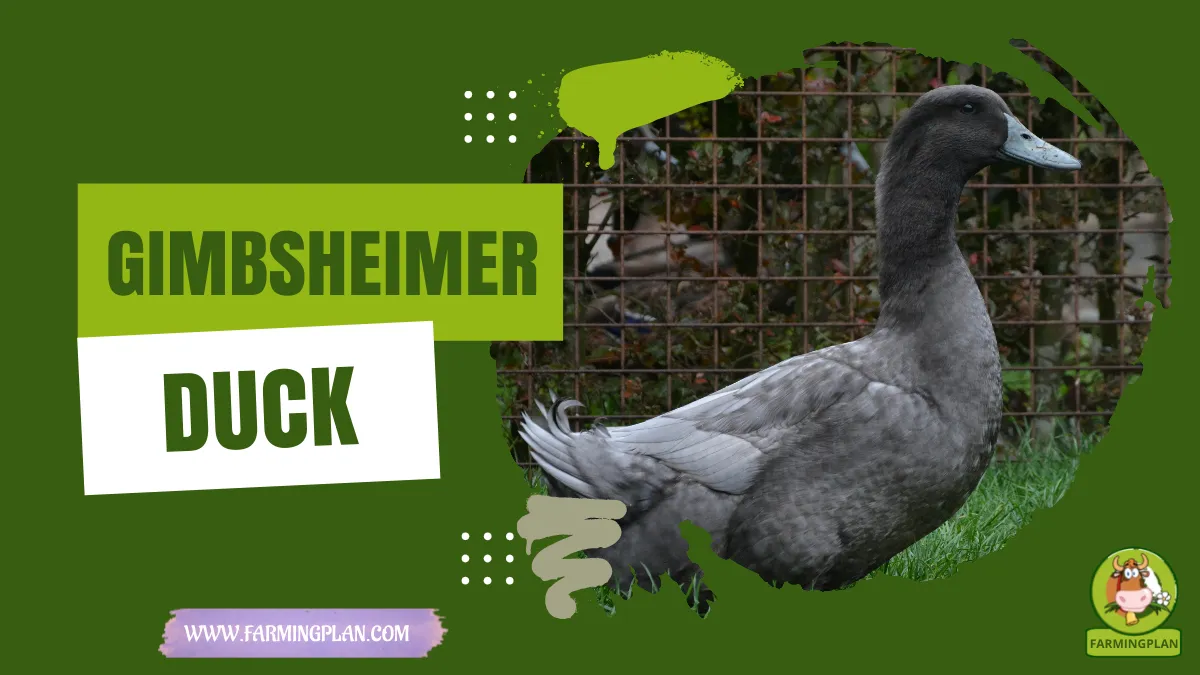
When you first see this breed walking across your yard, its elegant appearance will immediately catch your eye. The adult drake typically reaches a healthy weight of around six to seven pounds, while the mature female weighs slightly less at five to six pounds. Their feathers exhibit a smooth, lustrous blue-grey shade that creates an exquisite visual contrast against green pasture. You will notice their distinctive greenish-yellow beak or blue bill, along with dark slate grey shanks and webbed feet that give them a proud, upright stance.
Beyond their primary color, their plumage shows incredible depth with subtle shimmering tones under direct sunlight. Their broad bodies, well-rounded chests, and smooth tailfeathers make them look exceptionally robust and graceful in the water. Females produce wonderful, large eggs with a strong shell, while males showcase bright, curled tail feathers that signal prime maturity. These physical traits not only make them a favorite at poultry shows but also help them adapt remarkably well to varying weather conditions on the farm.
Nature/Temperament of Gimbsheimer Duck
I always tell new bird owners that temperament is just as important as appearance, and this breed shines brightly in this area. These ducks possess a incredibly calm, docile, and gentle personality, making them ideal companions for families with young children or beginner farmers. Unlike certain noisy or aggressive waterfowl breeds, these birds go about their day with a peaceful curiosity that makes yard chores a absolute joy. They socialize easily with other farm animals and integrate seamlessly into established mixed-poultry flocks without causing unnecessary drama or territorial fights.
Their friendly disposition means you can easily train them to feed directly from your hand with a little patience and consistency. Females maintain a soft, pleasant quack that will not disturb your neighbors, while males remain quiet and watchful over their companions. They love exploring open spaces, foraging through damp grass, and resting quietly under shade trees during warm afternoons. Their low-stress nature keeps them healthy, minimizes flock conflict, and creates a welcoming atmosphere across your entire homestead.
Food & Diet of Gimbsheimer Duck
Feeding your flock the right combination of nutrients guarantees vibrant feathers, strong eggshell production, and excellent long-term vitality. I feed my flock a high-quality complete commercial breeder pellet balanced with proper niacin levels, which is crucial for healthy bone and leg development in growing ducklings. Because ducks lack teeth, you must always provide free-choice poultry grit to help their gizzards break down tough grains and forage properly. You can supplement their daily rations with fresh garden greens, leafy lettuce, chopped cucumbers, and small quantities of cracked corn as a evening treat.
Water management plays a critical role in their daily digestion because ducks must submerge their beaks entirely while eating to clear their nostrils. Never offer stale food, dry bread, or moldy kitchen scraps, as these items cause severe digestive blockages and dangerous fungal infections. Ensure you remove unconsumed feed every night to keep wild rodents away from your poultry coops. Offering clean water alongside balanced feed keeps your birds energetic, supports robust immune systems, and ensures consistent egg production throughout the laying season.
Usage/Purpose of Gimbsheimer Duck
Farmers value this heritage breed because it serves multiple practical functions exceptionally well on any small farm or homestead setup. As a dual-purpose bird, it provides a dependable supply of large, rich eggs while also serving as an excellent source of high-quality meat. Smallholder farmers appreciate how quickly young birds reach market size without requiring excessive amounts of expensive feed inputs. Their striking appearance and noble posture also make them highly sought-after candidates for competitive exhibition at regional livestock fairs and poultry club shows.
In addition to traditional agricultural uses, these active foragers provide outstanding, eco-friendly pest control across your garden beds and pastures. They spend hours searching through damp soil to consume unwanted garden pests like snails, slugs, grubs, and harmful insect larvae. Their nitrogen-rich manure makes fantastic natural fertilizer for compost piles, helping you build rich soil for vegetables and crops. Choosing this multipurpose bird ensures every resource you invest returns tremendous value to your sustainable farm lifestyle.
Special Features of Gimbsheimer Duck
This heritage Gimbsheimer Duck possesses several extraordinary physical and behavioral qualities that set it apart from standard domestic waterfowl breeds. Their primary standout feature is their phenomenal weather hardiness, allowing them to remain active and healthy even during freezing winters and wet rainy seasons. Unlike lighter runner breeds that scatter easily when startled, these birds display a grounded confidence that keeps the entire flock composed and calm. Their brilliant blue-grey plumage contains natural waterproofing oils that repel moisture effortlessly, keeping them dry and warm during heavy downpours.
Another amazing feature is their exceptional foraging efficiency, which significantly reduces your overall commercial feed costs throughout spring and summer. They love patrolling wetlands, small ponds, and grassy paddons, finding rich natural nourishment that enhances their health naturally. Furthermore, their gentle maternal instincts occasionally drive broody females to hatch their own clutches with high success rates. These combined traits make them a low-maintenance, resilient, and utterly rewarding addition to any backyard ecosystem.
Health Issues & Prevention of Gimbsheimer Duck
Maintaining a healthy environment prevents most common poultry illnesses before they ever have a chance to affect your homestead flock. Ducks are naturally hardy animals, but they can still fall victim to conditions like bumblefoot, wet feather disease, and respiratory distress if kept in filthy conditions. Parasites like lice and mites can inhabit dirty bedding, causing feather damage, stress, and lowered egg production over time. Highly Pathogenic Avian Influenza (HPAI) and Salmonella represent serious health risks that require strict biosecurity practices on your farm.
Preventing health problems starts with keeping coop bedding dry, clean, and well-ventilated every single day of the year. Inspect your birds weekly for foot sores, clear eyes, smooth bills, and clean vent feathers to catch potential problems early. Provide fresh water troughs deep enough for them to wash their heads completely, which prevents eye infections and keeps nostrils clear. Regular coop sanitization, proper quarantine procedures for new arrivals, and clean feeding areas will protect your precious birds for years to come.
Always Keep Your Waterfowl Happy With Fresh Clean Water And Premium Quality Feed Daily.
Step-by-Step Farming Guide for Gimbsheimer Duck
Mastering the Basics of Homestead Care
Starting your journey with this wonderful breed requires thoughtful preparation, proper equipment, and a clear understanding of basic waterfowl management. I have designed this comprehensive step-by-step care plan to walk you through every critical phase of raising these birds successfully. From setting up your brooder box for tiny ducklings to managing adult pasture rotational grazing, following these steps will guarantee optimal results. Taking time to establish clean routines early saves you money, protects bird health, and ensures a deeply fulfilling farming experience for your whole family.
Step 1: Setting Up the Brooder Environment
Preparing a safe brooder environment gives your young ducklings the best possible start during their critical early weeks of life. Choose a sturdy plastic tub or wooden enclosure with high walls, lined with absorbent pine shavings rather than slippery cedar or newspaper. Install a secure heat lamp or radiant heat plate to maintain a steady temperature of 90 degrees Fahrenheit during their first week. You will lower the heat setting by five degrees every week until the young birds grow their full insulating adult feathers.
Provide clean, non-chilled water in shallow waterers that prevent accidental drowning while allowing ducklings to dip their tiny bills safely. Feed them a unmedicated starter crumbles blend formulated specifically for waterfowl, enriched with additional brewer’s yeast to supply adequate niacin levels. Check on your brooder flock multiple times daily to clean spilled water, refresh bedding, and observe their energy levels. Creating a clean, draft-free space during this phase builds strong bones, healthy lungs, and steady growth.
Step 2: Building Secure Housing and Nighttime Protection
Providing a sturdy, predator-proof duck house keeps your full-grown flock safe from night prowlers like raccoons, foxes, and neighborhood dogs. Build or purchase a well-ventilated wooden coop that allows at least four square feet of floor space per mature bird. Use heavy-duty hardware cloth over all windows and air vents instead of flimsy chicken wire, which predators can tear easily. Ensure the floor is covered with a thick layer of clean straw or wood shavings to keep their feet dry and comfortable.
Ducks do not require elevated roosting bars like chickens do, preferring to sleep together in cozy ground nests on clean bedding. Install secure latches on all coop doors, as clever predators can easily open basic gravity latches during the dark hours. Clean out damp bedding every few days to stop ammonia fumes from building up, which can damage their sensitive respiratory systems. A safe night coop provides peace of mind for you and complete physical safety for your valuable investment.
Step 3: Creating Safe Outdoor Runs and Water Features
Setting up a spacious outdoor foraging area allows your birds to exercise, forage naturally, and display their joyful water-loving behaviors daily. Secure your outdoor run with fencing at least four feet tall, offering a minimum of ten square feet per bird to prevent overcrowding. Provide natural shade using trees, shade cloths, or wooden shelters to protect your flock from harsh direct sunlight during hot summer days. Ensure the ground drains well so muddy puddles do not gather and harbor dangerous bacterial growth.
While large natural ponds are wonderful, a simple hard-plastic kiddie pool works exceptionally well for small backyard farming setups. Dump, scrub, and refill the pool with fresh water every day or two to maintain high hygiene standards for swimming. Position the water feature away from your coop entrance to keep sleeping areas completely dry and free from mud. Watching your birds splash happily in fresh water will quickly become your absolute favorite daily farm activity.
Step 4: Implementing Daily Feeding and Pasture Management
Establishing a consistent feeding schedule keeps your adult flock healthy, active, and producing fresh eggs at peak efficiency. Scatter layer pellets in heavy, wide pans every morning and evening, ensuring all birds can access feed without crowding each other. Allow your birds access to fresh grass pastures where they can graze on greens, chase insects, and gather natural minerals. Rotate their grazing paddocks periodically to keep pasture grasses healthy, prevent soil erosion, and break internal parasite life cycles naturally.
Always inspect your foraging areas daily to clear away toxic plants, sharp metal wire, plastic debris, or dangerous deep holes. Provide fresh drinking water right beside their feed stations so they can swallow dry food safely without choking or getting blocked. Collect laid eggs early every morning from clean nesting boxes to keep them pristine and protect them from accidental breakage. Consistent daily care establishes trust between you and your birds, making management smooth and rewarding.
Read More: Gorkowska Goose: Ultimate Guide to Breeding Success
Expert Tips & Best Practices for Gimbsheimer Duck
- Add extra brewer’s yeast to duckling feed daily to supply essential niacin that prevents leg deformities.
- Clean and sanitize water troughs every single morning to prevent harmful bacterial buildup like Salmonella.
- Use dry pine shavings in brooders and clean wheat straw inside adult housing for optimal moisture absorption.
- Install solar-powered nighttime floodlights near your outdoor runs to deter roaming nocturnal predators effectively.
- Offer free-choice crushed oyster shells in a separate dish for laying females to maintain thick eggshells.
- Keep a small poultry first-aid kit stocked with veterycin spray, bandages, and Epsom salts for bumblefoot soaking.
- Establish a routine by calling your birds with treats every evening so they enter their coop willingly at dusk.
FAQs
What makes the Gimbsheimer Duck different from other domestic duck breeds?
This German heritage breed stands out due to its striking blue-grey plumage, moderate size, and versatile dual-purpose production capabilities. Originating from crossbreeding Orpingtons, Indian Runners, and German Pekin Ducks, it combines excellent egg laying with strong meat yield. Their remarkably calm and docile disposition makes them much easier to manage than more flighty waterfowl varieties.
How many eggs does a female lay per year?
A healthy female generally lays between 140 to 200 large eggs each year under good management practices. Their eggs feature strong white or tinted shells with rich, flavorful yolks ideal for baking and everyday cooking. Consistent nutrition, access to clean water, and adequate daylight hours maximize their egg-laying potential.
Are these ducks suitable for beginners and backyard homesteads?
Yes, their peaceful nature and easygoing temperament make them absolute favorites for beginner farmers and families alike. They adapt extremely well to small yards, provided they have clean shelter, balanced feed, and a simple water source to bathe in. Their hardiness against cold weather reduces stress for first-time poultry keepers significantly.
What should I feed my young ducklings to ensure strong legs?
Young ducklings require high-quality unmedicated starter feed fortified with extra niacin to support rapid bone growth. You can easily add brewer’s yeast to commercial feed at a ratio of two percent to supply this vital vitamin. Never give ducklings medicated chick feed meant for poultry with amprolium, as they may consume too much.
Do these birds require a large natural pond to stay healthy?
No, they do not need a deep natural lake or pond to live happy and healthy lives on your farm. A sturdy, clean plastic kiddie pool or large water trough provides plenty of water for them to wash their feathers and swim. The most critical requirement is that water must be deep enough for them to submerge their entire heads.
Conclusion
Bringing the Gimbsheimer Duck onto your farm or backyard setup provides endless practical benefits, joyful moments, and steady agricultural production. From their rich heritage roots in Germany to their striking blue plumage, these gentle dual-purpose birds adapt beautifully to almost any home environment. They supply your family with delicious large eggs, natural garden pest control, and rich compost while remaining incredibly calm and friendly companions. By providing secure housing, clean swimming water, and wholesome nutrition, you ensure your flock remains healthy and vibrant for many years to come. Raising these heritage birds helps preserve a rare agricultural legacy while enriching your daily rural lifestyle beyond measure.