I love working out on the open fields every morning with these magnificent animals. Andalusian blond cattle represent a fantastic choice for modern farmers who want incredible strength and excellent beef yield. You will find that these wheat-colour coated bovines thrive on the extensive grazing lands across the Iberian Peninsula. I have raised many herds over my career as a livestock specialist. These cattle always stand out because they handle harsh Mediterranean conditions with ease.
Their rich historical roots connect directly back to traditional Spanish pastures. Breeders love their amazing growth rates and easy temperaments. I wrote this guide to share my hands-on experience with this incredible bovine breed. You will learn everything about their care, feed conversions, and traits. Let us dive into the rewarding world of raising this majestic herd on your farm today!
History And Origins Of Andalusian Blond Cattle
I always feel amazed when I dig into the rich origin story of these famous animals. The historic Iberian Peninsula serves as the true birthplace for these traditional beef cattle. Centuries ago, local farmers raised these cattle across rugged landscapes in Andalusia and Extremadura. These animals developed naturally in tough environments like the famous dehesa landscape. Over many generations, producers value their sheer strength, hardy nature, and amazing resilience. They lived alongside other native strains like Retinta cattle and Negra Andaluza for many years. Old records like the classic works by Felius show how local strains adapted to warm Mediterranean climates.
Trade routes across Europe gradually changed how farmers managed these valuable herds. Breeders across France and Spain began selecting animals for better muscle development and meat production. Some local strains eventually blended with groups like Blonde des Pyrénées, Quercy, and Garonnais strains. These efforts helped form famous modern groups like Blonde d’Aquitaine and Galician Blondvieh. In Spain, careful breeding preserved the essential heritage of native wheat-colour stock. European consumers historically prized this livestock for its incredible working strength and reliable meat supply. Today, dedicated breed association groups work hard to maintain official Herd Books. They protect these animals from becoming endangered while preserving their pure bloodlines for future agricultural success.
Characteristics Of Andalusian Blond Cattle
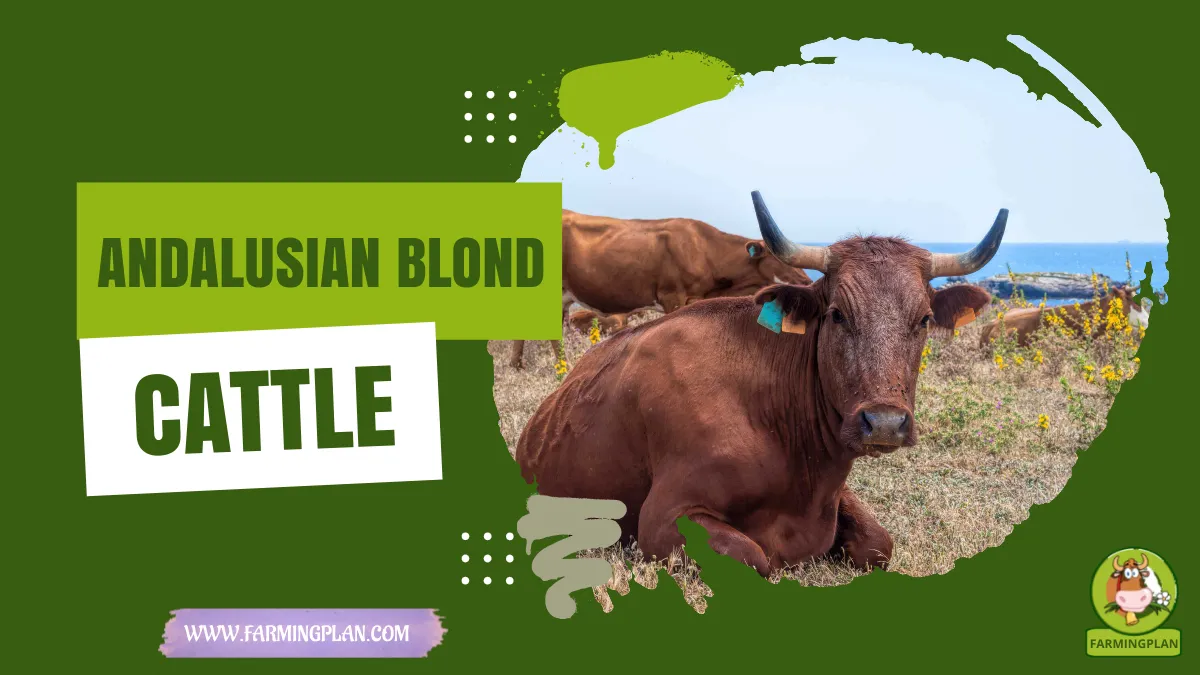
When you walk into my pasture, you immediately notice the stunning appearance of this breed. Andalusian blond cattle feature a beautiful wheat-colour coat that ranges from light cream to deep golden tones. They possess a broad head, a distinctive pink muzzle, and pale mucosae. I love their signature downturned horns, which give them a classic, noble look. Their long bodied frame showcases heavy hindquarters and a very large pelvis. This powerful build gives them impressive muscle development while maintaining a remarkably sleek silhouette. Their sturdy legs end in tough, durable hooves that handle rocky terrain without any trouble.
These animals boast impressive SIZE and stature that catch the eye of every visiting farmer. Mature bulls reach heavy weights, while cows maintain a strong, solid frame built for longevity. Their impressive growth rates allow young broutards to develop sturdy frames quickly on basic forage. Their smooth coat stays clean and reflects harsh sunlight during hot summer afternoons. You will also notice their clean, tight skin and minimal dewlap compared to other tropical breeds. Their strong physical frame translates directly into a very high killing out percentage at harvest time. Every physical detail of this animal highlights generations of careful selective breeding for practical farming needs.
Read More: Gallina Empordanesa Chicken Perfect Guide to Care
Nature And Calm Temperament Of Andalusian Blond Cattle
Managing a large herd requires animals that you can handle safely without constant stress. I enjoy working with these cattle because they display an amazingly calm and docile personality. They walk alongside you peacefully during daily routine checks across the fields. Their quiet disposition makes daily herd management smooth, simple, and very enjoyable for family farms. They do not startle easily when heavy equipment moves through the pasture during hay harvest. I always feel confident letting new farmhands work near these relaxed, friendly animals.
Their social nature keeps the entire herd peaceful during daily grazing activities. They rarely fight over feed troughs or shade spots under the trees. Young calves learn gentle behavior from their mothers from their very first day in the field. This steady temperament helps lower overall stress levels across your entire farming operation. Lower stress means better immune function, steady growth, and superior final meat texture. They adapt quickly to new fencing systems, handling chutes, and daily routine changes. Whether you are an experienced farmer or a beginner, their easygoing attitude makes daily work absolute bliss.
Food And Nutrient Guidelines Of Andalusian Blond Cattle
Feeding your herd correctly ensures optimal growth, excellent health, and peak beef quality. Andalusian blond cattle thrive on extensive grazing setups with high-quality pasture grasses. I always rotate my pastures to offer fresh forage while preserving local grass species. During hot summer months, I supplement their diet with clean grass hay and balanced mineral blocks. These minerals provide vital nutrients that support strong bone structure and healthy coat condition. Ensure your animals always have access to abundant, clean drinking water every single day.
You must monitor their nutrition carefully during different stages of their growth cycle. Avoid feeding excessive rich concentrates, as this can upset their natural digestive balance. Focus on high-fiber forage that matches their natural grazing instincts and excellent feed conversions. I give breeding cows extra protein during late gestation to support healthy calf development. Never feed moldy hay, spoiled silage, or toxic weeds cleared from field margins. Maintain clean feed bunks to prevent bacteria from harming your livestock’s health. Proper nutrition keeps their immune system strong and supports natural fertilization practices across your farm pasture.
Usage And Agricultural Purpose Of Andalusian Blond Cattle
Farmers raise these remarkable animals primarily for superior, high-yield beef production. Their impressive muscle development produces premium sirloin, roasts, and high-quality cuts with minimal waste. I love how their high killing out percentage maximizes profitability for dedicated livestock producers. The beef features an intense taste, wonderful tenderness, and fine marbling throughout every cut. European consumers and local markets constantly demand this premium meat for its exceptional flavor. Proper maturation, seasoning, and aging in a cold store further elevate the final culinary product.
Beyond meat production, these cattle play a vital role in sustainable livestock farming. They graze efficiently on rugged lands like Los Alcornocales Natural Park, controlling overgrown brush naturally. Their presence supports local ecosystems by providing natural fertilization for healthy soil development. Small homesteaders also value them for crossbreeding programs to improve herd strength and growth. Crossbreeding local cows with blond bulls produces hardy, fast-growing calves with great carcass yields. Their historic working strength also makes them a popular choice for live heritage exhibits and historical parks. This versatile PURPOSE makes them a valuable investment for any modern agricultural business.
Special Features Of Andalusian Blond Cattle
One of the greatest strengths of this breed lies in its remarkable maternal efficiency. Cows possess a wide, well-formed pelvis, which ensures easy birthing with virtually no human assistance. I rarely need to assist during calving season, which saves me time, money, and stress. Neonatal calves stand quickly and start nursing within minutes after their birth. The cows produce rich, creamy milk that drives fast early growth in young calves. Their strong maternal instincts protect young offspring from predators and harsh environmental conditions.
Another incredible feature is their remarkable heat tolerance and climate adaptability. They thrive under hot sun where other heavy beef cattle breeds struggle and lose weight. Their pale coat reflects heat while their tough hooves easily handle rocky, dry soil conditions. They convert poor-quality forage into lean, prime muscle tissue far better than most bovines. Their exceptional disease resistance reduces your dependence on frequent medical treatments and expensive interventions. Their natural efficiency keeps your operational costs low while maximizing your total farm output year after year.
Health Issues And Disease Prevention Of Andalusian Blond Cattle
Keeping your herd healthy requires proactive care, regular monitoring, and proper sanitation practices. These cattle enjoy robust health, but they still face common bovine health challenges occasionally. Keep an eye out for respiratory issues, pink eye, and internal parasite burdens during seasonal shifts. Inspect their eyes regularly for redness or unusual discharge caused by dust and flies. Check their sturdy hooves periodically for signs of foot rot or uneven wear from rocky ground. Early detection allows you to treat minor issues before they spread to other animals.
Preventive care forms the cornerstone of my daily management strategy on the farm. Maintain a strict vaccination schedule developed with your trusted local veterinarian. Implement regular deworming protocols to keep internal parasites from reducing your herd’s growth rates. Keep your barns, handling facilities, and watering troughs clean and well-drained at all times. Provide shaded areas and dry bedding during periods of extreme weather or heavy rain. Quarantining new livestock arrivals for thirty days prevents introducing unwanted diseases to your establish herd. Clean management practices guarantee a thriving, profitable herd for years to come.
Successful Livestock Farmers Always Know That Strong Care Creates Outstanding Pastures Every Single Season.
Step By Step Guide To Farming Success for Andalusian Blond Cattle
Starting your own livestock operation requires thoughtful planning, proper equipment, and clear daily management routines. Building a successful farm takes time, patience, and direct hands-on effort every day. I designed this complete guide to help you build a profitable cattle business from scratch. Follow these practical steps to establish a safe, productive, and highly efficient farm environment.
Step 1: Setting Up Secure Pastures And Housing
Prepare your land before bringing any livestock onto your farm property. Install heavy-duty perimeter fencing like high-tensile wire or strong wooden rails to secure your animals. Divide your pasture into smaller paddocks to implement an efficient rotational grazing system across your land. Construct sturdy three-sided run-in sheds to protect your herd from harsh winds, heavy rain, and scorching sun.
Position clean stock tanks near automatic waterers to ensure a continuous supply of fresh, cool drinking water. Clear your pastures of poisonous plants, loose wire, sharp debris, and hazardous holes. Ensure your handling facilities feature a smooth sweep tub, a sturdy alley, and a reliable headgate. Safe facilities protect both you and your livestock during routine health checks and treatments.
Step 2: Selecting Quality Stock For Your Farm
Choosing the right foundation animals determines the future success of your entire livestock operation. Purchase your stock from reputable breeders who maintain detailed health records and official Herd Books. Inspect every animal thoroughly for a broad frame, clear eyes, a clean pink muzzle, and alert behavior. Avoid animals that show signs of lameness, labored breathing, poor muscle development, or nervous temperaments.
Evaluate the cow’s pelvic structure to guarantee easy birthing and trouble-free calving seasons on your farm. Check the bull’s breeding soundness, feet soundness, and genetic background before making any final purchasing decision. Starting with high-quality, healthy stock saves you immense time, money, and effort over the long run.
Step 3: Implementing A Balanced Daily Feeding Strategy
Establish a consistent feeding routine that meets the nutritional demands of your growing livestock herd. Allow your animals to graze on rich forage during spring and summer months to maximize natural growth. Provide clean, high-quality grass hay during winter when pasture growth slows down significantly across your region. Offer free-choice mineral blocks containing essential trace minerals like selenium, copper, and zinc year-round.
Monitor body condition scores regularly to adjust feed quantities based on pregnancy, lactating needs, or weather changes. Ensure water troughs remain clean, free of algae, and unfrozen during cold winter conditions. Proper nutrition supports optimal muscle development, glossy coats, and outstanding overall animal health every single day.
Step 4: Managing Breeding And Calving Operations
Plan your breeding season carefully to ensure calves arrive during mild spring or early fall weather. Use natural fertilization with a proven bull or implement precise artificial insemination protocols for genetic diversity. Monitor pregnant cows closely as they near their expected calving dates, watching for physical signs of labor.
Move calving cows into clean, dry grass paddocks or well-bedded stalls for privacy and safety. Allow the cow to deliver naturally, stepping in only if severe complications arise during labor. Ensure the newborn calf nurses rich colostrum within its first six hours of life for immunity. Tag, weigh, and record every new calf’s information in your farm management database immediately.
Step 5: Executing Daily Herd Care And Health Checks
Walk your pastures every morning to observe your animals’ natural behavior, appetite, and movement patterns. Check that every animal moves freely without limping, coughing, or separating itself from the main group. Clean water troughs weekly to prevent algae growth, bacterial accumulation, and mosquito breeding in standing water. Apply safe fly control measures during summer to keep pests from stressing your valuable cattle herd.
Rotate pastures every two to three weeks to allow grass recovery and reduce parasite burdens naturally. Maintain detailed records of all vaccinations, deworming treatments, weight gains, and veterinary visits. Consistent daily care builds trust with your herd and guarantees long-term farm productivity and profitability.
Read More: Cinta Senese Pig Ultimate Raising Guide for Farmers
Expert Tips For Maximum Herd Yields for Andalusian Blond Cattle
- Always handle your cattle calmly using low-stress livestock handling techniques to keep the herd quiet.
- Test your pasture soil regularly to apply appropriate fertilizers and improve forage nutritional quality naturally.
- Provide plenty of clean shade options in every paddock to protect animals from summer heat stress.
- Cull unproductive cows consistently to maintain high herd fertility and superior growth metrics over time.
- Keep detailed financial and production records to track your exact costs and beef production returns.
- Work closely with an experienced livestock veterinarian to create custom preventive health programs for your area.
FAQs
What is the average weight of mature Andalusian Blond Cattle?
Mature bulls typically weigh between 1,000 to 1,300 kilograms, while adult cows range from 650 to 850 kilograms. Their impressive SIZE reflects their history as a heavy, dual-purpose draft and beef cattle breed. Proper nutrition ensures they hit these target growth weights efficiently.
How does Blonde d’Aquitaine compare to Andalusian blond cattle?
Blonde d’Aquitaine originated in France from merging Pyrenean Blond, Quercy, and Garonnais cattle strains. Both breeds share a light wheat-colour coat, excellent muscle development, and remarkable high carcass yields. However, Andalusian stock retains specific historic adaptations to hot, dry Mediterranean climates.
Are Andalusian blond cattle good for crossbreeding programs?
Yes, these bulls are exceptionally popular for crossbreeding due to their outstanding muscle genetics and easy birthing traits. Crossing them with native cows produces fast-growing broutards with superior feed conversions and lean beef output. Breeders love the high economic returns from these hybrid calves.
What type of climate suits these cattle best?
These animals thrive exceptionally well in hot, arid, and Mediterranean climates like the dry Iberian Peninsula. Their light coat reflects intense sunlight, while their tough hooves easily navigate dry, rough pasture terrain. They handle hot summers far better than dark-coated European bovines.
What makes the meat quality of this breed so special?
The meat features an intense taste, fine texture, and an optimal fat margin with excellent tenderness. High killing out percentages make their carcasses valuable to butchers and European consumers who demand top quality. Proper seasoning and maturation in cold storage create an unforgettable culinary experience.
Conclusion
Raising Andalusian blond cattle offers an incredibly rewarding path for farmers who want hardy, high-yielding livestock on their land. Their calm nature, heat tolerance, easy birthing, and exceptional meat quality make them a top choice for modern producers. By following proper nutritional guidelines, pasture rotation, and low-stress handling methods, you can build a highly profitable herd that thrives for years to come. I encourage you to take the next step in transforming your farming operation today. Connect with local breeder associations, explore purebred genetics, and start building your ultimate beef herd now! Please share your thoughts in the comments below, pass this article along to fellow farmers, and join our growing agricultural community today!