I am thrilled to welcome you to my farm guide on Andalusian Black Cattle! As a lifelong farming specialist, I have worked with many beef cattle breeds across the globe, but this black native type from southern Spain holds a truly special place in my heart. Known locally as the Negra Andaluza or Negra de las Campiñas, these magnificent animals carry centuries of history within their striking dark coats.
When you first step onto a Mediterranean pasture in Seville, Cádiz, or Huelva, seeing these powerful cattle graze under the oak shade is an unforgettable sight. They are an endangered native breed today, yet they offer incredible genetic value, unmatched maternal ability, and robust performance for sustainable livestock farming. In this guide, I will walk you through their unique story, physical traits, care steps, and practical breeding wisdom so you can understand and preserve this remarkable taurine breed.
History and Origin of Andalusian Black Cattle
The story of Andalusian Black Cattle takes us deep into the heart of the Iberian Peninsula. For centuries, these strong animals roamed the vast dehesa landscape and traveled ancient transhumance routes known as Cañadas Reales. Farmers originally valued them for draft power, agricultural work, and resilient meat production across Sierra Morena and Cordova. Over time, modern machinery and foreign breed introductions caused a severe population decline, pushing this historic stock close to extinction.
Today, dedication from Spanish breed records, management centers, and the University of Cordoba helps keep the breed alive. Researchers use pedigree analysis, allele frequencies, and genomic data to track effective population size, monitor inbreeding, and avoid a genetic bottleneck. Official breed association initiatives now manage the genealogical records and pedigree book to protect overall genetic variability. As a farmer, supporting these conservation programs ensures we keep vital cultural heritage and ecological value alive for future generations.
Read More: Beetal Goat Secrets for Ultimate Success
Characteristics of Andalusian Black Cattle
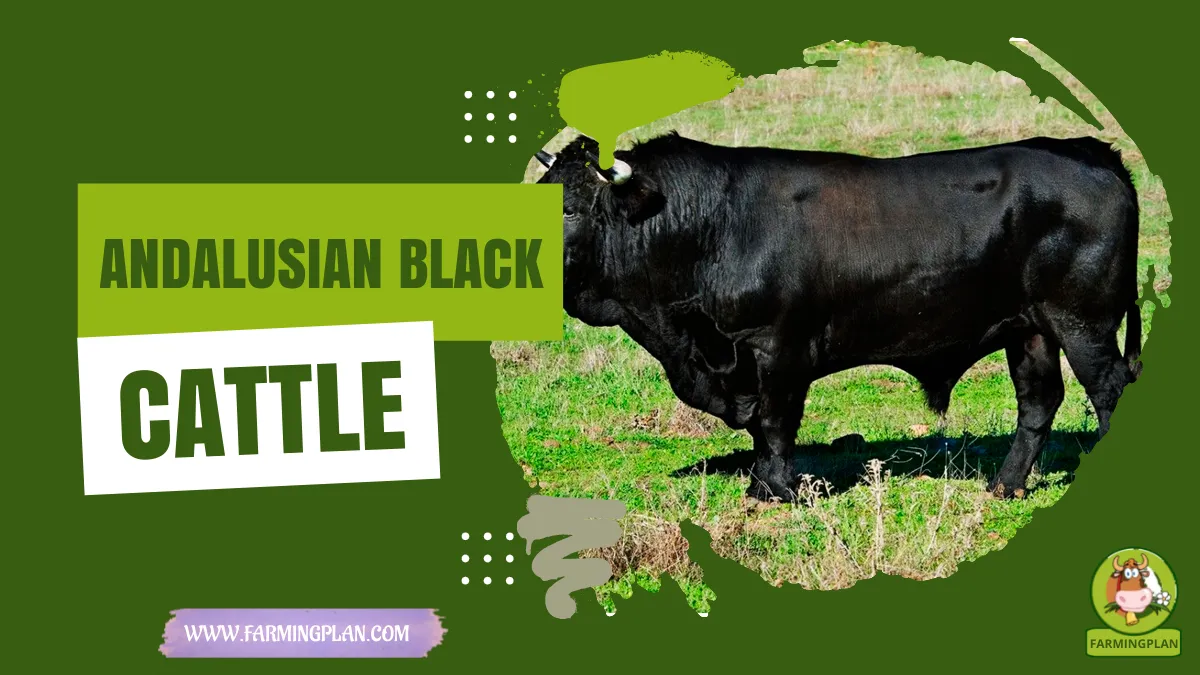
When you look at Andalusian Black Cattle, their imposing size and jet-black hides immediately command respect. These classic Bos (primigenius) taurus descendants carry a solid black coat, strong bones, and impressive forward-curving horns. Standard Andalusian black cattle weight for mature bulls often reaches 800 to 1000 kilograms, while adult cows typically weigh between 500 and 600 kilograms. Their deep chest, long torso, and firm musculature show their historic background as heavy working stock.
These cattle adapt perfectly to harsh conditions with great heat tolerance and tough hooves. Their dense black skin resists solar radiation during scorching Spanish summers, while their efficient digestive system processes tough Mediterranean pasture effortlessly. In my years of working with local breeds, I have rarely seen animals maintain such stable body condition during dry spells. They represent a prime example of functional, balanced beef architecture built for natural environments.
Nature and Temperament of Andalusian Black Cattle
Understanding the behavior of Andalusian Black Cattle makes daily herd management smooth and safe. While these cattle possess strong protective instincts and active movement, they remain naturally calm when you treat them with steady respect. They respond wonderfully to gentle, routine handling on open pasture. Mothers display exceptional maternal ability, guarding their newborn calves fiercely against wild predators in scrubby terrain.
Working with these animals requires low-stress stockmanship rather than forceful pushing. If you establish a calm daily routine, they will follow you across pastures with minimal effort. Their keen awareness makes them superb foragers who move as a cohesive group across extensive grazing areas. I always advise new breeders to spend regular, quiet time among the herd to build mutual trust early on.
Food and Diet for Andalusian Black Cattle
Feeding Andalusian Black Cattle successfully relies on utilizing natural pastures and strategic supplementation. These animals evolved to thrive on oak acorns, wild grasses, and dense brush found across the Los Alcornocales Natural Park regions. They turn coarse, low-energy forage into quality muscle without needing high-grain feed rations.
During seasonal shortages or drought years, you should provide quality grass hay along with clean water and free-choice minerals. Avoid overfeeding heavy grain concentrates, as this breed excels under extensive cow-calf production systems. Providing balanced trace minerals helps maintain high fertility rates, strong hoof health, and vibrant coat quality year-round.
Usage and Purpose on the Farm of Andalusian Black Cattle
The primary historical and modern focus for Andalusian Black Cattle centers on high-quality beef production and ecological land management. Their lean, well-marbled meat offers fantastic flavor that appeals to artisanal and specialty culinary markets. Beyond meat production, these cattle act as natural landscape managers that prevent wildfires by clearing underbrush across vast dehesa ecosystems.
Choosing this breed also supports crucial conservation and sustainable livestock farming goals. Integrating them into extensive grazing operations helps preserve local biodiversity, cork extraction environments, and traditional rural land use. Their ability to calve easily and raise healthy calves under open skies makes them a top choice for low-input beef systems.
Special Features of Andalusian Black Cattle
What truly sets Andalusian Black Cattle apart is their extreme hardiness and historic resilience. They possess incredible maternal traits, dropping healthy calves year after year with virtually no human assistance needed. Their efficient metabolism allows them to maintain condition where sensitive foreign breeds quickly lose weight. Additionally, their deep connection to traditional transhumance routes has gifted them with incredible stamina and strong legs. Their thick dark hides protect them from insects and harsh weather conditions alike. These innate survival traits make them invaluable genetic reservoirs for modern climate-resilient cattle breeding.
Health Issues and Disease Prevention
Keeping your Andalusian Black Cattle healthy requires proactive herd management and strong biosecurity measures. Because this breed evolved under tough natural conditions, they suffer from fewer metabolic issues than intensive commercial breeds. However, keeping track of genetic connections, avoiding inbreeding, and monitoring pedigree data remain critical for long-term health.
To maintain herd vitality, establish a standard vaccination schedule for common bovine respiratory and reproductive diseases. Implement regular parasite controls, clean water sources, and rotational grazing strategies to minimize parasite burdens naturally. Regular health checks by a qualified veterinarian keep your herd thriving and productive.
Always Honor The Ancient Heritage Of Andalusian Black Cattle To Build A Sustainable Farm Legacy.
Step-by-Step Care and Farming Guide
Raising Andalusian Black Cattle successfully demands clear preparation, functional infrastructure, and attentive herd management. I have broken down the core steps below to help you establish a thriving operation from day one.
Step 1: Planning Infrastructure and Land Setup
Before bringing cattle onto your property, design sturdy fencing and functional handling facilities built for large, active animals. Secure external perimeters with high-tensile wire or heavy wooden posts to manage bull boundaries safely. Set up a central sorting corral, a sweep tub, and a durable squeeze chute to make health checks, vaccinations, and tagging safe for both you and your livestock. Ensure your pasture layout provides easy access to clean drinking water, shaded loafing areas, and natural windbreaks to keep the animals comfortable across all seasons.
Step 2: Selecting Healthy Foundation Breeding Stock
Choosing your initial foundation stock requires careful review of official pedigree records and physical health traits. Source your animals from certified conservation programs or reputable breed association members who track genetic diversity and registration data. Inspect individual animals for strong legs, balanced hooves, smooth movement, and calm temperaments. Avoid buying cattle with signs of extreme inbreeding, structural flaws, or respiratory distress. Starting with genetically sound, well-documented stock lays a solid foundation for your long-term breeding success.
Step 3: Pasture Rotation and Seasonal Feeding
Implement a rotational grazing system to maximize pasture production and protect your soil health. Divide your land into multiple paddocks, moving the herd based on grass height and seasonal growth rates. During spring and summer, let the herd graze natural grasses, shade, and scrub vegetation across your open fields. When dry summer spells or winter months reduce pasture quality, supplement their diet with high-quality grass hay and essential mineral blocks. Always maintain clean, tested water troughs in every active paddock to support healthy digestion and milk production.
Step 4: Reproductive Management and Calving Care
Manage your breeding season carefully to ensure a uniform, healthy calf crop each year. Pair your mature cows with proven, genetically diverse bulls, keeping precise breeding records to prevent unwanted crossbreeding or close inbreeding. Andalusian cows generally calve without complications, but you should monitor heavily pregnant cows as their due dates approach. Provide clean, well-drained pastures for calving, and ensure newborn calves nursery-nurse colostrum within their first few hours of life. Keep newborn records updated to support future genealogical registrations.
Step 5: Herd Health Monitoring and Biosecurity
Maintain tight biosecurity and health monitoring protocols across your entire farm operation. Schedule routine veterinary visits for annual vaccinations, parasite treatments, and reproductive checks. Quarantine any new animals brought onto the farm for at least thirty days before integrating them into the main herd. Keep cattle working alleys dry and clean to prevent foot rot, and check eyes regularly for signs of irritation or infection. Proactive daily observations allow you to catch and treat minor health issues before they affect the rest of the herd.
Read More: Fighting Goose Secrets: Legendary Heritage
Expert Tips and Best Practices for Breeders
- Maintain complete, precise pedigree records to protect local genetic diversity and prevent inbreeding.
- Utilize rotational grazing to maintain pasture health and optimize natural forage conversion.
- Focus low-stress handling methods to build trust and maintain a calm, quiet herd atmosphere.
- Provide continuous access to fresh water and balanced trace minerals throughout every season.
- Support native breed conservation initiatives by partnering with official breeding associations.
- Cull animals with poor temperaments or structural defects to improve future generations constantly.
FAQs
What is the average weight of Andalusian Black Cattle?
Mature bulls typically weigh between 800 and 1000 kilograms, while adult cows range from 500 to 600 kilograms. Their large frame reflects their traditional working heritage.
Where did the Andalusian Black Cattle breed originate?
This breed originated in southern Spain, particularly across the regions of Seville, Cádiz, Huelva, and Cordova. They historical roamed the native dehesa pasture lands.
Are Andalusian Black Cattle good for commercial beef production?
Yes, they produce lean, flavorful beef exceptionally well on extensive pasture-based systems. Their low-input requirements make them highly cost-effective for sustainable farming.
How do Andalusian Black Cattle handle hot climates?
They possess outstanding heat tolerance due to their dense dark skin and evolutionary adaptation to Mediterranean summers. They thrive in hot, dry pasture conditions naturally.
Is the Andalusian Black Cattle breed currently endangered?
Yes, they are classified as an endangered native breed due to historic population declines. Dedicated conservation programs are actively working to preserve their genetic diversity today.
Conclusion
The Andalusian Black Cattle represent an extraordinary blend of historical resilience, functional strength, and rich cultural heritage. Raising these black native giants allows you to produce exceptional beef while actively preserving a irreplaceable genetic treasure. By adopting sound grazing practices, strict pedigree tracking, and gentle handling techniques, your farm can help secure the future of this magnificent Spanish breed. If you are passionate about sustainable agriculture and native livestock preservation, I encourage you to connect with local breed associations, explore foundation stock options, and join the rewarding effort to protect these unique cattle today!