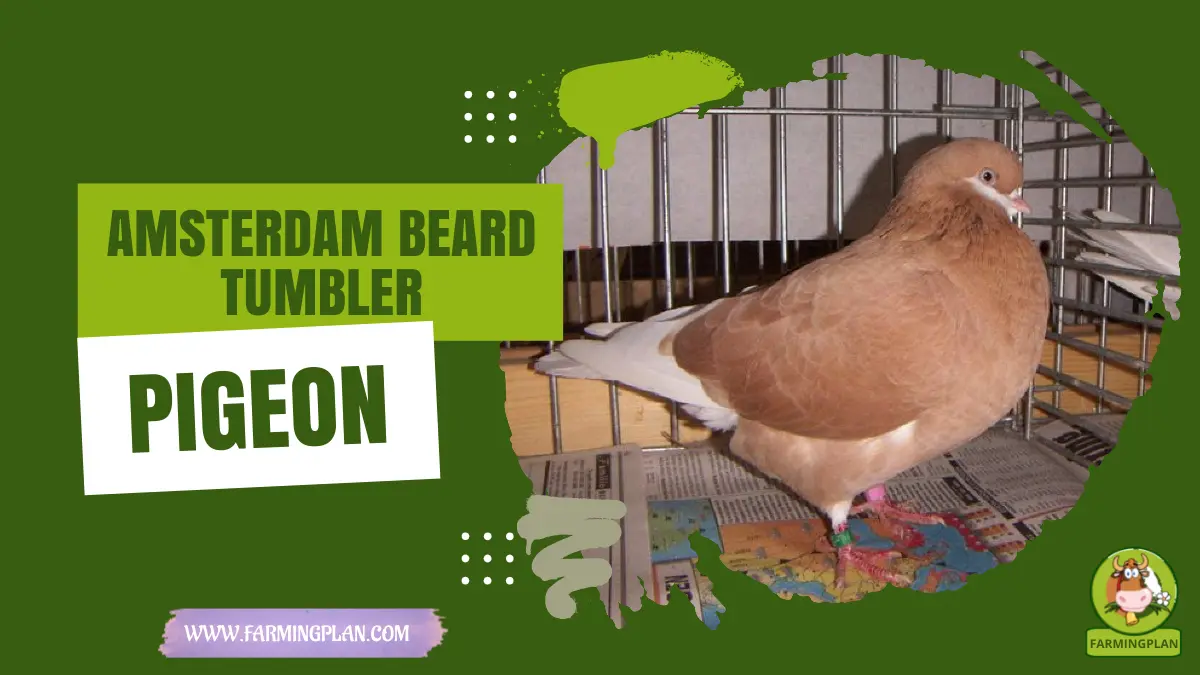
The Amsterdam Beard Tumbler Pigeon is a fascinating Dutch pigeon breed known for its distinctive beard marking, compact body type, attractive color patterns, and place in the European tumbler pigeon tradition. I find this breed especially interesting because it combines fancy-pigeon beauty with a history connected to flying and tumbling birds. You may also see it called Amsterdamse Tuimelaar, Amsterdamer Bärtchentümmler, Culbutant barbu d’Amsterdam, Amsterdam Beard Tumbler, or Culbutant d’Amsterdam. The European Association of Poultry, Pigeon, Cage Bird, Rabbit and Cavy Breeders lists it as breed number 0929, under the tumbler and highflyer group. In this guide, I will share my practical experience with these birds so you can raise a healthy flock of your own.
In this guide, I’ll explain its history, beard pattern, body and head shape, color varieties, flight ability, feeding, housing, health care, training, breeding, and exhibition needs. Whether you’re a pigeon breeder, hobbyist, fancy-pigeon enthusiast, or simply curious about Dutch tumbler pigeons, I’ll keep the information practical and easy to follow. The Amsterdam Beard Tumbler pigeon is an amazing bird that holds a special place in my heart as a breeder. This unique Dutch tumbler pigeon, locally known as the Amsterdamse Tuimelaar or Amsterdamer Bärtchentümmler, stands out because of its distinct beard pattern and agile body type.
Historical Origins of Amsterdam Beard Tumbler Pigeon
The history of this remarkable pigeon breed dates back to 18th century The Netherlands. Breeders in Amsterdam selectively bred these fancy pigeon birds for both their acrobatic flight capabilities and striking markings. Over generations, fanciers in the European tumbler tradition refined the bird’s head shape, color boundaries, and feather condition. By 1993, international recognition established formal standards for the Amsterdam Beard Tumbler. Today, it remains a celebrated subclass of tumbler pigeons loved by breeders worldwide.
When I study this breed, I always start with Amsterdam because its identity comes directly from the Dutch capital. The Amsterdam Beard Tumbler belongs to the wider European tradition of tumbler pigeons, birds selected for distinctive appearance and aerial behavior. Breed references describe its development in Amsterdam and place its development in the 18th century, while international recognition came much later. One commonly cited breed history states that the variety received international recognition in 1993.
The breed now appears in European breed classifications under the German name Amsterdamer Bärtchentümmler and the French name Culbutant barbu d’Amsterdam. The English name is Amsterdam Beard Tumbler, while the Dutch name is Amsterdamse Tuimelaar. The official European breed list identifies it with the Netherlands and places it among tumbler pigeons. This international naming matters because older pigeon breeds often appear under several language-specific names, and searching only one name can make useful information surprisingly hard to find.
Read More: Netherland Dwarf Rabbit: Amazing Care Guide
Characteristics of Amsterdam Beard Tumbler Pigeon
The Amsterdam Beard Tumbler has the compact appearance I expect from a traditional tumbler pigeon. Breed descriptions emphasize a medium-sized bird with a relatively flat body position and quick reactions. When I examine a bird for breeding, I look beyond color and immediately check its body balance, chest, back, wings, legs, head shape, beak, and overall condition.
The body type should look balanced rather than extremely heavy. The head should fit the body naturally, and the beak should look proportionate. I also pay close attention to feather condition because damaged or poorly maintained feathers can hide the bird’s true quality. A healthy pigeon should stand confidently, move freely, breathe comfortably, and show alert behavior.
This medium-sized bird features a sleek body type and an almost horizontal, agile stance. Its most famous trait is the white beard pattern right under the beak and throat area. The breed standard also requires white tail feathers and clean white primary flight feathers. You will find them in beautiful color variations like Almond, Ash Red, Recessive Red, Barless, Black, and Yellow. Their eyes are a bright, clear pearl color, set in a small, smooth skull.
Nature & Temperament of Amsterdam Beard Tumbler Pigeon
I generally think of tumbler pigeons as active, alert birds rather than quiet decorative pets. The Amsterdam Beard Tumbler has a history connected with flight, so I expect an individual bird to show curiosity and movement when kept in a suitable loft. The breed’s traditional background includes flying qualities, although today’s exhibition birds may receive more attention for conformation and markings than for performance. With regular handling, many pigeons can become comfortable around their keeper. I prefer calm movements when entering the loft.
I avoid chasing birds around because that creates unnecessary stress and makes future handling harder. I love working with the Amsterdam Beard Tumbler pigeon because of its lively yet docile temperament. These birds display a fantastic tumbling behavior in the air, performing quick backward somersaults during flight. They adapt well to aviaries and build strong bonds with their human handlers. Their gentle attitude makes them wonderful show birds and pets for beginners. They are also fantastic parents that raise their own chicks with great devotion.
Food & Diet Guidelines of Amsterdam Beard Tumbler Pigeon
Good nutrition forms the foundation of healthy feathers, muscles, breeding, and flight. I normally build a pigeon’s diet around a quality pigeon grain mix or an appropriate commercial pigeon pellet. Veterinary nutrition guidance notes that seed-eating pigeons can use commercial pigeon pellets, while many also accept suitable grain-based diets. A practical grain mixture may contain ingredients such as wheat, maize, peas, millet, and other suitable grains.
I avoid making the diet depend on one grain because variety helps me provide a broader nutritional profile. Breeding, growing, flying, and resting birds may also need different feeding strategies. A proper diet keeps your birds energized for flight and maintains their beautiful plumage. I feed my flock a balanced seed mix containing wheat, barley, maize, peas, and safflower seeds.
- Daily Staples: High-protein grain mix, clean water, and fresh mineral grit.
- Nutritional Dos: Offer green leafy vegetables like spinach and chopped lettuce twice a week.
- Nutritional Don’ts: Never feed your pigeons avocado, chocolate, salty snacks, or processed human food.
Usage & Purpose of Amsterdam Beard Tumbler Pigeon
The Amsterdam Beard Tumbler can appeal strongly to exhibition-focused breeders. European pigeon shows evaluate birds according to breed characteristics, and historical show records demonstrate that Amsterdam Beard Tumblers have appeared in exhibitions. One Aviculture Europe report, for example, documented an Amsterdam Beard Tumbler receiving a high show score. For exhibition birds, I pay close attention to feather condition. A beautiful beard pattern loses much of its visual impact when feathers look dirty, broken, or poorly maintained.
I also keep breeding records so I know which pairs consistently produce the traits I want. This bird serves a dual purpose in the pigeon fancying world. Many breeders enter them in show exhibitions to judge their beard pattern, wing stripes, and overall body structure. Others train them in open lofts to preserve their historical flight capabilities and acrobatic tricks. Whether you want a competitive show bird or an engaging backyard aviator type, this breed excels in both roles. If I keep exhibition birds, I make sure nesting materials and loft surfaces don’t damage feathers.
Special Features of Amsterdam Beard Tumbler Pigeon
The most obvious special feature is the beard marking around the chin or throat. This facial pattern gives the pigeon its distinctive identity and makes it easy for experienced enthusiasts to recognize. I find this feature especially interesting because it shows how selective breeding can turn a small feather pattern into an important breed characteristic. A breeder needs patience because producing consistent markings requires careful selection over generations.
What truly sets this breed apart is its unique white throat patch combined with clean white flight wings. Their backward tumbling skill is an instinctual trait passed down through centuries of selective breeding. Additionally, their compact frame allows for incredible agility in tight aerial turns. Rare color patterns like Almond and Barless are highly prized among serious collectors.
Health Issues & Prevention Tips of Amsterdam Beard Tumbler Pigeon
I don’t wait for a pigeon to look seriously ill before I act. I watch appetite, droppings, breathing, posture, activity, feather condition, weight, eyes, and behavior every day. A healthy pigeon should look alert and maintain normal activity. Pigeons can develop bacterial, viral, and parasitic diseases. Veterinary literature identifies conditions such as salmonellosis, parasitic infections, trichomoniasis, and other infectious diseases among pigeon health concerns.
Warning signs can include reduced appetite, unusual droppings, weight loss, breathing difficulty, swollen joints, weakness, poor feather condition, abnormal behavior, or difficulty swallowing. These signs don’t identify one specific disease, so I avoid guessing. Keeping your flock healthy requires simple, consistent routine care. Pigeons can fall victim to common ailments like Canker (Trichomoniasis), Respiratory Infections, and Coccidiosis.
- Symptoms to Watch: Lethargy, ruffled feathers, watery eyes, or cheesy deposits inside the beak.
- Prevention Strategies: Quarantine new birds for two weeks before introducing them to the main loft. Keep the loft dry, scrub water troughs daily, and schedule regular avian health check-ups.
“A Well-Cared-For Tumbler Shows Its Beauty In Every Feather And Every Flight.”
Step-by-Step Pet Owner Care Guide of Amsterdam Beard Tumbler Pigeon
When I start with a new pair of Amsterdam Beard Tumblers, I focus on five things: housing, nutrition, observation, hygiene, and controlled training. Fancy pigeons can look tough, but good care still depends on small daily habits. I don’t wait until the loft becomes dirty or the bird becomes weak before correcting problems. The best care system also depends on the purpose of the birds. Exhibition pigeons need excellent feather management. Birds kept for breeding need suitable nesting space and nutrition. Birds selected for flight need safe training and a secure loft. I treat all three groups as pigeons first, then adjust management to their purpose.
If you already keep Amsterdam Beard Tumblers, share your experience, favorite color, or breeding tips in the comments and help other pigeon lovers learn more about this unusual Dutch breed. The Amsterdam Beard Tumbler pigeon is an extraordinary bird that blends rich Dutch heritage, captivating flight acrobatics, and striking physical beauty. By offering your flock a clean loft, balanced feed, and routine health checks, you can enjoy these birds for many years. They make wonderful additions to any backyard loft, whether you are an experienced fancier or a brand-new enthusiast. Do you have experience raising tumbler pigeons? Share your thoughts, ask your questions in the comments below, and pass this guide along to fellow bird lovers today!
Step 1: Prepare A Safe Loft
Before bringing birds home, I prepare the loft. I want enough room for each bird to move, perch, feed, drink, and rest without constant competition. I provide secure perches and nesting areas and keep the interior dry and well ventilated. Pigeon housing guidance recommends sufficient space for flight where possible, separate perching opportunities, and suitable enrichment. I also make sure predators cannot enter through gaps. Rats, cats, snakes, and other predators can cause serious losses in pigeon lofts. I pay special attention to ventilation. Fresh air should move through the loft without creating a strong cold draft directly across resting birds.
I keep the roof waterproof and prevent standing water. I clean the floor and nesting areas regularly. I don’t allow wet droppings to build up because moisture and waste create an unhealthy environment. I also keep feed containers away from areas where birds can contaminate them with droppings. For a fancy pigeon like this, I add clean perches at comfortable heights and provide nesting bowls for breeding pairs. I keep sharp wire, exposed nails, broken wood, and rough surfaces away from the birds because damaged feathers can reduce exhibition quality.
Step 2: Establish A Reliable Feeding Routine
Once the loft works properly, I create a consistent feeding routine. I use a quality pigeon feed or suitable grain mixture and adjust the diet according to age, breeding condition, and activity. Veterinary guidance recognizes commercial pigeon pellets as an option for seed-eating pigeons. I keep clean water available throughout the day. I wash drinkers regularly rather than allowing slime or dirt to accumulate. During hot weather, I pay extra attention to water because pigeons can become dehydrated quickly. I provide suitable mineral grit when needed and monitor body condition. I don’t simply keep filling a feeder if the birds leave large amounts of food.
Too much food can encourage waste and obesity, while too little can reduce conditions. For breeding birds, I pay extra attention to nutrition before and during breeding. Growing youngsters also need appropriate nutrition. Parents naturally provide crop milk to young squabs during the early period, and later they introduce regurgitated feed. I avoid sudden feed changes. If I need to change the diet, I gradually mix the new food with the old food. That simple habit makes it easier to monitor appetite and droppings.
Step 3: Build A Daily Health-Checking Habit
I spend a few minutes every day watching each bird. I don’t need complicated equipment for the first check. I simply look closely. Is the pigeon alert? Is it eating? Does it stand normally? Does it breathe comfortably? Are its eyes clear? Does its feather condition look normal? I learn the normal behavior of every bird because that makes abnormal behavior easier to spot. A pigeon that suddenly sits alone, refuses food, loses weight, or becomes unusually quiet deserves attention. I also check the beard feathers and other plumage. Feather damage can happen from rough perches, fighting, parasites, poor nutrition, or poor loft conditions.
I isolate a sick bird when appropriate and seek veterinary advice. I don’t assume that green droppings, breathing problems, or throat lesions automatically mean one particular disease. Pigeon diseases can share symptoms, and proper diagnosis matters. Veterinary reviews emphasize diagnostic approaches for bacterial, viral, and parasitic diseases. I also keep simple records. I write down breeding pairs, hatch dates, treatments recommended by my veterinarian, unusual symptoms, and major changes in feed. These records become extremely useful when I manage several birds.
Step 4: Introduce Flight And Training Carefully
If I want to preserve or develop flight behavior, I don’t rush the process. First, I allow a new pigeon to settle into the loft. The bird needs to recognize the loft as home before I even think about free flight. I begin with short, controlled sessions when the bird shows good health and confidence. I watch weather conditions carefully. Strong wind, heavy rain, extreme heat, and poor visibility can turn a simple flight into a dangerous situation. I also remember that tumbling ability isn’t the same as racing performance.
The Amsterdam Beard Tumbler belongs to the tumbler tradition rather than the racing-pigeon category. My goal should therefore match the breed’s characteristics rather than expecting racing-homer performance. I never release a bird that looks weak or unwell. I also consider local predators and traffic. A safe enclosed flight area can offer exercise without the risks of unrestricted outdoor flying. For young birds, I use patience. I don’t punish a bird for refusing to fly. Fear can damage trust and make future training more difficult. Calm repetition works much better.
Step 5: Manage Breeding, Records And Exhibition Preparation
When I select breeding birds, I don’t choose only the prettiest pair. I look at health, body type, head shape, feather quality, beard marking, vitality, breeding history, and any known genetic problems. I keep a breeding record for every pair. I record the parents, hatch dates, colors, markings, and notable traits of offspring. This helps me understand which combinations produce the beard pattern, color boundaries, and body qualities I want. Before the exhibition, I give the bird plenty of time to maintain good feather condition.
I keep the loft clean, reduce situations that can break feathers, and handle the pigeon gently. I also compare birds with the current breed standard rather than relying on memory. European breed listings provide a standardized identity for the Amsterdam Beard Tumbler, while show reports demonstrate that the breed appears in organized exhibitions. My main rule is simple: health comes before showing quality. A perfect beard marking doesn’t make up for poor health. I want a bird that looks good because it feels good, not one that looks good only for a photograph.
Read More: Babi Kampung Pig Raising Secrets You Need
Expert Tips for Pigeon Raising Success
- Clean the loft floor twice a week to control dust and parasite buildup.
- Provide a shallow water basin twice a week so your pigeons can bathe and clean their feathers.
- Pair parent birds carefully to maintain strict color boundaries and clear beard markings.
- Keep extra grit and limestone available at all times during the egg-laying season.
- Keep a detailed logbook of hatch dates, ring numbers, and genetic lines.
FAQs
What is an Amsterdam Beard Tumbler pigeon?
The Amsterdam Beard Tumbler is a Dutch breed of fancy pigeon known for its acrobatic flight and distinctive white beard-like marking under its beak. It originated in Amsterdam in the 18th century and is kept for flight and exhibition.
Can Amsterdam Beard Tumbler Pigeon fly well?
Yes, they are agile fliers known for performing backward somersaults and rolls in mid-air. However, show-bred lines may focus more on appearance than long flight times.
What do Amsterdam Beard Tumbler pigeons eat?
They eat a balanced pigeon seed blend consisting of grains, peas, seeds, and maize, along with digestive grit and clean water. Fresh greens can also be offered as nutritional supplements.
How do you identify a true Amsterdamse Tuimelaar?
You can identify a true specimen by its smooth head, white throat beard, pearl-colored eyes, white tail, and minimum seven white flight feathers. They feature a compact, slightly flat body posture.
Are these pigeons good for beginner breeders?
Yes, they are calm, hardy, friendly, and make excellent parents for raising young squabs. Beginners find them easy to manage with basic loft care.
Conclusion
The Amsterdam Beard Tumbler Pigeon combines Amsterdam’s long pigeon tradition with a distinctive beard marking, attractive colors, compact body type, and tumbler heritage. I see it as a particularly interesting choice for breeders who enjoy both fancy-pigeon appearance and traditional flight culture. Its names, including Amsterdamse Tuimelaar, Amsterdamer Bärtchentümmler, and Culbutant barbu d’Amsterdam, also reflect its place in European pigeon culture. Good housing, balanced nutrition, clean water, careful health monitoring, quarantine, and thoughtful breeding all help maintain strong birds. If you plan to keep this breed, I recommend learning the current standard and finding experienced breeders who can show you healthy examples in person.