
I love working outdoors and tending my hives every single spring. The Cretan honey bee occupies a very special place in my daily apiary routine. When I first brought these native Greek bees into my apiary, I fell in love with their amazing resilience and incredible honey production. Known scientifically as Apis mellifera adami, this unique sub-species survived thousands of years in harsh island climates.
They thrive among wild thyme flowers and rugged terrain where other honey bees struggle to survive. Today, I want to share my personal experience as a farming specialist to help you understand these famous Cretan Honey Bees. We will cover their sting risks, temperament, feeding habits, and practical hive care steps. Whether you want to buy your first queen or just explore island beekeeping, this guide offers all the practical knowledge you need.
History & Origin of Cretan Honey Bee
My historical research and field work show that beekeeping on Crete goes back thousands of years. The ancient European Minoan civilization deeply honored the bee community. Archaeological digs in Heraklion and near ancient palaces revealed stunning gold pendants depicting two honey bees carrying a drop of honey. Ancient farmers kept hives in ceramic pots along the slopes of Mount Dikti and the Asterousia Mountains. They harvested sweet honeycomb to make sacred drinks mixed with wine and extra virgin olive oil. The islanders associated these creatures with ancient deities like Demeter, Artemis, and Persephone. I often think about those early beekeepers when I work in my own fields today.
Survival Across Centuries
This subspecies evolved isolated on the island for thousands of years. Natural selection forced the Apis mellifera adami population to adapt perfectly to hot summer heat, dry winds, and rocky mountain slopes. Historical writers like Dioscorides praised Cretan thyme honey in ancient texts like De Materia Medica. Over time, local beekeepers developed migratory beekeeping techniques. They moved hives from coastal regions like Agios Nikitas-Maridaki up to the high Selakanos forest. This seasonal movement ensured continuous nectar collection from rich mountain flora. Today, conservation efforts focus on protecting these native genetic structures from unwanted polyhybridisation with imported Italian bees or Carniolan honey bee stocks.
Read More: Black Canary Pig Care Guide for Ultimate Farming Success
Characteristics of Cretan Honey Bee
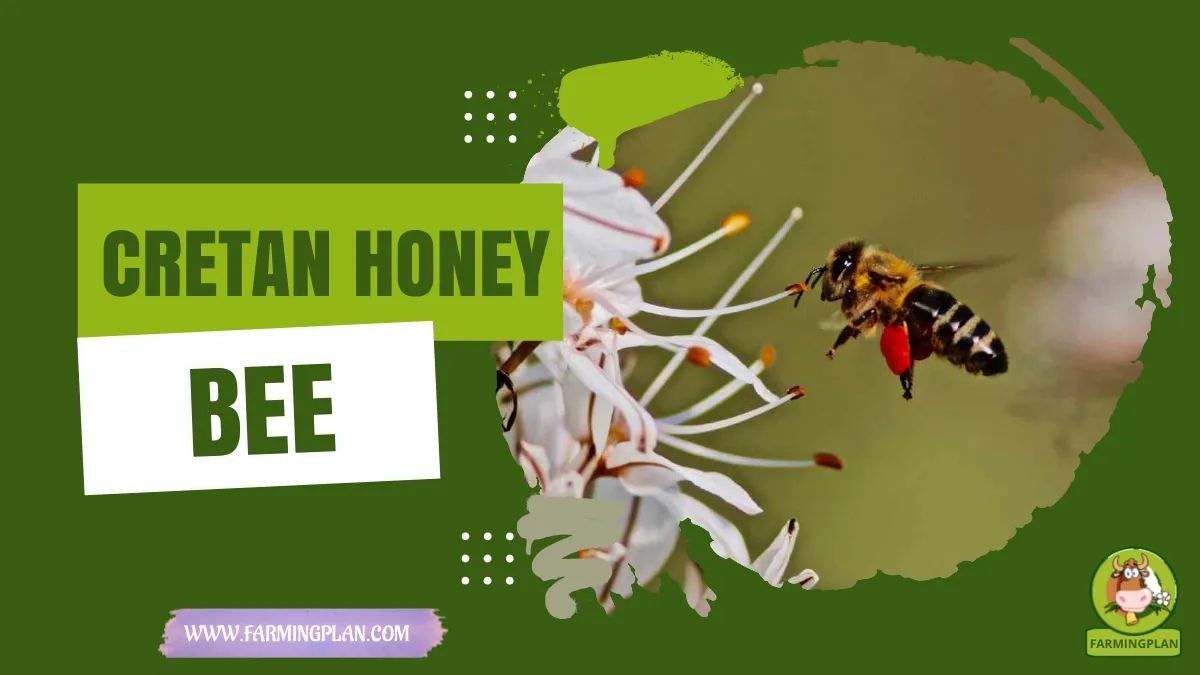
When I inspect my hives, I quickly spot these workers by their distinct dark coloration and slender bodies. The Cretan worker bee features dark gray to brown abdominal bands with fine, light-colored hairs. Morphometric and alloenzymatic studies classify them alongside other Mediterranean climates subspecies like Apis mellifera ruttneri and Apis mellifera macedonica. They display smaller overall wing dimensions compared to the larger Carpathian bee. Their wax scales form tight, strong honeycomb structures inside the frames. The Queen stays exceptionally slim and active, laying eggs across uniform brood patterns when nectar flows during early spring.
Hive Dynamics and Breeding Traits
These bees build very dense colonies that respond quickly to weather changes. Drones gather in specific drone congregation areas high above mountain valleys to ensure strong mating flights. Worker bees collect high amounts of propolis from local trees and shrubs. They use this sticky resin to seal cracks in the beehive and block unwanted pests. This natural defense protects the colony against diseases and drafty winter winds. They also store large amounts of pollen near the brood nest to feed young larvae royal jelly. Their evolutionary background gives them superior foraging range compared to standard commercial lines.
Nature/Temperament of Cretan Honey Bee
Many beginner beekeepers ask me: is the Cretan honey bee dangerous? In my experience, they are defensive but not aggressive without cause. Because they evolved alongside natural island predators, they protect their honey stores with great energy. If you disturb a hive during windy weather or late in the afternoon, guard bees will fly out quickly. Their sting delivers standard venom, but their rapid defensive response can startle new handlers. I always wear full protective gear, including leather gloves and a thick veil, when opening these hives.
Suitability for Local Beekeepers
I find these bees ideal for patient keepers who respect natural animal behavior. They display strong flight activity even on hot, windy afternoons when Italian bees stay inside the hive. They manage their hive population naturally based on nectar availability. When nectar becomes scarce in late summer, the queen reduces her egg laying to save food stores. This smart instinct prevents starvation during long dry spells. If you handle them with calm, smooth movements and light smoke, they remain manageable and rewarding to raise.
Food & Diet of Cretan Honey Bee
My Cretan colonies rely on a rich kaleidoscope of colors provided by wild island flora. Their absolute favorite food source is herbaceous thyme that covers rocky hillsides during late spring. They also gather nectar and pollen from wild herbs, heather, citrus blossoms, and pine trees. Workers collect pollen continuously to supply protein to the developing brood. During mid-summer, when wild blooms dry up under the intense heat, they gather honeydew secretions from pine forests like Selakanos. This varied diet gives their honey a rich amber resin color and deep herbal flavor.
Winter Feeding Dos and Don’ts
- Do: Leave at least 15 to 20 kilograms of capped honey in the hive before winter arrives.
- Do: Feed sugar syrup with a 2:1 ratio in late autumn if natural stores run low.
- Do: Provide clean, fresh water sources near the apiary using shallow gravel trays.
- Don’t: Leave open syrup feeders near the hives because this triggers severe robbing behavior.
- Don’t: Feed low-grade sugar mixtures containing complex additives or corn syrup.
- Don’t: Break hive seals during cold winter days to check food levels unnecessarily.
Usage/Purpose of Cretan Honey Bee
I raise these bees primarily for high-value honey production. Cretan thyme honey commands premium prices in international markets thanks to its distinct aroma and rich taste. Beyond liquid honey, my hives yield valuable beeswax, propolis, and pollen. Local producers use this rich wax to craft natural balms, candles, and skincare items. Some specialty producers combine raw honey with traditional products like extra virgin olive oil, raki, petimezi, and balsamic vinegar. These combinations create traditional Greek foods like rakomelo and oxymel that tourists love purchasing at boutique outlets.
Agricultural Pollination Services
These hard-working insects play a vital role in preserving local biodiversity across mountain ecosystems. They pollinate wild flowers, fruit orchards, and vegetable crops throughout rural regions. Local farmers welcome my hives near their fields because pollination increases crop yields and improves fruit quality. Their strong flight capacity allows them to forage across rugged valleys and Natura 2000 protected areas. Without their constant pollination work, native plants and agricultural yields across Greek islands would suffer greatly.
Every Beekeeper Knows That Protecting Your Queen Bees Ensures Sweet Honey For Years To Come.
Special Features of Cretan Honey Bee
The greatest strength of this native race is its incredible heat tolerance. While other European races slow down during scorching summer days, this Cretan Honey Bee continues flying and gathering resources. Their small body size helps them dissipate heat quickly during high temperatures. They also demonstrate strong resistance to fierce sea winds that blow across coastal apiaries. They fly low along rock walls to reach flowering plants, showing incredible physical stamina that commercial hybrid lines simply cannot match.
Hygienic Behavior and Pest Defense
Another remarkable trait I notice in my apiary is their natural hygienic behavior. Worker Cretan Honey Bees actively groom each other and remove damaged or diseased brood from queen cells immediately. This fast cleaning response helps control pest populations naturally. They collect large quantities of propolis to coat the inner walls of the wooden frames. This natural antibiotic barrier blocks bacteria and fungal spores from spreading through the hive.
Health Issues & Prevention of Cretan Honey Bee
| Health Issue | Main Symptoms | Recommended Treatment |
| Varroa Mite | Deformed wings, weak workers, crawling bees on ground | Organic oxalic acid dribble, thymol strips |
| Nosema Disease | Dysentery spots on hive exterior, weak crawling workers | Fumagillin treatment, clean water access, dry comb replacement |
| American Foulbrood | Sunken brood caps, foul odor, ropey dead larvae | Hive destruction, frame burning, equipment sterilization |
| Chalkbrood | Hard white or black mummies in cells and hive floor | Hive ventilation improvements, queen replacement |
Preventive Care and Apiary Sanitation
I keep my apiary healthy by practicing strict sanitation routines throughout the entire year. I inspect brood combs every month during active warm seasons to check for early signs of disease. Replacing three to four old wooden frames with fresh wax foundation every spring keeps comb clean and reduces chemical buildup. I place my hives on raised wooden stands to prevent ground moisture from causing fungal infections inside the box. Good hive ventilation prevents excess dampness during cool winter nights, keeping the colony warm, dry, and disease-free.
Step-by-Step Farming Guide of Cretan Honey Bee
Starting your journey with native island bees requires careful planning, proper equipment, and consistent care throughout the season. I have developed a practical system over my years as a farming specialist that ensures high survival rates and great honey harvests. Follow these detailed steps to establish and maintain a thriving apiary using these hardy Greek honey bees.
Step 1: Equipment Preparation and Hive Setup
Before you order your first colony, you must assemble all necessary beekeeping gear. I always recommend standard 10-frame Langstroth hives made from high-quality, weather-resistant wood like cedar or pine. Paint the exterior of your hive boxes with non-toxic, light-colored paint to reflect bright summer sunlight. Assemble your wooden frames carefully and wire them securely before embedding pure beeswax foundation sheets. Clean equipment prevents early stress on newly installed colonies.
You also need personal protective equipment designed for defensive honey bee lines. Purchase a full ventilated bee suit, heavy-duty leather gloves with long gauntlets, and sturdy high-top boots. Prepare a reliable stainless steel smoker with a heat shield, along with a sturdy stainless steel hive tool. Having all your gear ready and organized before opening a hive reduces stress for both you and your bees.
Step 2: Apiary Site Selection and Field Placement
Choosing the right location for your apiary determines your long-term beekeeping success. Place your hives in a sunny area that receives early morning sunlight to warm up the entrance. Position the hive entrances facing south or southeast to protect them from cold northern winds. Ensure the ground is level and dry, elevated off the dirt using concrete blocks or sturdy wooden stands.
Your chosen site must offer easy access to natural nectar sources and clean water within a one-mile radius. Plant or locate hives near flowering shrubs, thyme patches, or citrus orchards to ensure steady foraging. Avoid placing hives near busy footpaths, livestock pens, or noisy machinery. Giving your colonies a quiet, secluded space reduces defensive reactions from guard bees during routine inspections.
Step 3: Colony Installation and Queen Introduction
Installing a new package or nuc colony requires a calm, gentle approach during warm, clear weather. Spray your package bees lightly with sugar syrup to keep them calm and occupied. Open your prepared hive box, remove four central frames, and gently pour the worker bees into the empty space. Hang the wooden queen cage between two central brood frames using thin wire or a frame clip.
Ensure the sugar candy plug on the queen cage remains accessible so workers can chew through it over two or three days. This slow release allows the colony to accept her new queen substance pheromones naturally. Close the hive gently, insert a entrance reducer to help guards defend the small entrance, and leave the colony undisturbed for five days before performing your first internal check.
Read More: Agaran Pigeon Care: Ultimate Guide to Master Raising
Expert Tips & Best Practices
- Maintain Detailed Inspection Logs: Record queen laying patterns, honey stores, and temperaments during every single hive visit.
- Use Local Thyme Feeders: Place natural herbal extracts in spring syrup to encourage fast comb building and strong colony growth.
- Re-Queen Every Two Years: Introduce fresh, young queens regularly to maintain gentle colony behavior and high egg production.
- Practice Migratory Hive Movement: Move your hives to higher mountain elevations during late summer to catch late thyme and pine flows.
- Control Varroa Early: Apply organic oxalic acid treatments right after the autumn honey harvest to lower mite counts before wintering.
- Provide Constant Shade: Place shade boards over outer hive covers during extreme July and August heatwaves to protect delicate honeycomb.
FAQs
Where can I buy a Cretan honey bee for sale?
You can buy registered queens and nucleus colonies directly from certified queen breeders located in Greece or licensed European queen suppliers. Always verify health certificates and genetic purity before completing your purchase to avoid importing diseased stocks.
How painful is a Cretan honey bee sting?
A sting from this race feels similar to a standard honey bee sting, causing immediate local pain, minor swelling, and redness. Wash the area with soap and water immediately, remove the stinger by scraping it off, and apply a cool compress to reduce swelling.
What are the main types of Cretan Honey Bees in Greece?
Greece hosts several distinct native subspecies including Apis mellifera adami in Crete, Apis mellifera macedonica in northern regions, and Apis mellifera cecropia in southern mainland areas. Each race adapts specifically to its regional climate and local mountain flora.
How does this race compare to the Carniolan honey bee?
While Carniolan honey bees remain very gentle and build large early spring populations, island bees show superior heat resistance and better survival instincts in dry climates. The native Cretan race manages food stores much better during long summer droughts.
Do these Cretan Honey Bees require special winter management?
Yes, you must ensure hives have strong wind protection and elevated stands to handle cool, damp island winters. Keep hive entrances small and leave generous honey reserves inside the brood chamber to support the cluster until early spring blooms arrive.
Conclusion
The Cretan honey bee stands as a remarkably resilient and valuable subspecies with an amazing ancient history. Through my years of practical experience, I have learned to respect their strong protective nature, unmatched work ethic, and ability to thrive in tough dry climates. By keeping healthy hives, providing clean forage, and protecting native genetic lines, we ensure these brilliant pollinators continue to flourish for future generations. Now it is your turn to take action in your own apiary journey! Share your personal experiences with island bees in the comments below, pass this guide along to your fellow beekeepers, and subscribe to our newsletter for more practical farming insights!