
The Cotton Patch Goose holds a very special place on my homestead because it represents true American agrarian history. If you want a calm, multi-purpose bird, this autosexing landrace breed fits beautifully into any farm setup. I have raised many poultry breeds over the years, yet this unique waterfowl species stands out for its sweet temperament and impressive foraging skills.
These light-to-medium domestic geese historically helped Southern farmers weed cotton and corn fields without harming the crops. As an endangered breed listed on the Conservation Priority List by The Livestock Conservancy, saving these birds feels deeply rewarding. In this comprehensive guide, I will share my firsthand experience with raising these remarkable birds so you can successfully add them to your own flock.
History & Origin Of Cotton Patch Goose
The story of these birds dates back to the colonial period and early rural Southern homesteads across the southern states. Small-scale farmers developed this auto-sexing landrace by crossing sex-linked European breeds brought over by early settlers. European stock like the West of England, Normandy geese, and Old English birds likely contributed to their distinct genetic makeup. During the Great Depression, these hardy birds became vital assets for farm families looking for economic survival. They provided meat, down feathers, and cheap labor by weeding fields without requiring expensive commercial feed.
How Southern Homesteaders Shaped This Unique Breed
When chemical herbicides became popular in the mid-twentieth century, the demand for weed-eating waterfowl plummeted drastically. As a result, the population crashed, pushing these heritage animals close to complete extinction. Dedicated conservationists saved specific bloodlines, most notably the Walker Line and the James Line, to maintain genetic purity. Organizations like The Livestock Conservancy, the American Livestock Breeds Conservancy, and the Slow Food USA Ark of Taste have worked hard to protect them. Today, passionate breeders keep gaggles active, preserving this terrestrial breed for future generations of homesteaders.
Read More: Allmogekor Cattle Essential Guide
Characteristics Of Cotton Patch Goose
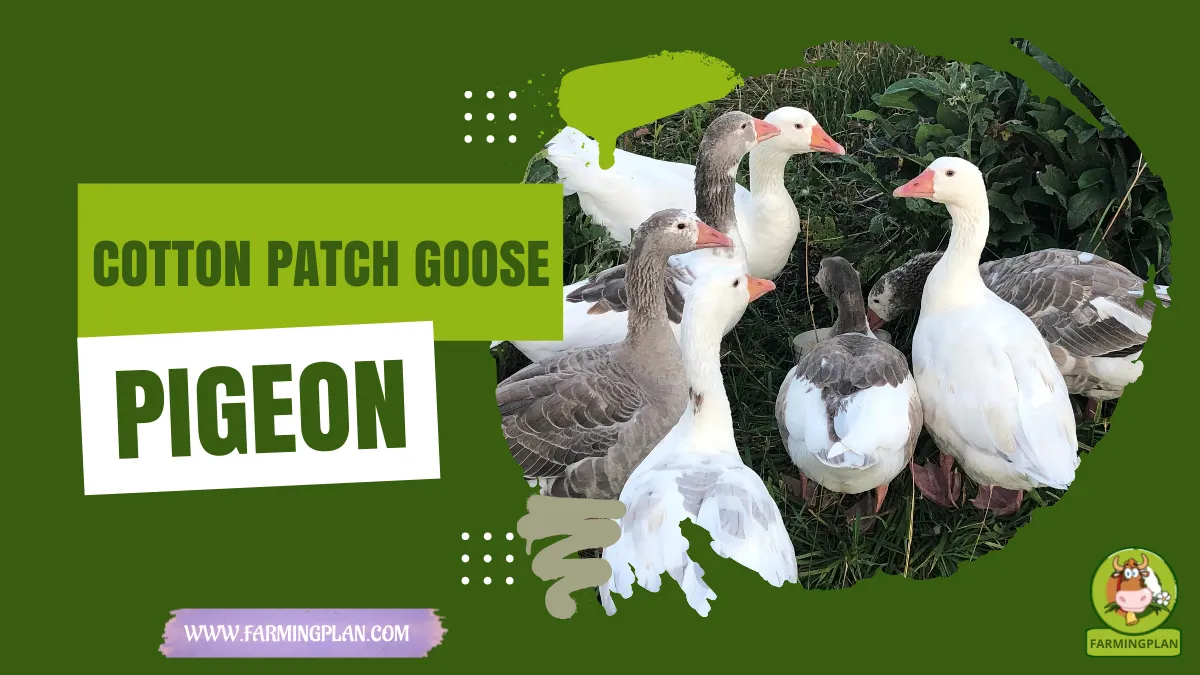
Recognizing this breed in the yard is easy once you understand their clear sexual dimorphism. Unlike many greylag goose descendants, these birds are naturally autosexing from the moment goslings hatch from their eggs. Male goslings hatch out with light yellow down and pink beaks, while female goslings show dark grey down with darker bills. As adults, the gander displays a bright white feather layer with occasional light grey patches on his wings or tail. The female goose sports a soft pinkish-grey or slate pattern that mimics the classic Pilgrim Goose or Shetland goose appearance.
Identifying Males, Females, And Key Breed Traits
In terms of weight, these birds are lighter than heavy breeds like the Toulouse, Embden, or African Cotton Patch Goose. An adult gander usually weighs around 9 to 12 pounds, while females weigh 8 to 10 pounds. Their lighter build gives them exceptional flight capability, allowing them to jump over low fences to escape predators. They possess a sleek body, a neatly curved beak, and very smooth lobe development under their abdomen. Their eggs are clean white eggs, laying a healthy clutch of 8 to 10 eggs during each nesting season. Their heat tolerance remains unmatched, making them thrive in hot & humid climate conditions where other birds struggle.
Nature And Calm Temperament Of Cotton Patch Goose
I often tell new poultry keepers that their gentle demeanor makes them the ultimate beginner-friendly waterfowl. Unlike aggressive Chinese geese or protective guard breeds, these birds rarely show unnecessary hostility toward humans or other animals. My ganders maintain a watchful eye over their breeding pairs without charging at visitors or children. They form tight-knit gaggles that move together across pastures in a peaceful, orderly rhythm. When you handle them regularly from the moment they imprint, they become exceptionally calm companions.
Why These Friendly Birds Belong On Your Homestead
Their agreeable nature makes them perfect for mixed-species farms alongside chickens, Cotton Patch Goose, or livestock. I love watching my flock go about their daily routine without causing chaos in the yard. They communicate with soft, melodic honks rather than loud, constant screeching. Female birds make wonderful mothers that readily brood their own eggs with immense patience. They create tidy nests in protected nesting areas and care for their offspring with deep instinctual dedication. If you want a peaceful bird that brings joy rather than stress to your morning chores, this breed excels.
Food, Nutrition, And Smart Diet Of Cotton Patch Goose
Providing proper food for your flock is simple because they excel at natural grazing. These birds derive a huge portion of their daily diet directly from high-quality grass, weeds, and pasture greens. During spring and summer, my flock grazes continuously, drastically reducing my commercial feed bills. You should offer them a clean pasture rich in clover, dandelion, and native grasses for optimal nutrition. Supplemental feeding becomes necessary during winter or late fall when fresh forage stops growing across the fields.
Feeding Guidelines For Healthy Pasture-Raised Waterfowl
I feed my adult birds a balanced 16% protein flock raiser pellet alongside free-choice grit for digestion. Avoid feeding high-protein starter feeds meant for meat chickens, as excess protein causes wing deformities like angel wing. Always supply clean drinking water right next to their feeding station so they can wash down dry food safely. Clean water also lets them clear their nostrils and keep their eyes healthy throughout the year. Never give them moldy grain, bread, or processed kitchen scraps, as these items cause severe digestive illness.
| Feed Type | Recommended Usage | Key Benefits |
| Fresh Pasture Grass | Spring through Autumn | High fiber, natural foraging, lowers feed costs |
| 16% Flock Raiser Pellets | Winter / Supplemental | Balanced vitamins, maintains weight |
| Coarse Poultry Grit | Free-Choice Always | Aids gizzard digestion of tough grains |
| Clean Drinking Water | Daily Unlimited Access | Prevents choking, flushes nostrils and eyes |
Usage And Multi-Purpose Homestead Values Of Cotton Patch Goose
Historically, Southern farmers valued this American breed as the ultimate multi-purpose farm helper. Their primary job was weeding fields of Cotton Patch Goose, corn, and asparagus because they target tough grasses without eating broadleaf crops. I still put my flock to work in my orchard and large garden beds to manage invasive weeds naturally. They chew down unwanted grass around fence lines where mowers cannot reach, saving me time and fuel. Their active foraging style turns unwanted vegetation into rich fertilizer for my soil.
Weeding, Meat Production, And Down Feathers
Beyond farm maintenance, these birds yield high-quality meat and soft down feathers for rural families. While they are lighter than commercial meat birds, their carcass yields tender, flavorful meat with less fat. Their dense down feather layer provides luxurious insulation for pillows, bedding, and winter clothing. They are also reliable seasonal layers, providing large white eggs every spring for baking or hatching. Whether you keep them for conservation, weed control, or self-sufficiency, they fulfill multiple roles on any homestead.
Special Features Of Cotton Patch Goose
One unique trait that sets this landrace breed apart is their remarkable heat tolerance. While heavy European geese suffer during sweltering summers, these birds handle hot & humid climate weather with ease. They originated in the climate of the southeastern U.S., so they adapt effortlessly to high humidity and blazing sun. As long as you provide shade and cool drinking water, they stay active and happy all summer long. This trait makes them ideal for Southern homesteaders who struggle with cold-climate poultry breeds.
Heat Tolerance And Superior Flight Skills
Another fascinating feature is their impressive flight capability compared to heavy domestic geese. They maintain a light, agile frame that allows them to lift off the ground and fly short distances. This agility helps them escape land predators like foxes or stray dogs when foraging on open pastures. Additionally, their autosexing trait saves breeders time because sexing goslings happens visually right at hatch. Their natural instincts for brooding, predator awareness, and foraging make them independent, low-maintenance farm assets.
Health Issues And Prevention Tips Of Cotton Patch Goose
These heritage birds possess strong genetic health, but proper care keeps common waterfowl ailments away. Parasites like worms, lice, and mites occasionally strike birds that spend time on damp soil. I perform regular flock inspections and offer fresh dry bedding to keep external pests from multiplying. Rotating your pastures regularly disrupts parasite life cycles and keeps the forage fresh and clean. Providing a clean water source large enough for bathing helps them maintain pristine feather health.
Keeping Your Waterfowl Active And Disease-Free
Bacterial infections like bumblefoot can occur if birds step on sharp rocks, thorns, or rough wire flooring. Check their webbed feet frequently for dark scabs, swelling, or lameness that signals an infection. Angel wing, a structural deformity caused by high-protein feeds, is easily prevented by providing grass and low-protein diets. Keep their coops dry and well-ventilated to prevent respiratory issues brought on by damp ammonia build-up. Regular care, clean housing, and fresh forage will keep your birds thriving for their full Cotton patch goose lifespan of 15 to 20 years.
Read More: Dendermonde Duck Guide: Raising Rare European Waterfow
Step-By-Step Farming Guide For Raising Cotton Patch Goose
Setting Up Your Homestead For Long-Term Success
Starting your journey with this endangered heritage breed requires a clear plan for housing, brooding, and pasture care. Proper preparation ensures your new flock adjusts smoothly and stays safe from local predators. I recommend starting with high-quality stock from reputable breeders who preserve clean bloodlines. Below, I have laid out my proven step-by-step framework for raising healthy, productive birds on your farm.
Step 1: Secure Safe Housing And Outdoor Pasture Space
Your first priority involves creating a safe enclosure that keeps predators out while providing shelter from weather. Build a sturdy coop or shed with good ventilation, dry straw bedding, and predator-proof hardware cloth on all windows. Provide at least 10 square feet of indoor space per adult bird to prevent crowding and stress. Outwardly, fence off a clean pasture area with tall fencing to contain their short flights and keep ground predators away.
Ensure the pasture contains healthy grasses like clover, bluegrass, or rye for daily grazing activities. Clean out wet bedding daily inside the shelter to prevent mold, dampness, and harmful ammonia fumes. Provide a shaded area in the outdoor run so your birds can escape intense direct sunlight during hot summer days. Secure all coop latches nightly because raccoons and foxes quickly target roosting waterfowl.
Step 2: Brood Young Goslings With Proper Heat And Lighting
Brooding newly hatched sex-linked goslings requires careful attention to warmth, dry bedding, and feed. Set up a brooder box using pine shavings or rough towels that provide solid footing for young feet. Position a heat lamp or radiant brooder plate at one end, keeping the temperature around 90°F during the first week. Lower the temperature by 5 degrees each week until the goslings grow their full feather layer.
Offer non-medicated chick starter or unmedicated waterfowl feed containing 18% protein for the first two weeks only. Transition them quickly to a lower protein feed mixed with fresh, finely chopped grass clippings to encourage healthy wing development. Ensure their drinking water is deep enough to clear their beaks, but prevent deep water drowning hazards. Inspect their down daily to make sure they remain clean, active, and bright-eyed under the brooder heat.
Step 3: Introduce Your Flock To Open Pasture Foraging
Once your young birds reach 4 to 6 weeks old and grow adult feathers, introduce them to pasture foraging. Start with short supervised field trips on warm, dry days so they learn how to forage for grass and bugs. Watch how quickly they learn to eat undesirable weeds while leaving the surrounding soil completely undisturbed. Ensure they have constant access to fresh, clean drinking water near their grazing area at all times.
Establish a daily routine by feeding a small amount of grain inside their coop every evening before dusk. This simple habit trains your flock to march back into their secure shelter voluntarily every single night. Protect young birds from aerial predators like hawks by providing overhead netting or covered outdoor runs until they reach full size. As they grow, their natural grazing efficiency will reduce feed costs while keeping your pastures neatly trimmed.
Step 4: Manage The Breeding Season And Egg Production
When spring arrives, your adult birds will prepare for the nesting season with heightened activity and social honking. Provide private, shaded nesting areas equipped with deep straw bedding inside the coop for your laying females. A healthy female usually lays a clutch of 8 to 10 eggs before settling down to brood them. If you prefer to hatch eggs using an incubator, collect fresh eggs daily and store them at 55°F.
Maintain a proper ratio of one gander for every two or three females to ensure high egg fertility rates. Allow broody females to hatch their own eggs if you want natural mothering without monitoring incubators. Keep the nesting area quiet, clean, and safe from curious flock mates during the 28-to-30-day incubation period. Once hatched, allow mother Cotton Patch Goose to raise their goslings directly within the flock for strong social bonding.
“Discovering The Heritage Cotton Patch Goose Will Completely Transform Your Homestead Grazing Strategy Today.”
Expert Tips And Best Practices For Heritage Breeders
Professional Strategies To Improve Your Flock
- Preserve Genetic Bloodlines: Acquire stock from established Walker lines or James Line breeders to keep bloodlines pure and healthy.
- Prevent Angel Wing: Avoid feeding high-protein starter feeds beyond two weeks; rely heavily on fresh pasture grasses instead.
- Offer Deep Water Basins: Provide buckets or tubs deep enough for birds to submerge their heads fully to wash eyes and nostrils.
- Establish Evening Routines: Train your gaggle to enter the coop at dusk using a handful of grain as a tasty treat.
- Monitor Flight Ability: Trim flight feathers on one wing if your light-bodied birds continuously jump low pasture fences.
- Provide Plenty Of Grit: Keep coarse poultry grit available in a separate container so birds digest tough pasture fibers easily.
- Protect Nesting Females: Separate broody mothers from aggressive livestock to prevent disturbed nests during incubation.
- Support Conservation: Register your breeding pairs with heritage poultry groups to help track and boost global population numbers.
FAQs
Can Cotton Patch Goose Fly Short Distances?
Yes, they retain natural flight capability due to their lightweight frame. They easily jump low fences, so wing trimming may be necessary if you keep short barriers.
Cotton Patch Goose vs Pilgrim: How Do They Differ?
While both breeds are autosexing, this Southern breed is lighter, more heat-tolerant, and flies better than the heavier Pilgrim Goose. They also feature a sleeker body shape adapted for weeding fields.
What Is The Average Cotton Patch Goose Price Today?
A juvenile bird or adult usually costs between $50 and $150 depending on bloodline purity, sex, and breeder reputation. Goslings generally sell for $20 to $40 each during the spring hatching season.
Are Cotton Patch Goose Male Vs Female Differences Easy To See?
Yes, they are autosexing from day one. Males hatch yellow with pink bills and mature into white ganders, while females hatch dark grey and mature into slate-grey birds.
Where Can You Find Cotton Patch Goose For Sale?
You can locate breeding stock through The Livestock Conservancy directory, specialized heritage hatcheries, or dedicated social media farming groups. Always verify breeder lines to ensure authentic genetic purity before ordering.
Conclusion
Raising this historic Cotton Patch Goose brings incredible rewards to any homestead, combining living history with practical weed control and gentle companionship. Their autosexing traits, outstanding heat tolerance, and efficient foraging skills make them ideal for self-sufficient farm setups. By choosing to raise these endangered heritage birds, you actively participate in critical conservation efforts while enjoying low-maintenance poultry. If you are ready to expand your farm with peaceful, productive waterfowl, consider adding a flock of these fantastic birds to your pasture this season! Share your thoughts or ask questions below to join our growing heritage farming community today!