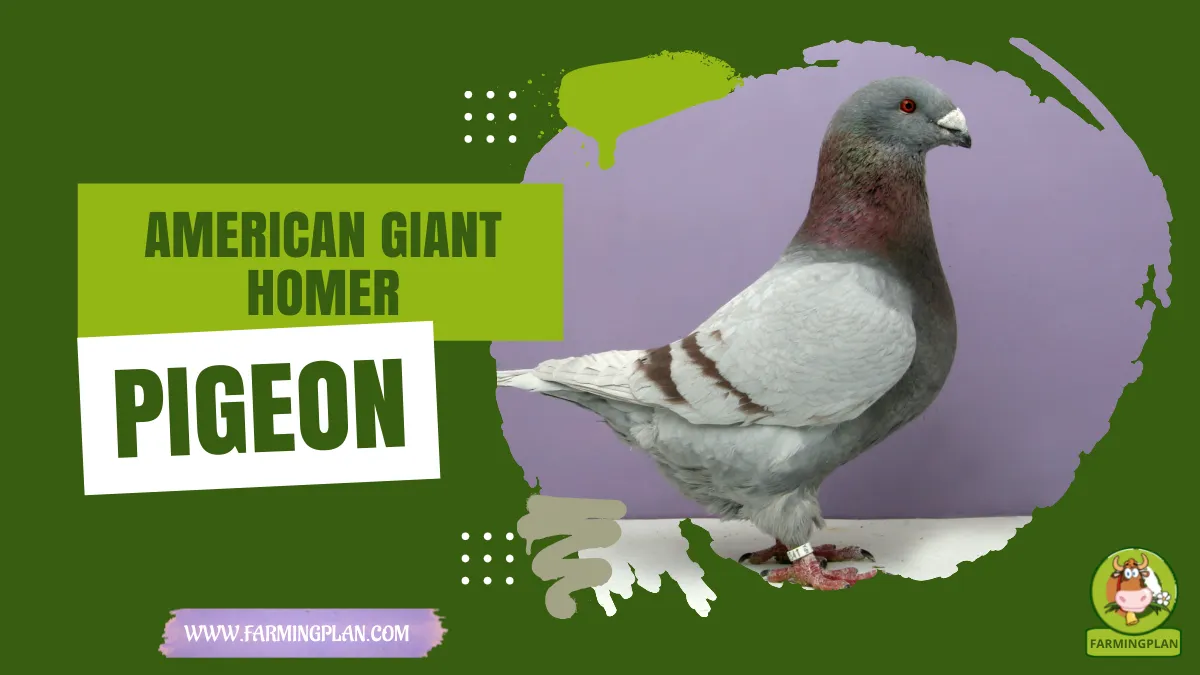
I have spent decades raising birds, and the American Giant Homer pigeon stands out as an absolute favorite in my loft. This grand breed combines bold size, impressive muscles, and a calm posture that catches every visitor’s eye. Originating from Homer-type ancestry and selective breeding with racing homers and the American Giant Runt Pigeon, this bird represents the gold standard of utility and exhibition pigeon sports. Fanciers across the world treasure the American Giant Homer Pigeon for its robust build, broad chest, and excellent health, which stem from its carefully developed homer-type ancestry.
Whether you want a friendly bird for your show cage or a productive bird for squab-production, this majestic breed offers top fertility and stellar parenting ability. In this guide, I will share my hands-on experience, practical advice, and step-by-step tips to help you successfully raise these magnificent birds. When I first brought these birds into my farm, I fell in love with their strong posture and chest width. When you raise the American Giant Homer Pigeon, you quickly notice its gentle temperament, strong fertility, and exceptional parenting abilities, making it a fantastic choice for show halls, utility production, or simply as a wonderful pet.
History & Origin of the American Giant Homer Pigeon
The story behind this magnificent bird begins right here in the United States during the early 20th century. Breeders wanted a heavy bird that retained the sturdy health of racing homers while providing a larger body size for utility meat production. By crossing high-quality homer stocks with heavy breeds like the Giant Runt pigeon, enthusiasts developed a massive yet agile bird. They established the American Giant Homer Association (AGHA) to publish an official American Giant Homer Association Standard, which set strict guidelines for judges in exhibition halls across the nation.
Over the decades, the AHGA expanded its reach, winning over loft owners globally, including European fanciers who standardise the breed as the amerikanische Standard. In my own loft, watching these historical lines develop has been a fascinating journey. Breeders carefully balanced muscle density with sleek feather quality, ensuring the bird did not lose its alertness. Today, whether you look for a Giant Homer pigeon for sale or admire them at agricultural fairs, you see a rich history of passion, careful genetic diversity maintenance, and dedication to excellence.
Read More: Diseases of Sheep: Essential Care Guide
Characteristics of American Giant Homer Pigeon
When you first step up to a show cage, the impressive American giant homer pigeon size catches your attention immediately. A healthy adult bird boasts remarkable broadness, with an average Giant homer pigeon weight reaching 25 to 30 ounces or more. They display strong shoulders, thick legs, a robust beak, prominent wattles, and a distinctive head profile (Kopfprofil) that radiates power. Their tight wing feathers (Flügel) fold neatly over a compact tail (Schwanz), while vibrant eyes look back at you with total confidence. Their feather patterns and colors (Farbe) offer endless variety for color wheel enthusiasts.
Whether you are an experienced breeder or just beginning your journey with this breed, introducing the American Giant Homer Pigeon into your flock will bring immense joy, beauty, and rewarding experience to your daily poultry keeping routine. You can find solid shades alongside striking Almond, Ash Red, and rich Checker patterns. My personal favorite is the Ash Red Checker, as its vibrant wing bars create an unforgettable look on perches. The combination of dense body structures (Körperstrukturen) and silky feather texture keeps these birds warm during winter while maintaining a crisp, eye-catching appearance year-round.
Nature and Temperament of American Giant Homer Pigeon
The American Giant Homer Pigeon offers an interesting combination of large body size, strong structure, attractive colors, exhibition potential, breeding value, and utility history. Despite their massive frame and powerful chest, these birds possess a surprisingly gentle and friendly personality. I always tell new keepers that their peaceful nature makes them ideal for families, beginner breeders, and veteran hobbyists alike. They adjust quickly to human contact, coming right up to your hand for grain once they get used to your daily farm routine. They rarely fight with loft mates, preferring to sit quietly on their favorite perches.
Their calm temperament also makes them easy to handle during judge inspections at show events. Unlike skittish wild pigeons or nervous racing stocks, this breed remains relaxed inside an exhibition cage. They show minimal stress during transport, provided you give them adequate space and ventilation. If you want a tame, easygoing bird that builds a true bond with its keeper, this friendly giant will exceed your expectations every single day.
Food & Diet for American Giant Homer Pigeon
Feeding a heavy bird requires a well-balanced grain blend rich in protein, healthy fats, and essential minerals. Because of their large body size, they need slightly more feed than standard racing homers. I mix high-quality field peas, corn, wheat, sorghum, and safflower seeds to give them balanced energy throughout the season. During the breeding season, I raise the protein content to ensure young squabs grow fast and strong.
Clean water and fresh grit are non-negotiable parts of daily care. Pigeons do not have teeth, so they need insoluble grit to grind grains inside their gizzard. I always keep a box of mineralized grit, crushed oyster shells, and charcoal available inside the loft. Avoid feeding moldy grains, processed bread, or salty snacks, as these cause severe stomach upset and weaken overall immunity. Fresh water must be replaced daily to prevent bacterial contamination.
Usage and Purpose of American Giant Homer Pigeon
Fanciers keep this versatile breed for three main purposes: exhibition, squab-production, and enjoyable pet ownership. As an exhibition pigeon, its striking posture and deep chest width make it a consistent champion in show halls. Fanciers love preparing these birds for AHGA competitions, where judges score them on feather condition, symmetry, and posture. The competitive pricing and Homer pigeon price variation reflect the bird’s pedigree, color rarity, and physical structure.
From a utility perspective, their fast growth rate and large squab weight made them legendary among commercial utility breeders. They produce large, tender squabs efficiently while maintaining great health. For hobbyists who simply want a magnificent backyard bird, their gentle nature makes them wonderful pets. Watching them interact in a well-kept loft brings incredible relaxation after a long day on the farm.
Special Features of American Giant Homer Pigeont
What makes this bird stand out from every other pigeon in the barn? First, their raw physical presence combined with rapid breeding cycles makes them unique. Unlike the massive American Giant Runt Pigeon, which can sometimes struggle with fertility due to extreme weight, this homer-type descendant retains excellent fertility and superb parenting ability. Both parents work together seamlessly to build nest boxes, incubate eggs, and feed their young milk with incredible devotion.
Second, their genetic hardiness protects them from many harsh environmental changes. They handle winter cold exceptionally well when protected from direct drafts. Their strong legs and broad feet easily support their heavy frames without developing sore hocks if given proper wooden perches. Their bold posture, deep chest width, and alert eye expression create an unforgettable silhouette that demands respect from every poultry enthusiast.
Health Issues, Prevention, and Loft Hygiene
Maintaining bird health requires consistent observation and strict loft hygiene. Common avian issues include Canker (Trichomoniasis), Respiratory Infections, Coccidiosis, and external parasites like lice or feather mites. Canker often appears as yellow cheesy buildup inside the mouth or throat, usually spreading through shared drinking water. Keep water troughs clean and sanitize them weekly to stop parasites from spreading through your flock.
Preventive care starts with good airflow and dry bedding. Damp loft conditions create a breeding ground for bacteria and mold. I scrape loft floors regularly, replace dirty nesting material, and apply agricultural lime to damp spots. Vaccinate your flock against PMV-1 (Paramyxovirus) annually, as this viral disease can devastate an un-vaccinated loft. Regular health checks ensure your breeding birds remain strong, vibrant, and ready for breeding season.
Raising Powerful Birds Brings Pure Joy To Every Dedicated Keeper.
Step-by-Step Pet Owner and Farming Guide of American Giant Homer Pigeon
Setting up your farm space properly ensures your flock stays healthy, safe from predators, and eager to reproduce year after year. I encourage you to join a local breeder club, connect with fellow enthusiasts, and experience the joy of raising these magnificent giants firsthand! Taking care of your American Giant Homer Pigeon requires providing a clean, draft-free loft, a nutritious grain mix, fresh water, and mineral grit to support its growth and maintain its beautiful feather quality. American Giant Homer Pigeon guide covering size, weight, colors, diet, care, breeding, health, show standards, and buying tips.
Step 1: Designing and Building the Perfect Loft Space
Building a proper housing structure gives your flock protection against bad weather and keeps predators away. Build your loft with good ventilation near the roof line while keeping the floor completely dry and free from cold ground drafts. Allocate at least four square feet of floor space per pair so these large birds can move around without stress. Install sturdy wooden perches across the walls at different heights, making sure they are wide enough for heavy feet. Use solid wire mesh on windows to keep out rats, raccoons, and wild birds.
Step 2: Setting Up Nest Boxes and Breeding Equipment
Preparing comfortable nest boxes encourages successful breeding and healthy egg production. Build nest boxes measuring at least fifteen inches high, eighteen inches wide, and eighteen inches deep to fit two adult birds comfortably. Place two plastic or wooden nest bowls inside each box so the parents can lay a new clutch of eggs while still feeding older squabs. Line the nest bowls with clean pine shavings, tobacco stems, or carpet pads to keep eggs warm and prevent leg splay in young chicks. Clean out old nest material between clutches to maintain peak hygiene.
Step 3: Selecting Quality Breeding Stock
Starting with healthy, high-quality birds saves you time, money, and frustration down the road. Purchase your birds from reputable breeders or established AHGA members who maintain clear record books. Look for active birds with bright eyes, tight feathers, clean vent areas, and broad chest posture. Avoid birds showing signs of lethargy, nasal discharge, or crooked breastbones. Starting with two or three well-matched pairs of young adult birds lets you build strong genetic diversity while learning the unique habits of your flock.
Step 4: Mastering Daily Feeding and Watering Routines
Consistent daily care builds trust with your birds while maintaining optimal health and body weight. Feed your flock twice daily at set times, offering an amount of grain mix they can finish completely within twenty minutes. Use enclosed feed hoppers to keep grain clean and dry from droppings or rain. Provide clean, fresh water daily in raised drinkers elevated off the floor to prevent contamination. Clean drinking containers thoroughly every few days using hot water and animal-safe disinfectant to keep your flock thriving.
Step 5: Egg Laying, Incubation, and Squab Care
Supporting your birds during incubation and squab rearing ensures high survival rates for young chicks. Female pigeons lay two eggs per clutch, sitting on them alternately with the male for an eighteen-day incubation period. Avoid disturbing brooding parents unnecessarily during this delicate time. Once eggs hatch, both parents feed the squabs crop milk for the first week before transitioning to softened grains. Ensure breeding pairs have constant access to high-protein grains, fresh grit, and clean water during this intensive growth phase.
Step 6: Routine Grooming, Parasite Control, and Show Prep
Keeping your flock clean and parasite-free maintains visual appeal and overall physical vigor. Offer your birds a shallow bath pan filled with clean water twice weekly, adding a pinch of bath salts to keep feathers silky. Inspect wing feathers, legs, and beaks monthly for signs of external lice or mites, applying approved dusting powders when necessary. Trim overgrown beaks or toe nails carefully with small clippers if needed. For show prep, place candidate birds in individual show cages periodically so they become accustomed to handling and judging setups.
Read More: American Leopard Hound Dog: Amazing Breed Guide
Expert Tips and Best Practices for Breeders of American Giant Homer Pigeon
- Keep detailed breeding logs tracking pair matches, egg hatch dates, band numbers, and color patterns.
- Maintain strict genetic diversity by introducing un-related show stock every few generations.
- Provide elevated perches to keep tail feathers clean and free from droppings.
- Use deep wooden nest bowls to prevent eggs from rolling out and breaking.
- Add fresh apple cider vinegar to drinking water once a week to maintain gut health.
- Quarantine new birds for at least thirty days before mixing them into your main loft.
- Keep grit hoppers full at all times, especially during the heavy breeding season.
- Clean and disinfect all feed troughs weekly to prevent disease transmission.
FAQs
What is the average size and weight of this breed?
Adult birds usually weigh between 25 and 30 ounces, with cock birds often reaching even heavier weights. They feature a tall, compact posture with broad shoulders and a deep chest width. Their impressive size makes them one of the largest homer-type pigeons available today.
How much does a breeding pair usually cost?
Prices vary based on color rarity, show awards, and pedigree quality. Standard utility birds often cost between forty and eighty dollars per pair. High-quality show stock from champion AHGA lines can range from one hundred to three hundred dollars per pair.
Can these pigeons fly well like racing homers?
While descended from racing homers, their heavy muscle mass and broad body size limit long-distance flight. They fly comfortably around their home loft for exercise and daily fun. However, fanciers do not use them for competitive long-distance races due to their weight.
What size nest boxes do these birds need?
Because of their broad bodies, give them nest boxes measuring at least 15 inches high by 18 inches wide and deep. Using dual nest bowls inside each box gives parents enough space for new eggs while rearing squabs. Proper sizing prevents overcrowding and accidental egg breakage.
Are these birds suitable for beginner keepers?
Yes, their calm nature, strong disease resistance, and excellent parenting skills make them great for beginners. They tame down quickly with regular hand feeding and require standard pigeon care. As long as you provide a clean, dry loft, they will thrive easily.
Conclusion
The American Giant Homer Pigeon is a remarkable bird that stands out as a true champion in any loft, combining incredible size, impressive muscle density, and a proud posture. Raising these impressive birds brings deep satisfaction, colorful diversity, and fun to your farm or backyard loft. From their rich history and strong muscular build to their gentle nature and excellent parenting skills, they stand out as a top-tier breed for show enthusiasts, utility keepers, and hobbyists alike. Setting up a dry loft, offering clean grains, and following a steady routine will ensure your flock flourishes for years to come. Share your thoughts or questions in the comments below, or pass this guide along to your fellow bird lovers today!