Are you ready to transform your homestead with the incredible Celle goose? As an experienced farming specialist, I have fallen completely in love with these rare, colorful European farm geese over the years. My journey with waterfowl has taken me through raising everything from massive Toulouse geese and elegant Embden giants to active Chinese geese. Yet, nothing quite matches the charm of this unique variety hailing from Lower Saxony, Germany. I want to share my practical knowledge to help you succeed with this beautiful bird, whether you are a seasoned breeder or a curious hobbyist.
We will explore their wonderful traits, check out some related waterfowl like the Swedish goose, and learn how to keep your flock healthy and happy. Let us dive into the ultimate guide to managing these fantastic birds on your green pasture! Please leave a comment below sharing your own waterfowl stories, or share this helpful guide with your fellow poultry-loving friends today!
History & Origin of Celle Goose
I remember the first time I read about the regional utility role of traditional European waterfowl in old poultry catalogs. The Celle goose officially emerged in Germany during the early 20th century, specifically around the Hanover and Lower Saxony regions. Local farmers wanted a hardy, resourceful bird that could forage on rough pasture and provide excellent meat and feathers. Unlike the heavy Dewlap Toulouse or the industrial Embden geese, this breed kept a leaner, more practical body type. They grew out of a mix of local landrace geese and the classic Gray Lag goose stock, built specifically to thrive in chilly northern climates.
How This Clever Utility Bird Conquered European Farms
As I traced their lineage back through historical records from the Food and Agriculture Organization of the United Nations (FAO), I found amazing stories. These birds played a major part in rural German economies, acting as reliable weeders and excellent egg producers. While countries like France perfected the Toulouse for luxury markets, German smallholders focused on self-sufficiency. The British Waterfowl Association and The American Standard of Perfection eventual records show how enthusiasts preserved these distinct lines. They made sure the birds did not vanish when commercial, fast-growing hybrids started dominating the modern poultry industry.
Conservation Efforts To Save An Endangered Treasure
Today, these beautiful birds face a real threat of extinction, placing them high on the watchlists of organizations like the Livestock Conservancy. I work closely with conservation breeding plans to ensure we do not lose their unique genetics to history. Many dedicated hobbyists use microgrants to build secure housing and expand small breeding groups across North America and Europe. Every time you buy authentic Celle goose eggs or choose a color-sexing goose for your farm, you help protect a living piece of agricultural history.
Reads More: American Eskimo Dog: Brilliant Fluffy Companions
Characteristics of Celle Goose
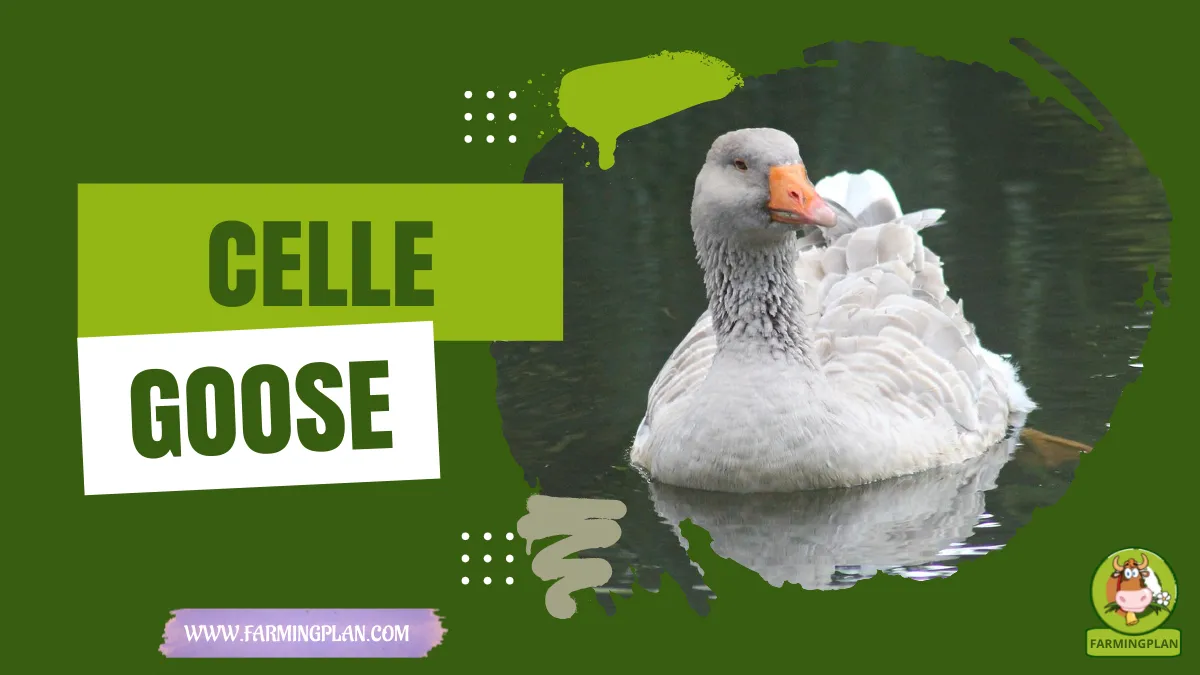
What makes this bird stand out in a crowded poultry yard full of African geese or Pilgrim Geese? The answer lies in their status as an auto-sexing goose, which means you can tell the boys from the girls by their plumage color right at hatch! When my Toulouse goslings or unsexed chicks hatch, I usually have to wait months or use vent-sexing to know their gender. With this brilliant German breed, the male gander grows up with crisp white plumage, while the female goose sports beautiful lavender-brown or saddleback patterns. This color-sexing goose trait saves a lot of time for busy farmers who want to sort their flock early in the season.
Body Shapes Weights And Unique Features
When you look closely at their physical build, you will notice they lack the heavy dewlap seen on a Dewlap Toulouse or an African Celle Goose. They have a sleek, elegant head, a strong beak, and a medium-sized frame that supports excellent mobility. They do not possess a prominent knob like Chinese geese, nor do they look like a goose with wattle features. Instead, they show off a smooth, clean throat line and a well-rounded breast that meets standard weights perfectly. Their eyes are bright and alert, reflecting a healthy, active metabolism that keeps them moving swiftly across your land.
Nature/Temperament of Celle Goose
I have raised many different waterfowl breeds, and I can tell you that temperament makes a huge difference in your daily routine. Some birds, like certain lines of Brown African Geese or large male swans, can display intense territorial behaviors during the breeding season. The Celle goose strikes a wonderful balance by being highly alert without showing unnecessary aggression. My birds know me well; they greet me with a moderate, musical honking rather than the piercing shrieks of Brown Chinese varieties. They exhibit a calm, curious nature that makes them absolutely delightful companions for daily farm walks.
Excellent Guarding Skills Without Total Chaos
Do not mistake their friendly attitude for weakness, because these birds possess top-notch guarding skills. The ganders keep a watchful eye on the sky and the fence line, looking out for hawks, foxes, or stray dogs. If a stranger approaches my townhouse pasture, the entire gaggle sounds a clear, rhythmic alarm to let me know. They integrate peacefully with other backyard poultry like chickens and ducks, rarely instigating fights over feed bowls. Their balanced behavior makes them a safe choice for families with children, provided you respect their space during spring nesting.
Food & Diet of Celle Goose
Feeding your flock correctly is the secret to achieving great hatchability, strong bones, and beautiful, glossy feathers. These birds are natural herbivores that love nothing more than spending their day grazing on a fresh, pesticide-free pasture. I manage my fields so they can harvest young, tender grasses, dandelion greens, and wild clovers all day long. If your pasture quality drops during dry summer months, you must supplement their diet with high-quality waterfowl pellets. Avoid feeding them cheap chicken feeds that contain medications, as these can easily harm young goslings.
Essential Nutrients Vitamins And Clean Water Habits
To maintain a healthy flock, I always provide plenty of grit and oyster shells in separate feeders to assist their digestion and eggshell quality. During the cold winter months, I supplement their diet with whole grains, wheat, and occasional treats like chopped cabbage or watermelons. Never feed your birds moldy grain, processed bread, or junk food, because these items cause digestive blockages and a wing deformity known as angel wing. Always ensure they have access to deep water troughs so they can submerge their entire heads to clean their sensitive nostrils.
Always Provide Clean Water For Bathing And Deep Containers For Washing Out Beaks To Keep Your Geese Healthy!
Usage/Purpose of Celle Goose
In my years running a diverse farm, I have used the Celle goose for multiple practical purposes. They excel wonderfully as weeder geese, systematically clearing out unwanted grass from berry patches and orchards without damaging the main crops. Their medium market weight makes them a fantastic choice for sustainable, small-scale meat production for local families. They offer a delicious, traditional roasting bird without the excessive, greasy fat layers found on a massive Maxima Strain or standard Embden. They truly represent the ideal dual-purpose homestead bird.
Beautiful Feathers Show Potentials And Genetic Conservation
Beyond the dinner table, these birds provide luxurious, insulating down feathers that I use for making high-quality pillows and winter quilts. Their striking, sexually dimorphic plumage makes them a massive hit at local agricultural fairs, poultry exhibitions, and European style geese shows. By maintaining a clean breeding line, you can sell premium Celle goose eggs and unsexed starter pairs to other conservationists. This dual success supports your farm financially while actively rescuing an endangered livestock breed from disappearing forever.
Special Features of Celle Goose
The absolute crown jewel feature of the Celle goose is its reliable, built-in genetic color-sexing mechanism. I never have to guess the sex of my birds or hire an expert to vent-sex fragile day-old hatchlings in the spring. The moment they dry off inside the incubator, the distinct down patterns tell me exactly how many ganders and hens I have. This makes planning my flock layout, setting aside sales pairs, and managing future breeding pens incredibly simple and stress-free.
Incredible Climate Resilience And Foraging Stamina
Another fantastic trait is their rugged physical resilience against extreme weather variations, from hot Texas summers to freezing northern winds. They have tight, water-repellent feathers and strong legs that allow them to forage over long distances without getting tired. Unlike heavy meat breeds that sit by the feeder all day, these birds actively hunt for bugs, weeds, and fallen seeds. Their efficient metabolism means you will save a lot of money on commercial feed bills while enjoying a pristine, well-mown property.
Health Issues & Prevention of Celle Goose
While these birds are incredibly hardy, they can still fall victim to parasites, respiratory infections, and unexpected physical injuries. I regularly check my gaggle for signs of external pests like mites and lice, which hide deep inside their thick down feathers. Internal worms can cause sudden weight loss and poor egg production, so I perform annual flock deworming routines using waterfowl-safe treatments. Keep an eye out for limping, which often points to a minor foot injury or a bacterial infection known as bumblefoot.
Creating A Safe Haven Free From Disease
Prevention beats treatment every single time, so I maintain strict biosecurity rules on my property to keep diseases away. I scrub out all water troughs daily and rotate my feeding stations to prevent muddy, bacteria-filled puddles from forming. My secure housing features thick layers of dry, clean straw bedding that I change out regularly to stop harmful mold spores. I also protect my birds from dangerous chemical runoff and ensure they never ingest old, rusty nails or loose fencing wire.
Step-by-Step Farming Guide/Pet Owner Care Guide
Setting Up For Total Success On The Homestead
Starting your journey with this rare German breed requires careful preparation, the right equipment, and a solid understanding of basic waterfowl needs. I always tell beginners that investing time into a proper setup saves you from massive headaches and predator losses down the road. You need to consider fencing, shelter size, water access, and daily routine management before your birds arrive at your property. Let us walk through my proven, practical steps to establish a thriving, happy flock that will bring joy to your farm for many years.
Step 1: Designing Safe Fencing Solutions
I start by installing a robust perimeter fence that stands at least four to five feet high to keep out wandering predators. Use heavy-gauge woven wire or hardware cloth along the bottom edges to stop sneaky raccoons and foxes from digging their way inside. These geese do not fly high, but a sturdy fence keeps them contained safely within their designated grazing pastures. I always double-check the gates for secure latches, ensuring no clever gander can figure out how to nudge them open.
Step 2: Building A Dry Predator-Proof House
Next, I construct a well-ventilated, predator-proof shelter that provides at least four square feet of floor space for every individual bird. I use solid wood floors covered in thick, absorbent wood shavings or clean agricultural straw to keep their webbed feet completely dry. The doors must lock securely with predator-proof latches to protect your valuable investment from nocturnal hunters like owls, coyotes, and bobcats. Avoid drafty windows at floor level, but keep high vents open to allow moisture and ammonia fumes to escape freely.
Step 3: Providing Fresh Clean Water For Bathing
You must set up a dedicated water station that allows your birds to bathe, splash, and keep their gorgeous feathers in peak condition. I use large, heavy-duty plastic kiddie pools or shallow agricultural stock tanks that I can easily tip over and rinse out daily. Ensure the birds can climb into and out of the water safely by placing non-slip ramps or wide stepping stones along the edges. Clean bathing water is absolutely vital for their eye health, feather maintenance, and overall mental happiness.
Step 4: Establishing A Smart Pasture Rotation Routine
I divide my grazing land into smaller, manageable paddocks so I can rotate my gaggle every one to two weeks regularly. This clever practice gives the grass plenty of time to regrow, prevents mud holes, and naturally breaks the life cycles of internal parasites. I clip the pasture grass to a height of three inches before moving the birds in, as they prefer tender, young green shoots. This rotation strategy ensures your birds get optimal nutrition from the land while keeping your property looking beautiful and tidy.
Step 5: Master Daily Care Inspections and Gathering Eggs
Every single morning, I open up the goose house, change out the water, and perform a quick visual health check on each bird. Look for bright eyes, clean nostrils, and an active, upright posture as they march happily out onto the green field. Collect fresh eggs daily during the spring season, storing them carefully in a cool, dark room if you plan to incubate them. Spend a few quiet minutes sitting near your flock every evening to build deep trust, making them incredibly easy to handle.
Reads More: Rangeland Goat Success Secrets Revealed
Expert Tips & Best Practices of Celle Goose
Pro Secrets For Raising High-Quality Waterfowl
- Invest in Top Genetics: Always buy your foundation stock or hatching eggs from reputable breeders registered with major waterfowl associations.
- Boost Hatchability Rates: Keep your incubator humidity levels stable and turn your eggs manually five times a day if your machine lacks an auto-turner.
- Prevent Angel Wing Deformities: Avoid overfeeding high-protein chick starters to young growing goslings; transition them quickly to fresh green pasture grazing.
- Create Deep Nesting Boxes: Provide large, cozy wooden boxes on the floor stuffed with clean straw to encourage your geese to lay in safe spots.
- Use Geese as Natural Weeders: Section off your mature berry rows and let your birds clear out the invasive grasses safely without using toxic chemical sprays.
- Keep Group Sizes Balanced: Maintain a healthy breeding ratio of one robust gander to three or four productive female geese for maximum egg fertility.
FAQs
Can I raise a Celle goose alongside my backyard chickens?
Yes, you can easily raise them together on the same homestead pasture. You just need to provide separate feeding stations so the geese do not consume medicated chicken feed.
How loud is the Celle goose compared to Chinese geese?
They are significantly quieter and much less prone to constant shrieking than Chinese breeds. They only sound their musical honk when a stranger or a potential predator enters your property.
How can I tell the sex of a day-old Celle gosling?
This incredible breed is completely auto-sexing right at hatch. The male goslings display lighter down colors, while the female chicks show distinct darker, saddleback patterns immediately.
Do these geese require a large farm pond to survive?
No, they do not need a massive open pond to stay healthy and reproduce successfully. A simple, clean backyard plastic kiddie pool changed daily provides plenty of water for their bathing needs.
Where can I find authentic Celle goose eggs for sale?
You can find them by contacting specialized heritage waterfowl breeders through the Livestock Conservancy website. Many enthusiasts sell premium hatching eggs during the spring breeding season.
Conclusion
Raising the magnificent Celle goose has been one of the most rewarding experiences of my entire farming career. These beautiful, auto-sexing German birds bring unparalleled utility, reliable predator awareness, and efficient weeding skills directly to your homestead. By following my practical advice on secure housing, fresh pasture rotation, and proper nutrition, you can build a thriving flock that preserves vital agricultural history. Their friendly temperaments and striking appearance make them a spectacular addition to any small farm, townhouse pasture, or backyard breeding project. If you want a hardy, self-sufficient waterfowl variety that truly earns its keep, look no further than this European treasure.