I have spent over fifteen years working hands-on with various poultry breeds, and I can tell you that the Cari Gold chicken is a absolute standout for any backyard poultry farming enthusiast. Developed by premier ICAR institutes like the ICAR-Central Avian Research Institute, this dual-purpose bird combines native hardiness with exceptional production characteristics. Whether you want a steady supply of large eggs or high-quality meat, this golden-feathered chicken delivers brilliant results even under low-input backyard conditions. In this guide, I will walk you through everything you need to know about history, temperament, diet, disease tolerance, and step-by-step management to run a thriving flock.
History & Origin of Cari Gold Chicken
The story of the Cari Gold chicken links directly to modern agricultural science in India. Research teams created this hybrid line to help small-scale farmers and rural poultry owners get high yields without heavy industrial setups. By combining robust indigenous chicken stock with high-yielding exotic breeds like the Rhode Island Red and synthetic lines, scientists created a bird tailored for tropical climates and semi-arid ecosystem challenges.
Over the years, genetic preservation and careful breeding programs at central avian research facilities perfected this bird’s stamina, bright plumage color, and disease resistance. Today, CARI varieties like CARI Debendra, CARI Sonali, and CARI-NIRBHEEK stand out across India for converting basic forage into top-quality protein. It takes some time and patience, but with proper planning, the rewards can be well worth the effort. The key is to properly evaluate your own needs and resources before diving into this venture. Know what it involves, how to incubate and hatch the chicks, and how to care for them afterward.
Read More: Aswad Goat Breed Care Guide For Passionate Farmers
Characteristics of Cari Gold Chicken
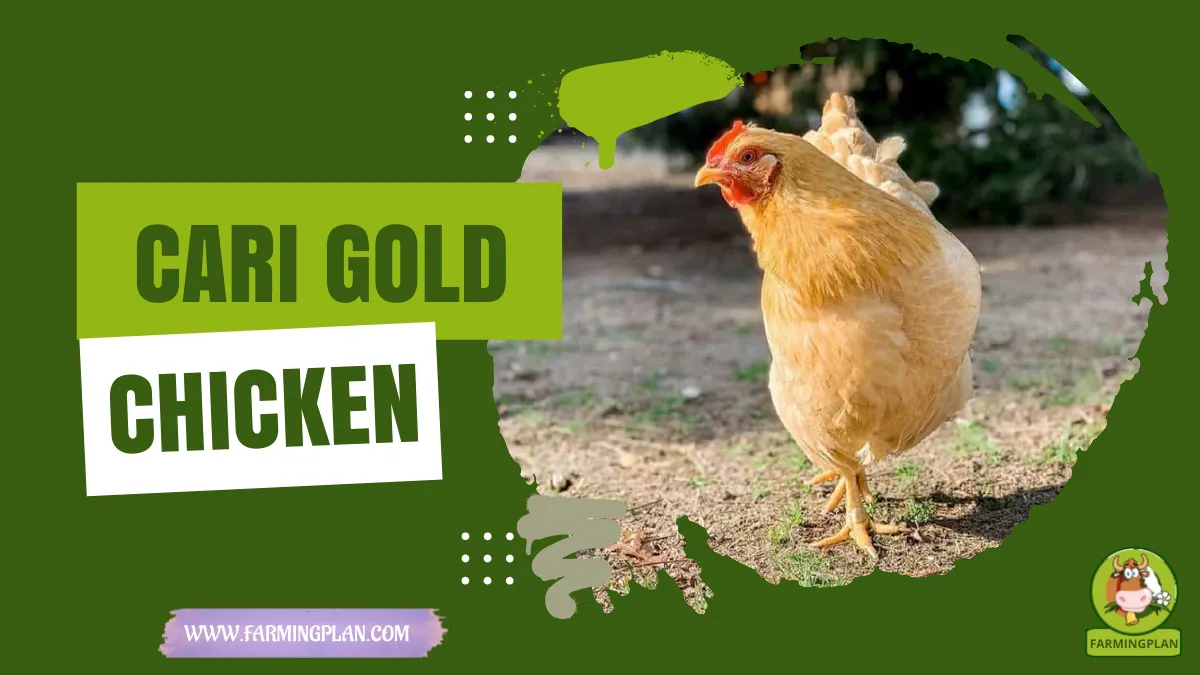
The Cari Gold chicken catches your eye immediately with its striking golden-brown plumage. It is a medium-sized dual-purpose bird built with a firm, well-muscled frame that holds up well in outdoor environments.
| Trait | Description |
| Plumage | Rich golden-brown feathers with bright luster |
| Comb Types | Mostly single comb, occasionally pea comb variations |
| Body Weight | Males reach 2.5–3.0 kg; Females average 1.8–2.2 kg |
| Egg Color | Tinted to pale brown eggs |
| Shanks & Beak | Yellow or gray shanks with a strong, curved beak |
Unlike delicate exotic breeds, the Cari Gold chicken carries thick feather cover that guards against heat stress and rain. They feature high meat dress percentages with low abdominal fat, making their meat lean, savory, and popular with local consumers.
Nature and Temperament Details
From my time in the chicken yard, I can confirm that Cari Gold chickens possess a wonderfully calm yet active temperament. They are alert enough to avoid aerial predators, yet gentle enough to handle easily during routine health checks. All in all, Cari Gold chicken farming is a great way to make an income that can supplement your day-to-day life.
- Social Behavior: They integrate smoothly into mixed-breed flocks without severe pecking order battles.
- Foraging Instinct: Strong, natural instincts drive them to scratch for seeds, insects, and greens all day long.
- Adaptability: They stay content in open-range backyard poultry setups as well as confined stall feeding coops.
Food and Diet Requirements
A balanced feed conversion strategy keeps your Cari Gold flock laying well and gaining healthy weight. Though they excel at scavenging, supplying structured feed pays off quickly in egg size and body weight gains.
Essential Nutrition Guidelines
- Starter Phase (0–8 Weeks): Feed a chick starter mash containing 20–22% crude protein for strong bone growth.
- Grower Phase (9–18 Weeks): Transition to a grower feed with 16–18% crude protein to build muscle cleanly.
- Layer Phase (19+ Weeks): Switch to a layer mash with 16% protein plus 3.5% calcium for thick eggshells.
Pro Tip: Never feed stale or moldy grain. Always provide fresh, clean water mixed with vitamins during hot afternoons to prevent heat exhaustion.
Primary Usage and Purpose
The Cari Gold chicken shines as a classic dual-purpose bird designed for high economic returns. Farmers raise them for both high egg production and tender meat yields. They lay 190 to 220 eggs per year under standard backyard farming conditions. At the same time, cull birds and surplus males offer excellent market value as desi chicken meat alternatives.
Special Features and Strengths
- High Disease Tolerance: Strong natural immunity protects them against common tropical pathogens.
- Great Climate Hardiness: Thrives in hot, humid, or semi-arid ecosystems without severe loss in egg production.
- Low Abdominal Fat: Delivers lean, high-protein meat preferred by health-conscious buyers.
- Efficient Feed Conversion: Produces more eggs and meat per kilogram of feed than traditional indigenous lines.
Health Issues & Prevention Tips
Even though Cari Gold chickens are exceptionally hardy, bad coop sanitation can still cause health issues. You must guard your flock against Newcastle Disease (Ranikhet), Marek’s Disease, Fowl Pox, and Coccidiosis. Keep your chicken yard dry, spray mild disinfectants monthly, and quarantine new birds for two weeks before introducing them to your main flock.
“True Farming Success Begins With Healthy Stock, Quality Feed, and Unmatched Passion.”
Step-by-Step Cari Gold Farming Guide
Starting a Cari Gold flock requires simple planning, clean facilities, and steady care. Follow these six practical steps to build a healthy, profitable farm.
Step 1: Coop Preparation and Setup
Build a shelter that provides 2 square feet of floor space per adult bird inside, plus 8 to 10 square feet in an outdoor run. Ensure good cross-ventilation while keeping rain and cold drafts out. Spread 3 to 4 inches of dry rice husks or wood shavings on the floor for clean bedding.
Step 2: Chick Brooding Management
When your day-old chicks arrive, place them in a clean brooding area equipped with heat lamps. Maintain the temperature at 95°F (35°C) for the first week, reducing it by 5°F each week until they fully feather out. Offer warm electrolyte water before introducing starter feed.
Step 3: Feeding and Watering Routines
Set up automatic tube feeders and hanging bell drinkers to keep food and water clean. Clean and refill water troughs every morning. Supply fresh greens like alfalfa or cabbage leaves to encourage natural foraging behavior and keep birds active.
Step 4: Vaccination and Health Monitoring
Stick to a strict vaccination schedule starting with Marek’s on Day 1, followed by Newcastle (F1/Lasota) in week 1, and IBD in week 2. Deworm your free-range birds every three months to prevent internal parasite build-up.
Step 5: Free-Range and Exercise Care
Allow your birds outdoors once the sun warms up the yard. Secure the perimeter with predator-proof wire mesh to protect against wild dogs and birds of prey. Provide dust bath boxes filled with wood ash and dry soil to control lice naturally.
Step 6: Egg Collection and Flock Maintenance
Install dark, clean nest boxes filled with soft straw at a ratio of one box per four hens. Collect eggs twice daily—once at mid-morning and again in late afternoon—to keep them clean and prevent egg breakage.
Read More: Ocicat Cat Magic: Love This Stunning Spotted Pet
Expert Tips & Best Practices
- Clean Water First: Refresh drinking water twice a day; dirty water cuts egg production faster than low feed.
- Use Calcium Supplements: Mix crushed oystershell or limestone into layer feed to prevent thin eggshells.
- Control Coop Moisture: Turn the floor litter twice weekly to keep it dry and stop ammonia gas build-up.
- Offer Shade: Plant shade trees or hang shade nets across your run to protect birds during hot afternoons.
- Keep Good Records: Track daily feed intake, egg counts, and bird health to catch problems early.
FAQs
What is the average egg production of a Cari Gold chicken?
A well-managed Cari Gold hen lays between 190 and 220 tinted brown eggs every year. Production usually peaks around 26 to 30 weeks of age when you feed a quality layer diet.
Are Cari Gold chickens suitable for free-range backyard farming?
Yes, Cari Gold chickens excel in free-range and backyard setups. They are active foragers that hunt down insects and seeds, which helps lower your overall feed costs.
How do I identify a true Cari Gold chicken?
Look for bright golden-brown feathers, a strong single or pea comb, yellow or gray shanks, and a well-muscled frame. Males display a proud, alert posture with rich golden hackle feathers.
What is the ideal market weight for Cari Gold roosters?
Cari Gold roosters reach a solid market weight of 2.5 to 3.0 kg in 16 to 20 weeks. Their meat is lean with low abdominal fat, making it very popular in local markets.
Where can I buy authentic Cari Gold chicks?
You can source genuine Cari Gold chicks directly from ICAR-Central Avian Research Institute centers, government poultry hatcheries, and certified breeding partners. Always verify hatchery credentials to ensure pure, healthy stock.
Conclusion
Raising Cari Gold chickens is a rewarding, profitable choice for backyards and small farms alike. Their excellent egg production, lean meat, natural hardiness, and easygoing nature make them a top dual-purpose breed. With clean housing, balanced nutrition, and timely vaccinations, your flock will thrive and deliver steady returns year-round. Give Cari Gold farming a try today, share your farming experiences with fellow keepers, and leave a comment below to join the conversation! With the right kind of knowledge and committed effort, you can successfully become part of this burgeoning industry and reap fantastic benefits in the long run. Thanks for keeping up with us as we covered everything that you need to know about Cari Gold Chicken Farming!