
The Baladi Black rabbit stands out as an extraordinary landrace developed over decades in the warm regions of Egypt. I remember the exact day I introduced this hardy breed to my homestead, and its remarkable adaptability instantly blew me away. Local Egyptian farmers carefully selected these animals to build a stock that withstands scorching weather, common local diseases, and shifting farm environments.
Today, agricultural experts celebrate this animal as a vital part of Mediterranean biodiversity and animal genetic resources. Unlike fragile foreign commercial lines, this native breed thrives on local forage while consistently producing healthy litters for local smallholders. These early efforts focused on boosting local meat production while keeping the legendary heat tolerance of native stock fully intact.
History & Origin of Baladi Black rabbit
Understanding where this animal comes from helps you appreciate its rare strengths in the barn today. Decades ago, researchers and local smallholders across rural Egypt worked tirelessly to create superior local lines. They crossed local Egyptian rabbit stocks, including native Gabali Rabbit populations, with select imported lines like the Black Polish rabbit and the Bauscat rabbit. Researchers documented these pioneer breeding programs in classic agricultural archives published by CIHEAM Zaragoza and Options Méditerranéennes.
Over many decades, this continuous selective breeding stabilized a highly resilient animal perfectly tailored to warm Egyptian climate zones. Today, institutions like the Food and Agriculture Organization recognize these animals among key rabbit genetic resources across the Mediterranean basin. Organizations like Slow Food have even recognized rare local populations in their global Ark of Taste catalog to preserve traditional livestock heritage. When you raise these animals today, you directly help preserve decades of careful breeding history and secure agricultural genetic variation for future farmers.
Read More: Alaskan Malamute Dog: Complete Care Guide
Characteristics of Baladi Black rabbit
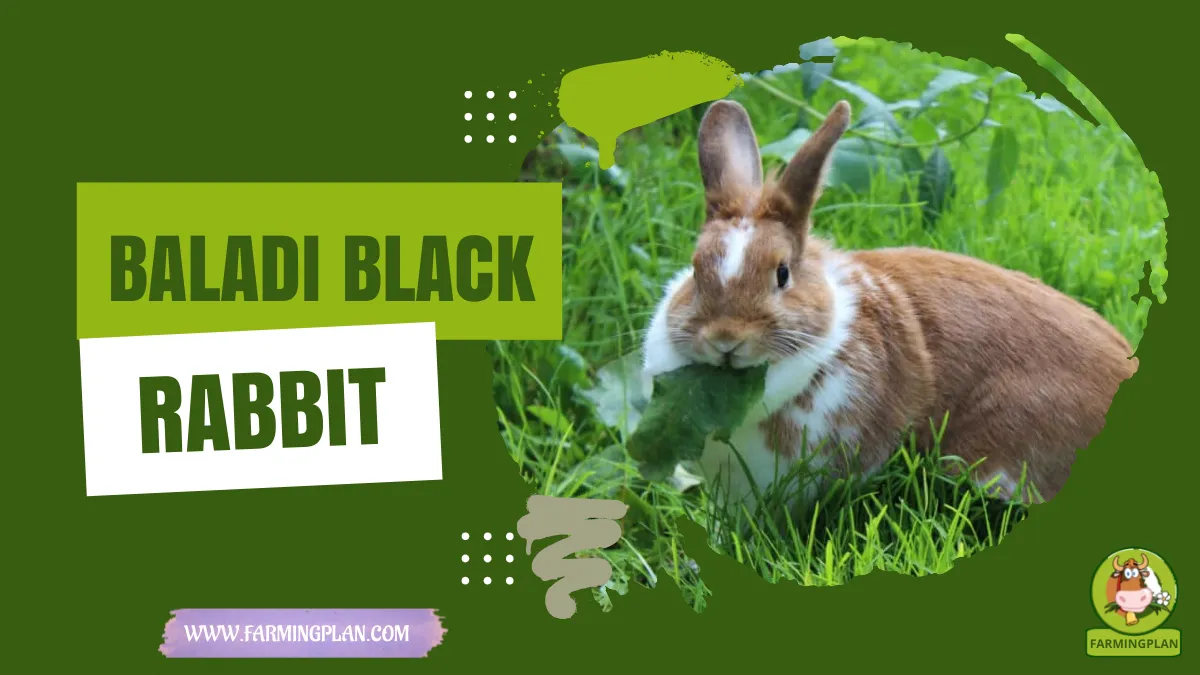
When you walk into my barn, you can spot these impressive animals right away by their distinct physical traits. The coat presents a deep, solid black color that shines bright under healthy farm conditions, though subtle genetic variations can occasionally introduce tiny white patches on the chest or paws. Their compact bodies display strong bone structure and dense muscle distribution across the hindquarters. Adult bucks and does usually weigh between 2.5 and 3.5 kilograms, making them medium-sized animals that manage space efficiently while maintaining high growth rate metrics.
Beyond their stunning black fur, their structural build shows amazing adaptation to warm outdoor setups. They possess wide, expressive dark eyes and upright ears that effectively dissipate internal heat during sweltering summers. Scientists studying the Melanocortin 4 receptor (MC4R gene) and specific single nucleotide polymorphisms (SNP groups) have uncovered interesting genetic markers linked to these unique coat colors and growth traits. Their tough paws naturally resist sore hocks, and their resilient digestive tracts handle fibrous local plants far better than standard delicate commercial strains.
Nature, Temperament, and Handler Personality Fit of Baladi Black rabbit
Working with these animals every day brings immense joy because their active temperaments make barn chores easy. I find these animals alert, curious, and remarkably confident whenever I enter their enclosures for feeding time or health checks. While commercial lines often panic at sudden farm noises, this native stock stays calm and composed under routine farm movement. Their steady nerves make them ideal for beginner farmers, busy homesteaders, and youth livestock enthusiasts who want an easy-handling animal.
Their calm behavior directly improves overall herd success and daily farm efficiency. Does demonstrate superb mothering instincts, nursing their newborn kits attentively without getting nervous or skittish. Bucks remain manageable and friendly during routine health checks, reducing handling stress for everyone involved. If you treat them with gentle, consistent care from an early age, these animals quickly learn to trust you, greeting you eagerly whenever you bring fresh green treats into the rabbitry.
Proper Food, Daily Diet, and Essential Nutrition Rules of Baladi Black rabbit
A balanced diet keeps your herd energetic, resilient, and ready for efficient meat production throughout the year. In my feeding system, fresh Berseem clover (Egyptian clover) serves as the primary seasonal green forage, giving the animals natural vitamins, vital minerals, and high-quality protein. During warm summer months when fresh clover grows sparse, I supplement their diet with Darawa (fodder maize) and fresh Corchorus olitorius, commonly known as Molokheyyah or Nuta jute. Always dry fresh greens slightly before feeding to prevent severe bloat and gut issues.
To maximize feed conversion ratio efficiency, I combine high-fiber roughage with a balanced commercial pellet feed formulation. Pay close attention to daily feed intake, ensuring growing kits receive sufficient crude protein for optimal daily body weight gain. Clean, cool water must remain available every second of the day, as dehydration instantly drops daily feed conversion and triggers heat exhaustion. Never feed moldy hay, wet clippings, or sudden diet changes, because stable gut microflora keeps this hardy breed thriving.
Usage and Homestead Purpose of Baladi Black rabbit
Farmers value this native animal because it fulfills multiple practical roles on modern self-sufficient homesteads. Primary farm goals focus heavily on lean meat production, as their carcass traits and carcass measurements yield high-quality, tender meat with excellent flavor profiles. Compared to larger commercial strains like the V-line or Faiyum Breeds, this local stock produces fine-grained meat while consuming lower amounts of high-cost commercial grain concentrates.
Beyond meat yield, these animals serve as superb foundation stock for low-input agricultural setups and small-scale livestock operations. Their high litter size at weaning ensures steady herd expansion and reliable income streams for smallholder farmers. Their manure creates rich organic fertilizer for home gardens, transforming waste hay and forage into valuable plant food. Whether you run a backyard homestead or a dedicated breeding farm, this animal delivers exceptional versatility and economic returns.
Special Features of Baladi Black rabbit
The true magic of this animal lies in its deep genetic potential and robust physiological adaptations. Genetic researchers like Maher Hassab Elnabi Khalil have extensively documented how local Mediterranean strains maintain superior metabolic efficiency under harsh conditions. Genetic sequencing studies highlighting the growth hormone (GH1) gene reveal unique markers that help these animals digest tough, high-fiber forage efficiently while building solid lean muscle mass.
Their remarkable ability to maintain high body weight during hot summer periods sets them apart from sensitive foreign breeds. They show high natural immunity against common skin parasites and digestive upsets that often devastate less adapted farm stock. Their sturdy feet easily tolerate wire-floored or slatted housing systems without developing painful foot sores. These built-in survival traits lower your veterinary expenses and simplify daily management tasks across every season.
Health Issues, Symptoms, and Prevention Strategies of Baladi Black rabbit
Even the hardiest farm animals require attentive care to protect them from preventable health problems. Heat exhaustion represents the biggest threat during scorching summer months, showing clear symptoms like fast panting, drooling, lethargy, and dark red ears. I fight heat stress by hanging frozen water bottles inside cages and installing shade cloths across open barn windows. Keep housing dry and well-ventilated to prevent respiratory infections caused by harsh ammonia gas build-up.
Gastrointestinal stasis can happen if rabbits do not receive enough coarse fiber in their daily meals. Watch for early warning signs like small pellet droppings, sudden loss of appetite, or an unusually quiet demeanor. Check ear canals weekly for crusty mite build-up and treat any early outbreaks with mild mineral oil drops or approved veterinary sprays immediately. Maintain strict biosecurity protocols by quarantining any incoming stock for thirty full days before introducing them to your main herd.
“A Strong Rabbit Breeder Always Treats Every Single Kit Like Pure Gold.”
Step-by-Step Farming Guide of Baladi Black rabbit
Launching a successful rabbit operation requires clear planning, proper equipment setups, and consistent daily care routines. Building a dedicated housing and management system protects your financial investment while keeping your herd healthy and productive through every season.
Step 1: Design Suitable Housing and Climate Protection
Start by constructing sturdy, elevated cages raised at least three feet above the ground using galvanized steel wire or treated wooden frames. Provide each adult animal with a minimum of four square feet of clear floor space so they can stretch, move, and rest comfortably. Position your entire housing structure in a shaded area that receives strong natural breezes while blocking direct afternoon sun exposure completely. Install solid sloping roof panels to block rain, and add heavy roll-down shade canvas along outer walls to defend against sudden windstorms.
Step 2: Select Healthy Foundation Stock Carefully
Select your initial breeding stock from reputable breeders who maintain detailed health records and clear lineage tracking. Look for bright, clear eyes, clean dry noses, smooth shiny black coats, and plump, well-furred feet when evaluating potential animals. Avoid buying animals that show signs of nasal discharge, runny eyes, soft stools, or crooked teeth during your physical evaluation. Select young adult bucks and does around five to six months old so they are fully matured and ready for their initial breeding cycles.
Step 3: Establish a Balanced Daily Feeding Routine
Formulate a stable daily diet using fresh, clean grass hays, balanced commercial pellet concentrates, and clean wilted green forage crops. Offer fresh water in heavy ceramic dishes or clean automatic nipple drinker systems, inspecting valves daily to prevent water blockages. Feed your herd at the same times every morning and evening, because consistent feeding schedules reduce digestive stress and keep gut microflora stable. Measure daily pellet portions carefully to prevent obesity in non-lactating adults, as excess weight drastically reduces breeding success rates over time.
Step 4: Manage Breeding and Nesting Procedures
Bring the doe directly to the buck’s cage when scheduling mating sessions, never the reverse, to prevent territorial fights between animals. Observe the mating session directly to confirm two successful fall-offs before returning the doe to her home cage. Track the thirty-one-day gestation period carefully on your farm calendar, inserting a clean, sanitized nest box filled with soft wood shavings or clean straw around day twenty-eight. The doe will pull fur from her chest to line her nest, creating a warm microclimate for her newborn kits.
Step 5: Care for Newborn Kits Through Weaning
Inspect the nest box gently the morning after kindling occurs to count living kits and remove any stillborn young without disturbing the mother. Monitor kit weight at birth and kit weight at weaning closely to track growth rates across your farm lines. Ensure every kit develops a full, round belly each morning, which proves the mother is providing rich milk during night feedings. Wean young kits safely around four to six weeks of age, separating bucks from does into spacious group grow-out cages to monitor individual body weight progress.
Read More: Fengjing Pig Secrets for Master Breeders
Expert Tips and Homestead Best Practices for Baladi Black rabbit
- Keep detailed breeding logs detailing kindling dates, litter size at birth, and litter size at weaning to identify your top-performing mother does.
- Cull unproductive or unusually aggressive animals regularly to build a genetically strong, calm, and easy-to-manage homestead herd.
- Hang resting boards inside wire cages to protect foot pads from sore hocks and reduce mechanical stress on legs.
- Clean and sanitize nest boxes between litters using a mild bleach solution, drying them thoroughly in direct sunlight.
- Spray cage floors and drop pans beneath cages weekly with diluted vinegar to neutralize strong ammonia odors and keep air fresh.
- Provide clean wooden chewing blocks made from untreated apple or willow branches to help wear down continuously growing teeth naturally.
FAQs
Where does the Baladi Black rabbit originate?
This unique animal originated in Egypt through systematic crossbreeding programs involving local landrace stocks and select foreign breeds. Breeders created this line to withstand warm regional climates while producing high-quality meat efficiently.
What should I feed my rabbits for healthy growth?
Provide unlimited grass hay alongside balanced commercial pellets and daily portions of wilted local greens like Berseem clover. Always ensure clean, fresh drinking water remains available around the clock to support healthy digestive function.
How do I protect my herd from summer heat stress?
Position cages in shaded areas with plenty of airflow, and hang frozen water bottles inside cages on hot afternoons. You can also spray roof panels with cool water during peak heat hours to drop barn temperatures quickly.
What is the average litter size for this breed?
A healthy, well-nourished doe typically produces between six and eight active kits per litter. They possess strong maternal instincts, maintaining high milk production that ensures excellent kit survival through weaning.
Can beginners raise these rabbits successfully?
Yes, their calm temperament, tough immune system, and adaptability make them a fantastic choice for beginner breeders. They handle routine handling calmly and require far less delicate intervention than specialized commercial strains.
Conclusion
Raising the Baladi Black rabbit brings rich historical tradition, exceptional resilience, and reliable food security directly to your farm or homestead. Their outstanding heat tolerance, strong maternal instincts, and high feed conversion efficiency make them a standout choice for low-input farming. By maintaining healthy care standards, providing quality forage, and following proper housing guidelines, you can build a highly productive herd that thrives for years to come. What unique livestock breeds are you planning to introduce to your homestead this season? Share your thoughts, ask your questions, or drop a comment below to join the conversation with fellow breeders!


