Alentejana Cattle have impressed me for many years as a farming specialist because they combine excellent beef quality, strong heat tolerance, and outstanding adaptability. This famous Portuguese cattle breed comes from the Alentejo region of Portugal and remains one of the most respected native cattle breeds in the Iberian Peninsula. Farmers value these horned cattle for their calm nature, resilience to heat, open-air grazing ability, and premium Portuguese beef production.
I have worked with several traditional cattle breeds, and I find that the Alentejana breed offers a perfect balance between productivity and sustainability. The breed shares historical connections with Mertolenga cattle, the Retinta breed, and several other Portuguese breeds. Their role in Carnalentejana PDO beef production, genetic diversity conservation, and traditional farming systems makes them extremely valuable. In this guide, I will share my practical experience regarding Alentejana cattle characteristics, feeding, farming methods, health management, heat stress resistance, and modern uses so farmers and cattle enthusiasts can better understand this remarkable Portuguese breed.
History & Origin
The Alentejana cattle breed developed in the warm plains of Alentejo, Portugal. This region includes districts such as Beja, Évora, Portalegre, Setúbal, and Santarém. For centuries, local farmers selected animals that could survive hot summers, long grazing periods, and limited pasture conditions.
Ancient Roots Of The Alentejo Treasure
Historical records suggest that the breed belongs to the taurus native breeds of the Iberian Peninsula. Some researchers believe the breed shares ancestry with ancient cattle brought by early settlers into Portugal. Over many generations, farmers improved these cattle through careful selection rather than heavy crossbreeding.
Development Of Portuguese Native Breeds
The Alentejana breed became an important part of Portuguese agriculture. Farmers used these animals for meat production, draft work, and rural farming activities. Before mechanization, many Alentejana oxen worked in fields and transported agricultural products. The breed also shares historical connections with several indigenous regional breeds including:
- Mertolenga
- Barrosã
- Arouquesa
- Charneca
- Bravo do Ribatejo
- Cachena da Peneda Gerês
The Associação de Criadores de Bovinos da Raça Alentejana established a studbook to protect breed purity and preserve genetic diversity.
Modern Conservation Efforts
Modern agriculture created challenges for many native cattle breeds. Mechanization reduced the need for work cattle, while commercial breeds such as Limousine and Frisian gained popularity. Fortunately, Portuguese organizations and breeders supported the preservation of Raça Bovina Alentejana.
Today, the breed enjoys recognition through Carnalentejana DOP and Protected Designation of Origin programs supported by the European Commission. Many farms now combine traditional grazing systems with modern management practices. This balance helps maintain sustainability while preserving the cultural heritage of Portuguese cattle breeds.
Read More: Bilgorey Goose Powerful Farming Guide
Characteristics
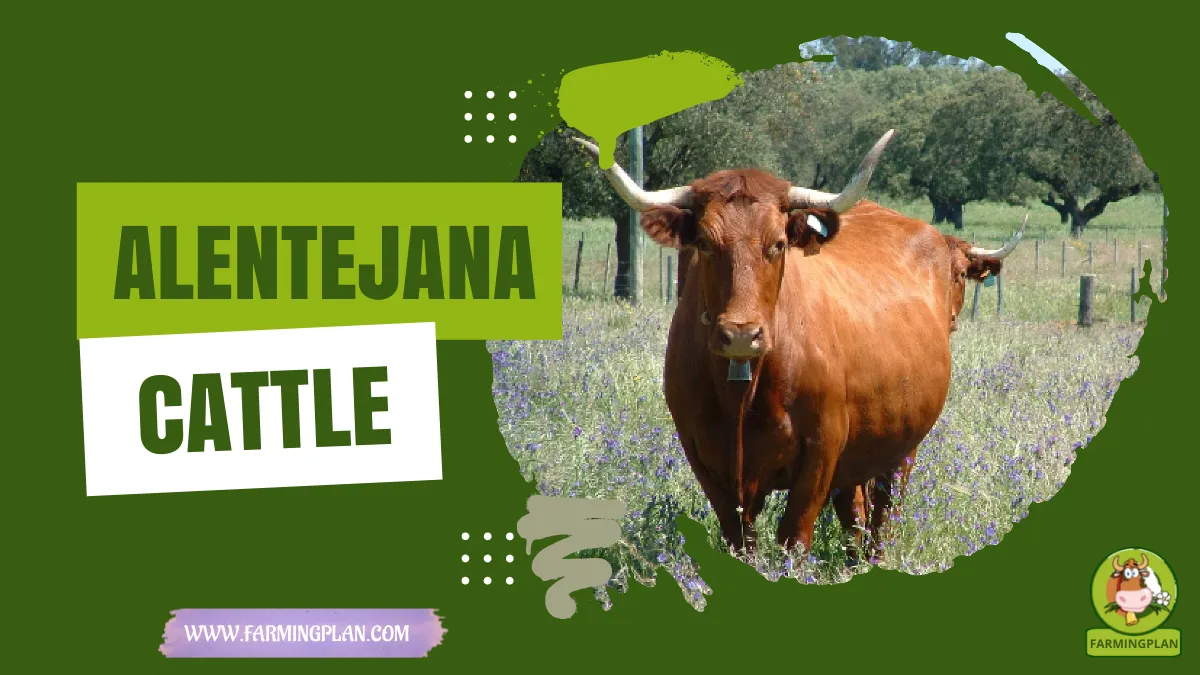
One of the first things I notice about Alentejana cattle is their impressive appearance. These animals possess strong bodies, large frames, and distinctive horns. Their coat color usually ranges from reddish-brown to deep chestnut shades. Adult bulls often weigh between 900 and 1,200 kilograms. Mature cows commonly reach 550 to 700 kilograms. Their muscular build supports excellent meat production.
Common physical traits include:
- Long curved horns
- Strong legs
- Deep chest
- Broad back
- Loose skin
- Medium-sized ears
- Large body frame
Coat Colors And Body Structure
Most Alentejana cows display reddish or dark brown coats. Some animals show lighter shades depending on genetics and environmental conditions. Their thick skin helps them tolerate heat and sunlight. Their muscular body contributes to high-quality beef production. I have observed that their body structure allows efficient movement during open-air grazing. Their horns remain one of the breed’s most recognizable features. Both males and females usually develop strong horns, which give these cattle their traditional appearance.
Genetic Diversity And Adaptation
Genetic diversity plays a major role in the survival of this breed. Researchers continue to study the Alentejana cattle breed because of its adaptation to harsh environments.
Scientists have investigated:
- Leptin levels
- Hair cortisol concentrations
- Triiodothyronine (T3)
- Blood thyroid hormone
- Cortisol secretion
- Thermoregulatory mechanisms
These studies help explain why these cattle maintain homeothermy during periods of thermal stress.
Nature And Temperament
One reason I enjoy working with Alentejana cattle is their calm and manageable temperament. Although the animals carry large horns and strong bodies, they usually behave quietly when handled correctly. The breed developed under extensive grazing systems where animals interacted closely with farmers. This history helped create a cooperative temperament.
Grazing Instinct And Social Behavior
These cattle enjoy open pastures and spend much of their day grazing. They move slowly across cork-oak woods, grasslands, and natural environments.
I often observe the following behaviors:
- Strong herd instincts
- Calm movement patterns
- Good maternal behavior
- Protective cows
- Efficient grazing habits
Their social behavior makes group management easier compared to more nervous breeds.
Suitability For Different Farmers
The breed suits:
- Traditional cattle farmers
- Sustainable livestock producers
- Organic beef producers
- Conservation farms
- Small family farms
Because they adapt well to extensive systems, beginners can manage them successfully with proper guidance.
Food And Diet
Feeding Alentejana cattle starts with quality pasture. The breed evolved in open landscapes and performs exceptionally well under grazing systems.
Natural grasslands provide:
- Fiber
- Energy
- Minerals
- Protein
- Vitamins
The cattle also browse shrubs and native plants.
Traditional Diet In Portuguese Farms
Many farms in Alentejo use:
- Native grasses
- Hay
- Silage
- Cereals
- Legumes
- Acorns from cork-oak woods
Acorns contribute to flavor development in beef and support traditional grazing systems. Water availability remains extremely important because heat stress can increase food intake changes and body temperature regulation needs.
Feeding During Heat Stress
Studies involving rectal temperature, ocular temperature, breath movements, and thermal polypnea show that these cattle possess excellent resilience to heat.
I recommend:
- Fresh water at all times.
- Shade during hot periods.
- Balanced mineral supplements.
- Good-quality roughage.
- Reduced stress during transport.
Their heat tolerance helps maintain productivity even during warm summer conditions.
Usage And Purpose
Throughout my farming career, I have seen Alentejana cattle serve many purposes. Their primary role today centers on premium beef production, but these cattle contribute much more to Portuguese agriculture. Their adaptability, grazing ability, and excellent meat quality make them valuable in several farming systems. Historically, farmers used Alentejana oxen for field work, transportation, and pulling agricultural equipment before mechanization transformed rural Portugal. Strong muscles and calm temperaments allowed them to work long hours under difficult environmental conditions.
Today, farmers raise these cattle mainly for:
- Premium Portuguese beef.
- Sustainable grazing systems.
- Conservation breeding.
- Organic farming.
- Genetic preservation.
- Landscape management.
Carnalentejana PDO Beef Production
One of the most important uses of the breed involves the production of Carnalentejana DOP or Carnalentejana PDO beef. The Protected Designation of Origin system guarantees quality, origin, and traditional production methods.
The meat offers:
- Fine texture.
- Excellent marbling.
- Rich flavor.
- Tender muscle fibers.
- Consistent quality.
Restaurants and traditional Portuguese gastronomy often feature this beef in assados, estufados, and cozido de grão recipes. The meat also pairs exceptionally well with local winegrowing traditions.
Sustainable Land Management
Alentejana cattle help maintain grasslands, cork-oak woods, and natural ecosystems. Their grazing habits reduce excessive vegetation growth and support biodiversity.
Many mixed farms also raise:
- Iberian black pigs.
- White and black Merino sheep.
- Pure Blood Lusitano horses.
These integrated systems improve sustainability and preserve traditional agricultural landscapes throughout Portugal.
Special Features
One feature that impresses me most is the breed’s remarkable resilience to heat. Researchers studying thermal stress found that Alentejana cattle maintain stable body temperature even under difficult environmental conditions.
Scientific studies have evaluated:
- Rectal temperature.
- Ocular temperature.
- Thermal polypnea.
- Breath movements.
- Blood thyroid hormone.
- Hair cortisol concentrations.
- Cortisol secretion.
Their thermoregulatory mechanisms allow them to maintain homeothermy during hot weather.
Strong Genetic Heritage
The breed possesses valuable genetic diversity that many modern commercial breeds lack. Researchers continue studying Alentejana cattle because these genetics may help future breeding programs.
Important genetic strengths include:
- Disease resistance.
- Climate adaptation.
- Heat tolerance.
- Fertility.
- Maternal ability.
- Efficient grazing behavior.
Their relationship with other native cattle breeds such as Mertolenga and Retinta adds further scientific interest.
Cultural And Culinary Importance
Alentejana cattle remain deeply connected to Portuguese culture. Their beef contributes to traditional cuisine and regional identity. Organizations such as Slow Food Ark of Taste recognize the importance of preserving these native breeds. The breed also supports rural tourism and farms such as Herdade da Malhadinha Nova, where sustainable agriculture and gastronomy work together.
Health Issues And Prevention
Common Health Concerns
Although Alentejana cattle are generally hardy animals, they still face certain health challenges. I always encourage farmers to monitor their animals closely because early detection prevents major problems.
Common health issues include:
- Internal parasites.
- External parasites.
- Respiratory infections.
- Digestive disorders.
- Reproductive problems.
- Heat stress complications.
Regular veterinary examinations greatly reduce these risks.
Reproductive And Hormonal Health
Researchers have studied uterine cytology, endometrium health, and reproductive performance in the breed. Proper breeding management improves fertility and calf survival.
Signs that require attention include:
- Irregular breeding cycles.
- Abnormal discharge.
- Reduced appetite.
- Weight loss.
- Poor conception rates.
Hormonal studies involving leptin and triiodothyronine (T3) continue to improve our understanding of reproductive health.
Prevention And Daily Management
I recommend several preventive practices:
- Provide clean water daily.
- Rotate grazing areas.
- Vaccinate according to local guidelines.
- Control parasites regularly.
- Offer mineral supplements.
- Maintain proper records.
Watch for symptoms such as:
- Elevated body temperature.
- Excessive breathing.
- Thermal polypnea.
- Reduced food intake.
- Milky eyes.
- Lethargy.
Early action protects both animal health and farm profitability.
Read More: Busra Chicken Care Secrets Guide
Step-By-Step Alentejana Cattle Farming Guide
Over the years, I have learned that successful Alentejana cattle farming depends on patience, planning, and consistent management. These cattle adapt well to extensive systems, but they still require proper care and attention.
Practical Farming Guide From My Experience
The breed performs best when farmers respect its natural behavior. Open-air grazing, quality forage, adequate shade, and good health programs create excellent results. The following steps reflect my personal experience raising traditional cattle in warm environments.
Step 1: Select Healthy Breeding Stock
I always begin by purchasing animals from reputable breeders. Look for healthy eyes, strong legs, good body condition, and proper horn development.
Check:
- Pedigree records.
- Vaccination history.
- Breeding records.
- Body condition.
- Temperament.
Strong genetics create long-term success.
Step 2: Prepare Grazing Land
Alentejana cattle thrive on pasture. I recommend large grazing areas with natural vegetation.
Essential requirements include:
- Clean water sources.
- Shade trees.
- Secure fencing.
- Mineral stations.
- Shelter areas.
Rotational grazing improves pasture quality and reduces parasite problems.
Step 3: Build Suitable Housing
These cattle tolerate outdoor conditions, but they still need shelter during storms and extreme weather.
The shelter should provide:
- Good ventilation.
- Dry flooring.
- Protection from rain.
- Adequate space.
- Easy cleaning access.
Barnyards work well when combined with pasture access.
Step 4: Develop A Feeding Program
I rely heavily on pasture, hay, and seasonal supplements. Growing animals require balanced nutrition.
My feeding approach includes:
- Grass pasture.
- Legume hay.
- Mineral blocks.
- Fresh water.
- Supplemental grain when necessary.
Avoid sudden dietary changes because they can cause digestive problems.
Step 5: Implement Health Management
Health management remains one of the most important responsibilities.
My schedule includes:
- Regular deworming.
- Vaccinations.
- Hoof inspections.
- Breeding checks.
- Veterinary examinations.
Record keeping helps identify problems early.
Step 6: Manage Breeding Carefully
Select bulls with excellent genetics and strong physical characteristics.
Important breeding goals include:
- Fertility.
- Growth rate.
- Meat quality.
- Heat tolerance.
- Temperament.
Proper breeding management preserves the unique qualities of the breed.
Step 7: Monitor Heat Stress
Although these cattle tolerate heat well, I still monitor:
- Rectal temperature.
- Water intake.
- Breathing rate.
- Activity level.
- Body condition.
Shade and water remain the best tools against thermal stress.
Step 8: Market Premium Beef
Farmers can benefit from specialty markets that value native breeds.
Potential markets include:
- Local butcher shops.
- Organic meat programs.
- Traditional restaurants.
- Premium beef distributors.
- Farm-direct sales.
Quality management increases profitability.
“Healthy pasture creates healthy cattle. Never underestimate the power of clean water and natural grazing.”
Expert Tips And Best Practices
Professional Advice From My Farm Experience
- Choose registered breeding stock whenever possible.
- Maintain strong pasture management programs.
- Provide shade in all grazing areas.
- Monitor water quality regularly.
- Rotate grazing fields to reduce parasites.
- Record breeding and health information.
- Avoid unnecessary crossbreeding.
- Preserve genetic diversity.
- Use calm handling techniques.
- Work closely with veterinarians.
- Support native breed conservation programs.
- Market beef based on quality and heritage.
- Observe cattle daily for health changes.
- Maintain clean feeding equipment.
- Invest in long-term sustainability.
FAQs
What are Alentejana cattle known for?
Alentejana cattle are famous for their high-quality beef, heat tolerance, and adaptation to Portuguese grazing systems. They also contribute to Carnalentejana PDO beef production.
Are Alentejana cattle good in hot climates?
Yes. Researchers have documented their resilience to heat, thermal stress, and high temperatures. Their thermoregulatory mechanisms help them maintain stable body temperature.
Where do Alentejana cattle originate?
The breed originated in the Alentejo region of Portugal, particularly in districts such as Beja, Évora, Portalegre, and surrounding areas.
What does Carnalentejana PDO mean?
Carnalentejana PDO refers to protected beef produced from certified Alentejana cattle under strict quality and origin standards. The designation guarantees authenticity.
Are Alentejana cattle suitable for small farms?
Yes. Their calm temperament and grazing ability make them suitable for many farming systems. Small farms with sufficient pasture can successfully raise them.
Conclusion
Alentejana cattle combine tradition, sustainability, excellent beef quality, and remarkable heat tolerance. Their history in Portugal, strong genetic diversity, calm temperament, and ability to thrive in open-air grazing systems make them one of the most valuable native cattle breeds in Europe. From Carnalentejana PDO beef production to environmental conservation, these animals continue to support farmers and preserve rural heritage. In my experience, proper nutrition, careful breeding, good health management, and respect for their natural behavior create excellent results. If you appreciate sustainable farming and traditional livestock breeds, Alentejana cattle deserve serious consideration. Feel free to share your experiences, leave a comment, and spread this guide to help protect these remarkable Portuguese cattle for future generations.