I still remember the day I brought home my first few birds, and encountering the Bogdanovski goose (also known in regional records as the Javakhetian goose) transformed how I view traditional farm fowl. These birds bring a fascinating mix of rugged rustic charm and calm utility to any farm or backyard homestead. Throughout North America and across various continents, poultry lovers value domestic geese breeds for their hardiness, but this breed stands out with its distinct traits, historical grit, and reliable nature. In this guide, I will walk you through my personal hands-on experience, covering everything from their origins and daily diet to a step-by-step care plan to help your flock thrive.
History & Origin of Bogdanovski Goose
The history of the Bogdanovski goose traces back to rugged mountain regions, where local smallholders selectively bred hardy birds to survive harsh winters and sparse grazing conditions. Known interchangeably in agricultural annals as the Javakhetian goose, this landrace breed developed naturally to endure tough outdoor conditions while requiring minimal specialized care. Local farmers originally valued them for their thick plumage, reliable meat yield, and steady egg laying during early spring months.
Over generations, this breed traveled along ancient trade routes across Eastern Europe and Eurasia. While many modern industrialized farms switched to rapid-growing commercial hybrids, dedicated breeders preserved these heritage lines. Today, waterfowl enthusiasts protect this unique breed because it represents an unbroken line of self-sufficient farm heritage that performs exceptionally well in modern homestead settings.
Read More: Ultimate Guide to Cari Gold Chicken
Characteristics of Bogdanovski Goose
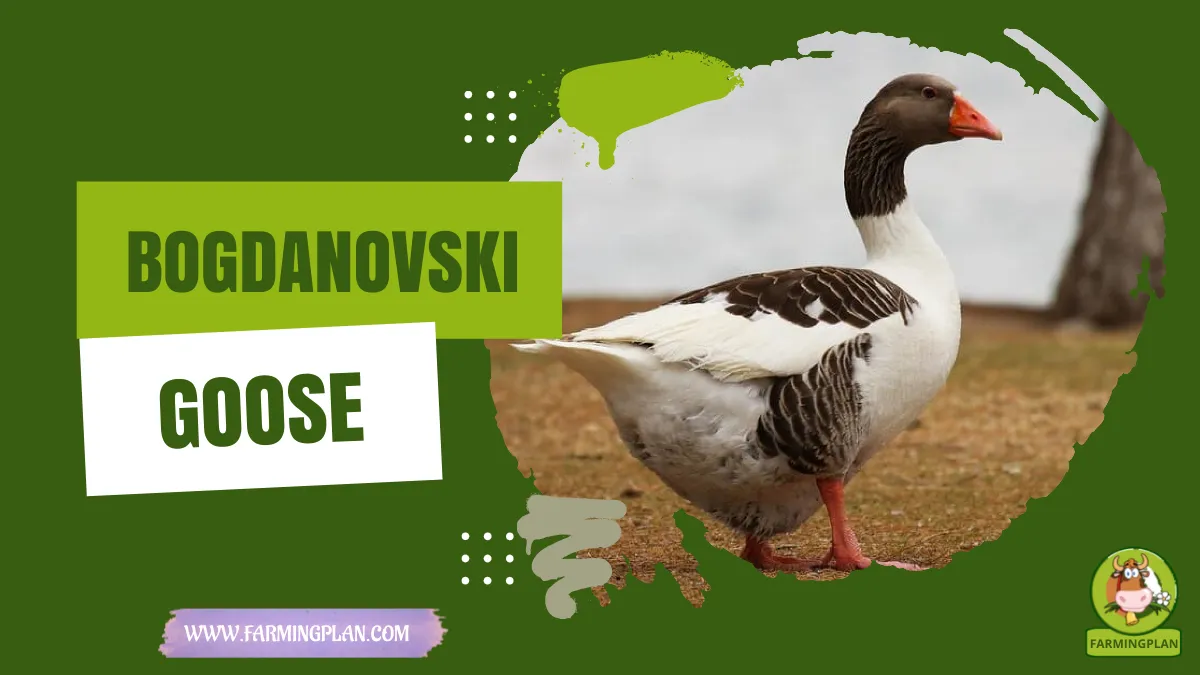
When you first see a Bogdanovski goose, its strong, upright posture and well-proportioned body immediately catch your attention. The ganders typically feature bright, clean white plumage or striking gray patterns, while the females often exhibit dark gray or pied gray-and-white feathers. Their broad chest and dense, weather-resistant feather coat shield them from bitter winds, cold rain, and sudden drops in temperature.
- Feathering and Color: Pure white, dark slate gray, or pied gray-and-white contrast.
- Body Size: Medium-heavy build, generally weighing between 11 to 15 pounds at maturity.
- Bill and Feet: Vibrant orange bills with a dark tip, paired with sturdy, webbed orange legs.
- Eyes: Deep blue in white-feathered birds or dark brown in gray-feathered birds.
In addition to their solid build, these birds display a graceful carriage on both land and water. Their thick down layer keeps them dry even during long swims in chilly ponds. These physical traits make them easy to recognize and admire on the farm.
Nature, Temperament, and Owner Compatibility of Bogdanovski Goose
I love working with these birds because they possess a calm, confident, and balanced personality. Unlike high-strung or overly aggressive poultry, they interact with human caretakers in a friendly, inquisitive manner when raised with gentle handling. They quickly learn daily routines and will often march up to say hello when you step into the yard.
During the spring breeding season, males naturally become protective over their nesting mates and goslings. However, their territorial instinct remains manageable compared to more aggressive guard breeds. They adapt well to suburban homesteads, rural farms, and mixed-species yards, making them a fantastic match for families, homesteaders, and beginner breeders alike.
Food & Diet of Bogdanovski Goose
Feeding your flock properly keeps their feathers glossy, their immune systems strong, and their egg production steady. Geese are natural grazers, meaning fresh pasture makes up the core foundation of their ideal daily diet. I let my flock forage freely on clean grass, clover, and dandelions throughout the spring, summer, and autumn months.
Supplement their daily grazing with a quality waterfowl pellet containing 15-18% protein. Avoid feeding them dry bread, salty scraps, or moldy grains, as these cause severe digestive issues and joint deformities like angel wing. Always keep a bucket of clean, fresh water right next to their feed so they can wash down every mouthful safely.
Usage on the Farm of Bogdanovski Goose
Farmers and hobbyists keep this versatile breed for several rewarding practical reasons:
- Pasture & Orchard Maintenance: They serve as superb living lawnmowers, eating weeds and keeping grass neat without tearing up roots.
- Homestead Sentinel Duty: Their sharp eyesight and clear, ringing calls alert the entire farm to approaching visitors or wild predators.
- Delicious Eggs and Quality Meat: Females lay 30 to 50 large white eggs every year while providing traditional, rich meat for local tables.
- Feathers and Down: Their soft, dense under-down provides high-insulation filling for warm pillows and garments.
Special Features of Bogdanovski Goose
One remarkable special feature of this breed is its phenomenal climate hardiness. These birds handle freezing winter conditions with total ease, thanks to their thick down layer and dense outer plumage. They rarely require heated housing, provided they stay dry and shielded from harsh cross-drafts.
Another rare trait is their exceptional foraging efficiency. They digest tough plant fibers far more effectively than ducks or chickens, deriving high nutrition from natural pasture alone. Their natural mothering instincts also shine, as females brooded on the homestead incubate their own eggs reliably and protect their offspring with fierce devotion.
Health Issues & Preventive Care Tips of Bogdanovski Goose
Keeping your birds healthy requires simple, consistent preventive habits rather than complex medical treatments. While inherently robust, they can encounter standard waterfowl health challenges if their living conditions degrade.
- Bumblefoot (Pododermatitis): Caused by rough gravel or sharp sticks injuring their webbed feet. Treat by cleaning the wound, applying antiseptic, and wrapping the foot securely.
- Internal Parasites: Prevent worms by rotating pastures regularly and keeping drinking troughs clean and free of mud accumulation.
- Avian Influenza: Protect your flock from wild bird contact by covering feeding areas and fencing off open ponds during peak wild migration seasons.
- Angel Wing: Caused by excessive protein or calorie intake during early growth. Prevent this by offering ample grass grazing and low-protein waterfowl rations to growing goslings.
A Well-Tended Flock Brings Unmatched Peace, Resilience, and Bounty to the Homestead Every Single Morning.
Step-by-Step Farming Instructions of Bogdanovski Goose
Starting your own flock requires thoughtful preparation, proper equipment, and daily attention to detail. Follow this structured, step-by-step guide to set up your farm and raise healthy birds from day one.
Step 1: Shelter and Housing Preparation
Build a solid, predator-proof predator shelter that allows at least 6 square feet of floor space per adult bird. Use heavy hardware cloth over all vents and windows to stop raccoons, foxes, and stray dogs from breaking in at night. Cover the floor with a thick, clean layer of dry pine shavings or clean straw, removing damp bedding daily to keep ammonia levels low.
Ensure the shelter has adequate cross-ventilation near the roofline to exhaust moisture while keeping drafts away from floor level. Install broad entry doors or ramps so the flock can enter and exit without crowding or injuring their wings.
Step 2: Fencing and Pasture Management
Secure a pasture area that provides roughly 50 to 100 square feet of fresh grazing per bird. Erect a sturdy woven-wire fence at least 4 feet tall around the perimeter to keep predators out and contain your flock safely. Divide the outdoor pasture into two or three smaller paddocks so you can rotate grazing areas every few weeks. Pasture rotation allows grass to recover, prevents mud holes from forming, and dramatically reduces parasite buildup in the soil. Clear the pasture area of any loose wire, fishing lines, or trash that could injure their webbed feet or cause accidental ingestion.
Step 3: Clean Water Systems Installation
Waterfowl need fresh water deep enough to submerge their entire heads so they can clear their nostrils and wash their eyes clean. Set up broad, heavy-duty water tubs or automatic waterers on a raised gravel pad to absorb spills and prevent muddy messes. If you provide a swimming pool or natural pond, make sure the edges have a gentle slope so young or tired birds can climb out easily. Flush and scrub all water containers daily to prevent bacterial growth and blue-green algae blooms during hot summer months.
Step 4: Brooding and Caring for Young Goslings
Place newly hatched goslings in a warm brooder box lined with textured paper towels or non-slip rubber matting for the first week. Set a heat lamp or radiant heater to maintain a comfortable temperature of 90°F (32°C) during their first week, lowering the heat by 5°F each week as they grow feathers. Feed them an unmedicated waterfowl starter crumble containing proper niacin levels to ensure healthy leg development. Provide fresh water in shallow founts fitted with marbles or stones so tiny goslings can drink safely without accidentally falling in and drowning.
Step 5: Daily Management and Flock Maintenance
Establish a consistent morning and evening routine to keep your flock stress-free and secure. Open the coop at dawn to release the birds onto fresh pasture, checking each individual visually for signs of limping, wing droop, or lethargy. Fill food hoppers with fresh pellets and refresh all water tubs before dusk. Call your flock back into the secure coop before dark using a specific phrase or a grain treat bucket, locking all doors securely to protect them overnight.
Read More: Aswad Goat Breed Care Guide For Passionate Farmers
Expert Tips & Best Practices of Bogdanovski Goose
Here are my top practical recommendations honed over years of raising heritage waterfowl on the farm:
- Provide Coarse Grit: Offer free-choice insoluble granite grit so your birds can digest tough grass blades efficiently.
- Boost Niacin Intake: Add nutritional yeast to starter feed if commercial waterfowl feed is unavailable to prevent weak leg joints.
- Use Deep Bedding: Layer fresh straw over old bedding during winter to generate mild heat and absorb moisture inside the coop.
- Offer Calcium Supplies: Provide crushed oyster shell in a separate dish for laying females to ensure strong eggshells throughout spring.
- Establish Routine Calls: Train your flock to follow a shaking grain bucket so moving them between pastures takes only a few seconds.
FAQs
What do Bogdanovski geese eat on the farm?
They thrive primarily on fresh pasture grass, clover, and non-toxic weeds supplemented with balanced waterfowl pellets. Always provide clean water near their food so they can swallow safely.
Are Bogdanovski geese friendly toward human keepers?
Yes, when raised around people and handled gently, they display a calm, curious, and remarkably friendly personality. Males become protective during spring nesting, but remain manageable.
How many eggs does a female lay per year?
A healthy mature female lays between 30 and 50 large, white eggs every spring season. They also make excellent brood mothers if you want to hatch young goslings naturally.
Can these geese survive cold winter weather?
Absolutely, their thick down layer and dense, water-repellent outer feathers give them exceptional cold tolerance. They only require a dry, draft-free coop with clean straw bedding to stay comfortable.
Do they require a large pond to stay healthy?
While they enjoy swimming, a large natural pond is not strictly required. They do well with deep water tubs or heavy plastic pools where they can submerge their heads and clean their feathers daily.
Conclusion
Raising the Bogdanovski goose brings immense joy, practical self-reliance, and lively charm to any farm or backyard homestead. Their incredible climate hardiness, efficient grass-grazing ability, and easygoing temperament make them an absolute pleasure to care for every single day. By providing secure housing, clean drinking water, and fresh pasture, you ensure your flock stays healthy and productive for years to come. I encourage you to share your thoughts in the comments below, pass this article along to fellow poultry enthusiasts, and start building your own heritage waterfowl flock today!