I love working with the Appenninica Sheep, a hardy and majestic livestock choice that truly transforms any pasture. As an experienced farming specialist, I have spent years working closely with various sheep breeds across diverse terrains. I can tell you that this remarkable Italian animal stands out in every single way. Originating from the rugged Apennines region, this dual-purpose breed yields both rich milk and high-quality meat.
When you walk through lush green pastures alongside these white-coated livestock, you instantly notice their calm demeanor and resilient nature. Today, I want to share my practical knowledge regarding their history, physical traits, care routines, and daily management. Whether you manage a large commercial farm or a small rustic homestead, understanding this breed will help you build a thriving flock. Let us dive deep into the fascinating world of this versatile animal and explore why so many farmers treasure it.
History & Origin of the Appenninica Sheep
I always tell my fellow livestock enthusiasts that you cannot fully appreciate a breed until you understand where it comes from. The history of this animal connects directly to the rugged Apennines mountain range that stretches through central Italy. For centuries, local shepherds in regions like Tuscany, Umbria, Emilia, and Abruzzi relied on native mountain flocks for survival. During the 1970s, breeders took focused steps to select and standardize these local strains into a recognized breed. They carefully crossed traditional local stock with foreign breeds like the Ile-de-France and Merino to improve growth rates and meat quality. This strategic crossbreeding created a robust animal capable of thriving in tough alpine conditions while maintaining impressive productivity.
From the Ancient Italian Mountains to Modern Pastures
Over the decades, government agencies and official Italian sheep breeding associations established precise herd books to preserve genetic purity. Shepherds in regions near Florence and Lucca relied heavily on these animals for their seasonal transhumance movements. These traditional seasonal migrations allowed flocks to graze on alpine pastures during summer and return to valleys during winter. Through centuries of natural selection and planned breeding, these animals developed incredible resistance to harsh weather. Today, they represent a proud symbol of Italian pastoral culture and agricultural heritage. I feel honored every time I work with this lineage, knowing that centuries of careful shepherd tradition shaped their strong genetics.
Read More: Assam Hill Goat Farming Brings Proven Success
Characteristics of Appenninica Sheep
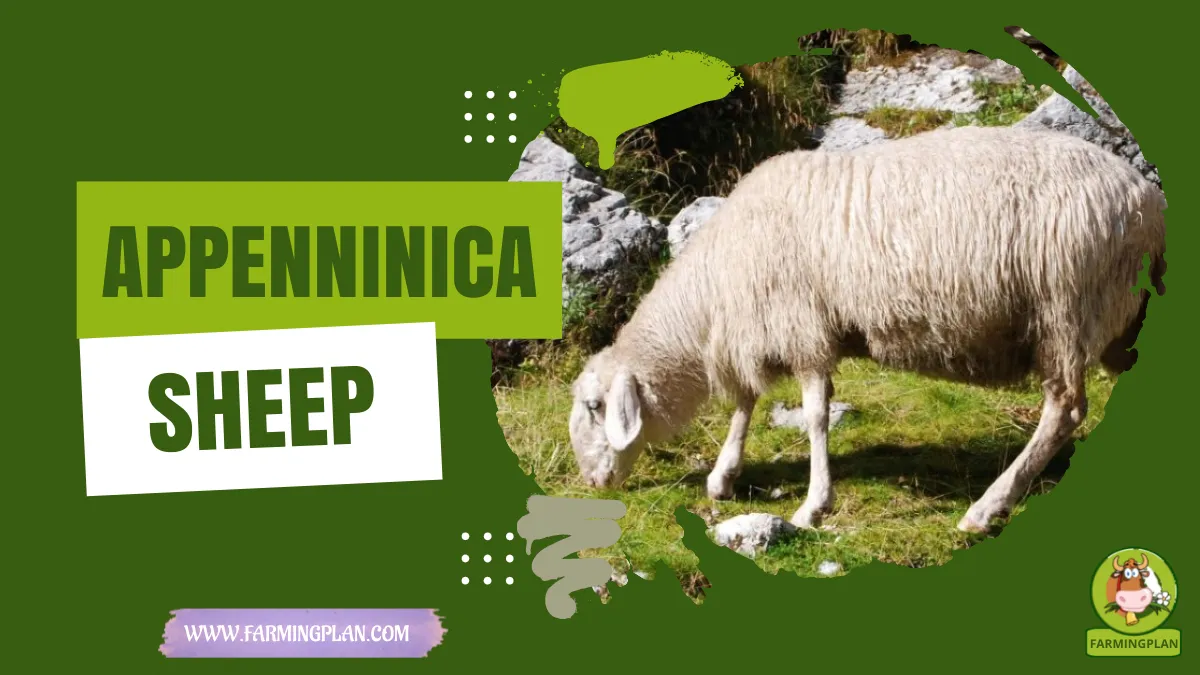
When you first look at this Italian breed, you immediately notice its large, well-proportioned frame and clean white coat. Adults feature a strong skeletal structure with a broad back, deep chest, and sturdy legs built for climbing steep mountain paths. Both rams and ewes are naturally polled, which means they do not grow horns. This hornless feature makes handling them much safer and easier around the farm. Rams typically weigh between 80 to 95 kilograms, while mature ewes usually weigh around 60 to 75 kilograms. Their heads are elegant and broad, featuring straight profiles and medium-sized ears held horizontally.
Distinctive Traits, Fleece Quality, and Body Structure
Their wool coat consists of semi-fine white fleece that offers good coverage over the body, though the head and lower legs remain bare. While they produce decent fleece with medium fibre diameter, farmers primarily value them for meat and dairy production rather than fine textile manufacturing. Their skin is pink, supple, and healthy, free from dark spots or unwanted pigmentation. Their hooves are remarkably tough and dark, adapted specifically to withstand rocky terrain without easily cracking or developing foot rot. I always admire how their strong physique combines graceful lines with rugged utility, making them visually striking on any green hillside.
Nature and Temperament of Appenninica Sheep
I love spending my early mornings out in the pastures because these animals display such a calm and agreeable temperament. They possess a docile and gentle personality, making them an absolute pleasure to handle for experienced breeders and beginners alike. Unlike some restless or skittish mountain breeds, they remain composed when you move them between pastures or enter their pens for daily checks. Their strong flocking instinct keeps the herd close together, which simplifies herding across open grasslands or dense brush. They form strong bonds with their primary handlers and respond very quickly to routine calls during feeding times.
Gentle Behavior, Grazing Habits, and Easy Handling
Their gentle nature makes them ideal for family farm settings where children or multiple farm workers interact with livestock daily. You will rarely see rams show unprovoked aggression, provided you handle them with consistent respect and quiet confidence. Ewes make exceptionally patient and attentive mothers, caring for their new lambs with great affection and constant vocal communication. Their steady composure reduces overall farm stress, which directly leads to better health, consistent weight gain, and higher milk yields. Working alongside an animal with such a balanced temperament transforms daily chores into a truly rewarding and peaceful experience.
Food & Diet of Appenninica Sheep
Proper nutrition forms the backbone of any successful livestock operation, and this hardy breed thrives on a well-balanced diet. Because they evolved in rugged mountain environments, they excel at converting simple forage into valuable energy, high-quality meat, and rich milk. During spring and summer, allow them to graze on nutrient-dense pastures containing alfalfa, clover, orchard grass, and native meadow herbs. A rotational grazing system keeps the pasture fresh and prevents overgrazing while controlling internal parasites effectively. I always make sure my flock has constant access to clean, cool drinking water, especially during hot summer days.
Balanced Nutrition, Pasture Management, and Daily Feeding
When winter arrives and fresh grass disappears, feed them clean, high-quality grass hay alongside alfalfa hay for extra protein. Supplement their winter diet with a balanced grain mix containing barley, oats, and corn to support pregnant or lactating ewes. Provide free-choice mineral blocks containing essential trace elements like zinc, selenium, iodine, and calcium to prevent nutritional deficiencies. Avoid feeding spoiled silage, moldy hay, or toxic plants like rhododendron and cherry leaves, which can cause severe digestive distress. Maintaining a consistent feeding schedule keeps their digestive system happy and ensures your flock stays strong and vibrant year-round.
Usage and Farming Purpose of Appenninica Sheep
I always highlight the exceptional versatility of this Italian livestock when talking to fellow farm managers and agricultural hobbyists. Breeders value this dual-purpose breed immensely for its rapid lamb growth rates and fantastic meat yield. The lambs grow quickly on natural mother milk and high-quality forage, producing tender, lean meat with excellent flavor profiles. Local markets in Europe highly price this lamb meat for traditional culinary dishes, making commercial production quite profitable. Furthermore, their sturdy build yields high dressing percentages during processing, providing great financial returns for hard-working shepherds.
Dual-Purpose Value in Meat Production and Traditional Cheesemaking
Beyond meat production, ewes supply rich milk that local cheesemakers transform into world-famous pecorino cheeses and fresh ricotta. The high fat content and ideal protein balance of their milk create creamy, aromatic dairy products with rich regional heritage. Local dairies in Tuscany and Umbria frequently combine traditional milking techniques with modern sanitation to produce artisanal cheeses. While their wool serves as a secondary product, farmers still harvest clean fleeces every spring for traditional textile applications or local insulation materials. Raising these multipurpose animals maximizes farm income streams while preserving centuries-old European agricultural traditions.
Raising Appenninica Sheep Brings Pure Joy To Every Dedicated Shepherd.
Special Features of Appenninica Sheep
What makes this breed truly extraordinary is its incredible physical adaptability to challenging environmental conditions and steep terrains. These animals possess exceptionally strong hooves and dense bone structure, allowing them to navigate rocky hillsides with absolute confidence. Their thick fleece protects them from freezing winter winds, cold rain, and scorching summer sun without causing heat exhaustion. They can efficiently forage on marginal lands where other livestock breeds struggle to find sufficient nourishment or adequate hydration. Consistent Daily Care And Native Grazing Keep Italian Mountain Appenninica Sheep Breeds Thriving Productively.
Remarkable Adaptability to Harsh Mountain Terrains
Another fascinating feature is their impressive maternal instinct and high lambing success rates under natural pasture conditions. Ewes deliver strong, energetic lambs that stand and nurse shortly after birth without heavy shepherd intervention or complex medical procedures. They display great longevity, remaining productive in the herd for many years while consistently producing healthy offspring. Their strong immune systems resist common environmental stressors remarkably well when given basic shelter and proper nutrition. I constantly marvel at how these unique traits make them one of the most reliable livestock breeds available today.
Health Issues and Preventive Care of Appenninica Sheep
Maintaining a healthy flock requires proactive herd management, routine health inspections, and effective preventive care protocols. While this breed boasts strong natural immunity, they can still face common Appenninica Sheep diseases if husbandry practices fall short. Internal parasites like stomach worms and liver flukes pose a continuous threat during warm, wet pasture seasons. I perform regular fecal egg counts and rotate dewormers strategically to prevent parasite resistance within the flock. External parasites like mites, lice, and ticks require seasonal treatments through topical sprays or dipping procedures to protect skin health.
Foot rot and foot scald represent significant risks, especially when animals spend extended time on wet, muddy ground or uncleaned bedding. Trim their hooves every three to four months and pass the flock through zinc sulfate foot baths regularly to keep hooves firm. Vaccinate your herd annually against enterotoxemia (overeating disease) and tetanus using standard Clostridium vaccines to protect pregnant ewes and newborn lambs. Monitor animals closely for signs of respiratory issues, such as coughing, nasal discharge, or sudden lethargy during drastic weather changes. Establishing a close working relationship with a local veterinarian guarantees rapid diagnosis and treatment whenever unexpected health challenges arise.
Step-by-Step Farming Guide for Appenninica Sheep
Building a Strong Foundation for Your Mountain Livestock Venture
Starting a farming venture with this noble Italian breed requires careful planning, proper infrastructure, and dedicated daily routines. I have designed this comprehensive step-by-step guide based on my hands-on experience to help you establish and maintain a successful flock from day one.
Step 1: Secure Proper Housing and Shelter Setup
You must construct a dry, well-ventilated barn or three-sided shed that protects your animals from severe weather conditions. Ensure the structure provides roughly 15 to 20 square feet of floor space per mature animal to prevent overcrowding and stress. Use clean wood shavings or dry straw for deep bedding, replacing soiled bedding regularly to control ammonia levels and moisture build-up. Proper roof ventilation prevents respiratory diseases by allowing fresh air to circulate without creating cold drafts directly on ground level. Install sturdy feed troughs elevated slightly above the floor to keep hay and grain clean from manure contamination.
Step 2: Establish High-Quality Pasture and Fencing
Prepare securely fenced pastures that allow for effective rotational grazing management throughout the growing spring and summer seasons. Install strong 48-inch high woven wire fencing topped with electric wire to deter natural predators like coyotes, dogs, and mountain lions. Divide your land into multiple smaller paddocks so you can rotate the flock every one to two weeks easily. This rotational strategy gives grass adequate time to regrow, lowers parasite burdens, and maximizes forage nutritional value for your flock. Ensure every paddock contains shaded areas under trees or temporary shade structures to protect animals during peak summer heat.
Step 3: Select Healthy Breeding Stock
Purchase your initial breeding animals from reputable livestock breeders who maintain complete health records and clear genetic lines. Inspect every candidate carefully, checking for clear eyes, strong teeth, firm hooves, and smooth, clean white fleeces. Ensure rams display excellent muscle conformation, strong legs, and two fully descended, healthy testicles for high reproductive performance. Select ewes with well-attached udders featuring two soft, clean teats capable of nursing vigorous lambs without structural issues. Quarantining newly arrived animals for thirty days prevents introducing unwanted parasites or infectious diseases into your established farm herd.
Step 4: Implement Daily Feeding and Health Management
Establish a strict daily routine that includes feeding clean hay, offering fresh drinking water, and checking overall animal alertness. Provide fresh water continuously, as lactating ewes can consume up to three gallons of water per single day during peak production. Check hooves regularly and perform routine hoof trimming every few months to maintain proper foot angle and prevent lameness issues. Offer free-choice mineral mixtures formulated specifically for sheep, ensuring the mix contains zero added copper, which can cause lethal toxicity. Spend fifteen minutes every day observing the flock quietly to spot early subtle signs of injury, illness, or behavioral changes.
Step 5: Prepare for Lambing and Lamb Care
Set up clean, warm, draft-free lambing pens called “jugs” measuring at least 5×5 feet before the lambing season begins officially. Move heavy ewes showing enlarged udders and nesting behavior into individual jugs shortly before they give birth to ensure safety. Check newborn lambs immediately to ensure they clear their nasal passages and nurse rich colostrum within their first two hours. Dip the lamb umbilical cord in a seven percent iodine solution to prevent bacterial infections from entering the bloodstream. Keep mother and lambs together in the jug for two to three days to strengthen bonding before rejoining the main flock.
Read More: Arles Merino Sheep Secret To Pure Luxury Wool
Expert Tips & Best Practices
Pro Strategies for Maximizing Flock Health and Farm Productivity
- Inspect your pastures weekly to identify and eliminate toxic plants before moving your animals into new paddocks.
- Handle your animals with a calm voice and gentle body movements to keep stress levels low during routine health checks.
- Keep detailed written or digital records of breeding dates, lambing results, health treatments, and individual growth rates.
- Shear your flock once per year in early spring before warm weather arrives to keep animals comfortable and fleece clean.
- Provide clean, dry resting areas off the damp ground to reduce hoof problems and external parasite infestations effectively.
- Test your hay quality periodically through a laboratory analysis to adjust grain supplements accurately during winter months.
- Use guardian animals like Maremma Appenninica Sheepdogs or llamas to protect your pasture flock from local predators around the clock.
FAQs
What is the primary purpose of the Appenninica sheep breed?
This Italian breed serves as an exceptional dual-purpose animal raised primarily for high-quality meat and rich milk production. Their milk contributes to delicious traditional pecorino cheeses, while their lambs offer fast growth rates and tender meat.
Are Appenninica sheep horned or polled?
Both rams and ewes of this breed are naturally polled, meaning they do not grow horns. This hornless physical trait makes them much safer and easier to manage around the farm.
What type of fleece do Appenninica sheep produce?
They produce a semi-fine white fleece that covers their body while leaving their head and lower legs clean and bare. While farmers harvest wool annually, they value the breed more for meat and milk than fine wool production.
Where did the Appenninica sheep originate?
This ancient breed originated in the central Apennines mountain range of Italy, spanning regions like Tuscany, Umbria, and Abruzzi. Local shepherds standardized the breed during the 1970s through careful selection and controlled crossbreeding with other hardy strains.
Are Appenninica sheep suitable for beginner farmers?
Yes, their gentle personality, calm demeanor, and hardy health make them a fantastic choice for beginner breeders and homesteaders alike. They adapt easily to various weather conditions and respond well to standard livestock management routines.
Conclusion
The Appenninica Sheep stands out as an extraordinary Italian breed that combines centuries of rugged mountain heritage with impressive dual-purpose productivity. Their calm temperament, high adaptability, and strong physical build make them a top choice for modern shepherds, homesteaders, and commercial farmers. By implementing proper pasture management, balanced nutrition, and consistent health care, you can build a highly successful and rewarding livestock operation. I encourage you to take the next step in your agricultural journey today by connecting with local breeders, visiting working pastures, or sharing this guide with fellow livestock enthusiasts! Discover the Appenninica sheep breed! Learn history, characteristics, diet, and step-by-step farming tips for successful breeding.