The Bionda Piemontese chicken stands out as a remarkable dual-purpose breed from northern Italy that brings exceptional value to any homestead. I love working with these rustic birds on my farm because they combine fantastic egg production with high-quality meat. Farmers also know this bird as the Gallina Bionda Piemontese, Nostralina, or Rossa delle Crivelle.
People often compare them to other Italian regional heritage birds like the Padovana chicken, Romagnola chicken, Pepoi chicken, Pulvera chicken, and Mugellese chicken. I find that this breed excels in free-range management while preserving crucial agricultural genetic diversity. Let us dive deep into the fascinating world of this golden poultry gem.
History and Origin of Bionda Piemontese Chicken
The story of this incredible bird begins in the sunny fields of northern Italy. Farmers in the Piedmont region developed this hardy heritage poultry breed over centuries of traditional farming. Towns like Cuneo, Verzuolo, and Villanova d’Asti became the heartland of their population. Rural families relied heavily on these birds for their daily survival and local commerce.
During the middle of the twentieth century, industrialization swept through the global poultry industry. Commercial hybrid lines almost wiped out local breeds across Europe. Fortunately, passionate breeders, the University of Turin, and the Professional Institute for Agriculture and Environment of Verzuolo launched a crucial recovery project. Professor Vittorino Vezzani laid early groundwork for livestock protection. Today, institutions like the Italian Federation of Poultry Associations (Federazione Italiana Associazioni Avicole) maintain the strict breed standard. The Slow Food movement even created a dedicated Slow Food presidium and listed the breed in the Ark of Taste to protect its future.
Read More: Neon Tetra Fish Care: Stunning Secrets
Characteristics of Bionda Piemontese Chicken
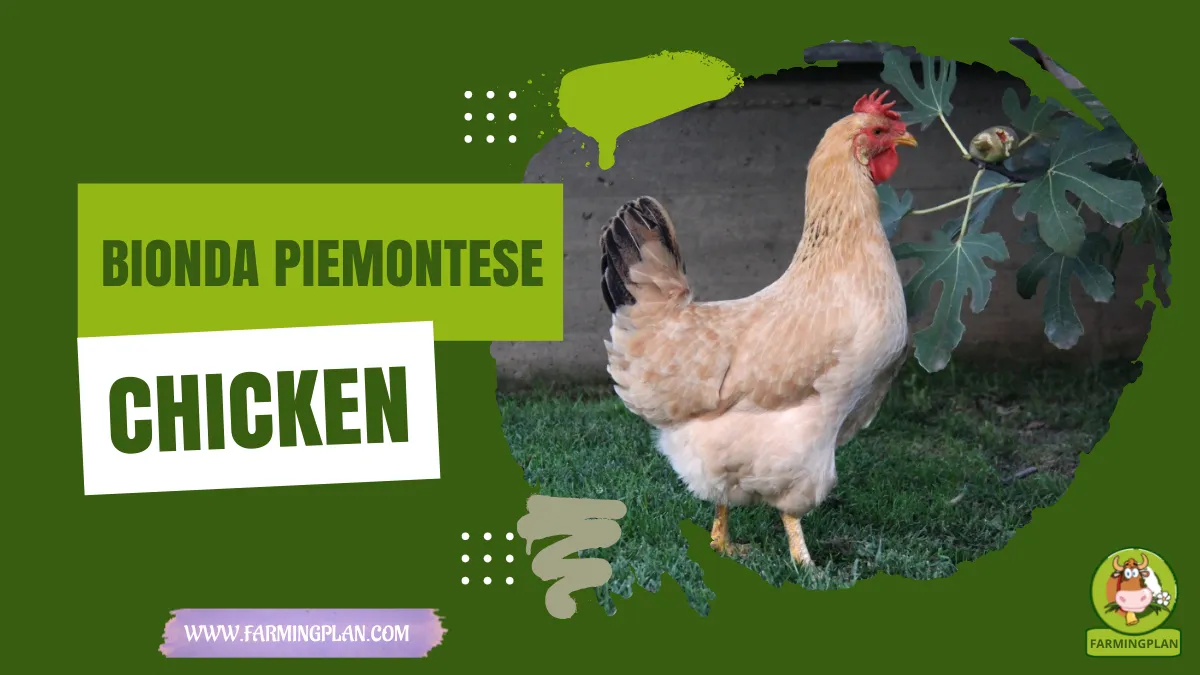
When you look at a flock of these birds, their warm golden plumage immediately catches your eye. The Bionda Piemontese rooster displays a magnificent upright posture, strong tail feathers, and a vibrant red single comb. Their buff feathers contrast beautifully with a dark or black tail, giving them a timeless country appearance.
These birds carry a well-proportioned body frame that suits dual-purpose needs perfectly. Hens weigh around 2.0 to 2.5 kilograms, while mature roosters reach 2.5 to 3.0 kilograms. They feature clean, yellow-pigmented shanks and skin, which local consumers highly value. Their feather morphology provides excellent insulation against both summer heat and chilly winter winds.
Nature and Adaptable Temperament of Bionda Piemontese Chicken
I enjoy watching these birds interact because they display an active and curious personality. They love to forage across pastures, scratching for insects, seeds, and wild greens all day long. Their lively nature makes them alert to predators, which keeps the flock safe during free-range outings. Despite their active habits, they remain docile and friendly toward human handlers with gentle care. They get along well with other backyard farm animals, including local waterfowl like the Lagoon chicken. Farmers, homesteaders, and backyard hobbyists will find these adaptable birds easy to manage and delightfully entertaining.
Food and Daily Diet Needs of Bionda Piemontese Chicken
To keep your flock thriving, you must provide balanced nutrition tailored to their active lifestyle. I feed my flock a high-quality layer ration containing sixteen percent protein during peak laying periods. Free-range foraging supplements their daily feed intake with natural protein and essential micronutrients.
- Provide clean, fresh water at all times in clean dispensers.
- Offer free-choice crushed oyster shell for strong Bionda piemontese chicken eggs.
- Supply poultry grit to help them digest grains and forage efficiently.
- Never feed molded grain, avocado, raw beans, or salty kitchen scraps.
Usage and Homestead Purpose of Bionda Piemontese Chicken
This traditional dual-purpose breed excels at providing both high-quality protein sources for the homestead family. Hens produce around 180 to 200 medium-to-large pinkish-tinted eggs every year. Their consistent laying schedule keeps your egg basket full throughout most seasons. Beyond egg production, their meat quality remains famous throughout Italian regional cuisine. Traditional recipes like Pollenzo-style chicken alla cacciatora and rich Gallina lessa broth highlight their flavorful, firm meat. Chefs often serve these traditional meat dishes alongside warm polenta, braised onion, and crisp white wine.
Special Features of Bionda Piemontese Chicken
This breed plays a vital role in global biodiversity preservation and genetic conservation programs. Unlike fragile commercial hybrids, these rustic chickens possess strong immune systems and natural resilience. Geneticists preserve semen doses in specialized Cryobank facilities to protect their unique genetic component.
Their remarkable ability to thrive in free-range management systems sets them apart from industrial breeds. They support local ecosystems and integrate smoothly into natural gardening or heritage vegetable garden setups. Raising them helps maintain agricultural heritage alongside other rare livestock like the Polverara Hen or Rovigo Ermine Turkey.
Health Issues and Prevention of Bionda Piemontese Chicken
Maintaining flock health requires active vigilance, proper coop sanitation, and good husbandry practices. These rustic birds suffer from fewer genetic health problems than fast-growing industrial broilers, but they still need protection against common poultry ailments. External parasites like mites and lice present a constant threat if you ignore dust bathing areas.
Respiratory issues can occasionally occur if coop ventilation is poor or if damp bedding builds up. You can easily prevent respiratory troubles by installing high vents that allow fresh air movement without creating direct cold drafts over roosting bars. Keep an eye out for warning signs like pale combs, lethargy, or reduced appetite. Early isolation and prompt natural treatments keep the rest of your flock safe and healthy.
“Raising Heritage Poultry Preserves True Agricultural History And Brings Unmatched Pure Joy To Your Daily Farm Life.”
Step-by-Step Care Guide of Bionda Piemontese Chicken
Starting your own flock requires careful planning, proper preparation, and consistent daily attention to ensure success. I created this comprehensive step-by-step guide based on my hands-on agricultural experience to help you build a thriving heritage poultry setup on your property.
Step 1: Designing and Building a Safe Coop Frame
You need a secure, well-ventilated coop that offers at least four square feet of indoor space per bird. Building a chicken coop using recycled materials like sturdy wood pallets keeps construction costs low while providing excellent shelter. Secure all windows and vents with heavy-duty hardware cloth to block opportunistic predators like raccoons or foxes.
Step 2: Preparing the Outdoor Free-Range Pasture
Set up an expansive outdoor run that provides at least ten square feet of space per chicken. Fence the perimeter securely and incorporate natural shade trees or artificial canopy structures. Safe outdoor pasture allows your birds to exhibit natural foraging behaviors while gathering vital natural diet supplements.
Step 3: Establishing Proper Feeding and Water Stations
Place sturdy feed hoppers and automatic water fountains off the ground to prevent bedding contamination. Fill feeders with balanced age-appropriate rations and inspect waterers daily to maintain pristine cleanliness. Clean feeding equipment prevents common bacterial blooms that cause digestive distress.
Step 4: Managing Daily Flock Care Routines
Establish a consistent morning routine to release your birds, supply fresh water, and check overall flock health. Collect fresh eggs twice daily to maintain cleanliness and prevent egg-eating habits from developing inside the nest boxes. Lock the flock securely inside the coop every evening at sundown.
Step 5: Implementing Seasonal Health and Sanitation Checks
Deep clean the chicken coop bedding twice a year using non-toxic natural cleansers and fresh wood shavings. Inspect every bird individual periodically for feather mites, body condition, comb color, and leg scale health. Promptly isolate any showing signs of illness to protect the surrounding flock.
Read More: Silver Fox Rabbit Guide for Ultimate Success
Expert Tips and Best Practices for Bionda Piemontese Chicken
- Rotate free-range pasture areas regularly to maintain fresh forage and prevent soil erosion.
- Plant native herbs around the coop perimeter to deter pests naturally.
- Provide wide wooden roosting bars positioned off the cold floor to protect feet.
- Keep fresh wood ash or dry sand in shallow bins for natural dust bathing.
- Monitor winter light levels inside the coop to maintain steady egg production.
FAQs
What makes this golden chicken breed special for backyard homesteaders?
This hardy dual-purpose breed provides excellent egg production alongside high-quality table meat. Their active foraging habits and rustic resilience make them perfect for sustainable free-range systems.
How many eggs do these heritage hens lay each year?
A healthy hen typically lays between 180 and 200 medium to large eggs per year. Their eggs feature a attractive shell color ranging from light pink to pale brown.
Are these birds suitable for beginner poultry keepers?
Yes, their friendly demeanor and robust natural health make them ideal for beginners. They adapt easily to varied weather conditions and standard coop management practices.
What diet keeps these rustic birds healthiest?
They thrive on a balanced layer feed supplemented with fresh forage, greens, and clean water. Free-choice crushed oyster shells ensure strong eggshell development throughout the year.
How do I protect my flock from neighborhood predators?
Build a sturdy coop with secure latches and heavy hardware cloth over every opening. Lock your birds indoors every evening and maintain a secure perimeter fence around the run.
Conclusion
The Bionda Piemontese chicken remains an absolute treasure for farmers, homesteaders, and heritage poultry enthusiasts alike. Their beautiful golden plumage, friendly personality, and steady dual-purpose production make them an ideal addition to any farm layout. By choosing to raise this historical Italian breed, you enjoy fresh farm eggs while playing a vital role in preserving global agricultural biodiversity. Take the next step in your homesteading journey today by joining local heritage poultry conservation groups or starting your own backyard flock! I encourage you to welcome these wonderful birds to your farm today—share your personal stories in the comments below, join local heritage poultry groups, and spread the word to