The Bavarian Landrace Goose is a remarkable heritage bird that brings incredible value, rustic beauty, and high self-sufficiency to any pasture or homestead setup. As a greylag-derived domestic breed originating from the pre-alpine farmsteads of Germany and Austria, this resilient medium-sized waterfowl excels at natural foraging, low-input seasonal meat production, and consistent spring egg laying. I have raised many heritage breeds over the years, but the Bavarian Landrace Goose holds a truly special place on my homestead.
This hardy greylag-derived domestic goose originates from the pre-alpine regions of Bavaria, Austria, and nearby areas along the Danube and Rhine rivers. Farmers in Germany and Eastern Austria developed this medium goose breed to thrive on simple farmsteads with natural foraging and grazing ability. If you want a resilient bird that produces delicious seasonal meat, excellent goose eggs, and lovely plumage, this rare European style goose is a wonderful choice for your flock. Unlike heavy show breeds like the Toulouse Goose or the massive Embden geese, these active birds bring incredible genetic diversity, self-sufficiency, and rustic charm to any small farm or pasture.
History & Origin of Bavarian Landrace Goose
My journey with regional livestock led me straight to the history of this remarkable waterfowl. For centuries, rural farmsteads across Bavaria and Central Europe relied on local landrace strains adapted to cold alpine foothill climates. Farmers selected these birds for survival, strong grazing ability, and dependable egg production rather than show-ring appearance. Over time, agricultural shifts caused population declines, making conservation groups like Arche Austria, GEH, and Pro Patrimonio Montano step in to save them. These organizations established vital genetic monitoring programs and local exchanges to protect the breed’s distinct lineage.
When you study European waterfowl history, you see how these birds differ from Asian Swan Goose descendants like Chinese geese or African geese. They share deep genetic roots with traditional German and French Toulouse lines, yet they maintained their lean build and active nature. Conservationists recorded these populations in historical registries, including data later noted by the Food and Agriculture Organization of the United Nations (FAO). Early European settlers often brought similar medium heritage breeds to North America, laying the groundwork for low-input integrated livestock systems.
Today, keeping this historic bird alive helps preserve invaluable agricultural history for future generations of homesteaders. Whether you keep a small home flock of the Bavarian Landrace Goose for weed control, high-quality down feathers, or natural brooding capabilities, this multi-purpose landrace goose will quickly become an indispensable, long-term asset to your farm.
Read More: Baku Boinije Pigeon: Master Powerful Native Beef Farming
Characteristics of Bavarian Landrace Goose
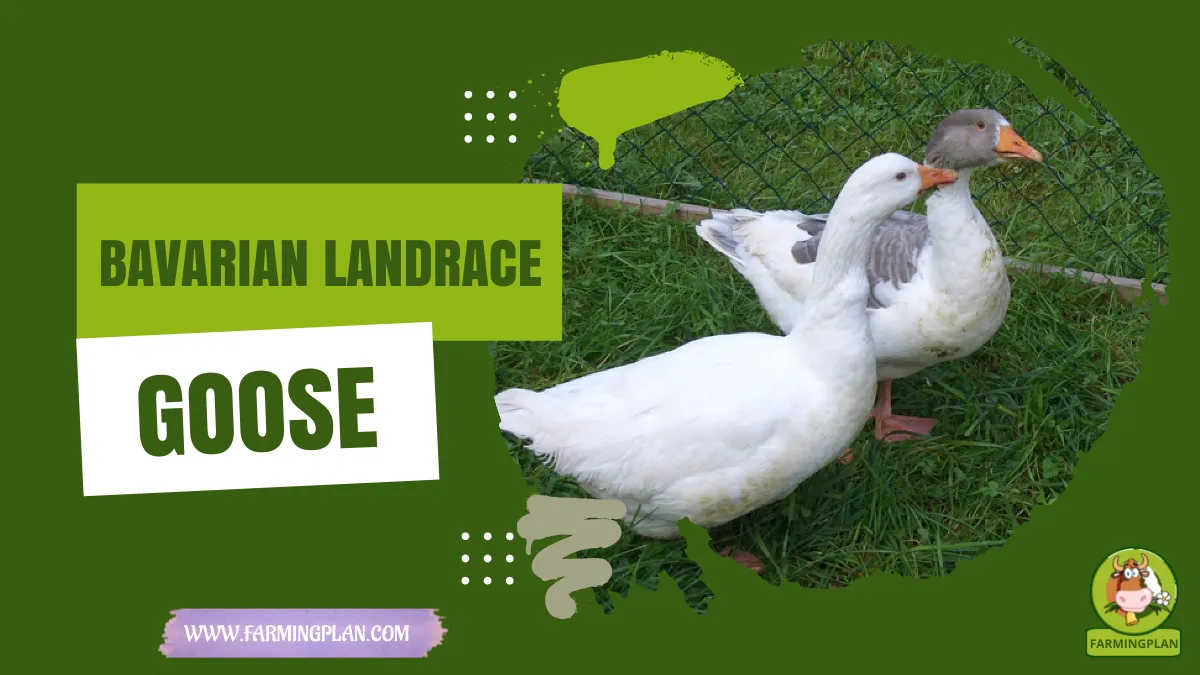
When you walk out to my pasture, you immediately notice the distinct look of these medium-sized birds. They feature a clean, streamlined body without the massive dewlap or heavy keel seen on show-type Toulouse Geese or big brown goose varieties. Their plumage generally ranges from classic gray saddleback and landrace gray tones to crisp white patches. They sport a strong orange bill, bright alert eyes, and sturdy pinkish-orange legs that carry them easily across rugged terrain. Unlike a Chinese gander with a prominent knob or a goose with a wattle, these birds retain a natural, functional wild-type head profile.
In my experience, standard weights for adult ganders hover around 5 to 6 kilograms, while geese weigh slightly less. This compact size makes them far more agile than giant Embden geese or heavy American Buff birds. Their dense, weather-resistant feathers keep them warm during harsh freezing winters and dry during torrential spring rains. While they lack the auto-sexing feather colors of a West of England Goose or Pilgrim Geese, experienced breeders easily spot mature ganders by their proud posture and higher voice. Their functional biology makes them one of the most balanced, practical livestock birds you can raise.
Nature, Temperament, and Farm Dynamics of Bavarian Landrace Goose
I always tell new poultry owners that temperament can make or break your farming experience. Fortunately, these regional birds display a remarkably calm, confident, and curious attitude around the yard. They are far less aggressive than Male Chinese goose strains, making them a pleasure to manage daily. They establish a clear social structure within the flock and alert you to unusual noises without endless, noisy honking. I love watching my ganders protect the flock while maintaining a gentle posture toward human caretakers.
These birds naturally form strong pair bonds and exhibit fantastic group cohesion when grazing in open pastures. They interact peacefully with other farm animals like ducks, sheep, and heritage chickens. If you handle goslings early using gentle imprinting techniques, they grow into affectionate, trusting adults that follow you around the farm. Their alert personality also makes them excellent natural sentinels against small predators. They balance wild survival instincts with farm-friendly behavior, creating a harmonious environment on your property.
Food, Diet, and Pasture Management of Bavarian Landrace Goose
Feeding my flock is remarkably affordable because these birds excel at pasture grazing. Their strong bills and efficient digestive systems allow them to harvest wild grasses, clover, weeds, and seeds with ease. During spring and summer, a healthy pasture supplies up to 80% of their total dietary needs. I rotate my flock through fresh paddocks to ensure they always have access to succulent forage and clean ground. This low-input feeding model cuts grain costs dramatically while boosting bird health.
To keep your flock in top condition year-round, you must supplement their natural diet with balanced nutrition during winter and breeding seasons. I provide clean wheat, barley, and whole oats alongside a commercial waterfowl feed rich in essential vitamins. Never feed moldy grain, bread scraps, or processed human foods, as these cause severe digestive issues like angel wing. Always supply plenty of grit and fresh, clean drinking water near their feeding stations. Clean water helps them wash down dry feed and cleans their nasal passages properly.
Usage and Farm Purpose of Bavarian Landrace Goose
I raise these birds primarily for their incredible versatility on the small farm. Historically, smallholders kept them as multi-purpose livestock, valuing them for seasonal meat production, high-quality down feathers, and rich eggs. Their meat is lean, finely textured, and far less greasy than commercial utility breeds. They produce wonderful roasting birds for holiday meals, carrying rich heritage flavor that chefs adore. Their dense under-flourish of down soft feathers also provides superb insulation material for traditional bedding.
Beyond meat and down production, these geese serve as superb natural weeders in orchards and large vegetable gardens. Their sharp eyes and persistent grazing habits keep grass short around fences, reducing your need for lawnmowers or chemical herbicides. Female geese lay between 20 to 40 large, nutrient-dense eggs each spring season. While they lay fewer eggs than specialized commercial hybrids or White Chinese geese, their eggs are rich, delicious, and ideal for baking. They fit seamlessly into sustainable, regenerative farming systems.
Special Features of Bavarian Landrace Goose
One outstanding quality of this European landrace is its remarkable climate resilience. Having evolved in high-altitude alpine zones, these birds handle freezing snowstorms and damp mud seasons with zero fuss. Their dense feathering and tough feet protect them from cold injury where other delicate breeds suffer. I rarely see my birds seek shelter during chilly rainstorms; they simply keep grazing happily outside. Their robust immune systems give them an edge over highly inbred commercial poultry strains.
Another rare trait is their exceptional mothering capability and natural broody instinct. Unlike modern commercial utility birds that lost their maternal drives, these females readily build deep nests, sit on eggs, and hatch goslings naturally. They guide their young to sweet grass, protect them from cold winds, and guard them ferociously against crows or hawks. Their strong foraging instincts pass directly to their offspring, ensuring high gosling survival rates without constant human intervention or artificial heating.
Health Issues, Care, and Prevention of Bavarian Landrace Goose
Even though this heritage breed boasts rugged health, good management keeps serious diseases far away from your farm. Common poultry ailments like fowl cholera, duck virus enteritis, and coccidiosis can affect stressed or dirty flocks. External parasites like lice and mites sometimes hide in damp bedding, causing feather damage and skin irritation. Internal parasites like gizzard worms can slow down growth in young goslings if they graze on muddy, contaminated paddocks.
Prevention always beats treatment on my farm, so I maintain strict bio-security and clean husbandry practices. I keep housing dry, clean out dirty bedding weekly, and ensure fresh air flows through the barn continuously. Providing deep water troughs or clean ponds lets the birds submerge their heads, which keeps their eyes and nostrils healthy and clean. I schedule regular fecal checks to monitor internal worm counts and offer dusting areas with clean wood ash and sand. This simple routine keeps my flock active, bright-eyed, and disease-free all year.
“True Joy On The Farm Begins With A Healthy Flock Of Heritage Geese Walking Through Green Pastures Every Single Morning.”
Step-by-Step Farming Guide and Care Blueprint
Raising a thriving flock requires a systematic approach, whether you start with day-old goslings or mature breeding stock. Here is my complete, battle-tested operational guide to help you build a successful homestead setup from day one. Choosing to raise the Bavarian Landrace Goose allows you to preserve rare European genetic diversity while enjoying a calm, quiet, and disease-resistant bird that handles cold winters with ease.
Step 1: Planning Your Brooder Setup and Housing Infrastructure
Setting up your brooder house correctly ensures your young birds survive their first vulnerable weeks of life. I construct draft-free brooder boxes lined with fresh wood shavings, avoiding slippery newspaper that causes splayed legs. Install reliable heat lamps or radiant brooder heaters suspended safely above the bedding floor. Keep the temperature around 90 degrees Fahrenheit during the first week, gradually lowering it by five degrees each week until fully feathered. Provide shallow waterers fitted with marbles or rocks so chicks drink safely without drowning or getting soaked. Maintain clean, dry conditions constantly to prevent chilling and bacterial growth.
Step 2: Preparing Pasture Fencing and Water Features
Once your young birds reach four weeks of age, transition them gradually to outdoor pasture runs. Build sturdy predator-proof fencing at least four feet tall using woven wire or electric poultry netting to deter foxes, stray dogs, and coyotes. Provide access to clean, fresh pasture rich in leafy grasses, clover, and dandelion greens. Install simple open-water setups like stock tanks or small farm ponds where birds can swim, bathe, and wash their feathers daily. Ensure water access points feature gentle slopes or ramps so birds enter and exit safely without slipping or drowning. Clean and refill water basins frequently to maintain pristine hygiene standards.
Step 3: Establishing Daily Feeding and Seasonal Nutrition Routines
Developing a consistent daily feeding schedule keeps your flock healthy, happy, and growing at an ideal rate. Offer commercial non-medicated starter crumbles for the first six weeks before introducing grower pellets alongside fresh pasture access. Always provide free-choice granite grit to help their gizzards process coarse pasture grasses and whole grains effectively. Supplement winter diets with whole grains, alfalfa hay, and fresh root vegetables like carrots or pumpkin when green pastures lie buried under heavy snow. Clean all feed troughs daily to prevent mold growth, wild bird contamination, or rodent infestations around your barnyard.
Step 4: Managing Breeding, Nesting, and Gosling Hatching
Prepare your breeding pens in early spring by pairing one healthy gander with two or three mature females for optimal egg fertility. Construct private, dark nesting boxes lined with clean straw in quiet corners of your barn or coop. Collect eggs daily if using mechanical incubators, or allow broody females to clutch 8 to 12 eggs naturally. Maintain incubator temperatures at 97.5 degrees Fahrenheit with 60 percent humidity, turning eggs daily until hatching on day 28 to 30. Allow broody mothers quiet space to hatch and raise their brood naturally, offering extra protection against predators during early weeks.
Step 5: Implementing Biosecurity, Health Monitoring, and Flock Maintenance
Protecting your investment requires daily health checks and strict barnyard biosecurity measures. Walk through your pasture every morning to observe bird movement, breathing, eye clarity, and overall flock energy levels. Isolate any sick or injured bird immediately in a clean quarantine pen away from the main flock. Quarantine all incoming stock for at least thirty days before introducing them to your established breeding groups. Clean boots, tools, and feeding gear regularly to stop outside pathogens from entering your farm grounds. Maintain detailed breeding logs to track line purity, hatch rates, and long-term genetic health.
Read More: Angoni Cattle: Master Powerful Native Beef Farming
Expert Tips and Best Practices for Success of Bavarian Landrace Goose
- Practice gentle daily handling during morning feeding so your birds remain calm, manageable, and easy to herd across pastures.
- Move mobile pasture shelters every few days to prevent overgrazing and maintain clean, green pasture cover for your flock.
- Offer fresh greens like chopped lettuce, kale, and dandelion leaves to young goslings as a healthy reward during early training sessions.
- Install high-intensity motion lights and solar night predators guards around perimeter fencing to keep nocturnal predators far away from pens.
- Keep detailed breeding books recording leg band numbers, hatch dates, parentage, and egg production metrics to protect pure heritage lines.
- Provide deep straw bedding inside winter housing to insulate bird feet against severe frostbite during sub-zero night temperatures.
- Mix fresh wood ash into dry dust-bathing areas to control external lice and feather mites naturally without chemical treatments.
FAQs
What does a Bavarian Landrace Goose eat on the farm?
These geese thrive on fresh pasture grass, clover, and wild weeds during warmer months. You should supplement their diet with whole grains, waterfowl pellets, and fresh water.
How many eggs does a female goose lay each year?
A healthy female typically lays between 20 to 40 large white eggs every spring. Production depends heavily on feed quality, daylight hours, and overall bird health.
Are these geese friendly toward children and other farm animals?
Yes, they possess a naturally calm and docile temperament when handled gently from an early age. They get along well with duck flocks, chickens, and larger farm livestock.
Can this heritage breed handle freezing winter climates?
They possess incredible cold hardiness due to their alpine history and thick down feathers. They require simple draft-free shelter, dry bedding, and liquid water to thrive in snow.
Why should I choose this rare breed over commercial geese?
This rare breed offers superior foraging ability, strong mothering instincts, high disease resistance, and excellent meat flavor. Raising them supports vital global poultry conservation efforts.
Conclusion
Raising the Bavarian Landrace Goose on my farm has shown me the true value of preserving functional, rustic heritage livestock. These resilient birds bring unmatched foraging efficiency, gentle temperaments, and exceptional self-sufficiency to any small agricultural operation. By choosing this rare alpine breed, you gain an active weed controller, a dependable seasonal layer, and a beautiful addition to your homestead pasture. We need more dedicated breeders, hobbyists, and farmers to step forward and protect these historic genetic lines for future generations. I encourage you to join local conservation networks, source high-quality breeding stock, and welcome these wonderful birds to your farm today!