If you are looking to become a successful farmer and make money off of your livestock, you should consider investing in Afar Cattle. Originating from Ethiopia’s Danakil Depression, the Afar cattle feature thick horns, long horns and a cervicothoracic hump that give them a unique physical structure – perfect for those farmers who want their livestock to stand out! Not only this but this breed of cattle is an ideal choice for medium-sized farms due to its flexibility. In this blog post we will take you step-by-step through choosing the best Afar Cattle for farming business and discuss everything from breeding methods to optimal conditions for these hardy creatures. So read on if you’re ready to begin your journey as an Afar Cattle farmer!
History & Origin – Roots of a Resilient Breed
Afar Cattle have a long history tied closely to the Afar culture and the nomadic lifestyle of the Afari pastoralists. I’ve studied how these communities move across the Ethiopian desert, especially around Assaita and the Danakil desert, searching for grazing land and water. Their cattle evolved alongside them, adapting to extreme heat, drought, and poor vegetation. Over generations, Afar pastoralists used intrabreed selection rather than modern breeding systems. They selected animals based on survival ability, milk yield, and resistance to disease. This natural selection created a strong, resilient breed without relying on formal pedigree systems.
Genetic Background and Development
Afar cattle share characteristics with Near-Eastern and Arabian zebu types, with influences from Sanga cattle, which combine zebu and taurine genetics. Compared to other Ethiopian breeds like Fogera cattle or Raya cattle, Afar cattle show better drought resistance but slightly lower milk production. From what I’ve seen, their development focuses more on survival than high productivity. That’s why they remain a valuable genetic resource for future breeding programs, especially in regions facing climate change.
Characteristics – Physical Traits and Adaptations
Body Structure and Appearance
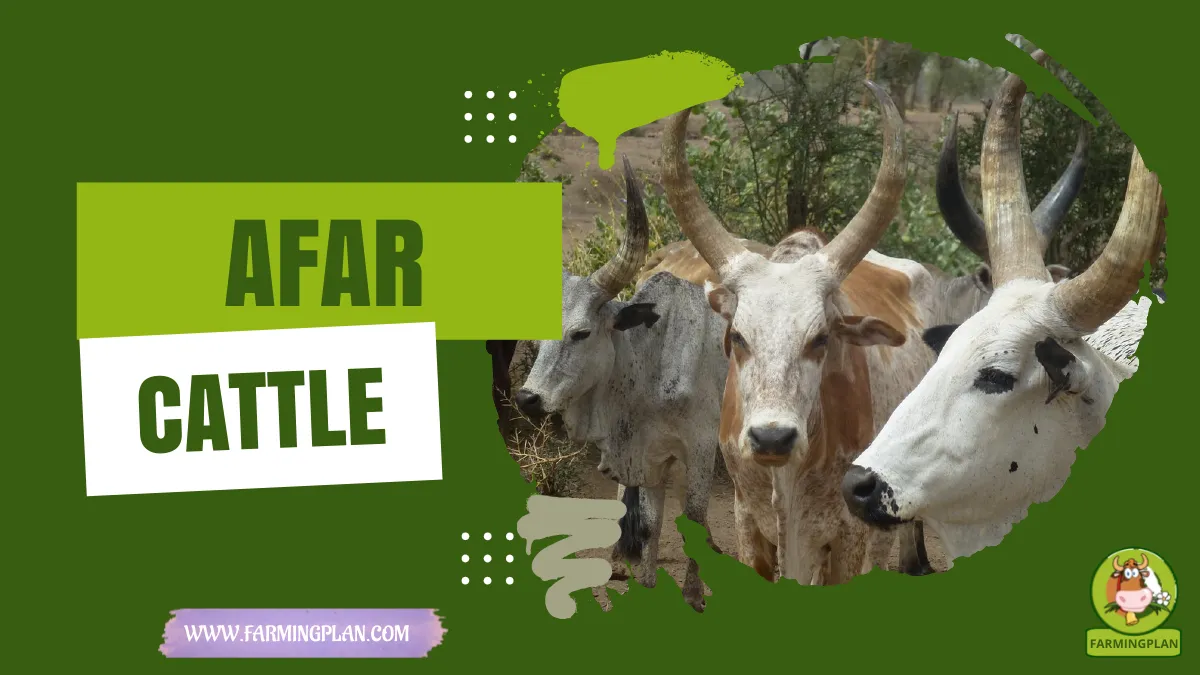
Afar cattle have a medium-sized body with a lean but strong build. I’ve noticed their hump is well-developed, a clear sign of their zebu ancestry. Their coat color varies from light brown to grey, helping them reflect heat in the desert environment. Their horns are usually short to medium and slightly curved. The skin is loose, which helps regulate body temperature in hot climates. These features allow them to survive in desert fringe conditions where other breeds struggle.
Adaptation to Harsh Environments
One thing I always point out is their incredible tolerance to heat and water scarcity. They can walk long distances across dry rangelands without losing condition quickly. Their metabolism adjusts to low-quality forage, which is common in the Ethiopian desert. They also show good resistance to diseases compared to many high-yield breeds. This makes them ideal for low-input farming systems where resources are limited.
Nature/Temperament – Behavior and Handling
Calm Yet Alert Personality
From my experience handling Afar cattle, I find them generally calm but alert. They respond well to familiar handlers but may act cautious around strangers. This behavior comes from their life in open rangelands where survival depends on awareness. They adapt well to group living, which suits the nomadic pastoralists who manage large herds. Their social nature makes herd management easier.
Suitability for Farmers
Afar cattle are perfect for farmers who prefer low-maintenance animals. They don’t demand intensive care or constant feeding. I often recommend them to small-scale farmers working in dry regions. However, beginners should understand their semi-wild instincts. Regular interaction helps build trust and makes handling easier over time.
Read More: Hereford Cattle: The Balanced Breed for Any Farm
Feed
The Afar Cattle’s diet consists of various plants and grasses that is found in their natural habitat, the western margins of the Danakil Depression in Ethiopia. These plants and grasses are an integral part to the cattle’s lifestyle as it provides them with nutrients, energy and strength. Furthermore, due to their long horns, they are able to graze on taller grasses and navigate through rough terrain. In order to ensure maximum nutrition intake, farmers often rotate their pastures every few weeks so that the land has time to properly restore itself. When feed is scarce, farmers also supplement the feed with cereals such as maize or sorghum. This allows for a nutrient rich meal for each of the Afar cattle ensuring that each one remains healthy and strong.
Usage
The Afar cattle are a unique breed of domesticated livestock found mainly in Ethiopia. They have been used by the people of the Danakil Desert for centuries for their various uses. These bovine creatures have thick and long horns, as well as a characteristic cervicothoracic hump which makes them well adapted to mountainous regions. Despite their small size, they provide much needed sustenance to local populations through the production of meat and dairy products, while also serving as beasts of burden. In addition, they are seen in ceremonies and festivals across Ethiopia, where they help to further tradition and bring people together. The Afar Cattle have proven to be an invaluable tool amongst their human keepers over the centuries.
Special Feature
The Afar Cattle boast many unique features, such as thick and long horns and a cervicothoracic hump. These characteristics make them stand out when compared to other cattle varieties as they are easy to spot. These special traits makes them perfectly suited for the environment of the western margins of the Danakil Depression in Ethiopia where they can be found. Not only that, but their striking appearance also increases their market value which means that they remain an essential part of local communities.
Economic Impact
The Afar cattle have a major economic impact on the local cattle-rearing business in Ethiopia. Found mainly in the western margins of the Danakil Depression, these strong and proud beasts can be found in large herds, grazing and providing sustenance for people living in the region. With thick and long horns as well as a cervicothoracic hump, they withstand drought, heat, and other challenging conditions to provide milk and meat to the local people. This helps to create and maintain job opportunities, both direct from their consumption as a primary source of food, but also indirect through trade with nearby towns that buy the produce for sale. This brings in capital to Ethiopia’s economy which is heavily reliant on agriculture and associated businesses of many sorts. These same challenging conditions also promote important resilience skills within Afar communities so they can continue their craft even when resources are scarce.
Breeding Practices for Afar Cattle
In the isolated and arid terrain of Ethiopia’s western Danakil Depression, the survival of Afar cattle largely relies on thoughtful, traditional breeding practices. Generations of pastoralists have developed methods and techniques to maintain a thriving herd, such as maximizing production of offspring through optimal utilization of resources, selecting only animals with desirable traits, and focusing on preparing them to be long-term milk producers. Other key practices include using a diverse blend of breeds to increase fertility while ensuring sustainability, castration to make bulls more manageable, keeping careful records of animal health and pedigree, and allowing cows that are not producing enough milk or producing calves quickly to be sold off or retired. While new practices and technology is certainly available for prospective Afar cattle owners, the traditional methods developed over centuries still form the basis for optimal breeding approaches in this specialized terrain.
Health Issues & Prevention – Keeping Them Strong
Common Diseases
Even though Afar cattle are hardy, they still face health challenges. One major concern is Bovine respiratory disease, often linked to Pasteurella multocida and Pasteurella species. This condition, also known as shipping fever, can affect breathing and productivity. Studies using blood samples and cross-sectional study methods often measure seroprevalence and identify serotype A2. Tools like chi-square test, Microsoft Excel, and SPSS Version 20 help analyze these results.
Prevention and Control Measures
I always recommend:
- Regular vaccination programs
- Monitoring symptoms early
- Maintaining hygiene in shelters
- Practicing proper culling of weak animals
Strong control measures reduce disease spread and improve herd health.
Step-by-Step Farming Guide – Raising Afar Cattle Successfully
Getting Started with Afar Cattle Farming
When I start raising Afar cattle, I focus on simple but effective steps. These cattle don’t need fancy setups, but they do need smart management. If you follow the right process, you can build a healthy and productive herd even in tough environments.
Step 1 – Selecting the Right Animals
I always begin by choosing healthy animals with good body condition scores. Look for active cattle with clear eyes and smooth coats. Avoid animals showing signs of disease or weakness. If possible, learn about their background, even though formal pedigree records may not exist.
Step 2 – Setting Up the Environment
Afar cattle thrive in open areas. I create a simple shelter that protects them from extreme weather but allows airflow. Make sure the area has access to grazing land. These cattle depend heavily on natural rangelands, so space is important.
Step 3 – Feeding and Water Management
I rely on natural grazing but provide supplements when needed. During dry seasons, I add hay or crop residues. Water access is critical. Even though they tolerate scarcity, regular hydration improves health and productivity.
Step 4 – Health Care Routine
I follow a strict health schedule. Vaccination helps prevent diseases like Pasteurella multocida infections. I also check animals regularly for signs of illness. Early detection saves both time and money.
Step 5 – Breeding and Herd Growth
I use natural breeding methods, just like traditional Afar farmers. Selecting strong animals ensures better offspring. Avoid overbreeding and practice proper culling to maintain herd quality.
Strong Cattle Grow Where Care Meets Harsh Land And Smart Farming Wins Every Time
Expert Tips & Best Practices – My Proven Advice
Smart Farming Tips
- Choose animals adapted to your climate
- Focus on survival traits, not just production
- Maintain clean water sources
- Observe cattle behavior daily
- Keep records for better management
Success Strategies
- Work with local knowledge and traditions
- Use low-cost feeding methods
- Monitor health regularly
- Build a strong, resilient herd over time
FAQs
What are Afar cattle known for?
Afar cattle are known for their strong survival ability in hot, dry environments. They adapt well to poor feed and limited water conditions.
Where are Afar cattle found?
They are mainly found in Northeastern Ethiopia, especially in the Afar Region and desert fringe areas.
Are Afar cattle good for milk production?
They produce moderate milk compared to high-yield breeds. However, they maintain production even in harsh conditions.
What do Afar cattle eat?
They mainly graze on natural vegetation like grasses and shrubs. They can survive on low-quality forage.
How do farmers prevent diseases in Afar cattle?
Farmers use vaccination, hygiene practices, and early detection methods to control diseases.
Conclusion
Afar Cattle is one of the most difficult and versatile livestock breeds that I have dealt with. They are simply invaluable to farmers in arid areas due to their survival under extreme conditions coupled with their cultural and economic significance. These cattle provide both opportunity and endurance to the Afar people because of their strong bond with the people of Afar and their contribution to the modern farming systems. Considering breeding a low-input breed which yields consistent returns, this one is worth considering. I would like you to think, ask, or even initiate your own farming with Afar cattle, as the smart farming process starts with the appropriate knowledge and breed.