Starting a commercial reptilian enterprise requires strict planning, and mastering basic crocodile farming requirements ensures your setup runs smoothly while meeting every legal standard. Over my years as a wildlife farming specialist, I have guided many growers through building secure habitats, maintaining ideal water quality, and sourcing high-protein feed.
Whether you want to explore exotic leather production, produce high-grade meat, or support wildlife conservation through sustainable breeding programs, setting up a fully licensed facility demands deep commitment. I wrote this guide to help you check your readiness, choose the best location, design escape-proof pens, and build a profitable business while protecting local ecosystems.
History & Origin of Crocodile Farming Requirements
Commercial crocodile rearing began as a response to severe overhunting in the early twentieth century. In areas like Southern Africa, Australia, and Southeast Asia, wild populations dropped rapidly because of unregulated poaching and habitat loss. To save these magnificent reptiles, conservation groups partnered with regional governments to introduce captive ranching frameworks. In places near the Great Limpopo Transfrontier Conservation Area, community-based programs helped transform local economies.
These early projects showed that raising reptiles under controlled conditions reduced pressure on wild populations while providing income through trophy hunting, eco-tourism, and commercial exports. Organizations like the UNDP and regional bodies such as the Environment Management Agency helped refine early regulatory standards. Over time, farmers transitioned from simple wild egg collection to fully closed-cycle breeding farms. Today, modern farms operate under strict international agreements like CITES to fight illegal poaching and protect wild ecosystems.
Read More: Abyssinian Short Horned Zebu Cattle Mastery
Characteristics of Crocodile Farming Requirements
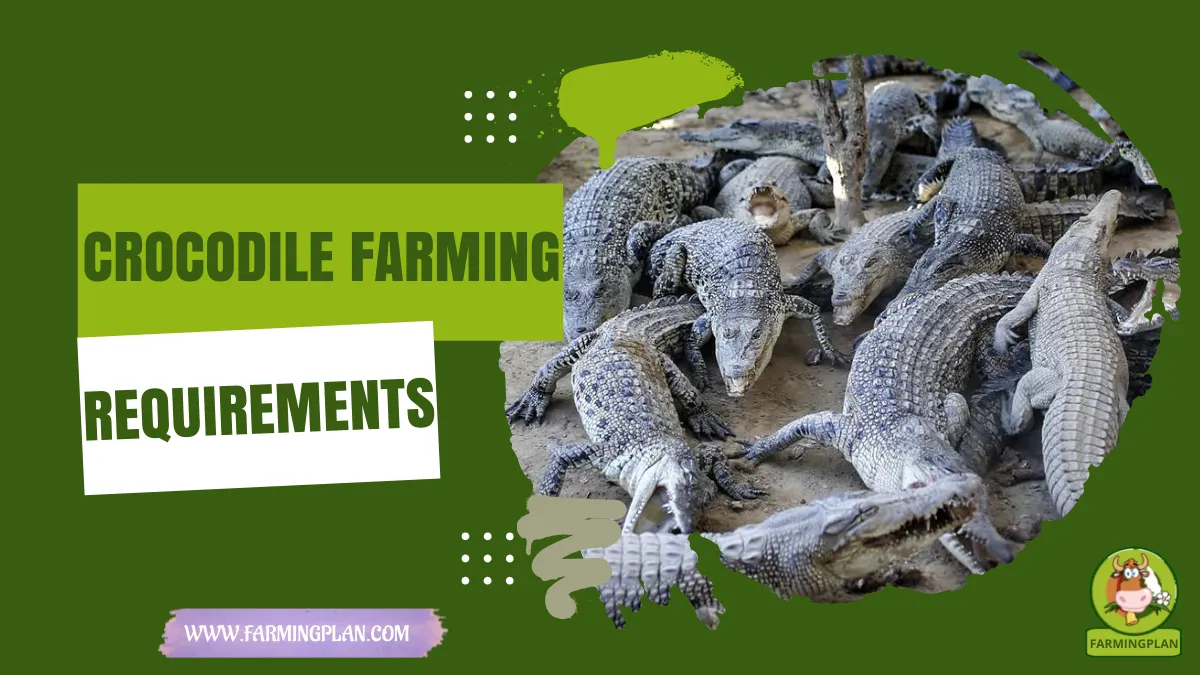
Crocodiles are ancient apex predators with impressive biological adaptations. They feature heavy armored scales reinforced with bony plates called osteoderms along their backs. Their coloration ranges from deep olive-green to tan and greyish-brown, which provides excellent camouflage in murky river waters. Their eyes, ears, and nostrils sit on top of their head. This trait lets them stay mostly submerged while carefully watching their surroundings. They also possess powerful jaw muscles that generate thousands of pounds of pressure per square inch.
Nature/Temperament of Crocodile Farming Requirements
Crocodiles possess strong predatory instincts and do not form personal bonds like traditional farm animals or pets. They are territorial, reactive creatures that respond purely to environmental cues, feeding schedules, and physical threats. Their calm demeanor near water edges can mislead inexperienced handlers. They strike with incredible explosive speed when agitated or when they sense prey.
Adult males show high aggression during the breeding season, requiring separate pens to prevent severe fights and skin damage. Safe handling requires clear boundaries, skilled staff, and specialized tools like long catching poles, mouth ropes, and secure holding crates. You must respect their natural instincts to run a safe, injury-free operation.
Food & Diet of Crocodile Farming Requirements
Feeding stock requires a carefully balanced, protein-rich diet to ensure steady growth and high skin quality. Crocodiles possess slow, temperature-dependent metabolisms, so feed intake varies based on seasonal temperatures and water heat. Fresh poultry by-products, lean fish, beef trimmings, and minced horse meat form the core of a balanced farm diet.
I mix ground bone meal and calcium supplements into every batch to ensure proper skeletal development and prevent soft-bone disorders. Feeding crocodilians requires a strict, protein-dense diet that mimics their wild hunting habits. Young hatchlings need small, easily digestible meals, while adults thrive on larger whole prey.
- Do: Keep all raw feed stored at low frozen temperatures to prevent harmful bacterial growth.
- Do: Add calcium and vitamin mixes to support strong bone development and healthy scutes.
- Don’t: Feed spoiled, rotten, or heavily salted meat products to your stock.
- Don’t: Overfeed young stock, as rapid growth can lead to serious joint deformities.
Usage/Purpose of Crocodile Farming Requirements
Commercial crocodile farming serves several profitable industries worldwide. The primary revenue stream comes from luxury leather, which top fashion houses use to manufacture premium handbags, boots, watch straps, and belts. The second major product is high-quality crocodile meat. This lean, protein-rich meat contains very little fat and low cholesterol, making it popular in high-end domestic and export markets. Beyond leather and meat, secondary markets process teeth, claws, and bones into unique jewelry and traditional crafts. Many large facilities also run educational guided tours to bring in steady daily revenue.
Special Features of Crocodile Farming Requirements
Crocodiles possess impressive biological adaptations that allow them to thrive under controlled conditions. Their specialized immune system protects them against serious bacterial infections, allowing clean skin healing even after aggressive bite wounds. Another unique trait is their metabolic efficiency. Crocodiles convert consumed protein into body mass far more efficiently than standard mammalian livestock like cattle or sheep.
Furthermore, their cardiovascular system allows them to stay submerged underwater for extended periods during daily pen cleaning operations. Their durable hide and temperature-regulating basking behaviors allow them to thrive in harsh climates when warm water and shade are provided. Crocodiles possess amazing physical traits that help them survive in harsh conditions. Their specialized circulatory system features a unique four-chambered heart with a valve that lets them divert blood away from their lungs while diving deep under water.
- Powerful Immune System: Their blood contains natural antimicrobial proteins that rapidly fight off severe infections and bacterial wounds.
- Superb Thermal Regulation: They regulate their internal temperature by basking in the sun or resting in cool water.
- Sensory Pits: Small integumentary sensory organs along their scales detect tiny pressure changes and vibrations in water.
- Incredible Longevity: Healthy captive crocodiles can easily live between 50 and 70 years under proper care.
Health Issues & Prevention of Crocodile Farming Requirements
Maintaining clean water and good pen hygiene is essential for preventing dangerous diseases in captive reptiles. Unclean living quarters cause chronic stress, weak immune responses, and lower growth rates. You can avoid most health issues by running water filtration systems, cleaning feeding ramps daily, and keeping water temperatures warm. Quarantine new stock for 30 days before adding them to main pools.
Maintaining strict sanitation prevents costly health problems. Poor water quality and high stress trigger rapid disease outbreaks that threaten your whole herd.
- Skin Lesions & Pox Virus: Caused by dirty water and high stress. Symptoms include white or brown crusty spots on the skin. Treat by improving water filtration, adding antibacterial dips, and reducing pen density.
- Gastrointestinal Infections (Salmonella): Caused by feeding spoiled meat or unclean feeding slabs. Symptoms include lethargy, loss of appetite, and sudden death. Prevent by enforcing strict meat temperature storage and washing feeding zones daily.
- Metabolic Bone Disease: Caused by poor calcium and vitamin D levels. Symptoms include swollen jaws, soft bones, and weak limbs. Prevent by adding direct mineral supplements to all meat meals.
“A Secure Farm Built With Patience Yields Unmatched Long-Term Rewards.”
Step-by-Step Farming Guide for Crocodile Farming Requirements
Establishing a commercial reptile production system requires careful design, substantial capital investment, and strict regulatory adherence. You must satisfy critical Crocodile Farming Requirements before purchasing your first batch of eggs or breeding adults. Following a methodical, step-by-step construction plan ensures maximum operational efficiency, worker safety, and long-term business success.
Overview of Operational Setup
Starting a full commercial enterprise requires a clear, organized roadmap. I built this detailed guide from years of practical field experience to help you set up your operation correctly. Setting up a commercial farm requires careful research, strong investments, and strict adherence to government regulations. You must select a warm climate location with reliable freshwater sources, clear legal permits, and secure perimeter barriers. Below is your complete step-by-step path to building a successful rearing facility.
Step 1: Secure Permits, Legal Approvals, and Choose Your Farm Location
Before purchasing land or building concrete pens, you must secure all necessary commercial permits and environmental clearances. Contact your local wildlife conservation department, agricultural agency, and environmental management bodies to apply for captive breeding licenses. Make sure your land plan complies with CITES regulations to allow legal product exports later on.
Select a site in a tropical or warm subtropical climate zone where ambient temperatures stay between 28°C and 34°C year-round. You need direct access to clean freshwater, such as a high-yield bore well or river connection. Build your facility away from dense urban centers to prevent noise stress, but ensure you have reliable road access for heavy transport trucks.
Step 2: Construct Escape-Proof Enclosures, Ponds, and Fencing Systems
Designing safe, escape-proof pens is crucial for running a secure crocodile farm. Enclose your entire property with a heavy-duty perimeter chain-link fence at least 2.5 meters tall, buried 50 centimeters into the ground to stop burrowing.
Inside your perimeter, build specialized enclosures for different age groups: hatchlings, growers, and adult breeders. Use smooth concrete walls for grower pens to prevent skin abrasions. Give every pen a gentle slope that transitions smoothly from dry basking areas into clean water basins. Install efficient drainage valves so workers can drain, scrub, and refill pools without stressing the stock.
Step 3: Set Up Controlled Egg Collection, Nesting Banks, and Incubation Facilities
Breeding adult stock requires large, deep lagoons paired with soft, sandy nesting banks. Maintain a female-to-male ratio of roughly four females for every one male to reduce aggression during mating seasons.
During nesting months, check sandy banks daily for newly laid egg clutches. Mark the top of each egg with a soft pencil before moving it; turning eggs over can destroy the fragile developing embryo. Move eggs directly into controlled incubator rooms kept at 31°C to 33°C and 90% relative humidity. Keeping temperatures near 32°C produces a higher ratio of male hatchlings, which grow faster and yield larger commercial sizes.
Step 4: Implement Daily Feeding Schedules, Water Sanitation, and Health Care
Once hatchlings emerge, move them into indoor nursery tanks filled with shallow, warm water. Feed young stock finely chopped fish, poultry trim, and fortified meat premixes four to five times a week. As stock grows into intermediate grower pens, switch to whole poultry pieces and fresh fish two or three times a week.
Water quality directly impacts hide grade and overall animal health. Drain dirty pool water regularly or run industrial bio-filters to keep ammonia levels low. Keep detailed daily logs tracking feed intake, water temperatures, and animal growth rates. Isolate any injured or slow-growing animals immediately to prevent aggression from pen-mates.
Step 5: Execute Ethical Processing, Skin Harvesting, and Export Marketing
Crocodiles reach harvest size between three and four years of age, when their belly skin reaches optimal width for luxury goods. Separate harvest-ready stock into clean, isolated conditioning tanks for a few days to protect their hides from scratches. Handle all stock humanely according to regional animal welfare rules and legal requirements.
Skilled technicians must carefully remove belly hides, trim remaining flesh, and preserve skins with coarse sea salt. Store salted hides in chilled rooms before sending them to certified tanneries. Package lean meat cuts in vacuum bags and blast-freeze them for sale to domestic restaurants and international buyers.
Read More: German Landrace Pig Care Guide for Top Breeding Success
Expert Tips & Best Practices for Crocodile Farming Requirements
- Build Double Security Gates: Always install double-door access entries on every enclosure to prevent accidental escapes during daily cleaning.
- Maintain Warm Water Temperatures: Keep water temperatures around 30°C to support rapid digestion and strong immune systems.
- Group Stock by Size: Sort growing stock by physical length every few months to stop larger animals from dominating smaller pen-mates.
- Use Smooth Concrete Finishes: Coat pool ramps with smooth epoxy resin to protect delicate belly scales from rough scratches.
- Maintain Detailed Supply Records: Save all feed delivery invoices, health logs, and processing records to simplify CITES export inspections.
FAQs
Is crocodile farming profitable for new entrepreneurs?
Yes, crocodile farming can be highly profitable due to the high market value of luxury leather and lean meat. However, it requires significant initial capital, specialized infrastructure, and patience while stock grows to commercial size.
Is crocodile farming legal in most regions?
Crocodile farming is legal in many countries, provided you secure official licenses from local wildlife authorities and follow international CITES agreements. Unlicensed breeding or wild egg poaching remains strictly illegal worldwide.
What is the biggest crocodile farm in the world?
The Samut Prakan Crocodile Farm and Zoo in Thailand is recognized as the largest crocodile farm in the world. It holds over 100,000 crocodilians across its extensive breeding facilities and tourism enclosures.
How long does it take to raise a crocodile for leather production?
It typically takes three to four years for a crocodile to reach optimal commercial size for high-grade leather harvesting. At this stage, the belly hide reaches the ideal width required by luxury fashion tanneries.
What do commercial crocodile farms feed their stock daily?
Farms feed their stock protein-rich diets consisting of fresh fish, poultry offal, beef trim, and fortified commercial pellets. Feeding schedules range from four times a week for young hatchlings to once or twice a week for mature adults.
Conclusion
Building a successful business requires meeting strict crocodile farming requirements, securing proper permits, and maintaining consistent daily care. Over the years, I have seen dedicated growers transform basic setups into thriving, world-class facilities that support conservation and yield premium products. By focusing on escape-proof enclosures, clean water systems, and balanced nutrition, you can build a secure and highly profitable operation. Success in this unique industry takes patience, hard work, and a strong commitment to best practices. If you are ready to take the next step toward launching your own farm, leave a comment below with your questions, share this guide with fellow breeders, or contact us today to share your thoughts!