
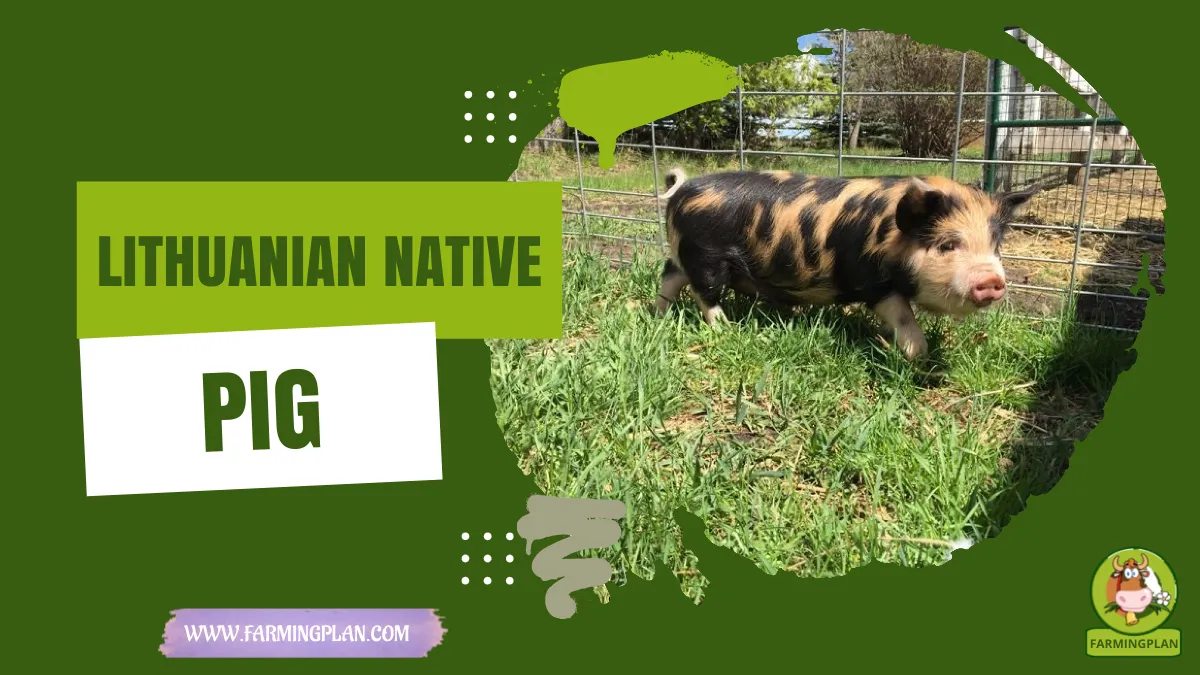
I have spent over fifteen years working as a livestock specialist, and few animals capture my heart quite like the Lithuanian Native Pig. Known locally as Lietuvos vietinė, this remarkable local breed represents a crucial part of European agro-biodiversity. When I first visited rural Lithuania to inspect local swine herds, I immediately fell in love with their calm demeanor and striking appearance. These deep-bodied pigs typically showcase famous black spots across their skin and bristle coats, making them stand out in any pasture.
Historically, smallholders raised these hardy animals across southern and eastern regions, allowing natural selection and local farming practices to shape an exceptionally resilient swine type. Today, organizations like the Slow Food Ark of Taste and the Institute of Animal Science at the Lithuanian Sports University (formerly Institute of Animal Science of LUV) champion their preservation. Despite historical threats from foreign introductions during the Soviet era, dedicated local breeders keep this traditional heritage stock alive.
History and Origin of Lithuanian Native Pig
The historical journey of the Lithuanian Native Pig is deeply tied to the cultural identity of rural Eastern Europe. Centuries ago, local farmers bred indigenous swine that adapted perfectly to local climatic conditions, cheap foraging, and rustic farmyards. These animals formed the genetic bedrock of local animal genetic resources. In the early twentieth century, agricultural scientists organized breeding efforts to refine performance while maintaining essential rustic traits.
However, political changes and shifting agricultural demands brought severe challenges. During the Soviet era, state farms pushed high-yield commercial lines like the Lithuanian White pig, Klaipėdos Tauragės breeds, and imported Russian breeds to maximize industrial meat output. Uncontrolled crossbreeding almost erased the pure Lietuvos vietinė line from existence. By the late 1990s, scientists at the Institute of Animal Science realized the breed stood on the absolute brink of extinction. They spearheaded an emergency conservation program, tracking down remnant purebred herds across remote farms.
Today, international networks record this precious stock in the Global Databank for Animal Genetic Resources (DAD-IS) managed by the FAO. Scholars from institutions like the University of Gastronomic Sciences in Pollenzo, Italy, highlight the pig in global sustainability projects like TREASURE. These efforts preserve vital genetic diversity, ensuring that this living monument of Lithuanian cultural history thrives for generations to come.
Read More: Blue of Sint-Niklaas Rabbit: A Rare and Beautiful Breed
Characteristics of Lithuanian Native Pig
Understanding the physical traits of this breed helps farmers identify authentic stock quickly. The typical Lithuanian Native Pig exhibits a sturdy medium-to-large frame with high physical endurance. One of their most distinctive morphological traits is the presence of skin folds and characteristic wattles on the lower neck. They possess large, drooping ears that hang forward over their eyes, protecting them from dust and harsh sunlight during outdoor foraging.
| Physical Attribute | Trait Description |
| Coat Color | Multi-colored, predominant white base with distinctive black spots |
| Body Structure | Deep chest, wide back, moderate body length, strong bone density |
| Head & Ears | Medium head size, straight snout profile, large forward-flopping ears |
| Neck Feature | Presence of skin wattles on the lower neck region |
| Average Weight | Boars: 250–320 kg; Sows: 200–250 kg |
In my hands-on evaluation of market stock, backfat thickness measures higher than commercial white breeds, yielding rich intramuscular fat. When scientists evaluate loin eye area using ultrasonic equipment Piglog, they find exceptional longissimus muscle quality. While the modern white Lithuanian breed grew leaner for mass commercial sales, the true native swine retains supreme fat composition. Their reproductive traits remain solid, with sows averaging 10 to 12 strong piglets per litter. Maternal instincts run exceptionally high, making farrowing smooth and stress-free for herd managers.
Nature and Friendly Temperament of Lithuanian Native Pig
I always tell new swine breeders that temperament makes or breaks your daily farm routine. Fortunately, the native pig of Lithuania boasts an outstandingly calm, friendly personality that makes herd management an absolute joy. Unlike restless industrial breeds, these heritage animals show low aggression toward handlers, neighboring livestock, and young farm visitors.
Their patient nature stems from centuries of close cohabitation with smallholder families in rural villages. Sows display gentle care toward newborn piglets, rarely showing unpredictable hostility during routine nest inspections. Boars remain easily trainable when handled with firm, quiet confidence from an early age. Their cooperative spirit makes them perfect for small-scale operations, family homesteads, educational farms, and beginner breeders who want to avoid high-stress animal handling.
Food, Feeding Guidelines, and Nutrition Needs of Lithuanian Native Pig
Proper feeding forms the foundation of any successful swine enterprise, especially when raising traditional heritage stock. Lithuanian native swine thrive on diverse, simple farm-sourced feeds rather than high-protein commercial concentrates. Because their digestive systems adapted to rustic forage, they convert coarse grains, root crops, and pasture greens with amazing efficiency.
Optimal Daily Diet Composition
I design daily feeding rations around home-grown forage, crushed barley, oats, fodder beets, cooked potatoes, and fresh pasture grasses. Including local legumes provides natural protein without expensive soybean meal imports. Adding dairy byproducts like whey or skim milk enhances meat flavor while boosting digestion health. Always keep clean, fresh water available through automatic drinkers or sturdy troughs.
Important Nutrition Dos and Don’ts
- Do supply mineral licks and balance salt intake to maintain bone health.
- Do rotatably graze herds on fresh pasture to encourage natural foraging behaviors.
- Don’t overfeed high-energy corn mixes, as heritage pigs easily accumulate excess backfat.
- Don’t offer spoiled kitchen scraps, moldy grains, or high-sodium human foods.
Usage and Purpose on Lithuanian Native Pig
This multi-talented heritage pig fulfills several key economic and agricultural roles on modern farms. Primarily, farmers value this breed for high-grade specialty meat production. The distinctive fat-to-lean balance produces incredible lard, rich bacon, and world-class traditional sausage products like Lithuanian skilandis.
Beyond meat production, these pigs play an essential role in sustainable local pork chains and organic pasture management. Their active rooting behavior helps aerate pasture soils, clear invasive weeds, and break up compact ground naturally. Moreover, maintaining purebred stock supports global biodiversity conservation initiatives. Breeders can sell verified breeding stock to specialized homesteaders while participating in high-value artisanal culinary markets championed by Slow Food movements.
Special Features of Lithuanian Native Pig
Several remarkable traits make this traditional swine breed truly special among global animal genetic resources. Their extreme climate resilience stands out immediately; they tolerate freezing Baltic winters and hot summer afternoons without losing body condition. Their tough skin and dark pigmentation protect them against sunburn during long outdoor foraging sessions.
Another amazing feature is their natural disease resistance and strong immunity. Developed through natural selection on low-input farms, they experience fewer respiratory issues than sensitive indoor commercial lines. Their ability to produce succulent meat on low-protein, forage-heavy diets gives smallholders a massive economic edge in low-input production systems.
Health Issues and Preventive Care Strategy of Lithuanian Native Pig
Maintaining top-notch herd health requires proactive preventive measures rather than reactive treatments. While native Lithuanian pigs possess robust physical health, they remain vulnerable to standard swine pathogens if biosecurity slips.
Common Health Concerns
Internal parasites like roundworms and external pests like lice or mange mites present the most frequent challenges in pasture-based setups. Swine erysipelas, pneumonia, and gastrointestinal upsets can occur if housing becomes damp, drafty, or overcrowded.
Preventive Health Schedule
- Biosecurity: Maintain strict farm perimeter fencing to prevent contact with wild boars carrying African Swine Fever.
- Parasite Control: Administer broad-spectrum dewormers every six months or run regular fecal tests.
- Vaccination Routine: Vaccinate entire herds against Erysipelas and Parvovirus twice yearly.
- Sanitation: Scrub farrowing stalls, sanitize waterers weekly, and keep dry bedding fresh.
“Raising The Lithuanian Native Pig Restores True Flavor To Our Tables While Preserving Precious Agricultural Heritage For Future Generations.”
Step-by-Step Farming Guide for Sustainable Breeders
Starting a successful herd of Lithuanian native swine requires proper setup, structured daily routines, and smart herd management. I have broken down the entire breeding process into clear, actionable steps based on my practical agricultural experience.
Getting Started with Heritage Swine Setup
Before bringing your initial breeding stock home, prepare your land thoroughly. You need secure fencing, clean shelter, and proper waste management zones. Double-layered perimeter fencing is critical to prevent contact with wild wildlife species. Build draft-free shelters equipped with deep straw bedding to keep pigs dry, warm, and comfortable during inclement weather.
Step 1: Selecting Purebred Foundation Stock
Selecting high-quality foundation stock sets the ultimate trajectory for your entire farm program. Always purchase pigs directly from registered local breeders who maintain official herd book records verified by regional agricultural authorities. Look for broad bodies, clear black spotting, correct neck wattles, straight toplines, and strong feet. Inspect the sow’s udder structure, ensuring at least 12 well-developed, evenly spaced teats. Avoid buying animals showing signs of coughing, dull coats, or weak pasterns.
Step 2: Designing Outdoor Pasture Facilities
Creating an optimal pasture rotation system maintains land quality and maximizes forage intake. Divide your land into four distinct paddock zones using heavy-duty woven wire or multi-strand electric fencing. Provide mobile shade structures, mud wallows for hot summer days, and sturdy feed troughs. Rotational grazing prevents parasite buildup, preserves grass cover, and allows pigs to exercise naturally while reducing grain feed costs up to twenty percent.
Step 3: Managing Breeding and Farrowing Cycles
Timing your breeding cycle accurately ensures maximum piglet survival rates. Breed mature gilts around eight to nine months of age when they reach at least 110 kilograms. Monitor heat cycles every 21 days carefully. Move pregnant sows into thoroughly disinfected farrowing pens three days before their expected due date. Provide abundant dry straw bedding, crush rails, and supplemental heat lamps during early spring farrowings to keep newborn piglets safe and warm.
Step 4: Piglet Care and Early Weaning Protocol
Provide active care during piglet delivery to minimize early mortality. Dip newborn umbilical cords in iodine solution to stop bacterial infections quickly. Ensure every piglet consumes rich colostrum within the first six hours of life. Administer supplemental iron injections at three days old to prevent anemia. Introduce creep feed pellets at two weeks of age, and complete weaning smoothly around six to eight weeks.
Step 5: Market Finishing and Quality Harvest
Finish your grow-out pigs using a balanced diet of pasture greens, ground grains, and farm byproducts. Monitor backfat thickness regularly to hit ideal harvest weight between 100 and 120 kilograms. Avoid sudden diet changes during the final month to preserve meat texture and fat flavor. Partner with local licensed abattoirs trained in artisanal butchery to create custom cuts, lard, and high-value traditional smoked sausages.
Read More: Abu Abse-Dewlap Pigeon Mastery Guide
Expert Tips and Best Practices for Breeders of Lithuanian Native Pig
- Keep Complete Herd Records: Track pedigree lines, litter sizes, birth weights, and vaccination dates in a centralized farm ledger.
- Offer Mud Wallows: Provide clean, dedicated mud wallows during summer months to help pigs thermoregulate naturally.
- Balance Grain Rations: Mix barley with oats and peas to deliver balanced protein without excessive synthetic additives.
- Maintain Low Stress: Handle pigs calmly using sorting boards rather than loud noises or forceful prodding.
- Join Conservation Networks: Register your herd with local conservation societies to preserve rare genetic lines.
- Market Direct to Consumers: Build direct relationships with local farm-to-table chefs who appreciate authentic heritage pork.
FAQs
Where can I find an authentic Lithuanian Native Pig for sale?
You can source authentic stock by contacting registered heritage breeders through the Institute of Animal Science in Lithuania or official conservation registries. Always verify herd book documentation before purchasing breeding stock.
How does the Lithuanian Native Pig differ from the Lithuanian White breed?
The native pig features dark skin spots, neck wattles, drooping ears, and higher backfat content. The Lithuanian White was developed later as a leaner, commercial white breed during industrial farming expansion.
Is the Lithuanian Native Pig considered an endangered breed today?
Yes, this heritage swine line remains classified as an endangered breed on global agricultural watchlists like DAD-IS. Active conservation projects work continuously to expand purebred populations.
What feed ingredients build the best pork quality in this breed?
A traditional diet of crushed barley, oats, fodder beets, dairy whey, and fresh pasture pasture yields the best meat texture and fat composition.
Can beginners successfully raise these pigs on a small farm?
Absolutely, their gentle temperament, strong immune system, and natural foraging ability make them an ideal choice for beginner homesteaders.
Conclusion
Raising the Lithuanian Native Pig provides a rewarding opportunity to combine profitable farming with vital agro-biodiversity conservation. By choosing this resilient heritage breed, you help safeguard irreplaceable animal genetic resources while producing unparalleled artisanal pork. Start your heritage swine journey today, connect with local breeder networks, and share your farming experiences with our growing community in the comments below! Whether you want high-quality bacon, delicious pork belly, or a resilient pasture-raised animal, this rare breed offers massive value for eco-friendly homesteads.


