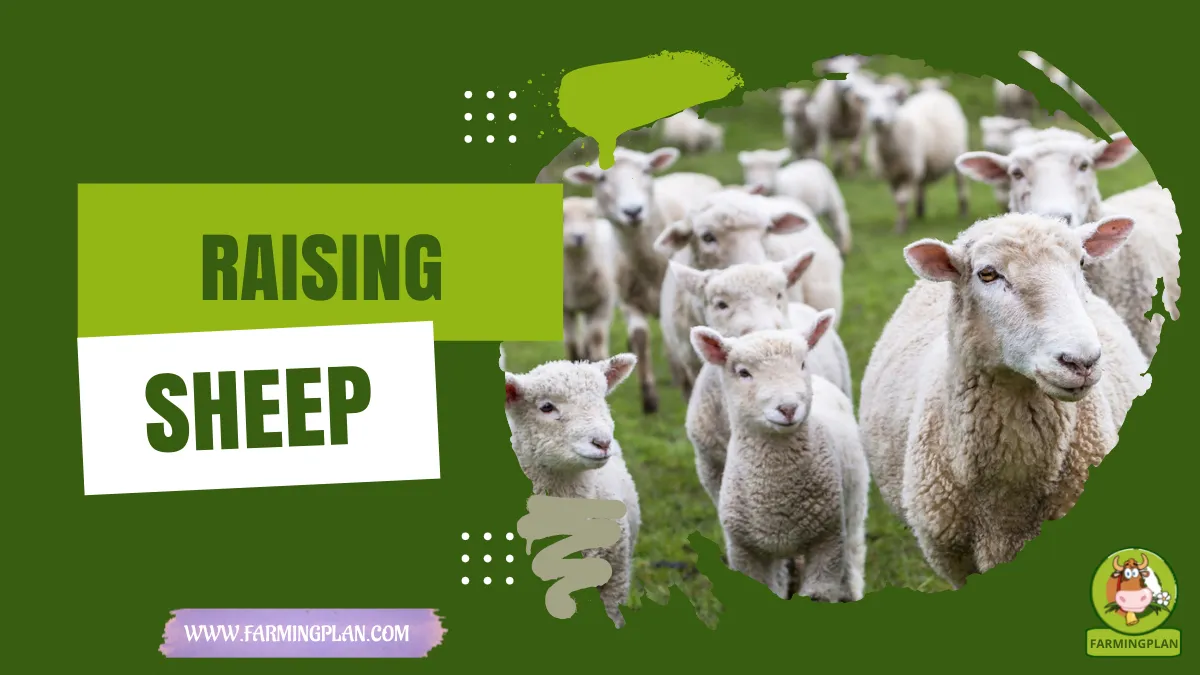
Raising sheep on my own land completely changed my approach to sustainable agriculture. When I first bought my flock, I felt overwhelmed by all the options, but watching those Lambs play in the lush grass made every single effort worthwhile. Today, I want to help you master sheep rearing process basics so you can build a thriving, profit-oriented farm. Whether you are interested in raising sheep for beginners or managing raising sheep in your backyard, this journey brings incredible rewards to your daily lifestyle.
You will learn about selecting strong rams, managing ewes during lambing, protecting your pasture, and improving overall flock health. My goal is to share real, hands-on advice from years in the field so you avoid common beginner mistakes. Together, we will look at how to build proper barns, handle electric fencing, and manage rotational grazing systems for ultimate success.
History & Origin of Raising Sheep
Raising sheep is one of the oldest human traditions in the world. Wild mouflon ancestors roamed ancient Mesopotamia thousands of years ago before early humans domesticated them for survival. Over time, early farmers selective-bred these animals to yield softer wool, richer milk, and better meat marbling. As agriculture spread across continents, different regions created specialized sheep breeds to suit their local climate, soil fertility, and terrain.
Tracing the Roots of Ancient Shepherding
Through centuries of careful management, organizations like The Livestock Conservancy now preserve rare heritage breeds that hold historical significance. The American Sheep Industry Association tracks how these animals helped build communities across early America. Today, when you manage your livestock, you carry on a deep historical tradition. Understanding this history helps us appreciate the resilience of modern sheep farms, whether we focus on wool sheep or hair sheep for local meat production.
Read More: Abaza Goat: Essential Guide to Raising This Amazing Breed
Characteristics of Raising Sheep
Every flock has a unique physical makeup that depends on its genetic background. I love walking through my pastures and observing the physical differences between my animals. Some popular sheep breeds feature bright white coats, while others are sheep with black faces or striking sheep with mottled faces. Wool sheep produce thick fleeces with long 8-inch wool clips, whereas hair sheep like Dorper sheep naturally shed their coats each spring without needing shearing.
Understanding Key Traits and Variations
Physical traits also influence how well your animals withstand tough winter conditions or summer heat. Rams typically feature larger body frames and heavy horns, while ewes display refined bodies built for nursing bottle lambs and producing colostrum. When choosing breeding stock or a full-blood ram, look for strong hooves, clear eyes, and excellent muscle depth. Understanding these key traits helps you make smart purchasing decisions for long-term farm productivity.
Nature/Temperament of Raising Sheep
Sheep possess a strong, natural instinct to stick together in a tight flock. This flocking behavior keeps them safe from predators out in the open field, but it also means they stress easily when isolated. As a shepherd, I always handle my animals with a calm, soft voice to keep stress levels low. Calm handling makes moving animals through a sheep handling system smooth and efficient for everyone involved.
Decoding Herd Behavior and Social Dynamics
Individual personality varies based on sex, age, and breed characteristics. Rams can become aggressive during estrus and breeding seasons due to elevated hormones, so always keep a watchful eye on them. Ewes generally show gentle, loving care toward their new newborn lambs. If an orphan baby needs help, you can easily raise bottle lambs using a quality milk replacer and artificial nipples. Building trust with your herd creates a peaceful farm environment that keeps animals happy and easy to manage.
Food & Diet of Raising Sheep
Proper nutrition serves as the foundation for high livestock performance and long-term herd vitality. A good diet relies heavily on quality forage, clean water, and managed pasture grazing. During peak spring growth, a rotational grazing system allows your animals to eat fresh grass while protecting soil health. You must balance their daily intake of energy, crude protein, and essential raw minerals to keep immunity high throughout every season.
Feeding Strategies for Optimal Growth
You should offer a custom mineral mix supplement containing cobalt, iodine, and organic kelp. Never feed cattle feed to your flock because copper toxicity can quickly kill sheep. During severe winters, offer lespedeza pellets to supplement hay and provide natural parasite support. Always make sure clean, fresh water remains accessible near your feeding stations day and night.
Usage/Purpose of Raising Sheep
People keep sheep for many practical reasons, ranging from commercial production to simple weed control. If you want to raise raising sheep for wool profit, sourcing fine-wool breeds lets you harvest valuable wool clips for craft markets or local sheep festivals. Farms like Brookside Sheep Farm and VT Grand View Farm showcase how wool products and farmstay vacation experiences create steady, year-round revenue streams.
Exploring Multiple Paths to Farm Profitability
Alternatively, producing pasture-raised lamb or grass-fed lamb offers high market returns for local meat producers. Selling direct-to-consumer lamb shares or USDA certified cuts helps maximize your return on every animal unit. You can also harvest rich manure to create organic nitrogen fertilizer for local vegetable garden beds. Some homesteaders even raise specialized dairy animals to produce gourmet cheeses, soaps, and rich artisanal milks.
Special Features of Raising Sheep
Sheep possess remarkable adaptations that allow them to thrive on marginal agricultural land. Their split upper lip allows them to graze extremely close to the soil surface, picking out nutritious plant leaves that larger cattle miss entirely. This efficient feeding style makes them ideal candidates for management-intensive rotational grazing setups on smaller acreages.
Unique Adaptations and Hidden Strengths
Another impressive feature is the high natural adaptability found in specific heritage breeds on the Conservation Priority List. For instance, St. Croix sheep exhibit natural parasite resistance against deadly internal pests like the barber’s pole worm. Hair breeds shed their coats naturally, completely removing the annual labor cost of hiring professional sheep shearers like Schwartz Shearing. These unique survival traits make small ruminants low-maintenance, efficient, and highly profitable livestock options.
Health Issues & Prevention of Raising Sheep
Keeping your herd healthy requires proactive biosecurity, daily observation, and proper preventative medicine. Pests like coccidia and barber’s pole worm cause severe anemia, weight loss, and sudden sheep deaths if left unchecked. Use regular FAMACHA scoring and parasite egg counts to spot early signs of infection before bad outbreaks happen. Apply targeted treatments like Cydectan or Lye dewormer only when necessary to build long-term parasite resistance.
Protecting Your Flock Against Common Diseases
Infectious conditions like hoof rot spread fast in muddy, poorly ventilated livestock barns. Prevent foot problems by trimming hooves regularly and keeping resting areas dry. Administer essential CD&T vaccines to guard against enterotoxemia and tetanus, especially before lambing season starts. Treating minor skin scratches with diluted hydrogen peroxide stops infections before they escalate into serious health emergencies.
Every Great Shepherd Knows That Healthy Pastures Build Strong Flocks And Lasting Success.
Step-by-Step Farming Guide for Raising Sheep
Setting Up Your Farm for Long-Term Success
Starting a sheep enterprise requires careful planning, solid infrastructure, and consistent management practices. I designed this step-by-step guide to take you through the entire process, from initial pasture preparation to daily care routines. Following a clear plan ensures your animals remain safe, healthy, and productive year after year.
Step 1: Secure the Perimeter with Strong Fencing
Fencing serves as your first line of defense against escape attempts and dangerous free-roaming predators. I recommend installing a perimeter fence using woven wire supplemented with high-tensile electric fence lines along the top and bottom. Set up a Cyclops fence charger or a Gallagher 4-joule solar charger to maintain a strong electrical pulse along your boundary.
For internal paddocks, lightweight polywire or poly tape offers great flexibility for temporary grazing cells. Test your electric fence charger daily to ensure it yields enough voltage to deter coyotes and stray dogs. Solid fencing setups give you total peace of mind while keeping your herd safe out on open pastures.
Step 2: Build Safe Housing and Shelter Options
Your flock needs adequate shelter to escape freezing winter winds, driving rain, and intense summer sun. Simple three-sided run-in sheds offer excellent ventilation while protecting animals from severe weather storms. Ensure your sheep housing stays dry and well-bedded with clean straw or wood shavings to prevent respiratory issues. During the cold lambing season, set up individual lambing pens inside your primary barn to keep newborn lambs warm and draft-free.
Step 3: Establish a Rotational Grazing System
Managing your grass properly doubles your stocking capacity and breaks internal parasite life cycles naturally. Divide your pasture ground into small, manageable grazing cells using temporary electric polywire. Move your herd to fresh grass every few days, allowing grazed areas at least thirty days of rest to recover fully.
This management-intensive rotational grazing approach builds rich soil fertility and increases overall organic forage production. Using Managed Grazing principles prevents overgrazing and eliminates thick weeds without requiring expensive synthetic chemical sprays. Healthy pastures mean healthy, high-performing livestock every single season.
Step 4: Select and Purchase Healthy Stock
When buying your first animals, choose healthy breeding stock from reputable breeders with high biosecurity standards. Inspect each ewe and ram carefully, checking for bright eyes, sound hooves, soft pink skin, and strong teeth. Avoid buying animals showing signs of chronic coughing, limping, or abnormal weight loss. If meat production is your primary goal, start with hardy breeds like Dorper sheep or St. Croix sheep. Check for good disease resistance traits and ask the seller for complete vaccination records. Starting with high-quality stock saves you thousands of dollars in veterinary bills later on.
Step 5: Master Lambing Season and Nursery Care
Lambing season is the most exciting time on the farm, but it demands careful attention and long hours. Prepare your lambing supplies ahead of time, including clean towels, iodine spray, milk replacer, and extra nipples. Monitor pregnant ewes closely for signs of labor, such as nesting behavior and clear physical distress. Ensure newborn lambs consume vital colostrum within their first six hours of life to build strong immune protection. If an ewe suffers lambing complications or rejects her offspring, step in immediately to care for bottle lambs.
Step 6: Maintain Daily Flock Health and Feeding Routines
Consistent daily routines keep your operation running smoothly and help you spot health problems early. Walk through your pastures every morning to inspect water troughs, check fence voltage, and observe animal movement. Look for subtle signs of illness, like an isolated sheep resting far away from the main group. Keep fresh mineral mix supplement available at all times and replace dirty drinking water daily. Record birth dates, ear tag numbers, treatments, and weights in a central farm ledger to track progress over time. Good daily management builds a successful, highly profitable livestock enterprise you can feel proud of.
Read More: Cattle Diseases: Essential Health Strategies for Raising Vital Herds
Expert Tips & Best Practices for Raising Sheep
Proven Strategies from an Experienced Shepherd
- Introduce livestock guardian animals like LGD dogs, donkeys, or llamas early to solve your local predator problem completely.
- Perform regular FAMACHA scoring on eye membranes every two weeks during warm, humid spring months.
- Use bioWorma feed supplements on pasture to trap and destroy deadly parasite larvae inside fresh manure piles.
- Crutch wool ewes around their tails and udders before lambing to keep birthing areas clean and hygienic.
- Maintain an active email newsletter list to sell pasture-raised lamb direct to local farm customers.
- Consult your local Penn State Extension office for detailed forage testing and customized regional soil advice.
- Treat pregnant ewes with a CD&T vaccine two weeks before their due date to pass passive immunity to newborn lambs.
- Keep emergency supplies of milk replacer, syringes, and hydrogen peroxide stocked inside your main barn at all times.
FAQs
What is the best sheep breed for beginners?
Dorper sheep and Hair sheep are ideal for beginners because they do not require annual shearing. They also exhibit strong parasite resistance and adapt well to various pasture conditions.
How many sheep can you raise per acre of pasture?
You can typically raise two to four adult sheep per acre, depending on forage quality and soil fertility. Using a management-intensive rotational grazing system allows you to stock more animals safely.
Is raising sheep for profit actually achievable for small farms?
Yes, raising sheep for profit is achievable by direct-marketing grass-fed lamb, selling high-quality wool clips, or raising elite breeding stock. Diversifying your income streams maximizes overall profit per acre.
How do you protect your flock from wild predators?
You can protect your flock by installing high-tensile electric fence systems and utilizing dedicated guardian animals like sheepdogs or donkeys. Bringing your flock into secure livestock barns at night provides extra safety.
What are the most common health problems in sheep?
Internal parasites like the barber’s pole worm, hoof rot, and respiratory issues represent the most common health challenges. Regular FAMACHA scoring, dry housing, and timely vaccinations prevent most serious outbreaks.
Conclusion
Raising sheep offers a rewarding path toward sustainable living, land stewardship, and farm profitability. By building sturdy high-tensile electric fencing, practicing rotational grazing, and prioritizing preventative flock health, you create a self-sustaining system that generates healthy food, natural fiber, and rich organic fertilizer. Success requires daily observation and patience, but the long-term benefits far outweigh the initial investment. I encourage you to take the next step today: join a local livestock association, reach out to regional sheep farms, or start planning your farm setup today. Leave a comment below sharing your goals, or share this guide with fellow homesteaders to start your shepherding journey!