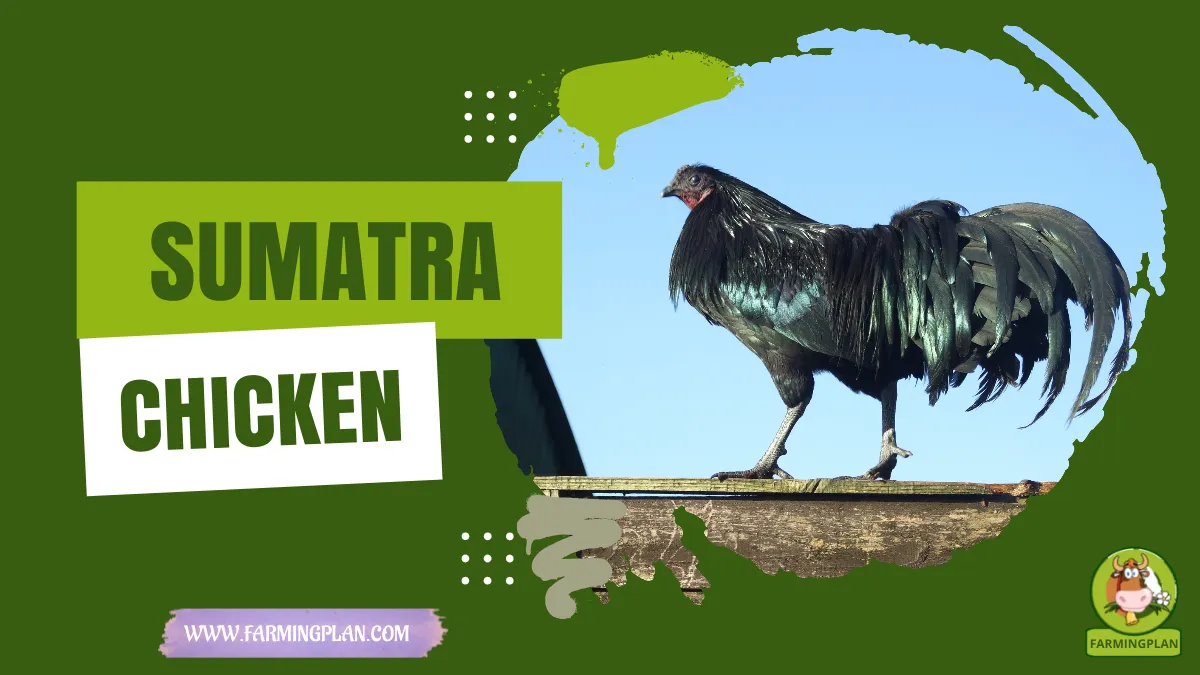
The Sumatra Chicken stands out as one of the most elegant and eye-catching ornamental chicken breeds I have ever raised. I first became interested in Sumatra chickens because of their long flowing tail feathers, shiny beetle-green black plumage, active personality, and graceful movement. These birds came from the Island of Sumatra in Indonesia, and breeders later developed them further in the United States for exhibition poultry and ornamental purposes.
Many people search for topics like Sumatra chicken price, Sumatra chicken egg production, Sumatra chicken egg color, and Sumatra chicken for sale because this breed attracts both poultry hobbyists and serious breeders. In my experience, Sumatra chickens work best for people who enjoy rare heritage breeds, free-range birds, and beautiful exhibition poultry. Their striking appearance, blue-tinted plumage, dark facial skin, and long spurs make them unforgettable birds in any flock.
History & Origin
The history of the Sumatra Chicken begins in Southeast Asia, especially on the Sumatra Island of Indonesia. Local people originally kept these birds as fighting cocks and ornamental birds long before they became popular in Western countries. Unlike modern meat chickens, Sumatra chickens developed naturally in tropical environments with dense forests and humid climates.
When traders and sailors traveled through the Far East during the 1800s, they noticed these elegant longtail birds. American and European poultry enthusiasts quickly became fascinated by their lustrous plumage and athletic body shape. Breeders later imported them into the United States, where poultry associations refined the breed for exhibitions and breeding programs.
Reads More: Affenpinscher Dog: Charming Little Companion
Recognition By Poultry Associations
The American Poultry Association accepted the Black Sumatra chicken into the American Standard of Perfection during the late 19th century. Breeders admired the breed because of its flowing tail feathers, multiple spurs, and glossy black feathers with a green sheen. Over time, breeders also developed color varieties like White Sumatra chicken, though black remains the most recognized version. Organizations like the Livestock Conservancy now classify this sustainable heritage chicken breed as threatened because fewer farmers keep them compared to commercial breeds.
Exhibition Popularity And Breeding Interest
I often see Sumatra chickens at poultry exhibitions because judges appreciate their elegant posture and unique feathering. Breeders focus heavily on tail quality, feather condition, comb shape, leg color, and body balance. In many countries, organizations such as the British Poultry Standards and Entente Européenne also recognize the breed.
Modern breeders continue protecting the genetic resources of this rare longtail breed. Hobbyists, small farms, and exhibition poultry breeders now help preserve the breed family for future generations.
Characteristics
The first thing people notice about Sumatra chickens is their dramatic beauty. These birds carry long flowing tails, sleek bodies, and shiny feathers that reflect green and purple tones under sunlight. The classic Black Sumatra chicken displays beetle-green black feathers with a glossy sheen. Roosters grow especially impressive tail feathers and long curved sickles.
Mature males also develop multiple spurs, which makes them different from many other breeds. Their dark facial skin, black beak, and long-legged chicken appearance create an exotic look. The breed comes in both Large Fowl and Size Bantam versions. Adult roosters usually weigh around 5 pounds, while hens stay slightly smaller. Unlike heavy meat breeds, Sumatra chickens maintain a slim and athletic body.
Feathering And Color Variations
Most breeders focus on black varieties because exhibition judges strongly prefer them. The blue-tinted plumage shines beautifully in natural light. Some breeders also work with white feathers and rare color genetics for specialized exhibition lines. These birds do not have Feathered Feet, which helps them stay cleaner in muddy conditions. Their feathering stays smooth and tight along the body, though tail feathers require extra care to prevent damage.
Egg Production And Egg Traits
People often ask about Sumatra chicken egg production and Sumatra chicken Egg Color. In my experience, hens produce a low to moderate number of small to medium white eggs or slightly tinted eggs. Their Egg Quantity remains lower than commercial laying breeds. Hens may lay around 80 to 120 eggs yearly depending on nutrition, weather, and care. Their egg size usually stays small during the first year. Many owners raise them more for beauty and exhibition than heavy egg production.
Nature & Temperament
The Personality of Sumatra chickens surprises many first-time owners. These birds stay highly alert, active, and intelligent. They react quickly to movement and often avoid strangers. I always describe them as “watchful birds with wild instincts.” Because of their strong flight ability, they prefer free-range environments with plenty of space. They dislike crowded coops and stressful handling. If owners provide patience and calm interaction, these birds become easier to manage.
Behavior Around Humans And Other Breeds
Roosters sometimes show dominant behavior, especially during breeding season. Their fighting cock ancestry still influences their attitude. I usually avoid housing aggressive males together in tight spaces. Hens often behave calmer than males, though they still remain more active than breeds like Silkies or heavy dual-purpose chickens. Sumatra chickens mix reasonably well with other active breeds such as Yokohama chickens when enough space exists.
Broody Nature And Mothering Ability
Some hens become broody and protect chicks very well. Their natural instincts help them hatch fertile eggs successfully under proper conditions. I have noticed that hens often raise chicks carefully in outdoor environments. These birds also stay highly aware of predators. Their alert personality helps protect themselves in free-range settings, though secure fencing still matters greatly.
Food & Diet
I always focus on balanced nutrition when raising Sumatra chickens. Their active nature burns more energy than lazy backyard breeds, so high-quality feed matters greatly. Chicks need starter feed with high protein to support feather growth and muscle development.
Adult birds thrive on quality poultry pellets mixed with grains, greens, insects, and occasional fruits. Since they remain active foragers, they enjoy hunting bugs and scratching for natural food outdoors.
Feeding Tips For Better Egg Production
Hens require extra calcium during laying periods. I usually provide crushed oyster shells separately to support stronger eggshells. Fresh clean water must stay available all day because dehydration reduces egg production quickly. Owners who want stronger feather quality should increase protein slightly during molting season. Healthy feathers improve exhibition appearance and tail growth.
Foods To Avoid
I never feed moldy grains, salty foods, chocolate, raw beans, or spoiled kitchen scraps. These foods can damage digestive health seriously. Since Sumatra chickens stay active and curious, they may peck dangerous items if owners leave trash nearby. Free-range birds also need protection from toxic plants and chemical sprays. I recommend keeping feeding areas clean and dry to reduce disease risks.
Usage & Purpose
Most owners raise Sumatra chickens as ornamental chicken breeds. Their graceful movement and lustrous plumage attract attention instantly at poultry shows. Exhibition breeders spend years improving tail quality, feather shine, and body shape. The breed also remains popular in exhibition poultry competitions because judges value elegant posture and long feathering. Many breeders carefully track breeding history and mating ratio to improve bloodlines.
Backyard Hobby Farming
I often recommend Sumatra chickens to hobby farmers who want unique birds rather than heavy meat production. These birds create a beautiful backyard flock and provide moderate egg production for small households. Many poultry enthusiasts also enjoy breeding Sumatra chicks because the chicks grow into striking adults. Hatcheries like Cackle Hatchery and Murray McMurray often offer hatching eggs or day-old chicks during hatching season.
Meat Production Limitations
People sometimes ask about Sumatra chicken meat quality. While the birds produce edible meat, they do not grow large enough for efficient commercial meat production. Their slim body structure and active personality make them poor choices for heavy meat farming. Breeders mainly value them for appearance, heritage preservation, and exhibition interest rather than food production.
Special Features
One feature that always impresses visitors involves the rooster’s multiple spurs and extremely long flowing tail feathers. Very few breeds show this level of natural elegance. Mature males often develop spectacular tails that sweep downward beautifully. Their tail structure gives them a wild and royal appearance unlike standard backyard chickens.
Heat Tolerance And Hardy Nature
Because the breed originated in tropical Indonesia, Sumatra chickens show excellent Heat Tolerance. They tolerate heat well and remain active even during warm weather. Surprisingly, they also stay fairly hardy during winter if owners provide dry shelter and good nutrition. Their lightweight body helps them stay agile in many climates.
Strong Predator Awareness
I have noticed that Sumatra chickens stay extremely alert around predators. Hawks, dogs, and foxes rarely surprise these birds easily. Their jumpy and flighty behavior actually helps survival in free-range systems. Still, proper fencing and clipped wings may help prevent escape because these birds fly much better than heavy breeds.
“Strong Flocks Start With Smart Care And Patient Handling. Sumatra Chickens Reward Calm Owners With Stunning Beauty And Loyal Behavior.”
Health Issues & Prevention
Like other poultry breeds, Sumatra chickens can suffer from mites, lice, respiratory infections, worms, and digestive diseases. Their long tail feathers may also break or become dirty if owners keep them in wet conditions. Poor ventilation inside coops increases breathing problems quickly. Damp bedding also creates bacterial growth and parasite risks.
Warning Signs I Watch Carefully
I always monitor for coughing, watery eyes, feather loss, weight loss, diarrhea, reduced appetite, and unusual sleeping behavior. Sick birds usually isolate themselves from the flock early. Roosters with damaged spurs or broken feathers may also require separate care to prevent infection.
Prevention And Daily Care
Clean water, dry bedding, strong fencing, and balanced feed prevent most common health problems. I clean coops regularly and rotate outdoor ranging areas when possible. Vaccination programs also help protect flocks from dangerous poultry diseases. During breeding season and incubation periods, I disinfect incubators carefully to improve hatching success and reduce disease spread.
Tip: “Healthy Chickens Thrive In Clean Spaces, Fresh Air, And Stress-Free Routines More Than Expensive Treatments.”
Step-By-Step Farming Guide
Raising Sumatra chickens requires patience, planning, and proper housing. I always tell beginners that these birds behave differently from calm commercial breeds. Their active personality and flight ability demand more secure fencing, larger spaces, and gentle handling. I usually start by preparing safe housing before bringing home chicks or hatching eggs.
Good ventilation, predator protection, and dry bedding matter greatly for healthy feather growth. Since these birds love movement, I provide larger outdoor areas compared to standard backyard flocks. Breeding success also depends heavily on good nutrition, correct mating ratio, incubation care, and careful chick management. Owners who understand the breed’s natural instincts usually enjoy better long-term results.
Step 1 – Choosing Healthy Birds Or Hatching Eggs
I always buy birds from trusted poultry breeding farms with strong customer reviews. Healthy chicks should look active, bright-eyed, and clean around the vent area. When purchasing Black Sumatra Day Old Chicks or Black Sumatra Chicken Hatching Eggs, I carefully check shipping conditions and breeder reputation. Many hatcheries ship birds using USPS Priority Mail or FedEx during safe shipping weeks.
Buyers should ask about hatch dates, fertile sexed eggs, straight run options, and vaccination history before ordering. Hatching eggs require extra care during shipment because rough handling lowers incubation success. I allow shipped eggs to rest for several hours before placing them inside the incubator.
Step 2 – Building Proper Housing And Fencing
Sumatra chickens need secure coops because they fly extremely well. I use tall fencing and covered runs whenever possible. Some owners clip wings lightly to reduce escape risks, though I prefer giving birds enough protected space instead. The coop should stay dry, airy, and predator-proof. I install elevated roosts because these birds love sleeping high above ground. Long tail feathers also need extra room to prevent damage. Outdoor free-range environments help birds stay mentally active and physically fit. Crowded spaces increase stress and aggression quickly.
Step 3 – Feeding Chicks And Adult Birds
Young chicks need starter feed with high protein for healthy feather development. I also provide shallow clean water containers to prevent drowning accidents. As birds mature, I gradually switch them to grower and layer feed depending on age and purpose. Exhibition birds benefit from extra protein during feather growth periods. Fresh greens, insects, and natural foraging improve overall health greatly. I avoid overfeeding treats because obesity reduces activity and breeding quality.
Step 4 – Managing Breeding And Incubation
Breeding season usually begins during warmer months. I maintain a proper mating ratio with one rooster for several hens to reduce stress on females. When collecting eggs for incubation, I store them in cool conditions before placing them into the incubator. Stable humidity and temperature improve hatching success greatly. Broody hens sometimes hatch chicks naturally, though incubators offer more predictable results for larger breeding programs.
Step 5 – Daily Care And Long-Term Management
Daily observation remains one of my most important farming habits. I check feed, water, feather condition, and behavior every morning. Regular feather care matters greatly for exhibition birds. Dirty or broken tail feathers reduce show quality quickly. I also separate aggressive males during breeding season to avoid injuries. Long-term success comes from patience, clean management, smart breeding choices, and calm handling practices.
Reads More: Africana Sheep Powerful Farming Guide
Expert Tips & Best Practices For Better Results
Proven Tips From My Experience
- Use taller fencing because Sumatra chickens fly very well.
- Keep breeding pens spacious to reduce rooster aggression.
- Provide extra protein during molting season for stronger feather growth.
- Clean tail feathers gently before exhibitions.
- Avoid overcrowding because these birds become stressed quickly.
- Use predator-proof housing in free-range environments.
- Store hatching eggs carefully before incubation.
- Rotate ranging areas to reduce parasite buildup.
- Handle chicks gently from an early age to improve tameness.
- Protect exhibition birds from muddy conditions.
- Keep water containers clean during hot weather.
- Select breeding birds with strong feather quality and healthy body structure.
- Monitor spur growth in mature roosters.
- Provide shade during extreme summer heat.
- Focus on heritage conservation to support threatened poultry genetics.
FAQs
What color eggs do Sumatra chickens lay?
Sumatra hens usually lay small to medium white eggs or lightly tinted eggs. Their egg production stays lower than commercial laying breeds.
Are Sumatra chickens good for beginners?
They can work for beginners who enjoy active ornamental birds and have secure fencing. Calm breeds may suit first-time owners better if they want easier handling.
How much does a Sumatra chicken cost?
The Sumatra chicken price depends on breeder quality, bloodline, and age. Exhibition-quality birds and fertile hatching eggs usually cost more than standard chicks.
Do Sumatra chickens fly well?
Yes, these birds fly extremely well compared to heavy chicken breeds. Owners should use tall fencing or covered runs for safety.
Are Sumatra chickens good meat birds?
No, they are poor meat producers because they stay slim and lightweight. Most people raise them for ornamental, exhibition, and heritage purposes.
Conclusion
The Sumatra Chicken remains one of the most beautiful and fascinating heritage chicken breeds I have ever worked with. Their glossy green-black feathers, elegant longtail appearance, alert personality, and strong survival instincts make them perfect for ornamental poultry lovers and exhibition breeders. While they do not excel in heavy egg or meat production, they reward owners with beauty, intelligence, and rare heritage value. I believe more poultry keepers should help preserve this threatened breed family for future generations. If you enjoy raising unique birds with personality and history, Sumatra chickens may become one of your favorite flock additions. Share your experience, ask questions, or tell other poultry lovers about this incredible breed.