Roundworm is one of the most common parasitic infections I deal with as a farming specialist, especially in animals and rural environments. These parasites, also known as nematodes or ascarids, can infect humans, pets, and livestock through contaminated soil, unwashed fruits, or poor hygiene. Roundworm infection often begins when tiny eggs enter the body, usually through the fecal-oral route.
I’ve seen many cases where children, pets, or farm workers accidentally ingest roundworm eggs from soil or surfaces. Once inside, larvae hatch and travel through the body, sometimes affecting the lungs, liver, and intestines. In this guide, I’ll walk you through roundworm symptoms, treatment options like Albendazole or Mebendazole, and practical prevention strategies. I’ll also share my hands-on experience dealing with parasitic roundworms in real-life farming conditions so you can stay protected and informed.
History & Origin
Roundworms have existed for thousands of years. I often tell my trainees that these parasites are older than modern farming itself. Scientists have discovered roundworm eggs in ancient human remains, proving that infections like ascariasis have affected humans since early civilizations.
The most common species, Ascaris lumbricoides, thrives in tropical or sub-tropical countries where sanitation facilities remain limited. Over time, these parasitic nematodes adapted to survive in soil contaminated with feces. They developed strong protective shells around their eggs, allowing them to stay infectious for long periods.
Read More: Mite Control Secrets for Healthy Living
Evolution And Spread Across Animals And Humans
Roundworms didn’t just stick to humans. Species like Toxocara canis in dogs and Toxocara cati in cats became widespread due to close human-animal interaction. I’ve personally seen infections spread from young puppies to children due to poor hygiene practices. Other species, such as Baylisascaris procyonis found in raccoons, can cause severe conditions like neural larva migrans. These parasites use complex life cycles, involving larvae, paratenic hosts, and environmental contamination. Their adaptability explains why they remain a global health concern today.
Characteristics
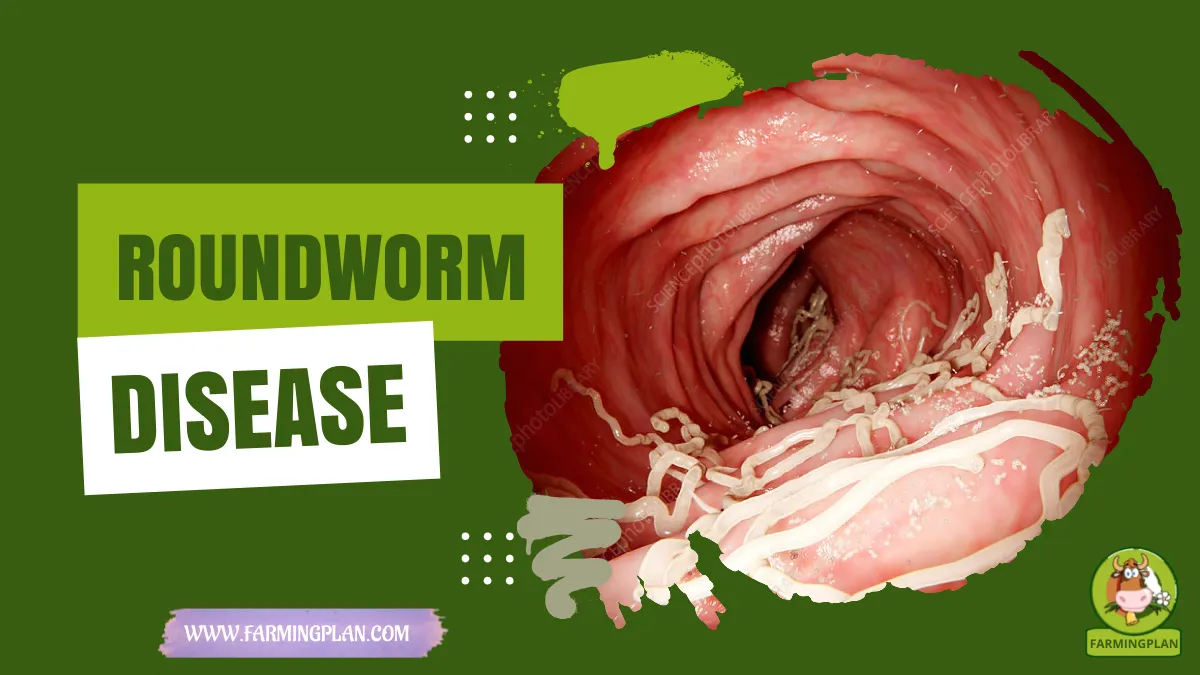
Roundworms have a long, cylindrical body, which is why we call them “round.” They belong to the group called helminths and can grow several inches long in the human gut. I’ve observed adult worms that look like pale spaghetti strands when expelled. Their eggs are microscopic, but extremely tough. These embryonated eggs survive in soil, sand, and even on vegetables. When ingested, they hatch into larvae that begin their journey inside the host’s body.
Life Cycle From Eggs To Adult Worms
The life cycle of roundworm is fascinating and dangerous at the same time. It starts when infectious eggs enter the body. The larvae hatch in the intestine, then travel through the bloodstream to the liver and lungs. This stage often causes cough and asthma-like symptoms.
After reaching the lungs, larvae move up to the throat and get swallowed again. They return to the intestines, where they mature into adult worms and produce more eggs. This continuous cycle makes roundworm infection hard to control without proper treatment and sanitation.
Nature/Temperament
Roundworms don’t have emotions like animals, but their behavior inside the host can be quite aggressive. I’ve seen cases where heavy infection caused intestinal blockage in both animals and humans. These parasites actively compete for nutrients, weakening the host over time. Larvae migrate through vital organs, which can trigger inflammation. In some cases, they cause pneumonitis or breathing issues when they pass through the lungs. Their movement inside the body often explains symptoms like coughing and abdominal pain.
Host Interaction And Zoonotic Nature
One of the biggest concerns I always highlight is their zoonotic nature. That means they can spread from animals to humans. Children are especially at risk because they often play in soil or sand that may contain roundworm eggs. I’ve worked with farmers who didn’t realize that their pets could be a source of infection. Dogs and cats infected with Toxocara spp can shed eggs in their feces, contaminating the environment. This is why proper hygiene and parasite control are critical.
Food & Diet
Roundworms survive by feeding on nutrients from their host. They absorb partially digested food in the intestines, which deprives the host of essential vitamins and minerals. I’ve noticed that infected animals often lose weight even when they eat normally. In severe cases, especially in children, roundworm infection can lead to malnutrition. The worms grow rapidly because they have direct access to nutrients, which helps them reproduce quickly.
Impact On Host Diet And Health
When roundworms infect the body, they disrupt normal digestion. People may experience symptoms like bloating, abdominal discomfort, and reduced appetite. I always advise maintaining a balanced diet during treatment to help the body recover.
Foods should be clean and properly washed to prevent reinfection. Avoid raw or unwashed fruits, especially those grown in contaminated soil. Clean water and proper food handling play a huge role in controlling infections.
Usage/Purpose
Not all roundworms are harmful. Some species, like Caenorhabditis elegans, are widely used in scientific research. I’ve followed studies where this nematode helped scientists understand genetics and molecular phylogeny. Researchers use these organisms to study life cycles, disease processes, and even drug development. Their simple structure makes them ideal for laboratory experiments.
Agricultural And Environmental Role
In agriculture, some soil nematodes help break down organic matter, improving soil quality. However, parasitic roundworms remain a major concern for farmers. They affect livestock, reduce productivity, and increase veterinary costs. I’ve seen farms struggle due to poor parasite control. Regular deworming and sanitation are essential to keep both animals and humans safe from infection.
Special Features
Roundworm eggs can survive extreme environmental conditions. I’ve tested soil samples where eggs remained viable for months. Their protective shell allows them to resist heat, dryness, and chemicals. This resilience makes them difficult to eliminate once they contaminate an area. Proper sanitation becomes the only reliable way to break their life cycle.
Roundworms have one of the most complex life cycles among parasites. Their ability to migrate through organs like the liver and lungs makes them dangerous. Conditions like visceral larva migrans occur when larvae move through body tissues. In rare cases, neural larva migrans can affect the brain, causing serious complications. These features highlight why early diagnosis and treatment are so important.
Health Issues & Prevention
Roundworm symptoms vary depending on the stage of infection. Early signs include cough, fever, and breathing issues when larvae pass through the lungs. Later, intestinal symptoms like abdominal pain, diarrhea, and visible worms may appear. I’ve seen children with bloated stomachs due to heavy infection. In severe cases, worms can block the intestine, which becomes a medical emergency.
Diagnosis, Treatment, And Preventive Care
Doctors usually diagnose infection through fecal exams or fecal flotation tests using a microscope. Sometimes, advanced methods like PCR screen or antigen tests help confirm the presence of parasites. Treatment includes anthelmintics such as Albendazole, Mebendazole, pyrantel, or fenbendazole. These medications kill adult worms and stop the infection cycle.
Prevention remains the most effective strategy. I always recommend:
- Regular handwashing
- Proper sanitation facilities
- Avoiding contaminated soil
- Washing fruits and vegetables
- Routine deworming for pets
Clean Habits Build Strong Defense—Stop Parasites Before They Start Growing.
Step-by-Step Pet Owner Care Guide
Managing roundworm infection requires a structured approach. I’ve spent years developing simple, practical steps that farmers and pet owners can follow easily. This guide focuses on prevention, early detection, and consistent care. When I work with farms or households, I always stress that one-time treatment is not enough. You must break the life cycle of the parasite through hygiene, deworming, and environmental control. Each step below builds a strong defense against infection and reinfection.
Step 1: Maintain Clean Living Environment
I always start with cleanliness. Roundworm eggs survive in soil, sand, and surfaces contaminated with feces. I advise cleaning animal living areas daily and removing waste immediately. Use proper disposal methods for feces and avoid leaving it exposed. Keep children away from contaminated areas. If you run a farm, designate clean zones and dirty zones to prevent cross-contamination.
Step 2: Follow Regular Deworming Schedule
Deworming is essential. I recommend using medications like Albendazole or pyrantel under proper guidance. For pets, consult a veterinary team and follow treatment protocols based on age and weight. Young puppies and kittens need frequent deworming because they often get infected through perinatal transmission. I always remind owners to maintain a strict schedule to prevent parasite buildup.
Step 3: Practice Strong Hygiene Habits
Handwashing is one of the simplest yet most effective methods. I teach farm workers and families to wash hands after handling soil, animals, or feces. Avoid eating with unwashed hands. Clean nails regularly because dirt often carries roundworm eggs. These small habits create a powerful barrier against infection.
Step 4: Ensure Safe Food And Water
Food safety plays a major role in prevention. I always wash fruits and vegetables thoroughly, especially those grown in soil. Drink clean, filtered water whenever possible. Avoid consuming raw or undercooked food that may carry parasites. These steps reduce the risk of ingesting infectious eggs.
Step 5: Monitor Health And Seek Early Diagnosis
Early detection makes treatment easier. I advise watching for symptoms like cough, abdominal pain, or unusual weight loss. If you suspect infection, consult a healthcare professional immediately. Laboratory tests like fecal exams help confirm the diagnosis. Quick action prevents complications and protects others in the household.
Read More: Tapeworm: Symptoms, Prevention & Treatment
Expert Tips & Best Practices
Simple Habits That Make A Big Difference
- Keep pets on a strict deworming schedule
- Clean living areas daily
- Avoid barefoot walking in contaminated soil
- Teach children hygiene early
Advanced Strategies For Better Control
- Rotate grazing areas for livestock
- Use fecal flotation tests regularly
- Maintain proper sanitation facilities
- Work with a veterinary team for parasite control
FAQs
What are the symptoms of roundworms in humans?
Symptoms include cough, abdominal pain, and visible worms in stool. Severe infections may cause intestinal blockage or breathing problems.
How do people get roundworm infection?
People get infected by ingesting eggs from contaminated soil, food, or water. Poor hygiene increases the risk significantly.
What is the best treatment for roundworms?
Doctors usually prescribe medications like Albendazole or Mebendazole. These drugs effectively kill the parasites and stop their life cycle.
Can roundworms spread from pets to humans?
Yes, roundworms like Toxocara spp can spread from animals to humans. Proper hygiene and pet care reduce this risk.
How can I prevent roundworm infection?
Practice handwashing, clean food properly, and maintain sanitation. Regular deworming of pets also plays a key role.
Conclusion
Roundworm infections remain a serious concern, especially in areas with poor sanitation or close animal contact. I’ve seen firsthand how easily these parasites spread and how damaging they can become if ignored. The good news is that simple habits like handwashing, safe food practices, and regular deworming can make a huge difference. Treatment options such as Albendazole and Mebendazole work effectively when used correctly. If you take prevention seriously and act early, you can protect your family, pets, and farm from these parasites. Stay aware, follow the steps I shared, and don’t hesitate to consult experts when needed. If you found this guide helpful, share it with others, leave a comment, and help spread awareness about roundworm prevention.